Where do jaguars live?
Short answer
Jaguars inhabit a vast range across the Americas, primarily concentrated in the tropical rainforests and wetlands of Central and South America. Their territory spans from northern Argentina and Paraguay up through the Amazon Basin to Mexico. While formerly present in the United States, they are now rarely spotted in the Southwest.
On this page
Where do jaguars live in the wild?
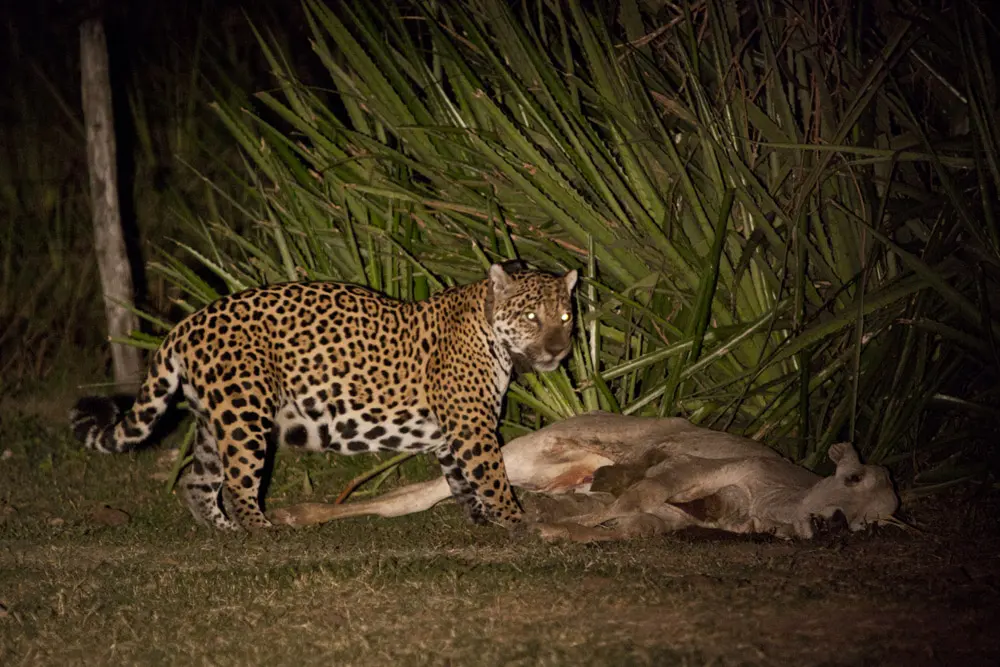
Jaguars are the largest cat species in the Americas and possess a highly adaptable nature, allowing them to thrive in diverse environments. Their primary stronghold is the Amazon Basin, where dense rainforests provide the cover and prey density necessary for their survival. Beyond the rainforest, they are frequently found in the Pantanal, the world’s largest tropical wetland located mostly in Brazil. This seasonal landscape offers an abundance of aquatic prey, such as caimans and capybaras, which jaguars exploit with remarkable swimming proficiency.
Their range extends across several key geographic regions, though it has significantly contracted over the last century due to human activity. You can find them in the following areas:
- The Pantanal wetlands of Brazil, Bolivia, and Paraguay.
- The tropical rainforests of the Amazon, covering parts of Brazil, Peru, and Colombia.
- The dry forests and scrublands of the Gran Chaco.
- The fragmented forests of Central America, including Belize, Guatemala, and Costa Rica.
- The northern reaches of Mexico, where they maintain small, isolated populations.
How do jaguars choose their territory?
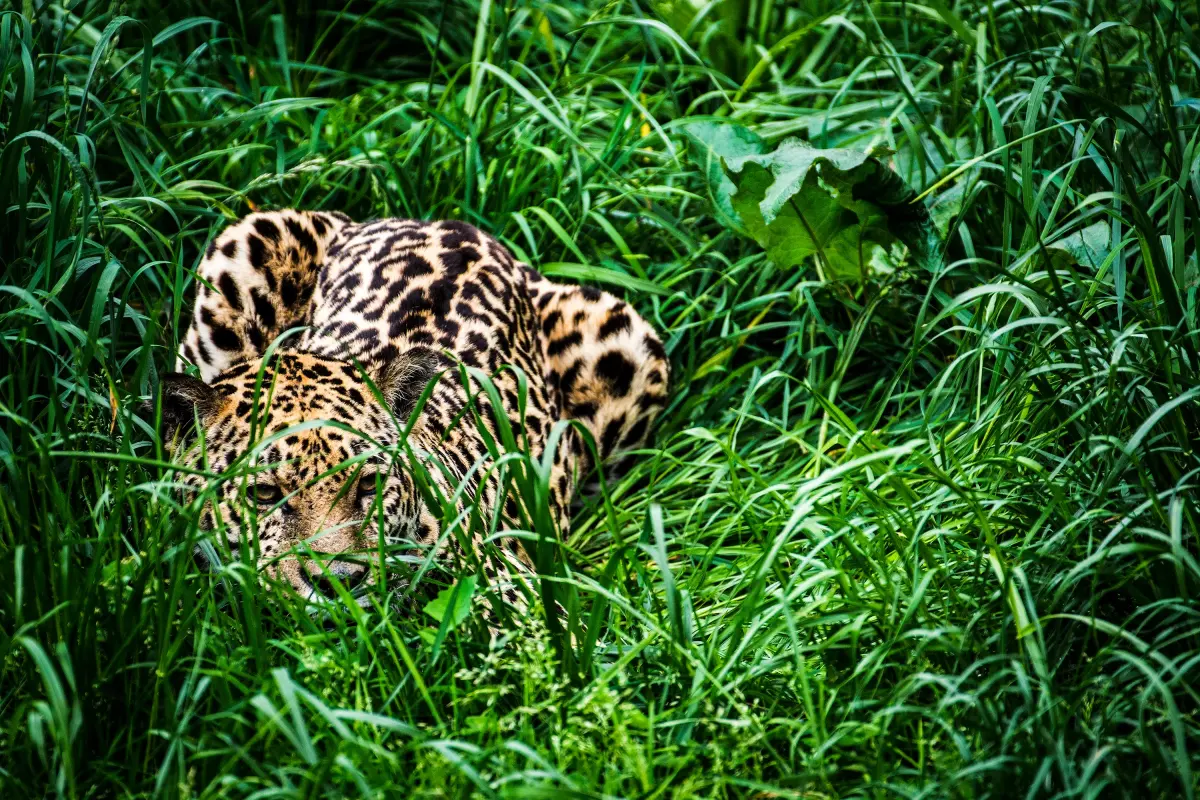
A jaguar’s choice of habitat is dictated by three primary factors: access to water, dense vegetative cover, and a reliable supply of prey. Unlike many other big cats, jaguars are excellent swimmers and often establish territories near rivers, lakes, or swamps. Water sources serve as both a hunting ground and a cooling mechanism in the humid climates they occupy. They prefer areas with thick undergrowth, which provides the essential camouflage required for their ambush-style hunting tactics.
To maintain these territories, jaguars are solitary animals that patrol vast home ranges. The size of a specific individual's range depends on the availability of resources; in areas where prey is scarce, a jaguar may travel over 300 square miles to find food. Conversely, in resource-rich environments like the Pantanal, home ranges are significantly smaller. They mark their boundaries using scent, scrapes on trees, and vocalizations to warn other jaguars of their presence, ensuring they do not unnecessarily compete for limited resources within their established hunting grounds.
Why are jaguars rarely seen in the United States?
While jaguars were once native to the southwestern United States, including parts of Arizona, New Mexico, and Texas, they were largely eradicated by the mid-20th century. This decline was primarily driven by predator control programs aimed at protecting livestock, as well as significant habitat loss. Today, the jaguar is considered an occasional visitor rather than a resident species in the U.S. Sightings are extremely rare and usually involve individual males wandering north from established populations in the Mexican state of Sonora.
Conservationists are currently working to maintain corridors that would allow these cats to move safely between Mexico and the U.S. borderlands. However, the presence of physical barriers, urban development, and agricultural expansion makes these migrations difficult. If you are interested in tracking the status of these rare visitors, consider these points:
- Most U.S. sightings are documented through remote trail cameras.
- The U.S. Fish and Wildlife Service monitors potential habitats in the Sky Island mountain ranges.
- Public reporting of sightings is encouraged, but these reports often require verification by wildlife biologists.

Common mistakes when looking for jaguars
Many travelers mistakenly believe that jaguars can be easily spotted on a standard safari or jungle hike. Because jaguars are elusive, nocturnal, and masters of camouflage, even experienced trackers often go days without a sighting. A common error is assuming that jaguars are active during the heat of the day; they are most active during dawn, dusk, and nighttime. Attempting to track them without a professional guide is both dangerous and unlikely to yield results, as they are experts at remaining undetected.
Another frequent mistake is failing to understand the importance of seasonal timing. In the Pantanal, for example, the dry season—typically from July to October—is the best time for sightings because the receding water forces prey into the open and concentrates jaguars along the riverbanks. During the wet season, the landscape floods, and the cats disperse into the dense, inaccessible forest. If you plan a trip, prioritize regions with established ecotourism infrastructure, as local guides possess the specific knowledge required to navigate these complex environments safely and effectively.
How to support jaguar conservation efforts
Protecting the future of the jaguar requires addressing the loss of habitat connectivity and reducing human-wildlife conflict. Because jaguars often wander onto cattle ranches, they are frequently targeted by ranchers who view them as a threat to their livelihood. Supporting sustainable agriculture and organizations that compensate farmers for livestock losses is a practical way to help. By promoting "jaguar-friendly" beef and produce, consumers can incentivize landowners to preserve the forest corridors that jaguars rely on for migration and genetic diversity.
If you wish to contribute to the preservation of this species, follow these guidelines:
- Donate to reputable international organizations that focus on habitat preservation in Latin America.
- Support ecotourism initiatives that provide local communities with financial alternatives to hunting or ranching.
- Advocate for policies that protect the "Jaguar Corridor," a continuous path of habitat stretching from Argentina to Mexico.
- Raise awareness about the importance of apex predators in maintaining healthy, balanced ecosystems.
- Avoid purchasing products that contribute to the deforestation of the Amazon or other critical jaguar habitats.
Key facts
- Jaguars currently inhabit a range spanning from the southwestern United States down to northern Argentina.
- The Amazon Basin in Brazil serves as the primary stronghold for the largest remaining population of the species.
- These big cats prefer habitats near water, such as tropical rainforests, wetlands, and seasonally flooded grasslands.
- Jaguars are highly adaptable and can survive in diverse environments including scrublands and dry deciduous forests.
- Habitat fragmentation is the greatest threat to their survival, as they require large, connected territories to hunt and breed.
- If traveling to see jaguars, avoid areas with high human activity, as these elusive animals typically retreat from noise and development.
The bottom line
Jaguars are the largest cats in the Americas, occupying a vast but increasingly fragmented range from the southwestern United States to northern Argentina. They thrive primarily in dense, water-rich tropical rainforests and wetlands where they can hunt both aquatic and terrestrial prey. Protecting these interconnected corridors is vital for their survival, as these solitary predators require extensive territories to maintain healthy populations across their natural habitat.
People also ask
Are jaguars found in the United States?
Yes, small numbers of jaguars occasionally cross the border from Mexico into southern Arizona and New Mexico. These sightings are rare and usually involve lone males exploring historical territory.
Do jaguars live in the same areas as leopards?
No, jaguars are native to the Americas, while leopards are found in Africa and Asia. They are distinct species that evolved on different continents.
Why do jaguars spend so much time near water?
Jaguars are excellent swimmers and frequently hunt aquatic prey like caimans, turtles, and fish. Water sources also provide essential cover for stalking land-based prey in dense vegetation.
How large of a territory does a single jaguar need?
A jaguar's home range can span anywhere from 10 to 100 square miles depending on the availability of food. Males generally maintain much larger territories than females to encompass multiple potential mates.
Can jaguars live in mountainous regions?
They are capable of living in mountainous terrain and have been spotted at elevations reaching up to 9,000 feet in the Andes. However, they are most densely populated in lowland tropical forests.
Why are jaguars difficult to track in the wild?
Their rosette-patterned coats provide perfect camouflage in dappled forest light, and they are naturally solitary, nocturnal hunters. Tracking them requires expert guides and significant patience in remote, rugged wilderness areas.
This answer was created with the help of AI research tools and reference sources. Spotted an error? Let us know — we correct mistakes quickly. See our editorial policy.