How do butterflies migrate?
Short answer
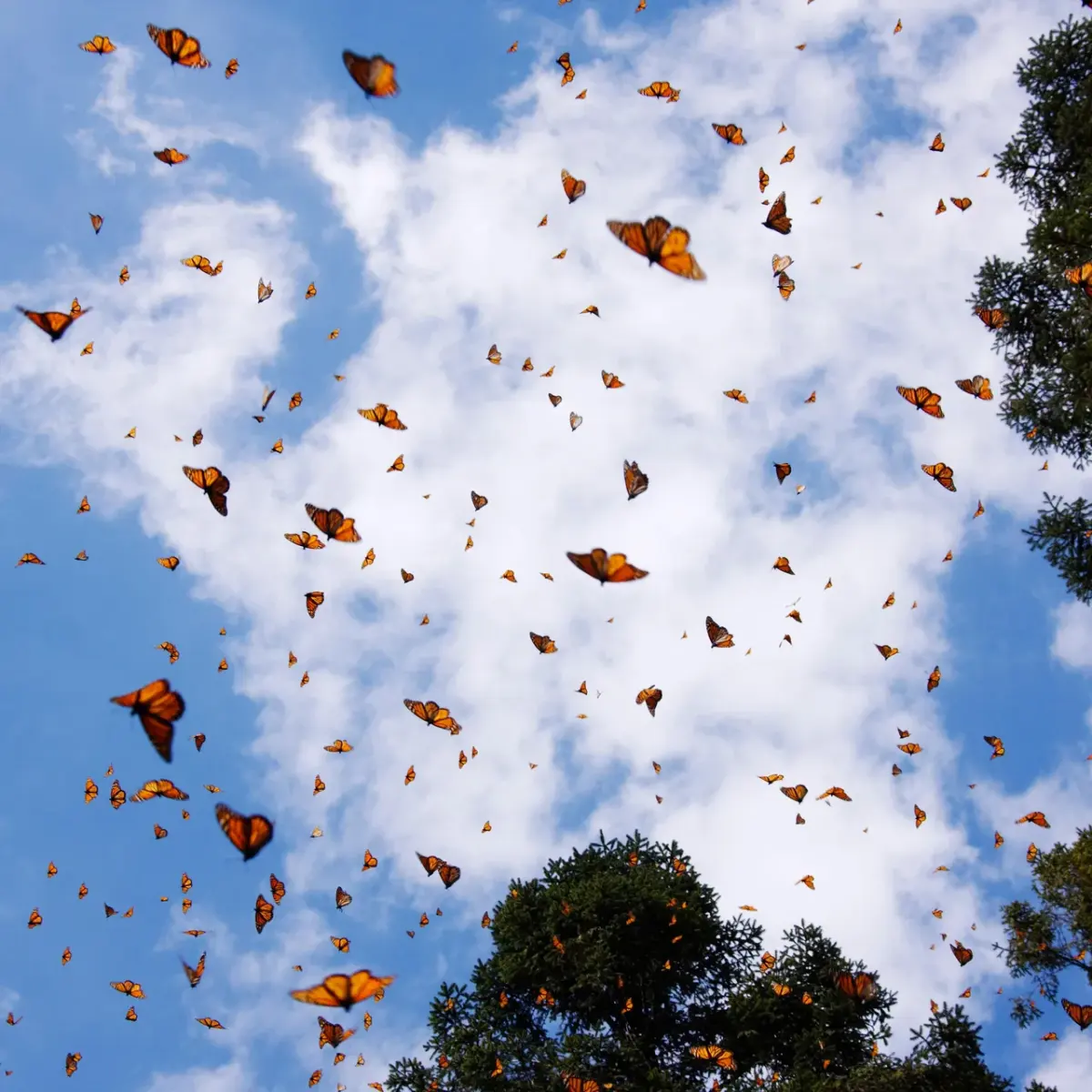
Butterflies migrate by utilizing a combination of internal biological compasses, solar cues, and environmental conditions to navigate vast distances. They rely on multi-generational cycles or individual endurance to reach specific overwintering sites. These insects adjust their flight paths based on wind currents and magnetic fields to ensure survival across thousands of miles.
On this page
How do butterflies navigate during migration?
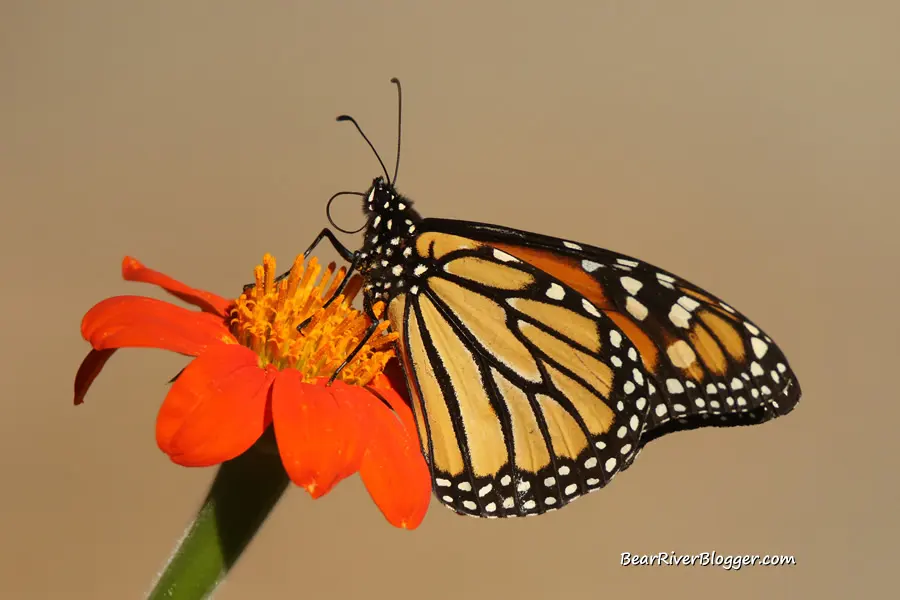
Butterflies possess a sophisticated internal navigation system that functions similarly to a biological GPS. Research indicates that monarchs, the most famous migratory species, use a time-compensated sun compass. This mechanism allows them to maintain a consistent southerly heading by adjusting their flight direction relative to the sun’s position throughout the day. They also possess specialized photoreceptors in their antennae that detect polarized light, helping them stay on course even when the sky is partially overcast.
In addition to solar cues, some butterfly species appear to be sensitive to the Earth’s magnetic field. This secondary system acts as a fail-safe, providing orientation data when visual landmarks or solar inputs are unavailable. By integrating these various inputs, butterflies can perform precise long-distance movements. Their migratory success is not accidental but the result of evolutionary adaptations that allow them to overcome significant geographical barriers and weather challenges during their journey.
How long does it take for butterflies to migrate?
The duration of migration varies significantly depending on the species and the distance covered. For North American monarch butterflies, the journey from breeding grounds in Canada and the United States to overwintering sites in central Mexico can take up to two months. These butterflies travel at speeds averaging 25 to 30 miles per day, though they can cover much more ground when favorable wind currents are present.
The lifespan of the migrating generation is unique compared to other generations. While summer butterflies live only a few weeks, the migratory "Methuselah" generation can live up to eight or nine months. This extended lifespan is essential for completing the arduous journey and surviving the winter in a state of reproductive diapause.
- Departure begins in late August or early September as temperatures drop.
- The journey spans approximately 2,000 to 3,000 miles for some populations.
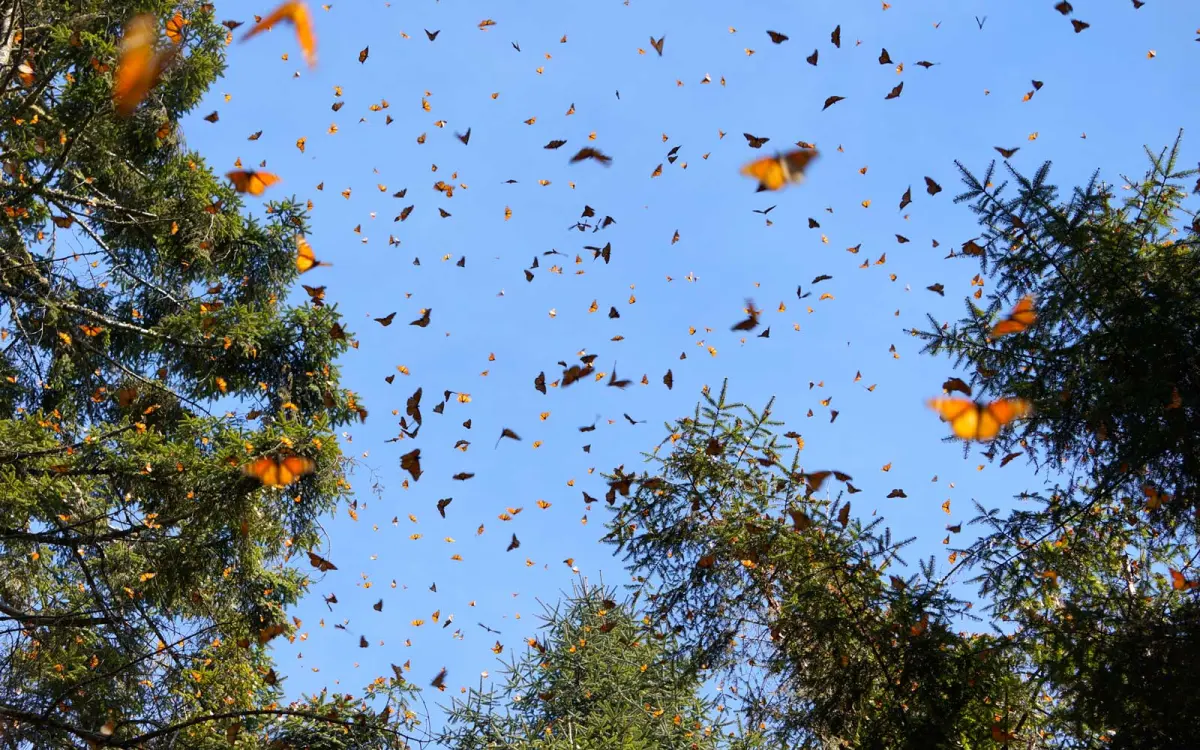
- Arrival at the oyamel fir forests in Mexico typically occurs by early November.
- Survival depends on reaching specific microclimates that provide protection from freezing temperatures.
Why does butterfly migration happen?
Migration is primarily an evolutionary strategy to escape harsh winter climates where the butterfly’s host plants would die and the insects themselves could not survive. By moving to warmer latitudes, butterflies ensure that they can continue their life cycle in environments that provide consistent food sources and shelter. This seasonal movement is essential for the survival of species that cannot tolerate freezing temperatures or the lack of nectar-producing flora.
The search for suitable breeding grounds also drives these movements. As spring arrives, the overwintering generation begins to move northward, laying eggs on milkweed plants along the way. This creates a relay-style migration where multiple successive generations complete the return trip. This cycle ensures that the species can exploit the flush of new vegetation and nectar available across the continent throughout the warmer months.
- Seasonal temperature shifts trigger hormonal changes in the butterflies.
- The depletion of host plants in northern regions forces a search for new territory.
- Reproductive diapause allows the butterflies to delay mating until they reach the optimal environment.
Best ways to support migrating butterflies
Home gardeners can play a vital role in supporting migratory populations by providing "refueling stations" along known flyways. Planting native nectar-rich flowers ensures that butterflies have the energy reserves required for their long-distance flight. It is equally important to plant host plants, such as milkweed for monarchs, which provide the necessary food for the next generation of caterpillars.
When planning a butterfly-friendly landscape, consider the following steps:
- Choose native plants that bloom during the peak migration months of late summer and autumn.
- Avoid the use of pesticides and herbicides, which can kill butterflies or contaminate their food sources.
- Provide a water source, such as a shallow dish with pebbles, where butterflies can land and hydrate safely.
- Maintain a diverse habitat that includes sheltered areas, like shrubs or trees, to protect butterflies from strong winds and predators.
Common mistakes when observing butterfly migration
One frequent mistake is assuming that all butterflies migrate in the same way or at the same time. Many people mistakenly believe that the same individual butterfly completes the entire round trip. In reality, the return journey to the north is completed by the offspring of the butterflies that migrated south. Misunderstanding this cycle can lead to incorrect expectations regarding population numbers or timing in specific regions.
Another common error is interfering with the butterflies' natural path or trying to capture them for study. Handling butterflies can damage their delicate wings and scales, which are essential for flight and thermoregulation. Furthermore, providing artificial feeding stations with improper sugar mixtures can be harmful. Always prioritize natural nectar sources over artificial feeders to ensure the butterflies receive the correct nutrients. By observing from a distance and focusing on habitat restoration, you can contribute positively to the conservation of these incredible migratory insects without disrupting their natural behaviors or risking their survival during their perilous journey.
Key facts
- Monarch butterflies are the only insects that migrate up to 3,000 miles to reach a specific overwintering site.
- They use a "sun compass" integrated with their circadian clock to maintain a southerly heading during the day.
- Migrating monarchs possess a specialized "methuselah" generation that lives up to eight months, unlike the 2-6 week lifespan of summer generations.
- Magnetic sensing allows butterflies to navigate even on cloudy days when the sun is not visible.
- Planting native milkweed is essential for providing host plants for the next generation, but avoid planting non-native tropical milkweed.
- Avoid using pesticides in your garden, as these chemicals can kill migrating butterflies or contaminate their nectar sources.
The bottom line
Butterfly migration is a complex biological phenomenon driven by genetic programming and environmental cues. By utilizing internal compasses and celestial navigation, these insects traverse thousands of miles to survive seasonal shifts. Protecting these species requires maintaining healthy, pesticide-free habitats filled with native nectar plants. Understanding these natural patterns helps us appreciate the fragility of ecosystems and the vital role butterflies play as global pollinators.
People also ask
Do all butterfly species migrate?
No, only a small percentage of butterfly species migrate. Most species remain within a relatively small geographic range throughout their short adult lives.
How do butterflies know where to go if they have never been there?
Scientists believe the migration route is genetically encoded in their DNA. This allows successive generations to return to the exact same trees in Mexico or coastal California.
What do butterflies eat during their long migration?
Butterflies rely on nectar from a wide variety of fall-blooming flowers to fuel their flight. They store this energy as fat reserves to survive the winter months.
Do butterflies migrate in groups?
While they may congregate in large numbers at stopover sites or overwintering grounds, they generally travel individually or in loose, scattered streams. They do not fly in tight, coordinated formations like geese.
How fast do migrating butterflies fly?
Monarchs typically travel at speeds of 12 to 30 miles per hour. Their daily progress depends heavily on wind conditions and temperature, often covering 50 to 100 miles per day.
What is the biggest threat to migrating butterflies?
Habitat loss is the primary threat, specifically the destruction of milkweed breeding grounds and nectar-rich corridors. Climate change and extreme weather events also disrupt their established migration timing and paths.
This answer was created with the help of AI research tools and reference sources. Spotted an error? Let us know — we correct mistakes quickly. See our editorial policy.