How long do monarch butterflies live?
Short answer
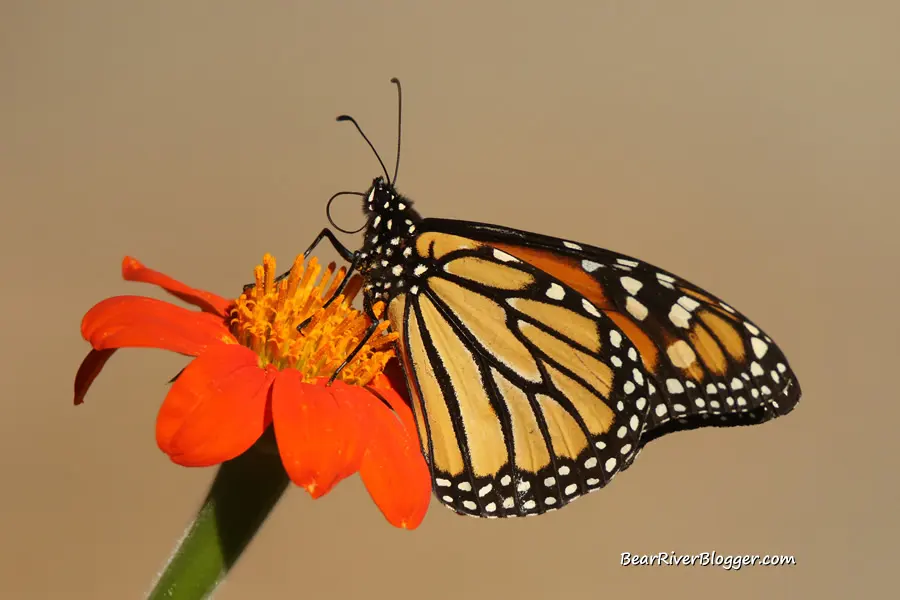
Monarch butterfly lifespans vary significantly based on their generation. Most summer-born monarchs live between two and six weeks, focusing entirely on reproduction. However, the final generation of the year—the migratory "methuselah" generation—lives for six to nine months, allowing them to travel thousands of miles to overwintering sites and survive until spring.
On this page
How long does a monarch butterfly live?
The lifespan of a monarch butterfly (Danaus plexippus) is determined by its birth timing and environmental conditions. During the spring and summer months, monarchs go through several rapid generations. These individuals typically live for only 2 to 6 weeks, during which time they mate, lay eggs, and die. Their primary biological purpose is to expand the population and spread across the continent.
In contrast, the late-summer generation undergoes a physiological shift known as reproductive diapause. These butterflies do not mate immediately; instead, they focus their energy on building fat reserves. This allows them to survive the strenuous migration to central Mexico or the California coast. These specific individuals can live for 6 to 9 months, surviving the entire winter before returning north to begin the cycle anew.
How does the monarch life cycle work?
The monarch butterfly undergoes a complete metamorphosis consisting of four distinct stages: egg, larva (caterpillar), pupa (chrysalis), and adult. Each stage serves a specific purpose in the insect's development and survival strategy. Understanding this progression is essential for anyone interested in butterfly conservation or gardening.
- Egg stage: A female deposits a single egg on the underside of a milkweed leaf, which hatches in 3 to 5 days.
- Larval stage: The caterpillar spends about 2 weeks eating milkweed and molting its skin five times to accommodate its rapid growth.
- Pupal stage: The caterpillar forms a chrysalis, where it undergoes a total transformation over approximately 10 to 14 days.
- Adult stage: The butterfly emerges, dries its wings, and begins its search for nectar and mates.
Why do some monarchs live longer than others?
The extended lifespan of the migratory generation is a remarkable adaptation driven by shortening day lengths and cooling temperatures. As autumn approaches, these environmental cues trigger hormonal changes in the developing monarch. These butterflies bypass sexual maturity, which conserves energy that would otherwise be spent on mating and egg production. This metabolic shift is the key to their survival during the long winter months.
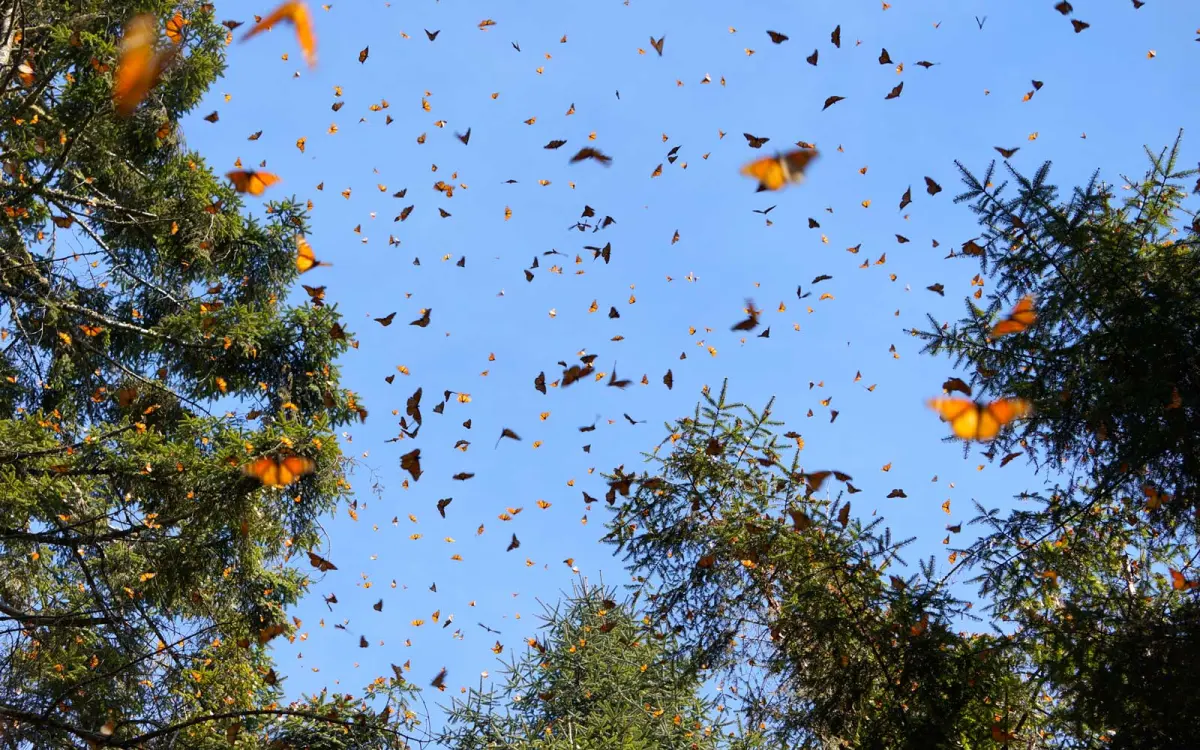
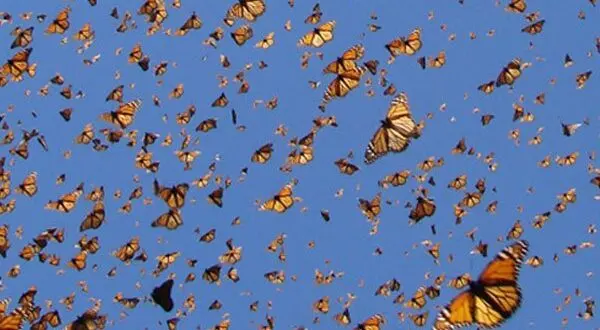
Furthermore, the migratory generation must navigate thousands of miles to reach specific microclimates in oyamel fir forests. These sites provide the perfect balance of temperature and humidity to keep the butterflies in a state of torpor. By remaining inactive, they minimize their energy expenditure, which is vital for surviving until the arrival of spring. Once temperatures rise and days lengthen, their reproductive systems finally activate, and they begin the journey back north to lay eggs.
Best ways to support monarch butterflies
Providing the right resources is the most effective way to help monarchs thrive throughout their short or long lives. A healthy habitat must include both host plants for caterpillars and nectar sources for adults. Without these, the population cannot sustain itself across its vast migratory range.
- Plant native milkweed species, such as swamp milkweed or common milkweed, to provide essential food for larvae.
- Incorporate a variety of nectar-rich flowers that bloom at different times, such as goldenrod, asters, and coneflowers.
- Avoid using chemical pesticides or herbicides, as these can be lethal to caterpillars and butterflies or destroy their food sources.
- Provide a shallow water source, like a birdbath with pebbles, for butterflies to safely drink.
- Create sheltered areas in your garden with shrubs or tall grasses to protect them from strong winds and heavy rain.
Common mistakes when helping monarchs
Many well-meaning enthusiasts inadvertently harm the butterflies they intend to help by using incorrect plants or practices. The most frequent error is planting non-native milkweed, specifically tropical milkweed (Asclepias curassavica). While this plant grows easily, it often does not die back in winter, which can encourage monarchs to stay in areas where they should be migrating. This leads to the buildup of a harmful parasite called Ophryocystis elektroscirrha, which can weaken or kill the butterflies.
Another common mistake is attempting to raise too many monarchs indoors. While observing the life cycle can be educational, mass-rearing butterflies in captivity can lead to overcrowding and the spread of disease. If you choose to raise them, ensure you maintain high standards of hygiene by cleaning containers daily and providing fresh, pesticide-free milkweed. Always release the butterflies as soon as they are ready to fly so they can follow their natural instincts and contribute to the wild population.
Key facts
- Most summer-generation monarch butterflies live for only two to six weeks.
- The final generation of the year, known as the "methuselah" generation, lives up to eight or nine months.
- These long-lived butterflies migrate thousands of miles to overwintering sites in Mexico or coastal California.
- Monarchs undergo four distinct life stages: egg, larva (caterpillar), pupa (chrysalis), and adult.
- To support their lifespan, plant native milkweed, which is the only host plant for monarch larvae.
- Avoid using pesticides in your garden, as these chemicals are lethal to butterflies at all life stages.
The bottom line
The lifespan of a monarch butterfly depends entirely on which generation it belongs to. While summer butterflies live briefly to focus on reproduction, the migratory generation survives through the winter to ensure the species' continuity. By planting native milkweed and avoiding harmful pesticides, you can provide the essential habitat these insects need to complete their remarkable life cycle and sustain their population for future generations.
People also ask
Do all monarch butterflies migrate?
Only the late-summer generation migrates to warmer climates to survive the winter. The earlier generations remain in their breeding grounds to reproduce and complete their short life cycles.
How can I tell if a monarch is a male or female?
Males have a small black spot on each hindwing, which are scent patches used during mating. Females lack these spots and generally have thicker black veins on their wings.
What do adult monarch butterflies eat?
Adults primarily feed on nectar from a wide variety of flowering plants. They use their long, straw-like proboscis to reach deep into blossoms for energy-rich sugar.
How long does the caterpillar stage last?
A monarch caterpillar typically spends about 10 to 14 days eating milkweed and growing. During this time, it molts its skin five times before forming a chrysalis.
Why are monarch populations declining?
Habitat loss, specifically the decline of milkweed and nectar sources, is the primary threat to monarchs. Climate change and the widespread use of herbicides also contribute to their population instability.
Can I raise monarch butterflies at home?
Yes, many enthusiasts raise them in mesh enclosures to protect them from predators. Ensure you provide fresh milkweed daily and keep the enclosure clean to prevent the spread of disease.
This answer was created with the help of AI research tools and reference sources. Spotted an error? Let us know — we correct mistakes quickly. See our editorial policy.