What do mountain goats eat?
Short answer
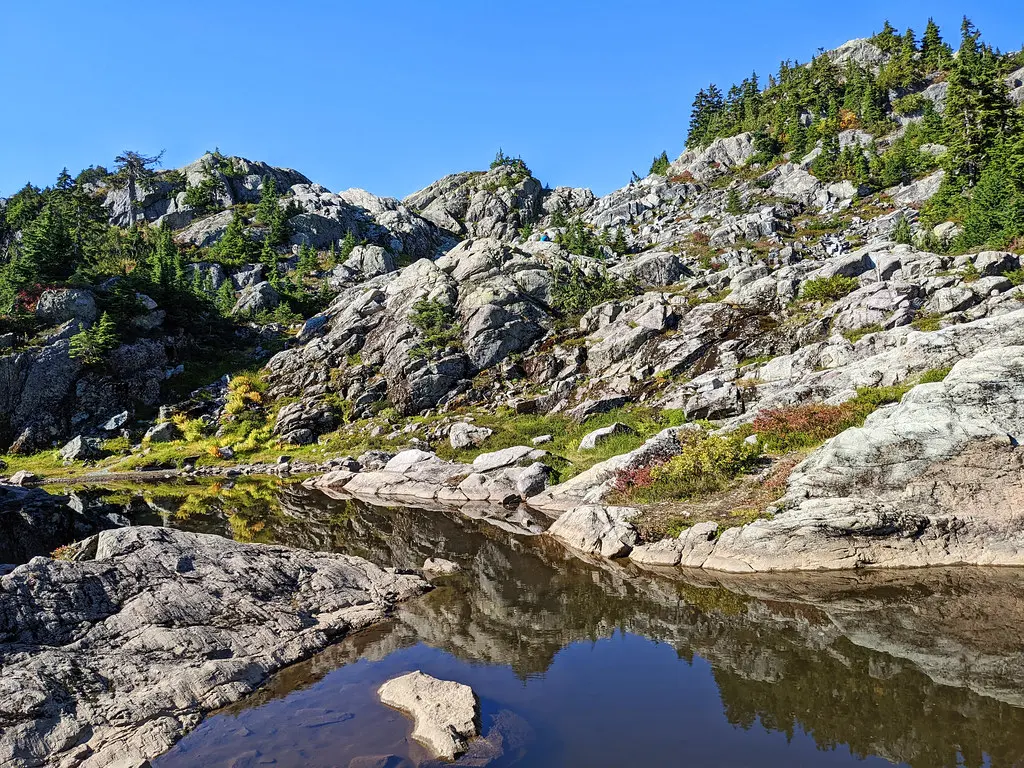
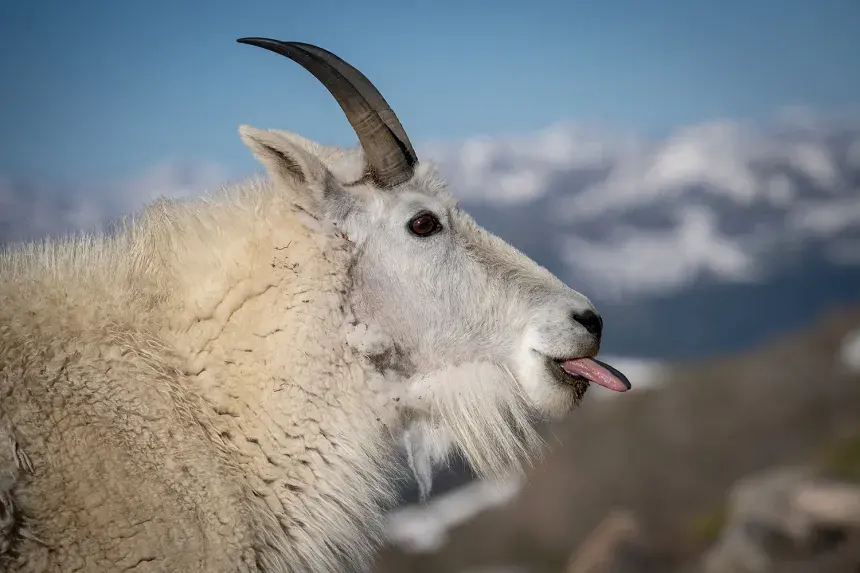
Mountain goats are generalist herbivores that consume a diverse diet of alpine plants. They primarily eat grasses, sedges, mosses, lichens, and the foliage of shrubs and stunted trees. Their diet shifts seasonally based on availability, with goats moving to lower elevations in winter to forage for exposed twigs, conifers, and dried vegetation.
On this page
What do mountain goats eat in the summer?
During the short alpine summer, mountain goats take advantage of the rapid growth of high-altitude vegetation. They are opportunistic feeders, consuming a wide variety of succulent grasses, sedges, and forbs that emerge as snow recedes. These nutrient-dense plants provide the essential energy required for the goats to build fat reserves before the harsh winter months arrive.
Because they inhabit rugged, vertical terrain, these animals are adept at navigating cliffs to reach isolated patches of vegetation. They often graze on flowering plants, ferns, and even the leaves of low-growing shrubs. This varied diet ensures they receive a balanced intake of minerals and proteins. Their digestive systems are highly efficient, allowing them to extract maximum nutrition from fibrous plant material that many other ungulates might find difficult to process.
- Alpine grasses and sedges
- Succulent forbs and flowering plants
- Ferns and horsetails
- Leaves from low-growing shrubs
How do mountain goats survive winter feeding?
Survival during the winter is a significant challenge for mountain goats, as deep snow blankets their primary grazing grounds. As temperatures drop, they descend to slightly lower elevations or seek out wind-swept ridges where snow cover is minimal. Their diet shifts toward more woody and durable plant matter that remains accessible despite the freezing conditions.
During these months, mountain goats rely heavily on conifers, such as subalpine fir and mountain hemlock, as well as the twigs of deciduous shrubs. They also consume significant amounts of lichens and mosses, which can be scraped from rocks or tree trunks. This transition to a "browse" diet is critical for their survival, as these food sources are often the only ones available when grasses are buried under several feet of snow.
- Locate wind-swept ridges where snow is thin.
- Consume needles and twigs from subalpine conifers.
- Forage for lichens and mosses on exposed rock faces.
- Dig through shallow snow to find dormant, dried vegetation.
Where do mountain goats find minerals?
Beyond standard plant consumption, mountain goats have a physiological need for mineral supplementation, particularly sodium. In the wild, they frequently visit natural mineral licks, which are areas where soil or rock has a high concentration of salts and essential minerals like calcium, phosphorus, and magnesium. These licks are vital for maintaining bone density and overall metabolic function.
Goats may travel several miles to reach a preferred mineral lick, often returning to the same site year after year. They ingest the mineral-rich soil or lick the rock surfaces directly. This behavior is most common in the spring and early summer, when the goats are recovering from the physiological stress of winter and females are nursing their young. Without access to these sites, mountain goats may suffer from nutrient deficiencies that impact their growth and reproductive success.
Why do mountain goats change their diet seasonally?
The seasonal shift in diet is primarily a response to the extreme fluctuations in food availability within the alpine ecosystem. In the summer, the abundance of green, high-protein vegetation allows the goats to gain weight rapidly. This weight gain is a survival strategy, as it provides a buffer against the inevitable food scarcity of the winter season.
As autumn approaches, the nutritional value of alpine plants declines, and the goats begin to alter their foraging patterns. They prioritize energy-dense browse that can sustain them through long periods of limited activity. This behavioral flexibility is a hallmark of the species, allowing them to inhabit environments that would be inhospitable to less adaptable herbivores. By adjusting their diet, they effectively manage their metabolic demands in alignment with the harsh realities of their mountainous habitat.
Common mistakes when observing mountain goat feeding
A common error made by wildlife enthusiasts is approaching mountain goats too closely while they are grazing. These animals are highly sensitive to human presence, and being disturbed can cause them to abandon a prime feeding spot. When goats are forced to flee, they expend valuable energy and lose precious time that should be spent consuming nutrients, which can be detrimental during the lean winter months.
Another mistake is assuming that mountain goats are strictly grazers that only eat grass. While they do consume grasses, they are actually versatile browsers that utilize a broad spectrum of vegetation. Observers often fail to notice the goats eating lichens or tree bark, leading to an incomplete understanding of their ecological role. To observe them properly, use binoculars or a spotting scope from a distance of at least 100 yards to ensure the animals remain undisturbed and continue their natural feeding behaviors.
Key facts
- Mountain goats are generalist herbivores that consume a wide variety of alpine vegetation, including grasses, sedges, mosses, and lichens.
- During the summer, they prioritize nutrient-rich flowering plants and succulent herbs to build fat reserves for the winter.
- In the winter, they shift their diet to woody plants, including conifer needles, twigs, and bark, which are more accessible above the snow.
- These animals are highly opportunistic and will consume mineral-rich soil or salt licks to supplement their intake of essential nutrients.
- A mountain goat typically spends 6 to 8 hours a day foraging to meet its high caloric requirements in harsh mountain climates.
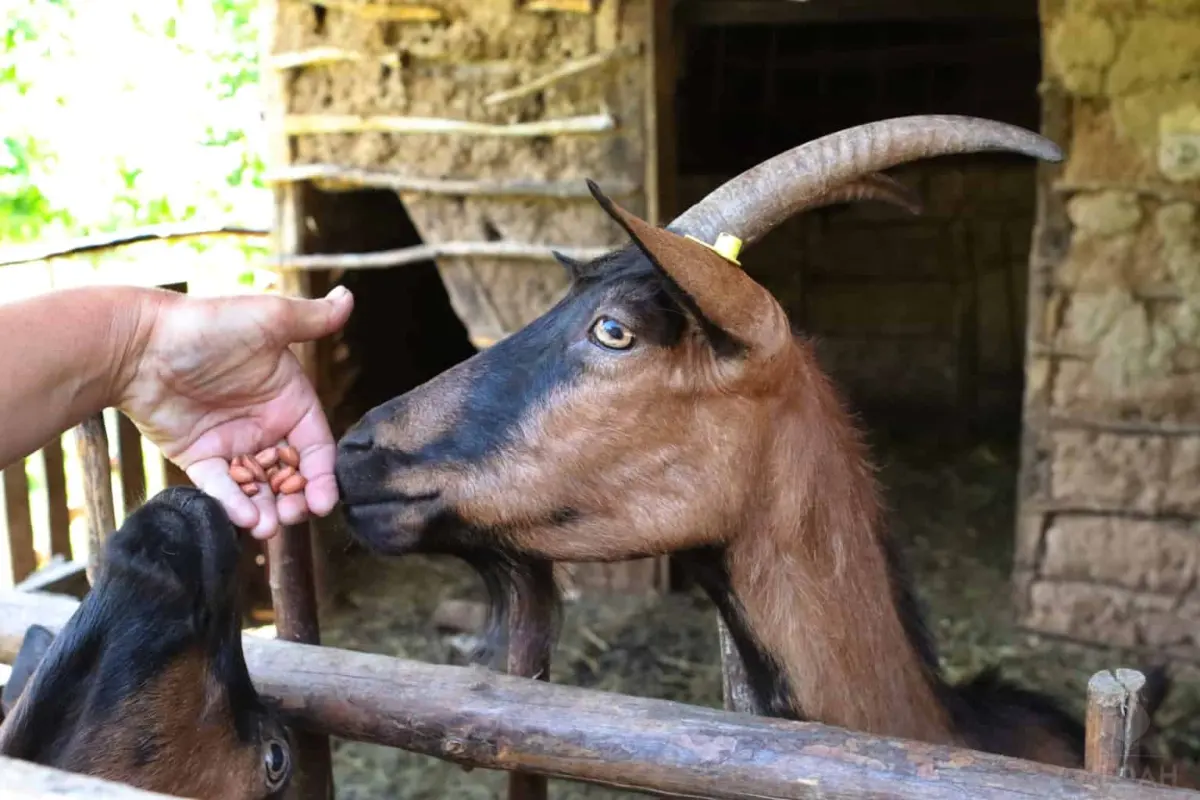
- Avoid feeding wild mountain goats human food, as it can cause digestive distress and encourage dangerous habituation to humans.
The bottom line
Mountain goats are highly adaptable herbivores that survive in extreme alpine environments by consuming a diverse range of grasses, shrubs, and woody vegetation. By shifting their diet seasonally and utilizing mineral licks, they maintain the energy levels required to navigate rugged terrain. Understanding their natural foraging habits highlights the importance of keeping human food away from these animals to ensure their continued health and survival.
People also ask
Do mountain goats drink water?
Yes, they drink water from glacial streams and snowmelt, but they also obtain significant hydration from the moisture content in the lush plants they consume during the summer.
How do mountain goats find food in deep snow?
They use their hooves, which feature a hard outer rim and a soft, rubbery pad, to dig through snow and expose buried grasses and shrubs.
Are mountain goats strictly vegetarians?
Yes, they are herbivores that feed exclusively on plant matter and minerals, though they may occasionally consume small amounts of fungi or lichen.
Do mountain goats migrate to find food?
They perform seasonal altitudinal migrations, moving to lower elevations in the winter to find areas with less snow cover and more accessible woody browse.
Why do mountain goats eat dirt?
They visit mineral licks to ingest essential salts and minerals like calcium and phosphorus, which are often lacking in their primary plant-based diet.
Can mountain goats digest poisonous plants?
They have specialized digestive systems that allow them to process many alpine plants that would be toxic to other mammals, though they still avoid certain highly toxic species.
This answer was created with the help of AI research tools and reference sources. Spotted an error? Let us know — we correct mistakes quickly. See our editorial policy.