What is metamorphosis?
Short answer
Metamorphosis is a biological process by which an animal physically develops after birth or hatching, involving a conspicuous and relatively abrupt change in the animal's body structure through cell growth and differentiation. It is most commonly observed in insects, amphibians, mollusks, crustaceans, cnidarians, echinoderms, and tunicates during their life cycles.
On this page
Why metamorphosis happens in nature
Metamorphosis serves as a critical evolutionary strategy that allows species to exploit different environmental niches throughout their life cycle. By occupying distinct habitats at different stages, organisms reduce competition for food and resources between parents and offspring. For instance, a caterpillar consumes leaves on a plant, while the adult butterfly feeds on nectar from flowers, ensuring that the two life stages do not deplete the same food supply.
This process is regulated by complex hormonal signals within the organism. In insects, hormones like ecdysone and juvenile hormone dictate whether a larva will molt into another larval stage or transition into a pupa. These internal biological clocks ensure that the transformation occurs only when the organism has reached a specific size or environmental trigger. By undergoing these dramatic changes, species can survive harsh conditions, such as winter dormancy, by transitioning into a protected pupal state.
How complete metamorphosis works
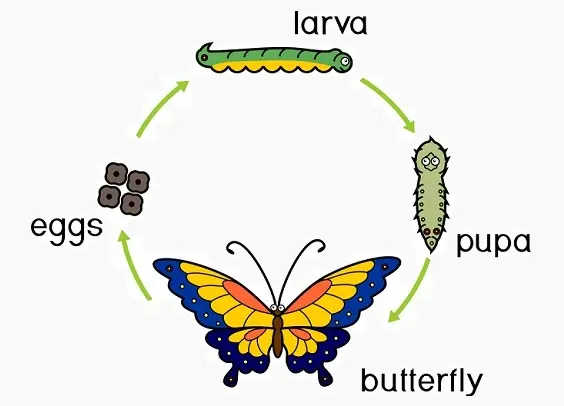
Complete metamorphosis, or holometabolism, consists of four distinct stages: egg, larva, pupa, and adult. This type of development is characteristic of about 85 percent of all insect species, including beetles, butterflies, and bees. Each stage has a specialized function, ranging from the ravenous feeding of the larva to the reproductive focus of the adult.
- Egg: The life cycle begins when a female lays eggs on a suitable host plant or substrate.
- Larva: The organism hatches and focuses exclusively on consuming nutrients to fuel rapid growth.
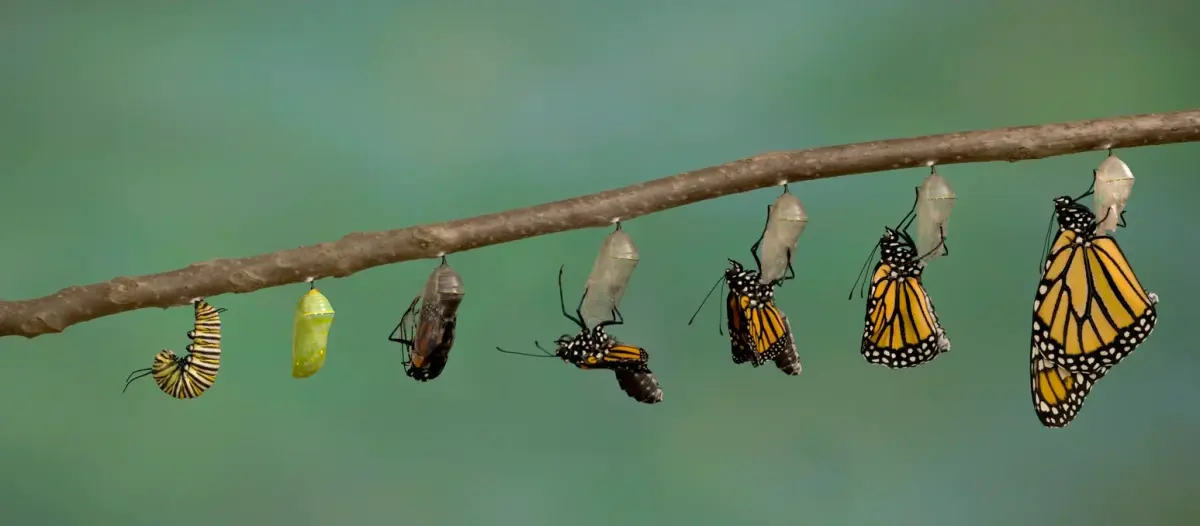
- Pupa: The larva forms a chrysalis or cocoon, where its tissues are broken down and reorganized into adult structures.
- Adult: The fully developed insect emerges, often equipped with wings and reproductive organs to disperse and mate.
This total reorganization allows the organism to occupy entirely different ecological roles. The pupal stage is particularly remarkable because it involves histolysis, the breakdown of larval tissues, followed by histogenesis, the creation of adult organs.
What is incomplete metamorphosis
Incomplete metamorphosis, or hemimetabolism, is a process where an insect develops in three stages: egg, nymph, and adult. Unlike holometabolous insects, these organisms do not undergo a pupal stage. Instead, the nymph resembles a smaller, wingless version of the adult. As the nymph grows, it molts its exoskeleton multiple times, gradually developing wing pads and reproductive capabilities with each successive stage.
Common examples of insects that undergo incomplete metamorphosis include:
- Grasshoppers
- Dragonflies
- Cockroaches
- Mantids
- Cicadas
Because nymphs and adults often share the same habitat and food sources, this type of development is generally less efficient at reducing intra-species competition than complete metamorphosis. However, it is a highly successful strategy that allows for rapid development in environments where a long pupal stage might be vulnerable to predators or environmental instability. The transition from nymph to adult is often marked by the final molt, where the insect reaches sexual maturity and gains functional wings.
How to observe metamorphosis at home
Observing metamorphosis is a popular educational activity that provides deep insight into biological development. To successfully witness this process, you must provide the correct host plants and environmental conditions for the specific species you are raising. Monarch butterflies are a common choice for beginners because their life cycle is well-documented and their host plant, milkweed, is easy to identify.
Follow these steps to set up a basic observation enclosure:
- Select a mesh enclosure that allows for proper airflow and prevents the larvae from escaping.
- Place fresh host plants inside the container daily, ensuring they are free of pesticides.
- Keep the enclosure in a location with indirect sunlight and stable temperatures to prevent stress.
- Clean the container regularly by removing frass, or insect waste, to prevent the growth of mold or bacteria.
- Provide a sturdy vertical surface, such as a twig, for the caterpillar to attach to when it begins pupation.
Common mistakes when raising insects
One of the most frequent errors when observing metamorphosis is failing to provide adequate humidity. If the air is too dry, the pupa may become dehydrated, or the emerging adult may struggle to expand its wings properly. Conversely, too much moisture can lead to fungal infections that kill the developing organism. Monitoring the environment daily is essential for success.
Another common mistake is handling the larvae or pupae too frequently. These organisms are delicate, and excessive human contact can damage their protective outer layers or cause them to fall from their attachment points. Additionally, many beginners mistakenly introduce non-native species or plants that are not suitable hosts, which leads to the starvation of the larvae. Always research the specific dietary requirements of your insect before starting your project. By avoiding these pitfalls, you can ensure a healthy transition from larva to adult, allowing you to witness one of nature's most impressive biological transformations firsthand.
Key facts
- Metamorphosis is a biological process where an animal physically develops after birth or hatching, involving a conspicuous and relatively abrupt change in the animal's body structure through cell growth and differentiation.
- Complete metamorphosis, or holometabolism, consists of four distinct stages: egg, larva, pupa, and adult.
- Incomplete metamorphosis, or hemimetabolism, involves three stages: egg, nymph, and adult, where the nymph resembles a smaller, wingless version of the adult.
- Roughly 80 percent of all insect species, including butterflies, beetles, and bees, undergo complete metamorphosis.
- Hormones, specifically ecdysone and juvenile hormone, strictly regulate the timing and progression of these developmental stages.
- When observing metamorphosis in nature, avoid handling pupae or cocoons, as the delicate internal restructuring process is highly sensitive to physical disturbance and temperature shifts.
The bottom line
Metamorphosis is a remarkable biological strategy that enables organisms to transition through specialized life stages, maximizing survival by separating growth from reproduction. By reorganizing their physical structure, animals like butterflies and frogs adapt to diverse habitats throughout their life cycles. Understanding this process reveals the intricate precision of nature, where hormonal signals orchestrate complex developmental shifts that allow species to thrive in ever-changing environments.
People also ask
Why do insects undergo metamorphosis?
Metamorphosis allows larvae and adults to occupy different ecological niches, preventing competition for the same food sources. For example, caterpillars eat leaves while butterflies consume nectar, ensuring the species survives across different environments.
Do humans undergo metamorphosis?
No, humans undergo direct development, meaning they are born as miniature versions of adults and grow in size without changing their fundamental body plan. While puberty involves significant hormonal shifts, it does not constitute a biological metamorphosis.
What happens inside a chrysalis?
Inside the pupal stage, the larval tissues break down into a nutrient-rich soup of cells called imaginal discs. These cells then rapidly reorganize to form the adult structures, such as wings, legs, and reproductive organs.
How long does metamorphosis take?
The duration varies wildly depending on the species, temperature, and environmental conditions. Some insects complete the cycle in a few weeks, while others, like certain cicadas, remain in the larval stage underground for up to 17 years.
Is metamorphosis exclusive to insects?
No, many other animals undergo metamorphosis, most notably amphibians like frogs and salamanders. Tadpoles begin as aquatic, gill-breathing larvae before transforming into air-breathing, four-legged adults.
What is a common mistake when raising caterpillars?
A frequent error is providing the wrong host plant, as many larvae are specialists that will starve if they do not have access to their specific food source. Additionally, failing to provide enough ventilation or humidity can lead to fungal infections during the pupation phase.
This answer was created with the help of AI research tools and reference sources. Spotted an error? Let us know — we correct mistakes quickly. See our editorial policy.