What is refraction?
Short answer
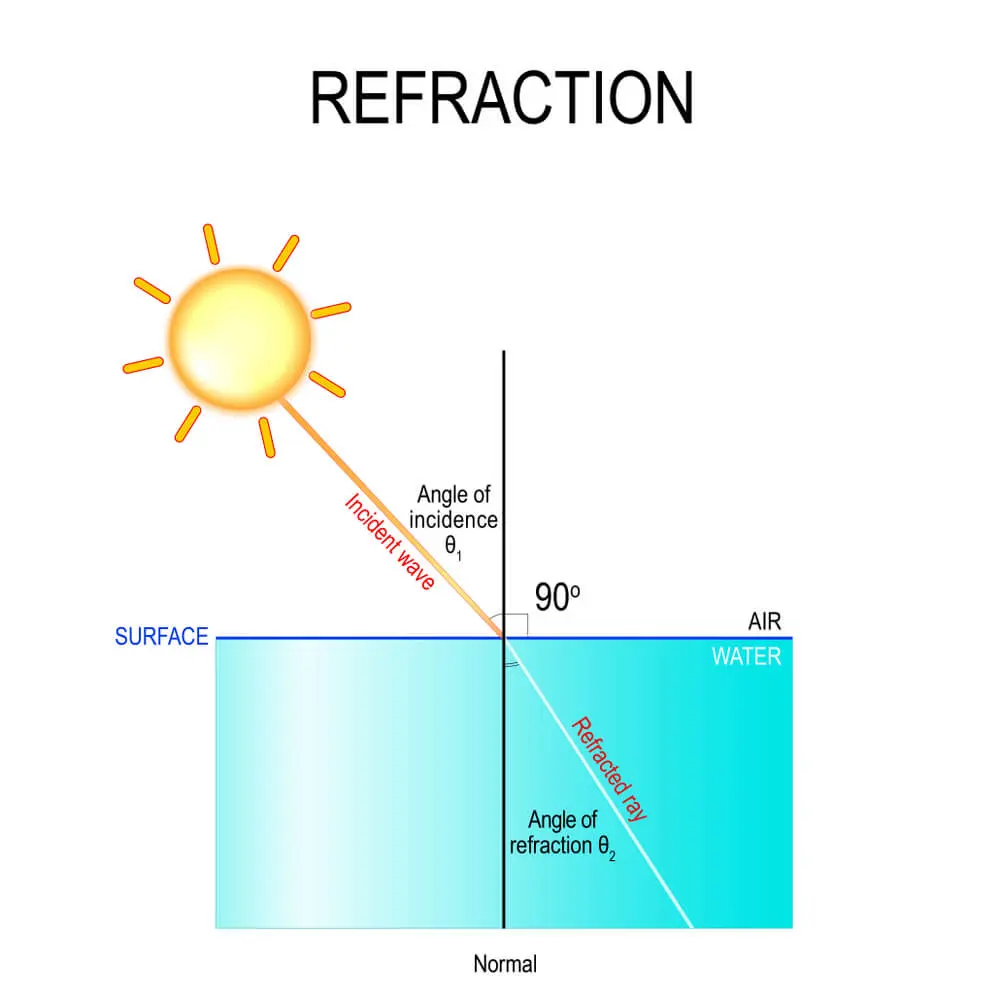
Refraction is the bending of a wave, such as light or sound, as it passes from one medium into another where its speed changes. This phenomenon occurs because the wave travels at different velocities in substances of varying densities, causing it to change direction at the boundary between the two materials.
On this page
Why does refraction happen?
Refraction occurs fundamentally because waves travel at different speeds through different materials. When light moves from a less dense medium, like air, into a denser medium, such as water or glass, it slows down. If the light enters the new medium at an angle, the side of the wavefront that hits the denser material first slows down before the rest of the wave. This speed differential forces the wave to pivot or bend toward the normal, an imaginary line perpendicular to the surface.
The degree of bending is determined by the refractive index of the materials involved. The refractive index is a dimensionless number that describes how fast light travels in a vacuum compared to a specific substance. For example, the refractive index of a vacuum is 1.0, while water is approximately 1.33 and diamond is about 2.42. The higher the index, the more the light is slowed and the more it refracts. This physical principle is the foundation for almost all optical technologies used in modern society today.
How do lenses use refraction?
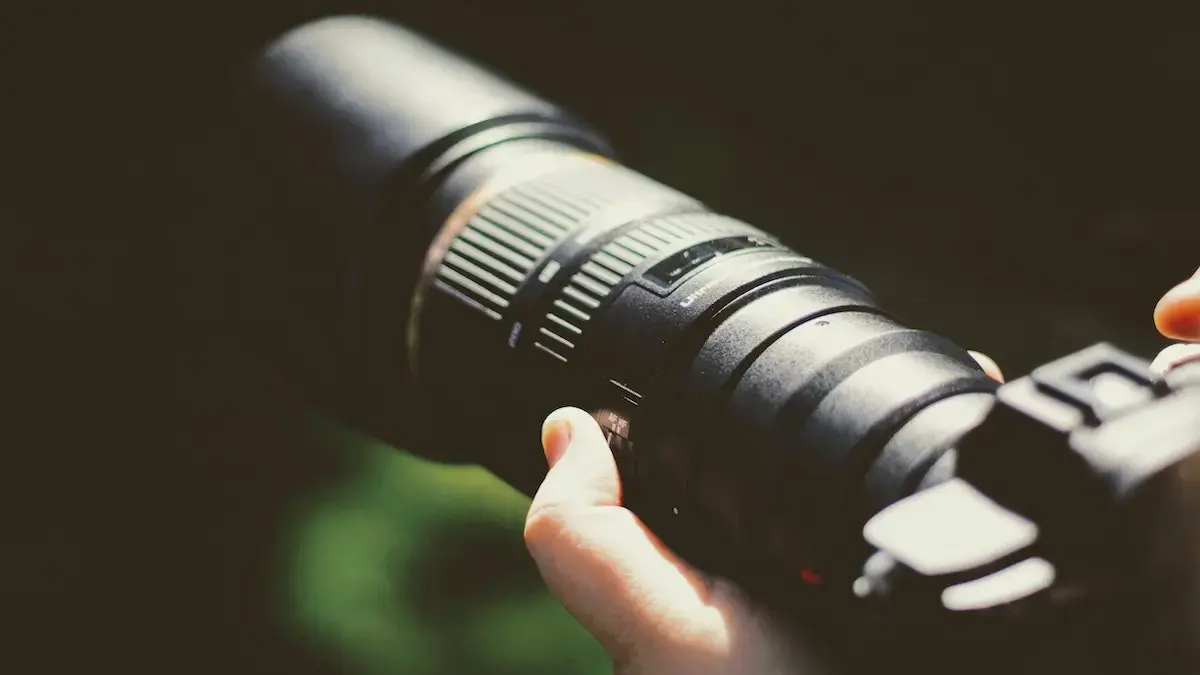
Lenses are precision-engineered tools designed to manipulate light through controlled refraction to form images. By shaping glass or plastic into specific curves, engineers can ensure that light rays entering the lens converge at a single focal point or diverge to expand a field of view. A convex lens, which is thicker in the middle, causes parallel light rays to bend inward and meet, which is essential for magnifying objects or focusing light onto a camera sensor.
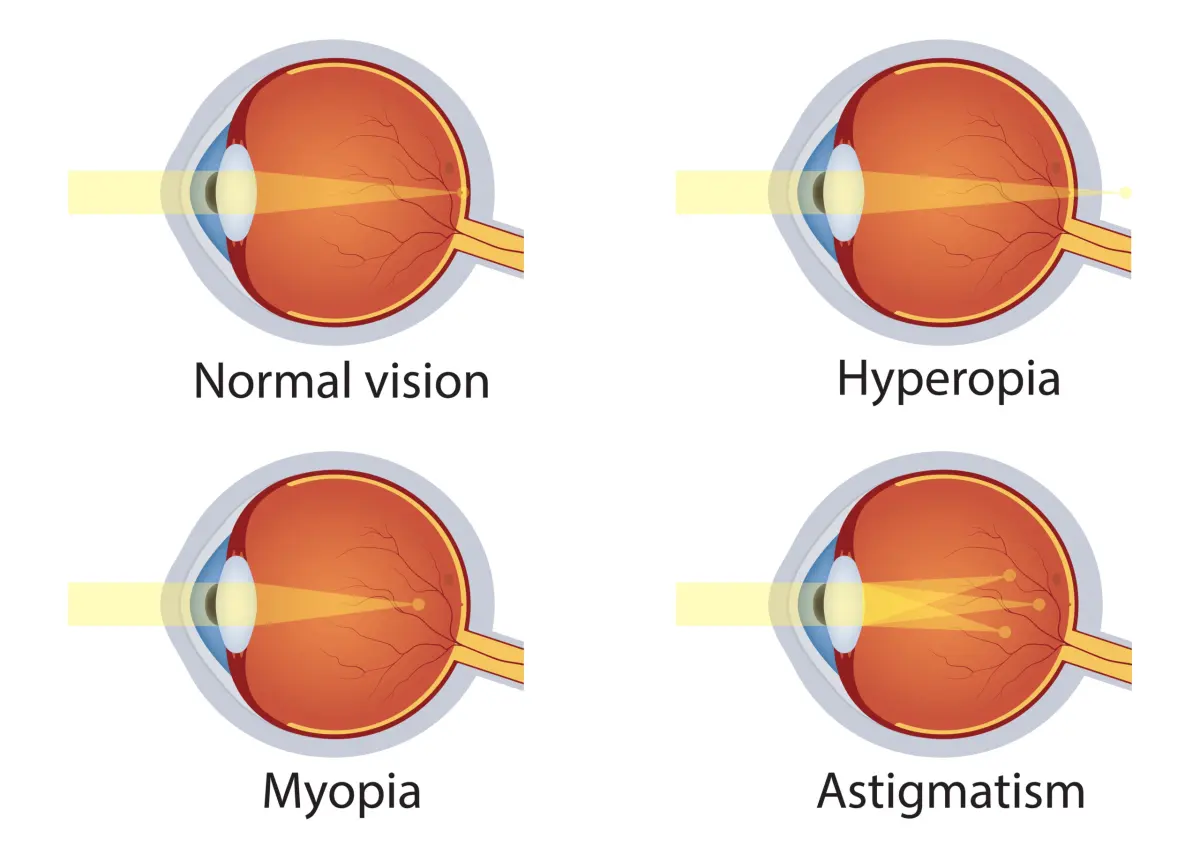
Conversely, a concave lens is thinner in the middle and causes light rays to spread apart. This is vital for correcting nearsightedness, where the eye’s natural lens focuses light in front of the retina rather than directly on it. To understand how these lenses function, consider these common applications:
- Eyeglasses and contact lenses for vision correction.
- Microscopes that use multiple lenses to magnify tiny biological structures.
- Telescopes that gather light from distant stars to bring them into focus.
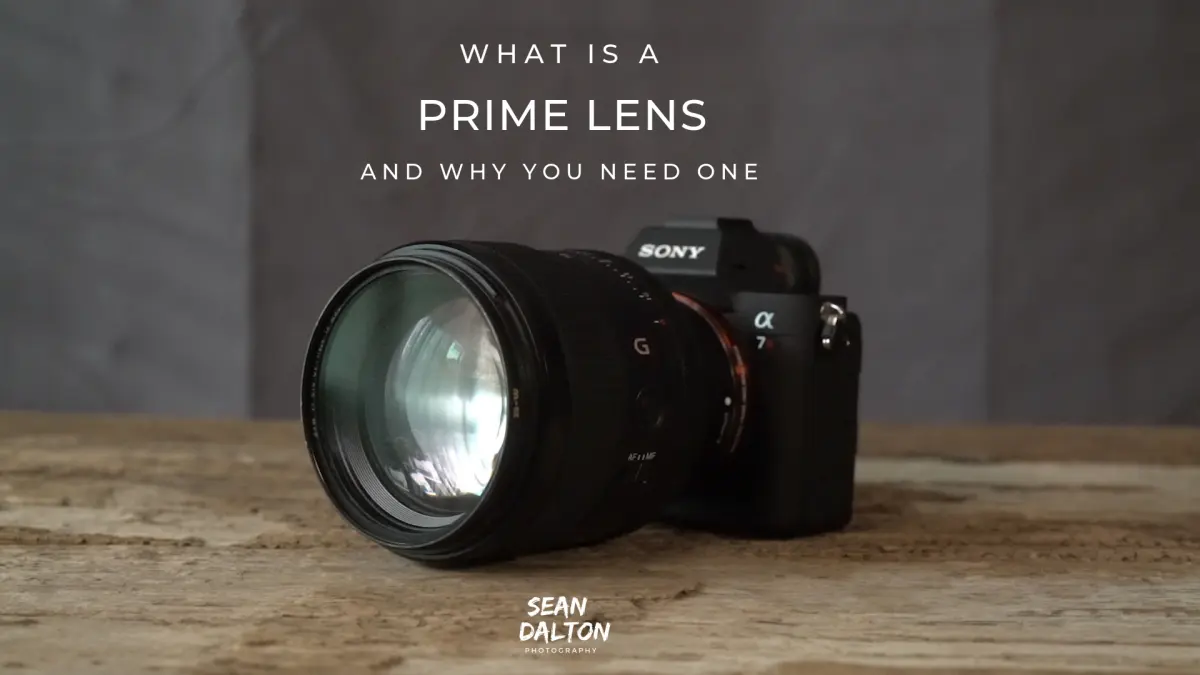
- Camera lenses that adjust focal length to capture sharp images of subjects at varying distances.
Where can you see refraction in nature?
Refraction is responsible for many of the most beautiful and common optical illusions observed in the natural world. One of the most famous examples is the rainbow, which occurs when sunlight enters raindrops. As light enters the water droplet, it refracts and separates into its constituent colors because each wavelength of light bends by a slightly different amount, a process known as dispersion. The light then reflects off the back of the droplet and refracts again as it exits, creating the spectrum of colors visible to the observer.
Another common occurrence is the "broken straw" effect seen when a straw is placed in a glass of water. Because light travels slower in water than in air, the light rays reflecting from the submerged part of the straw bend as they exit the water and enter the air. Your brain assumes light travels in a straight line, so it interprets these bent rays as originating from a different position, making the straw appear displaced or bent at the water's surface.
How to observe refraction at home
You can easily demonstrate the principles of refraction using simple household items to visualize how light paths are altered. To conduct a basic experiment, you will need a clear glass of water, a pencil, and a piece of paper with an arrow drawn on it. By placing the glass in front of the arrow and filling it with water, you can observe the arrow appearing to reverse direction. This happens because the cylindrical glass of water acts as a convex lens, refracting the light and flipping the image.
Follow these steps to observe the bending of light:
- Fill a clear, straight-sided glass with water until it is three-quarters full.
- Place a pencil into the glass at an angle and observe the point where it enters the water.
- Move your head to look at the glass from different angles to see how the apparent shift changes.
- Place a coin at the bottom of an empty bowl and step back until the coin is just hidden by the rim.
- Have someone slowly pour water into the bowl; the coin will appear to rise into view as the light refracts at the water-air interface.
Common mistakes when studying refraction
When learning about refraction, students often confuse it with reflection, which is the bouncing of light off a surface rather than passing through it. While both phenomena involve the interaction of light with boundaries, they are distinct physical processes. Another frequent error is assuming that light always bends toward the normal line. In reality, light bends toward the normal when entering a denser medium, but it bends away from the normal when moving from a denser medium into a thinner one, such as from glass back into air.
To avoid these common pitfalls, keep these tips in mind:
- Always draw a "normal" line perpendicular to the surface to track the angle of incidence and refraction accurately.
- Remember that the speed of light is constant in a vacuum but changes based on the density of the material it enters.
- Do not assume that all wavelengths of light refract at the exact same angle, as dispersion proves that color influences the degree of bending.
- Ensure that your experimental setups are stable, as even minor vibrations or uneven water surfaces can distort the refraction patterns you are attempting to observe.
Key facts
- Refraction is the bending of light as it passes from one transparent medium into another, such as from air into water.
- This phenomenon occurs because light travels at different speeds in different materials, slowing down when entering a denser substance.
- The degree of bending is determined by the material's refractive index; the higher the index, the more the light bends.
- A common example is a pencil appearing to break or bend when placed inside a glass of water.
- Snell’s Law, formulated by Willebrord Snellius in 1621, provides the mathematical formula to calculate the exact angle of refraction.
- To avoid errors when calculating refraction, ensure you measure the angle of incidence relative to the "normal," an imaginary line perpendicular to the surface.
The bottom line
Refraction is a fundamental principle of optics describing how light changes direction when moving between materials of varying densities. By understanding how light slows down and bends, scientists and engineers can design everything from life-saving medical lenses to high-speed fiber-optic communication cables. Mastering this concept allows us to manipulate light precisely, bridging the gap between how we perceive the world and the physical reality of light.
People also ask
Why does a straw look bent in a glass of water?
Light rays reflecting off the submerged part of the straw slow down and change direction as they exit the water into the air. Your brain traces these rays back in a straight line, making the straw appear displaced from its actual position.
How do corrective eyeglasses work?
Eyeglasses use lenses made of glass or plastic with specific curvatures to refract light before it enters your eye. This adjustment ensures that light rays focus precisely on the retina, correcting nearsightedness or farsightedness.
Do sound waves undergo refraction?
Yes, sound waves refract when they pass through layers of air with different temperatures or densities. This is why sounds often seem clearer or travel further across a lake at night when the air near the water is cooler.
What is the difference between reflection and refraction?
Reflection occurs when light bounces off a surface, like a mirror, while refraction occurs when light passes through a medium and changes speed. Reflection changes the direction of light, whereas refraction changes both the direction and the speed of the light.
How does a prism create a rainbow?
Prisms refract white light, but because different colors have different wavelengths, they bend at slightly different angles. This process, called dispersion, separates white light into its constituent colors: red, orange, yellow, green, blue, indigo, and violet.
Can refraction occur in a vacuum?
No, refraction requires a medium with a refractive index different from the one the light is currently traveling through. Since a vacuum is empty space, light travels at its maximum constant speed and cannot be bent by interaction with matter.
This answer was created with the help of AI research tools and reference sources. Spotted an error? Let us know — we correct mistakes quickly. See our editorial policy.