How long do horses live?
Short answer
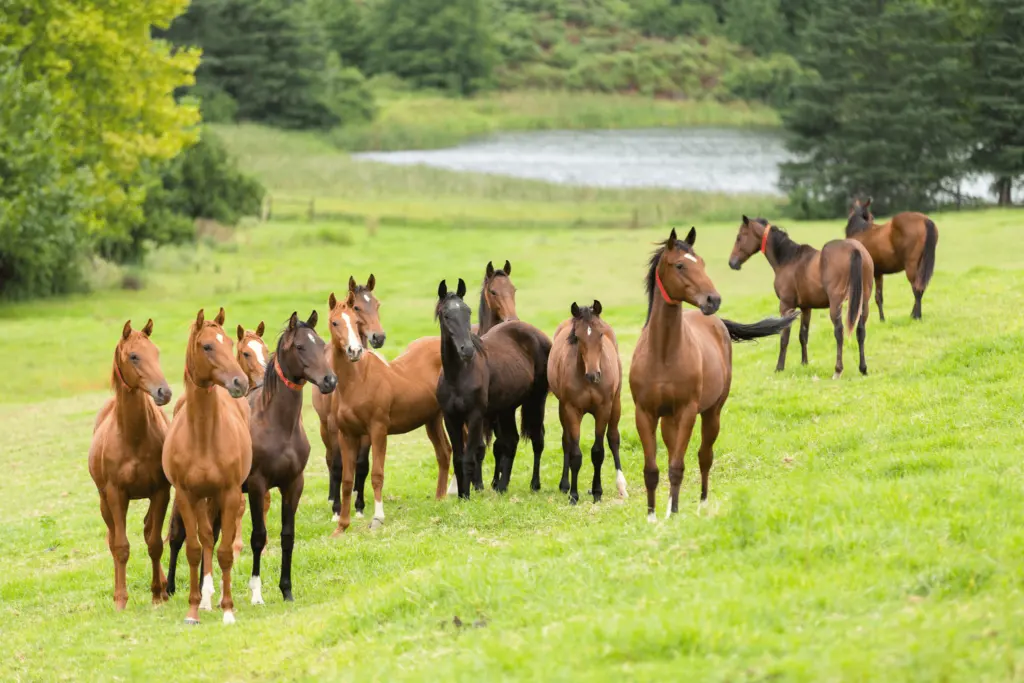
The average lifespan of a domestic horse typically ranges from 25 to 30 years. While many horses live into their late twenties with proper care, some individuals reach their mid-thirties or beyond. Factors such as breed, genetics, nutrition, and the quality of veterinary care significantly influence how long a horse lives.

On this page
How long do horses live on average?
Most domestic horses live between 25 and 30 years, though advancements in equine medicine and nutrition have increased the number of horses reaching their thirties. A horse is generally considered a senior once it passes the age of 15 to 20. While ponies often live longer than larger horse breeds—sometimes reaching their late thirties or early forties—the specific lifespan of an individual animal depends heavily on its history of work, environmental conditions, and genetic predispositions.
The aging process in horses is comparable to that of humans in terms of physiological decline, though it happens at a much faster rate. A 20-year-old horse is roughly equivalent to a 60-year-old human. Owners should anticipate that as their equine companions cross the 20-year threshold, they will require more specialized attention. Monitoring weight, dental health, and mobility becomes increasingly critical to ensuring the animal maintains a high quality of life during its final decade.
What factors affect horse lifespan?
Several variables determine whether a horse will live a shorter or longer life. Genetics play a foundational role, as some bloodlines are known for longevity, while others may be predisposed to specific health issues. Environmental factors, such as the quality of pasture, the presence of shelter, and the climate, also dictate the physical stress placed on the horse's body over time.
- Nutrition: Providing a balanced diet tailored to the horse's age and activity level prevents metabolic disorders.
- Dental Care: Regular floating of teeth ensures the horse can properly chew and digest its food.
- Parasite Control: Consistent deworming schedules protect the digestive tract from permanent damage.
- Exercise: Moderate, consistent movement keeps joints lubricated and muscles toned, preventing stiffness.
- Veterinary Oversight: Annual wellness exams allow for the early detection of chronic conditions like Cushing's disease.
How to care for a senior horse?
Caring for an aging horse requires a transition from performance-based management to maintenance-based care. As horses age, their ability to process nutrients decreases, often necessitating a change in feed. Senior-specific feeds are formulated to be easier to chew and digest, often containing higher levels of fiber and protein to compensate for reduced metabolic efficiency.
Beyond diet, senior horses often suffer from arthritis or other joint-related issues. Providing a comfortable, dry environment is essential for managing chronic pain. Owners should ensure that the horse has access to a soft, level surface for resting and that the shelter is free from drafts. Regular, light exercise is also vital; keeping a senior horse moving helps prevent the "locking up" of joints and promotes healthy circulation throughout the body.
Common mistakes when managing older horses?
One of the most frequent errors owners make is assuming a horse is "fine" simply because it still looks healthy on the outside. Dental issues are often hidden until a horse begins to lose weight or drop partially chewed food, known as "quidding." By the time these symptoms appear, the horse may have been suffering from significant discomfort for months. Ignoring the importance of biannual dental checks is a major oversight that can lead to rapid weight loss.
Another common mistake is over-supplementing without veterinary guidance. Many owners provide various joint supplements or herbal remedies without confirming a diagnosis, which can be an unnecessary expense or, in some cases, harmful. Always consult a veterinarian before adding significant supplements to a senior horse's diet. Finally, failing to adjust the horse's workload is a mistake; pushing an older horse to perform at the same intensity as a younger one can cause permanent joint damage and undue physical exhaustion.
Why do some horses live longer than others?
The record for the longest-lived horse is held by a 19th-century English horse named Old Billy, who reportedly lived to the age of 62. While such longevity is an extreme outlier, it highlights the potential for horses to live significantly longer than the average under ideal circumstances. Factors like low-stress environments, consistent companionship, and the absence of injury contribute to these exceptional cases.
- Low-stress environments: Horses that live in stable social groups with minimal disruption tend to have lower cortisol levels.
- Consistent companionship: Horses are herd animals, and the presence of a steady companion reduces anxiety and promotes better health.
- Early intervention: Owners who treat minor injuries or illnesses immediately prevent the development of long-term chronic conditions.
- Proper hoof care: Regular farrier visits prevent lameness, which is a leading cause of euthanasia in older horses.
- Genetic resilience: Some horses simply possess a robust constitution that resists common age-related diseases.
By focusing on these preventative measures, owners can significantly improve the chances that their horses will enjoy a long, comfortable, and healthy life well into their senior years.
Key facts
- The average lifespan of a domestic horse is between 25 and 30 years.
- Smaller breeds, such as ponies, often live longer than larger draft horses, sometimes reaching their late 30s.
- Proper dental care is essential, as worn teeth can prevent a horse from chewing food properly, leading to malnutrition.
- Regular vaccinations and deworming protocols significantly reduce the risk of life-shortening infectious diseases.
- A balanced diet tailored to the horse's age and activity level prevents obesity, a major contributor to metabolic issues like laminitis.
- Providing consistent, clean water and adequate shelter protects horses from environmental stress that can weaken their immune systems.
The bottom line
While the average horse lives between 25 and 30 years, individual longevity depends heavily on proactive management. By prioritizing consistent dental checkups, balanced nutrition, and preventative veterinary care, owners can significantly improve their horse’s quality of life. Understanding that senior care begins around age 15 allows for early intervention, ensuring that these animals remain healthy, comfortable, and active well into their later years of life.
People also ask
How can I tell how old a horse is by its teeth?
Veterinarians examine the shape, angle, and wear patterns of the incisors to estimate age. As horses mature, their teeth change shape from oval to triangular and develop specific grooves, though this method becomes less precise after age 15.
Do wild horses live as long as domestic ones?
Wild horses generally have shorter lifespans, often averaging 15 to 20 years. They face harsher environmental conditions, lack routine veterinary care, and are more vulnerable to predators and food shortages.
What is the oldest recorded age for a horse?
The oldest verified horse was a barge horse named Old Billy, who lived in England and died in 1822 at the age of 62. While rare, this case highlights the potential for longevity with exceptional care and genetics.
Does exercise help a horse live longer?
Regular, moderate exercise helps maintain joint health, muscle tone, and cardiovascular function in horses. However, overworking a horse or training it too intensely at a young age can lead to premature joint degradation.
When is a horse considered a senior?
Most equine professionals classify a horse as a senior once it reaches 15 to 20 years of age. At this stage, horses often require specialized senior feeds and more frequent health monitoring to manage age-related conditions.
What are the most common causes of death in older horses?
Colic, a severe abdominal pain often caused by digestive blockages, is the leading cause of death in horses. Other common factors include complications from arthritis, dental failure, and pituitary pars intermedia dysfunction, also known as Cushing’s disease.
This answer was created with the help of AI research tools and reference sources. Spotted an error? Let us know — we correct mistakes quickly. See our editorial policy.