How long do moths live?
Short answer
Most adult moths live between one and two weeks, though lifespans vary significantly by species. While some adult moths survive for only a few days because they lack functional mouthparts, others, like the mourning cloak moth, can live for several months by entering a state of dormancy during the winter.
On this page
How long do moths live on average?
The lifespan of a moth is primarily determined by its species and its specific life stage. The vast majority of a moth’s life is spent in the larval stage, or as a caterpillar, which can last anywhere from a few weeks to several years depending on environmental conditions and food availability. Once the insect undergoes metamorphosis and emerges as an adult, its primary biological objective is reproduction.
Because many adult moths do not feed, their time as winged insects is strictly limited by their stored energy reserves. Smaller species often perish within a week, while larger, more robust moths may survive for up to a month. Factors that influence these timelines include:
- Ambient temperature and humidity levels.
- The availability of suitable mates in the immediate vicinity.
- Exposure to natural predators such as birds, bats, and spiders.
- The presence of artificial light sources that disrupt natural activity cycles.
Why do some moths die so quickly?
The short lifespan of many adult moths is a direct result of their specialized anatomy. Many species, including the well-known Luna moth, emerge from their cocoons without functional mouthparts or a digestive system. These insects cannot consume liquid nectar or water, meaning they must rely entirely on the fat reserves they accumulated while they were caterpillars.
Once these energy stores are depleted, the moth naturally reaches the end of its life cycle. This evolutionary trade-off allows the insect to focus all its remaining energy on finding a mate and, in the case of females, laying eggs. Because they do not spend time foraging for food, they can dedicate their brief existence to ensuring the survival of the next generation. This efficiency is a hallmark of many lepidopteran species that prioritize rapid reproduction over individual longevity.
How do environmental factors affect lifespan?
External conditions play a critical role in determining whether a moth reaches its maximum potential lifespan. Cold weather typically slows down a moth’s metabolism, which can extend the duration of its life if it enters a state of diapause, a form of insect hibernation. Conversely, extreme heat can accelerate metabolic processes, causing the moth to burn through its energy reserves much faster than it would in moderate temperatures.
Habitat quality also dictates survival rates. Moths living in environments with high levels of chemical pesticides or habitat fragmentation often have significantly shorter lifespans. To support local moth populations, you can implement the following practices:
- Reduce the use of outdoor lighting at night to prevent exhaustion.
- Provide native host plants that caterpillars require for development.
- Eliminate the use of broad-spectrum insecticides in your garden.
- Leave leaf litter and woody debris in place to provide shelter.
How to identify the stage of a moth’s life
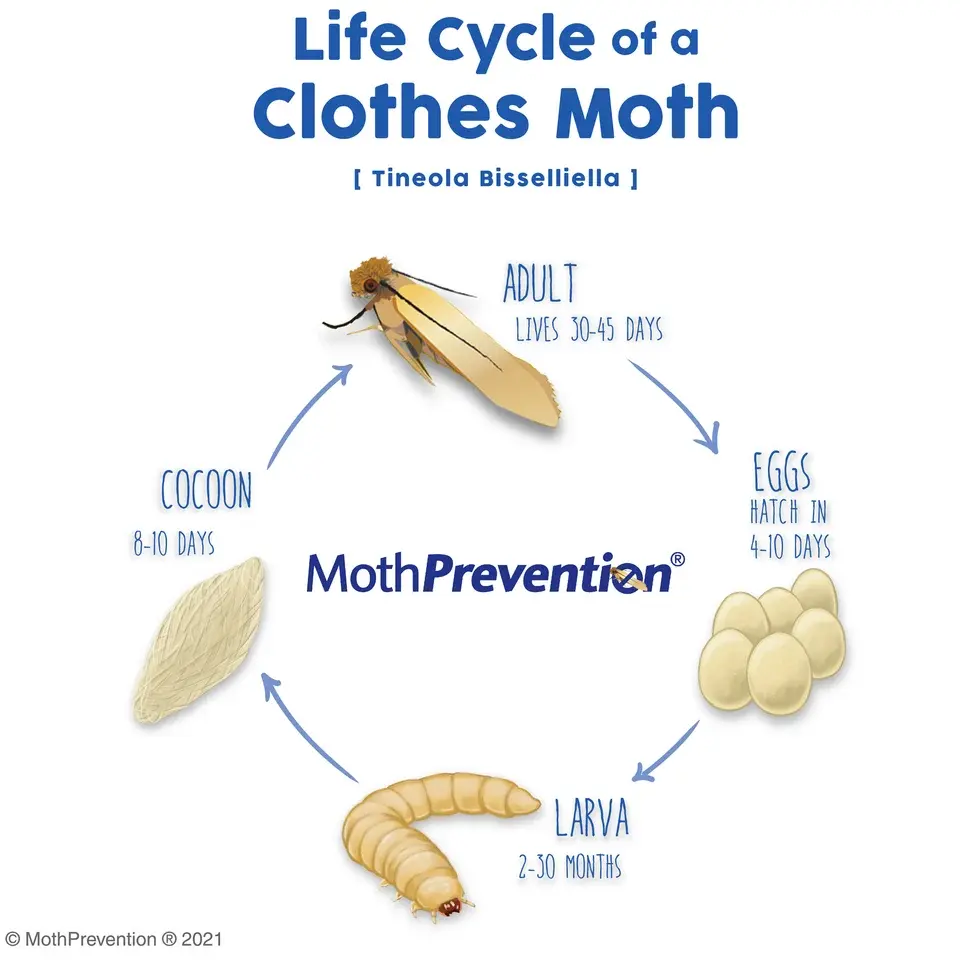
Distinguishing between the different life stages of a moth is essential for understanding its current needs and expected remaining lifespan. The life cycle consists of four distinct phases: egg, larva, pupa, and adult. If you find a caterpillar, it is in a phase of rapid growth and will likely spend several weeks feeding before it spins a cocoon or burrows into the soil to pupate.
The pupal stage is often the most mysterious, as the insect is encased and undergoing a complete physical transformation. Depending on the species, a moth may remain in the pupal stage for a few weeks or remain dormant throughout an entire winter. Once the adult moth emerges, it is fully grown and will not increase in size. If you observe a moth that appears sluggish or is resting on a wall for multiple days, it may be nearing the end of its natural life cycle.
Common mistakes when observing moths
A frequent error enthusiasts make is assuming that all moths are pests that need to be removed from the home. While species like the clothes moth can damage fabrics, the vast majority of moth species are harmless and play vital roles as pollinators and food sources for other wildlife. Attempting to feed an adult moth is another common mistake; because most adults cannot eat, providing sugar water or fruit often leads to messiness rather than nourishment.
When attempting to photograph or study moths, avoid using high-intensity flashes, as this can disorient the insects and cause them to fly into obstacles. Instead, use low-light techniques or observe them during their natural active hours. Remember that these insects are fragile; handling them can easily damage their delicate wing scales, which are essential for flight and thermoregulation. By observing them from a respectful distance, you can appreciate their brief but essential role in the ecosystem without interfering with their natural behaviors or shortening their already limited time in the adult stage.
Key facts
- Most adult moths live for only one to two weeks, as their primary goal is reproduction rather than feeding.
- Some species, such as the clothes moth, possess no functional mouthparts and survive solely on energy stored during their larval stage.
- Certain moths, like the mourning cloak, can hibernate as adults and survive for up to 10 months in temperate climates.
- Lifecycle duration varies drastically by species, ranging from a few days for some micro-moths to several years for those in harsh environments.
- To prevent fabric damage, store seasonal clothing in airtight containers, as it is the larvae—not the adults—that consume natural fibers.
- Avoid using bright outdoor lights at night if you wish to reduce moth activity near your home, as many species are naturally attracted to artificial light.
The bottom line
While the lifespan of an adult moth is typically brief, often lasting only a few days to a couple of weeks, their biological impact is significant. Because most adult moths focus exclusively on mating, their survival depends entirely on the energy reserves gathered during their larval phase. Understanding these short cycles helps clarify why moths are such persistent, yet fleeting, visitors in our natural environment.
People also ask
Do all moths eat clothes?
Only a small fraction of moth species, such as the webbing clothes moth and the casemaking clothes moth, feed on fabrics. Most adult moths consume nectar or nothing at all, while their larvae feed on specific plants or organic debris.
Why are moths attracted to lights?
Scientists believe moths use celestial navigation to fly in straight lines, and artificial lights confuse this internal compass. This phenomenon, known as transverse orientation, causes them to circle light sources repeatedly until they become exhausted.
How can I tell the difference between a moth and a butterfly?
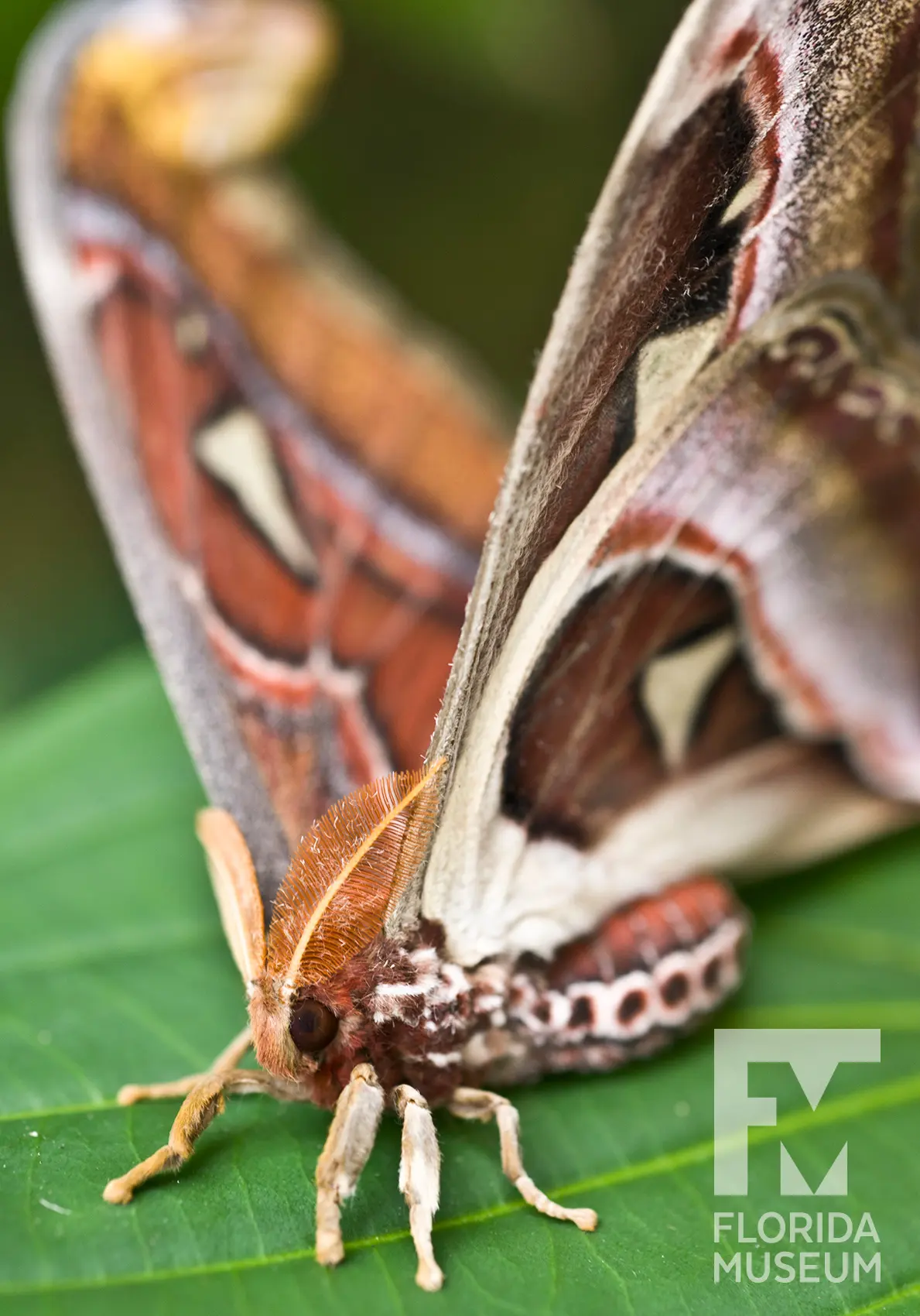
Moths typically have feathery or saw-edged antennae, whereas butterflies have thin, club-tipped antennae. Additionally, moths usually rest with their wings spread flat or tented over their bodies, while butterflies often fold their wings vertically.
Are moths dangerous to humans?
Most moths are completely harmless to humans and do not bite or sting. A few species, such as the puss moth caterpillar, have venomous spines that can cause painful skin irritation if touched.
How long does a moth stay in the cocoon?
The duration of the pupal stage depends on the species and environmental temperature. Some moths emerge within a few weeks, while others remain in their cocoons for several months to survive winter.
Do moths serve a purpose in the ecosystem?
Moths are vital pollinators for many night-blooming flowers that other insects miss. They also serve as a primary food source for bats, birds, spiders, and small mammals, playing a critical role in the food web.
This answer was created with the help of AI research tools and reference sources. Spotted an error? Let us know — we correct mistakes quickly. See our editorial policy.