Is Pacific Rim National Park worth visiting?
Short answer
Pacific Rim National Park Reserve is absolutely worth visiting for travelers seeking rugged coastal beauty and temperate rainforests. Located on Vancouver Island, it offers world-class surfing, expansive sandy beaches, and ancient old-growth forests. Whether you prefer challenging wilderness hikes or relaxing by the Pacific Ocean, the park provides an unforgettable, immersive nature experience.
On this page
What is there to do in Pacific Rim National Park?
Pacific Rim National Park Reserve is divided into three distinct units: Long Beach, the Broken Group Islands, and the West Coast Trail. Long Beach is the most accessible area, featuring 16 kilometers of sandy shoreline perfect for beachcombing, storm watching, and surfing. The Broken Group Islands comprise over 100 islands and islets, making it a premier destination for sea kayaking and marine wildlife viewing.
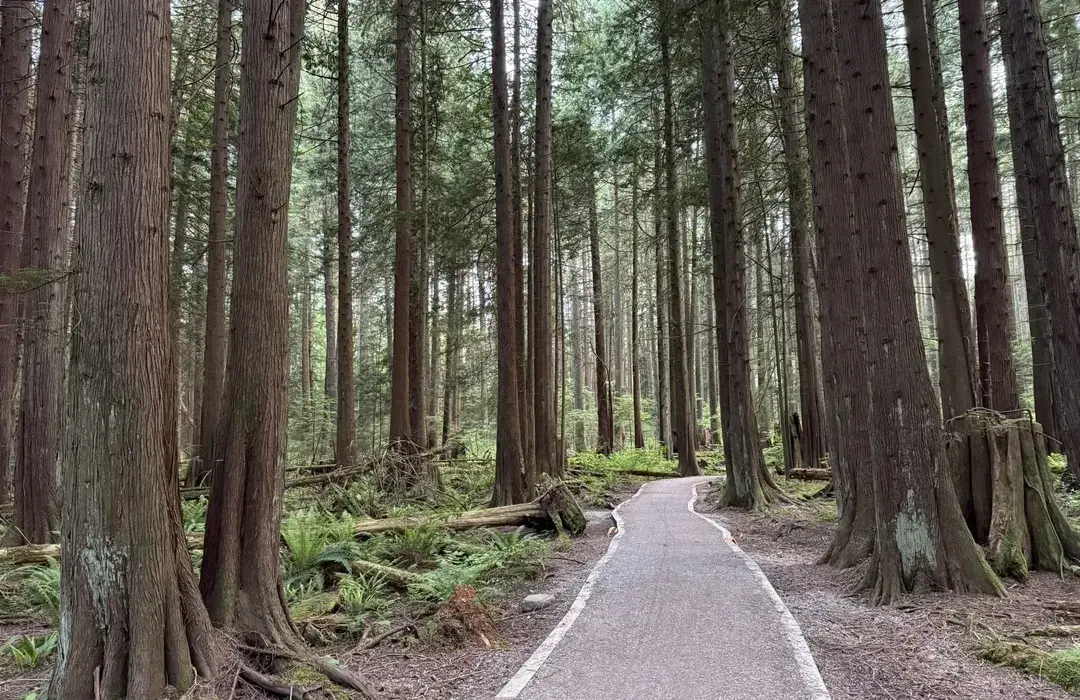
The West Coast Trail is a legendary 75-kilometer backpacking route that challenges even experienced hikers. Beyond these major units, visitors can explore the lush rainforests via boardwalk trails like the Rainforest Trail, which features massive western red cedars and hemlocks. Wildlife enthusiasts frequently spot gray whales during their spring migration, as well as black bears foraging along the shoreline during low tide.
How long does it take to explore the park?
While a day trip allows for a brief visit to Long Beach and the nearby town of Tofino, three to four days is the recommended minimum for a meaningful experience. This timeframe allows you to hike the shorter trails, take a surf lesson, and potentially book a boat tour to the Broken Group Islands. Attempting to see everything in a single day often leads to rushing and missing the park’s tranquil essence.
If you plan to hike the West Coast Trail, you must budget five to seven days for the trek alone. Because the terrain is rugged and weather conditions can change rapidly, it is essential to build in buffer days for your itinerary. Proper planning ensures you can adapt to the coastal environment without feeling pressured to complete your journey under unsafe conditions.
Best time of year to visit
The park experiences distinct seasons, each offering a different atmosphere for travelers. Summer, from July to September, provides the most consistent sunshine and warmer water temperatures, making it ideal for swimming and kayaking. However, this is also the peak tourist season, meaning campgrounds and accommodations in Tofino and Ucluelet fill up months in advance.
Winter, from November to March, is famous for dramatic "storm watching" as massive Pacific swells hit the coastline. If you visit during this time, you will experience fewer crowds and lower prices, but you must be prepared for heavy rain and wind. Spring and fall act as transition periods, offering a balance of mild weather and fewer visitors.
- Summer: Best for surfing, kayaking, and hiking.
- Winter: Best for storm watching and cozy cabin stays.
- Spring: Best for whale watching and viewing migratory birds.
- Fall: Best for quiet beach walks and salmon runs.
Common mistakes when visiting Pacific Rim
One frequent error is failing to secure camping reservations well ahead of the season. The Green Point Campground is the only drive-in facility within the park, and spots often book up within minutes of becoming available online. Another mistake is underestimating the power of the Pacific Ocean; rip currents are common, and the water temperature remains cold year-round, requiring wetsuits for most water activities.
Visitors also often neglect to check the tide charts before heading out to explore remote beaches. Getting stranded by an incoming tide is a genuine risk in areas like the West Coast Trail or the more secluded coves of Long Beach. Always carry a physical tide table and a map, as cellular service is unreliable or non-existent in many parts of the park.
How to prepare for your trip
Preparation is the key to a safe and enjoyable visit to this remote coastal environment. Follow these steps to ensure you are ready for the elements:
- Reserve your campsite or accommodation at least four to six months in advance.
- Purchase a Parks Canada Discovery Pass or a daily entry permit online before arrival.
- Pack high-quality rain gear and waterproof hiking boots, regardless of the season.
- Check the Parks Canada website for trail closures and wildlife advisories, such as bear or cougar sightings.
- Bring a bear-resistant food container if you are planning to camp in the backcountry.
By following these guidelines, you can navigate the park’s unique challenges while focusing on the stunning scenery. Remember that the Pacific Rim is a protected ecosystem, so always practice "Leave No Trace" principles by packing out all trash and staying on marked trails to protect the fragile rainforest vegetation.
Key facts
- Pacific Rim National Park Reserve covers 511 square kilometers on the west coast of Vancouver Island.
- The park is divided into three distinct regions: Long Beach, the Broken Group Islands, and the West Coast Trail.
- Long Beach is the most accessible area, featuring 16 kilometers of sandy shoreline perfect for surfing and beachcombing.
- The West Coast Trail is a 75-kilometer trek that requires a reservation months in advance due to high demand.
- Storm watching is a major winter attraction, as the region experiences powerful Pacific swells from November to February.
- Visitors must purchase a Parks Canada Discovery Pass or a daily entry permit to access park facilities and trails.
The bottom line
Pacific Rim National Park is an essential destination for travelers seeking rugged coastal beauty and outdoor adventure. Whether you are surfing the waves at Long Beach, paddling through the Broken Group Islands, or challenging yourself on the West Coast Trail, the park offers a unique immersion into Canada’s wild Pacific landscape. Proper planning and respect for the unpredictable weather are the keys to a successful visit.
People also ask
What is the best time of year to visit Pacific Rim National Park?
Summer offers the warmest weather and driest conditions for hiking and beach activities. If you prefer solitude and dramatic weather, visit between November and February for world-class storm watching.
Do I need a reservation to enter the park?
You do not need a reservation for general park access, but you must pay an entry fee. However, reservations are mandatory for the West Coast Trail and highly recommended for campsites during peak season.
Is the park accessible for families with young children?
Yes, Long Beach and the Willowbrae Trail offer manageable terrain for families. Always check tide charts before heading out to ensure you do not get stranded by rising water levels.
What wildlife can I expect to see in the park?
The area is home to black bears, cougars, and wolves, so keep a safe distance and store food securely. Marine life is also abundant, with gray whales often spotted migrating along the coast in the spring.
Can I bring my dog into the park?
Dogs are permitted in most areas but must be kept on a leash at all times to protect local wildlife. They are strictly prohibited on certain sensitive ecological beaches, so check signage upon arrival.
What should I pack for a trip to the park?
Always pack high-quality rain gear and waterproof hiking boots, as the region is part of a temperate rainforest. Even in summer, temperatures can drop quickly, so bring layers to stay comfortable.
This answer was created with the help of AI research tools and reference sources. Spotted an error? Let us know — we correct mistakes quickly. See our editorial policy.