Are rattlesnakes dangerous to humans?
Short answer
Rattlesnakes are venomous reptiles capable of inflicting dangerous, life-threatening bites on humans. While they are not inherently aggressive and usually prefer to avoid confrontation, their hemotoxic venom can cause severe tissue damage and systemic complications. With prompt medical treatment, most human bite victims recover fully, but untreated bites remain a serious medical emergency.
On this page
Are rattlesnakes aggressive toward humans?
Rattlesnakes are generally shy, reclusive animals that use their signature rattle as a defensive warning system rather than an offensive weapon. They typically strike only when they feel threatened, cornered, or surprised by a human presence. Most encounters occur because a person accidentally steps on or near a snake that is camouflaged against the terrain.
Because these snakes rely on crypsis, or camouflage, they often remain perfectly still to avoid detection. This behavior is frequently misinterpreted as aggression, but it is actually a survival strategy. If a person continues to approach, the snake will vibrate its tail to produce a buzzing sound. This is a clear signal to back away immediately. By maintaining a respectful distance, you can almost always avoid a defensive strike.
How to identify a dangerous rattlesnake
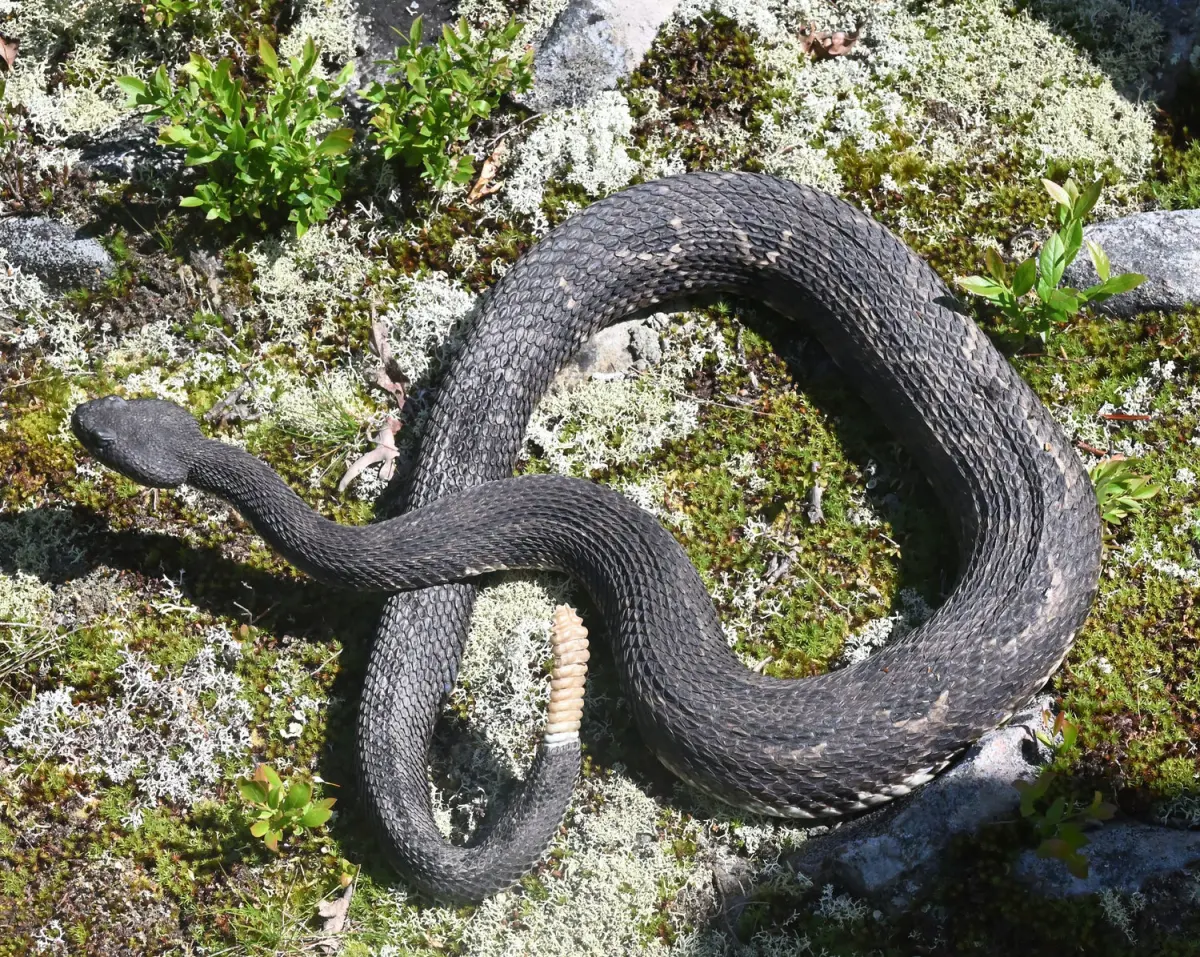
All rattlesnakes belong to the viper family and possess distinct physical characteristics that help distinguish them from non-venomous species. The most obvious feature is the rattle at the end of the tail, composed of interlocking keratin segments. However, newborn rattlesnakes may only have a small "button" and might not produce a loud sound, so relying solely on the noise is not foolproof.
Other key identifiers include:
- A triangular or spade-shaped head that is significantly wider than the neck.
- Vertical, elliptical pupils, often described as cat-like eyes.
- Thick, heavy bodies covered in keeled, rough scales.
- Heat-sensing pits located between the eye and the nostril on each side of the head.
While some non-venomous snakes mimic these traits, such as the gopher snake, the presence of these features should always be treated as a warning to keep your distance.
What to do if bitten by a rattlesnake
If you or someone else is bitten, the situation is a medical emergency that requires immediate professional intervention. Do not waste time attempting to treat the wound in the field, as the most effective remedy is antivenom administered in a hospital setting. Focus entirely on getting to the nearest emergency room safely and quickly.
Follow these steps to manage the situation until professional help arrives:
- Move away from the snake to prevent a second bite.
- Call emergency services immediately to alert the hospital of your arrival.
- Remove restrictive items such as rings, watches, or tight clothing near the bite site, as swelling will occur rapidly.
- Keep the affected limb at or slightly below the level of the heart.
- Remain as calm as possible to keep your heart rate down and slow the spread of venom.

Common mistakes when treating snakebites
Many traditional home remedies for snakebites are not only ineffective but can actively cause further harm to the victim. One of the most dangerous myths is the use of a tourniquet, which traps the concentrated venom in a localized area and can lead to severe tissue necrosis or the need for amputation. Similarly, cutting the wound or attempting to suck out the venom is ineffective and increases the risk of secondary infection.
Avoid these common errors:
- Do not apply ice or cold packs, as this can worsen localized tissue damage.
- Do not consume alcohol or caffeine, which can increase your heart rate and speed up venom absorption.
- Do not attempt to capture or kill the snake, as this puts you at risk of additional bites.
- Do not rely on "snake bite kits" sold in stores, as these are medically discredited and often cause more trauma to the skin.
How to prevent rattlesnake encounters
The best way to stay safe is to avoid potential contact through situational awareness and proper safety gear. Rattlesnakes are most active during the warmer months, particularly in the early morning and late evening when they hunt. When hiking or working in areas known to harbor snakes, stick to well-cleared trails where you can see where you are placing your feet.
Practical prevention strategies include:
- Wear sturdy, high-topped leather boots and long, loose-fitting trousers to provide a physical barrier.
- Use a walking stick to probe tall grass or rocky crevices before stepping into them.
- Keep pets on a short leash, as they are frequently bitten when investigating snake hiding spots.
- Avoid placing your hands or feet in areas you cannot see, such as under logs or inside rock piles.
- If you encounter a snake on a trail, stop, back away slowly, and give it a wide berth until it moves away on its own.
Key facts
- Rattlesnakes are venomous pit vipers found primarily in the Americas, recognizable by the rattle at the end of their tails.
- Most bites occur when a human accidentally steps on or reaches near a snake that is trying to remain camouflaged.
- If bitten, seek emergency medical care immediately; do not attempt to cut the wound, suck out venom, or apply a tourniquet.
- Rattlesnakes have a heat-sensing organ between their eyes and nostrils, allowing them to strike accurately in total darkness.
- Wearing thick leather boots and long pants while hiking in snake country significantly reduces the risk of serious injury.
- Not all rattlesnake bites result in venom injection; "dry bites," where no venom is released, occur in roughly 20 to 25 percent of incidents.
The bottom line
While rattlesnakes possess potent venom capable of causing serious harm, they are generally shy creatures that prefer to avoid human contact. By maintaining situational awareness, wearing protective clothing, and keeping a respectful distance, you can safely coexist with them in their natural habitat. If a bite occurs, prioritize professional medical intervention over home remedies, as timely antivenom treatment remains the only effective way to prevent severe complications.
People also ask
How can I tell if a snake is a rattlesnake?
Rattlesnakes typically have a triangular-shaped head, a heavy body, and a rattle composed of interlocking keratin segments. They also possess vertical, cat-like pupils and heat-sensing pits on their faces.
What should I do if I see a rattlesnake on a trail?
Remain calm and slowly back away to a distance of at least six feet. Do not try to move, provoke, or kill the snake, as most bites happen when people attempt to handle them.
Are all rattlesnake bites fatal?
No, fatalities are extremely rare in the United States due to the widespread availability of antivenom. Most victims recover fully with prompt hospital treatment, though some may experience lingering tissue damage.
Do rattlesnakes always rattle before they strike?
No, rattlesnakes do not always warn before striking. They may remain silent if they feel threatened or if they are surprised, so relying solely on the sound of a rattle is dangerous.
Can a dead rattlesnake still bite?
Yes, a rattlesnake can still deliver a venomous bite for up to an hour after death due to involuntary muscle reflexes. Never touch a snake even if it appears to be dead.
Does the size of the snake determine the danger level?
While larger snakes can inject more venom, younger rattlesnakes are often considered more dangerous because they may not yet have learned to control the amount of venom they release.
This answer was created with the help of AI research tools and reference sources. Spotted an error? Let us know — we correct mistakes quickly. See our editorial policy.