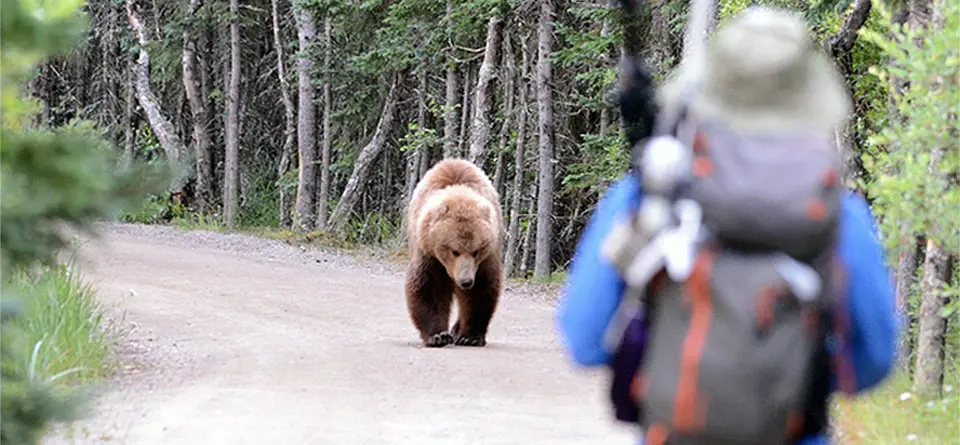
Are bears dangerous to humans?
Short answer
Bears are wild animals and can be dangerous to humans, though unprovoked attacks are statistically rare. Most encounters occur when bears are surprised, defending cubs, or seeking food. While they possess the strength to cause severe injury, understanding bear behavior and practicing proper safety protocols significantly reduces the risk of conflict.

On this page
Are bears naturally aggressive toward humans?
Bears are generally reclusive animals that prefer to avoid humans rather than confront them. Aggression is almost always defensive, triggered when a bear feels threatened, cornered, or protective of its young. Unlike some predators that hunt humans as prey, bears usually view people as a source of stress or a potential threat to be neutralized or avoided.
Most interactions end with the bear retreating into the woods long before a hiker even realizes it was nearby. However, habituation—where bears lose their natural fear of humans due to easy access to food—can change this dynamic. When bears associate human presence with garbage or human food, they become bolder and more likely to exhibit dangerous, assertive behaviors that increase the risk of an encounter.
How to avoid bear encounters in the wild
Prevention is the most effective strategy for staying safe in bear country. By managing your scent and making your presence known, you remove the element of surprise that often leads to defensive attacks.
- Make noise by talking, singing, or clapping, especially near rushing water or in dense brush where a bear might not hear you approaching.
- Carry bear spray in an accessible holster on your body, not inside your backpack, and ensure you know how to deploy it quickly.
- Keep a clean campsite by storing all food, scented toiletries, and trash in bear-resistant containers or hanging them at least 10 feet high and 4 feet out from a tree trunk.
- Hike in groups, as larger parties are noisier and less likely to be approached by a bear than solo hikers.
What to do if you encounter a bear
If you spot a bear, your primary goal is to remain calm and convince the animal that you are not a threat. Do not run, as this can trigger a predatory chase instinct in the bear. Instead, identify yourself as a human by speaking in a calm, firm, and low-pitched voice while slowly backing away.
- Keep your eyes on the bear, but avoid direct, prolonged eye contact, which the animal may perceive as a challenge or an act of aggression.
- If the bear is stationary, move away slowly in a sideways direction, which allows you to keep an eye on the animal while avoiding tripping.
- If the bear follows you, stop and hold your ground, making yourself look as large as possible by raising your arms or opening your jacket.
- If you have bear spray, remove the safety clip and be prepared to fire a two-second burst if the bear charges within 30 to 60 feet.
How to distinguish between bear attacks
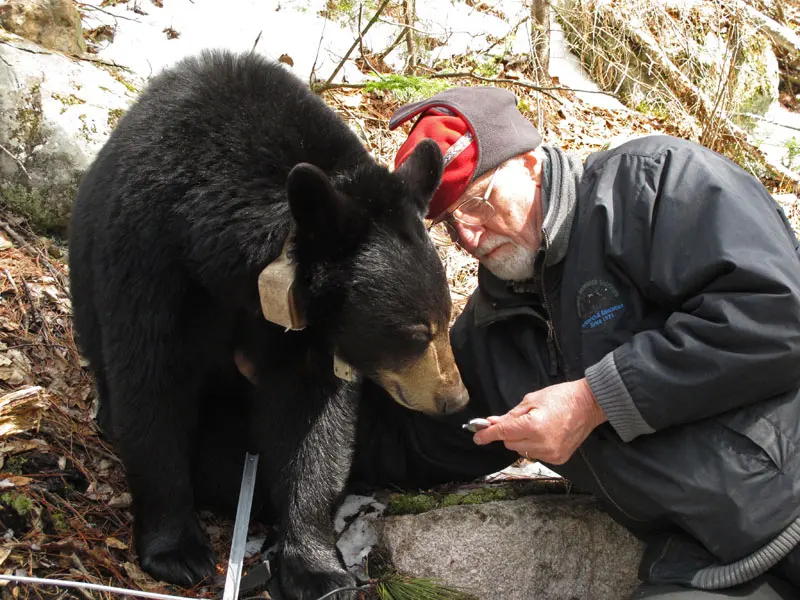
The appropriate response to an attack depends entirely on the species of bear and the nature of the encounter. Understanding these differences can be life-saving.
- Brown bears (Grizzlies): If attacked, drop to the ground and play dead. Lie flat on your stomach with your hands clasped behind your neck to protect your vital areas. Keep your pack on to provide an extra layer of protection for your back.
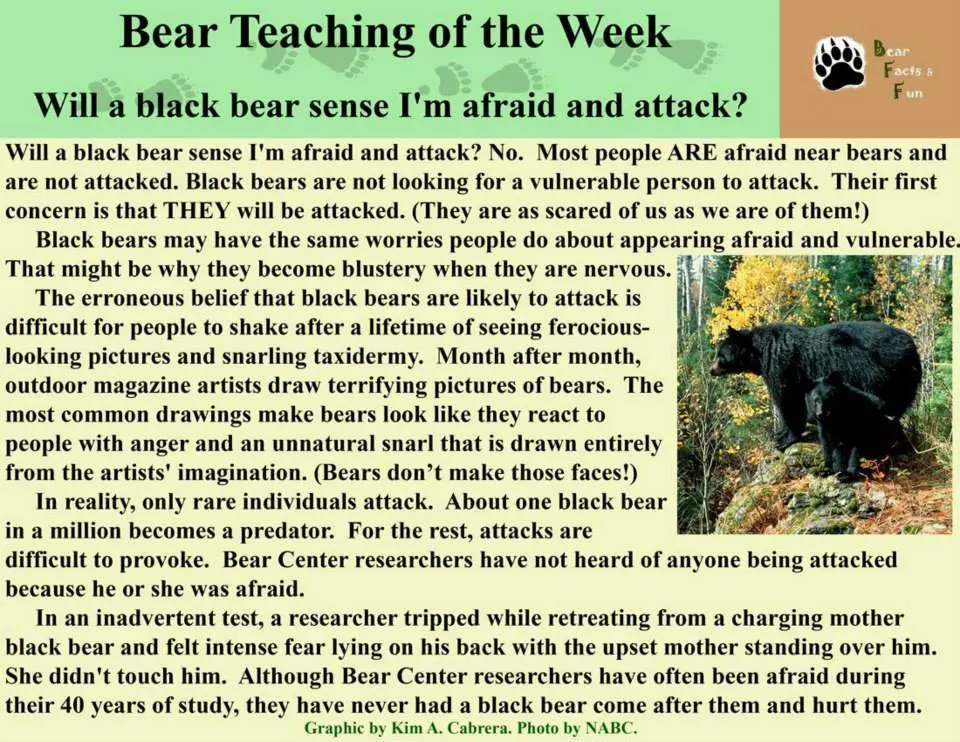
- Black bears: Do not play dead. If a black bear attacks, attempt to escape to a secure location like a car or building. If you cannot escape, fight back aggressively using any available weapons, focusing your blows on the bear’s face and muzzle.
If a bear stalks you or attacks at night while you are in a tent, it may be a predatory attempt. In this specific scenario, you should always fight back regardless of the bear species.
Common mistakes when hiking in bear country
Many people inadvertently increase their risk by ignoring basic wildlife safety principles. One of the most common errors is failing to secure food properly, which creates a "food-conditioned" bear that will eventually lose its natural wariness. Another significant mistake is wearing headphones, which prevents you from hearing a bear’s warning sounds, such as huffing, jaw-popping, or heavy breathing.
Additionally, many hikers mistakenly believe that climbing a tree is a safe escape route. Black bears are excellent climbers, and even grizzly bears can climb trees if they are sufficiently motivated. Relying on climbing often leaves a person trapped and vulnerable. Finally, never attempt to feed a bear or approach one for a photograph. These actions remove the barrier between human and wildlife, leading to dangerous habituation that often results in the bear having to be euthanized by wildlife management agencies for public safety. Always maintain a respectful distance to ensure both your safety and the continued well-being of the bear.
Key facts
- Most bear encounters do not lead to attacks, as bears generally prefer to avoid human contact.
- Black bears are often timid and can frequently be scared away by making yourself look large and speaking firmly.
- Grizzly bears are more territorial and defensive, especially when protecting cubs or a food source.
- Never run from a bear, as their predatory instinct can trigger a chase response, and they can run up to 35 miles per hour.
- Carry EPA-approved bear spray in an accessible holster, not inside your backpack, when hiking in bear country.
- Proper food storage, such as using bear-resistant canisters or hanging food, is the most effective way to prevent habituation.
The bottom line
Bears are wild animals that generally avoid humans, but they can become dangerous if surprised, provoked, or habituated to human food. By practicing proper food storage, carrying bear spray, and understanding the behavioral differences between species, you can significantly reduce your risk. Always remain alert in bear country, keep your distance, and never attempt to feed or approach a bear, regardless of its size.
People also ask
Should I climb a tree to escape a bear?
Do not climb a tree, as both black bears and grizzly bears are excellent climbers. You will likely be trapped and more vulnerable if you attempt to retreat into the canopy.
What should I do if a bear approaches me?
Stand your ground and identify yourself as a human by speaking in a calm, assertive voice. Slowly wave your arms above your head to appear larger and back away slowly without turning your back on the animal.
Is it better to play dead or fight back?
If attacked by a grizzly, play dead by lying flat on your stomach with your hands clasped behind your neck. If attacked by a black bear, do not play dead; instead, fight back aggressively using any available objects or your fists.
Why do bears attack humans?
Attacks usually occur due to surprise encounters, defense of cubs, or protection of a food cache. Predatory attacks are extremely rare but can happen if a bear is starving or habituated to human food.
How do I identify a grizzly versus a black bear?
Grizzly bears are identified by a prominent shoulder hump, a dished-in facial profile, and longer claws. Black bears lack the shoulder hump and typically have a straighter facial profile and shorter, curved claws.
Can I use a firearm for protection?
While firearms can be used, they are often less effective than bear spray in high-stress situations. Many experts recommend bear spray because it creates a wide cloud that is easier to deploy accurately than aiming a weapon.
This answer was created with the help of AI research tools and reference sources. Spotted an error? Let us know — we correct mistakes quickly. See our editorial policy.