How is wool made?
Short answer
Wool is produced by shearing the fleece from sheep, goats, or other fiber-bearing animals. The raw fiber undergoes cleaning, carding, and spinning to create yarn. This process removes natural oils and debris, aligns the fibers, and twists them into a continuous strand suitable for knitting, weaving, or felting into textiles.
On this page
How is wool harvested from sheep?
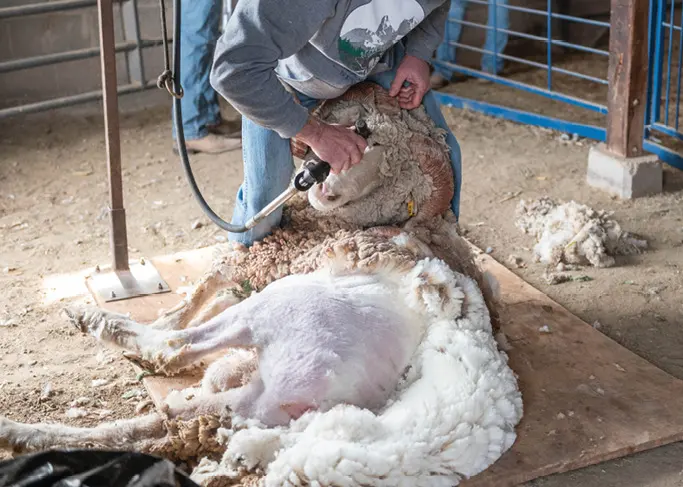
The process begins with shearing, which is the removal of the animal's fleece. Professional shearers use specialized electric clippers to remove the entire coat in one piece, a technique that minimizes stress for the animal. This task is typically performed annually, often in the spring, to ensure the sheep remain comfortable during warmer months while allowing enough time for the fleece to regrow before winter.
Once the fleece is removed, it is sorted and graded based on fiber diameter, length, and color. Finer wool, such as that from Merino sheep, is highly prized for its softness and is measured in microns. After grading, the raw wool—often called "grease wool"—contains significant amounts of lanolin, a natural wax, as well as vegetable matter like burrs and dirt.
- Restrain the sheep gently to prevent injury during the clipping process.
- Use long, smooth strokes with the clippers to remove the fleece in one continuous piece.
- Roll the fleece carefully with the cut side facing inward to maintain its structure.
- Inspect the wool for heavy contamination and remove any damaged sections.
How is raw wool cleaned and processed?
After shearing, the wool must be scoured to remove impurities. This involves washing the fleece in a series of warm, soapy water baths to strip away the lanolin, sweat, and dirt. This byproduct, lanolin, is often recovered and refined for use in cosmetics and pharmaceuticals. Once clean, the wool is dried, which is a delicate process because excessive heat can cause the fibers to become brittle or shrink.
Following cleaning, the wool undergoes carding. This step uses mechanical brushes or rollers to detangle the fibers and align them in the same direction. Carding transforms the matted, raw wool into a smooth, airy web or "sliver." This preparation is essential for the subsequent spinning phase, as it ensures the final yarn will have a consistent texture and strength throughout the entire length of the strand.
How is wool turned into yarn?
Spinning is the mechanical process of drawing out and twisting the carded fibers into a continuous, strong thread. The amount of twist applied during spinning determines the final characteristics of the yarn; a tighter twist creates a more durable, smooth yarn, while a looser twist results in a softer, fluffier texture. Modern industrial spinning machines can produce miles of yarn per hour with high precision.
After spinning, the yarn may be plied, which involves twisting two or more strands together to increase thickness and durability. The yarn is then wound into hanks, cones, or balls for distribution. Many manufacturers also dye the wool at this stage, using chemical or natural pigments to achieve specific colors. The final product is then ready to be sold to textile mills or craft retailers for use in clothing, blankets, or upholstery.
- Spinning: The fibers are drafted and twisted to create a cohesive yarn.
- Plying: Multiple strands are combined to improve structural integrity and weight.
- Dyeing: Color is introduced to the fiber through immersion in heated pigment baths.
- Finishing: The yarn is steamed or treated to set the twist and improve hand-feel.
What are the common mistakes when processing wool?
One of the most frequent errors in wool processing is improper scouring. If the water temperature fluctuates too drastically or if the wool is agitated too forcefully while wet, the fibers will felt together, rendering them useless for spinning. Maintaining a consistent, gentle environment during the washing phase is critical to preserving the integrity of the individual fibers.
Another common mistake occurs during the carding stage. If the wool is not sufficiently detangled, the resulting yarn will have weak spots or "slubs" where the fibers are bunched together. This inconsistency often leads to breakage during the spinning process. Beginners often try to rush the carding phase, but taking the time to ensure the fibers are uniform and parallel is the best way to achieve a professional-quality, smooth yarn that is easy to knit or weave.
Which types of wool are best for beginners?
For those interested in working with wool, starting with the right fiber type is essential. Corriedale or Romney wools are often recommended for beginners because they have a medium fiber diameter and a natural crimp that makes them easy to spin and control. These breeds provide a balance of softness and durability, making them forgiving for those who are still developing their tension control and drafting techniques.
Avoid starting with extremely fine wools like high-grade Merino or very coarse, hair-like fibers. Fine wools are prone to tangling, while very coarse fibers can be difficult to manage and uncomfortable to handle. By selecting a medium-grade wool, a beginner can learn the mechanics of the process without becoming frustrated by the technical challenges posed by more specialized fibers. With consistent practice and attention to the preparation stages, anyone can master the transformation of raw fleece into high-quality yarn.
Key facts
- Sheep are typically shorn once per year, usually in the spring, to prevent overheating and to collect the fleece.
- A single sheep can produce between 2 and 30 pounds of wool depending on the breed and climate.
- Raw wool contains lanolin, a natural wax that must be removed through a process called scouring.
- Wool fibers are naturally crimped, which creates air pockets that provide excellent insulation and temperature regulation.
- The fineness of wool is measured in microns; lower numbers indicate softer, higher-quality fibers like Merino.
- Always store wool in airtight containers with cedar or lavender to prevent damage from clothes moths.
The bottom line
The production of wool is a sophisticated process that transforms raw fleece into a versatile textile through shearing, cleaning, carding, and spinning. By understanding the unique structural properties of wool—such as its natural crimp and moisture-wicking capabilities—you can better appreciate its durability and comfort. Proper care, including gentle washing and mindful storage, ensures that your wool garments remain functional and resilient for many years.
People also ask
What is the difference between wool and hair?
Wool fibers have a complex, scaly surface structure that allows them to interlock, a process known as felting. Hair fibers are generally smoother and do not possess the same crimp or ability to trap heat effectively.
How do you identify high-quality wool?
Look for a low micron count, which signifies a softer feel against the skin. High-quality wool should also exhibit consistent fiber length and a natural, healthy luster without signs of breakage.
Why does wool shrink in the wash?
Shrinking occurs due to the combination of heat, moisture, and agitation, which causes the scales on the fibers to lock together permanently. To prevent this, always hand-wash wool in cool water and lay it flat to dry.
Is wool naturally fire-resistant?
Yes, wool has a high ignition temperature and a high moisture content, which makes it difficult to burn. It is often used in protective clothing because it naturally self-extinguishes if removed from a flame.
Can wool be recycled?
Wool is one of the most recyclable fibers and can be shredded back into raw fiber to create new yarn. This process, known as shoddy, has been used for centuries to conserve resources and reduce textile waste.
Why is Merino wool considered superior?
Merino sheep produce exceptionally fine fibers that feel soft rather than itchy against the skin. These fibers are also highly breathable and moisture-wicking, making them ideal for base layers and performance apparel.
This answer was created with the help of AI research tools and reference sources. Spotted an error? Let us know — we correct mistakes quickly. See our editorial policy.