What is a marsupial?
Short answer
Marsupials are a unique group of mammals characterized by giving birth to relatively undeveloped young, which then continue their growth inside a specialized pouch. While most are native to Australia and New Guinea, some species, such as the opossum, inhabit the Americas. They represent one of three primary mammalian reproductive strategies.
On this page
What defines a marsupial?
Marsupials belong to the infraclass Marsupialia, distinct from placental mammals and egg-laying monotremes. Their defining biological trait is a short gestation period that results in the birth of altricial young, often referred to as "joeys." Because these newborns are born at an embryonic stage, they must crawl from the birth canal to the mother's abdomen to find nourishment.
Most female marsupials possess a pouch called a marsupium, which provides protection and warmth for the developing offspring. Inside the pouch, the joey attaches to a teat to receive milk, remaining there for several months until it is sufficiently developed to survive in the outside world. This reproductive strategy allows the mother to conserve energy during pregnancy, as she does not invest heavily in a long gestation period.
Where do marsupials live?
While many people associate marsupials exclusively with the Australian outback, their geographical distribution is quite diverse. Today, there are over 330 living species of marsupials, with the vast majority found in the Australasian region. This includes iconic animals like kangaroos, wallabies, koalas, wombats, and Tasmanian devils.
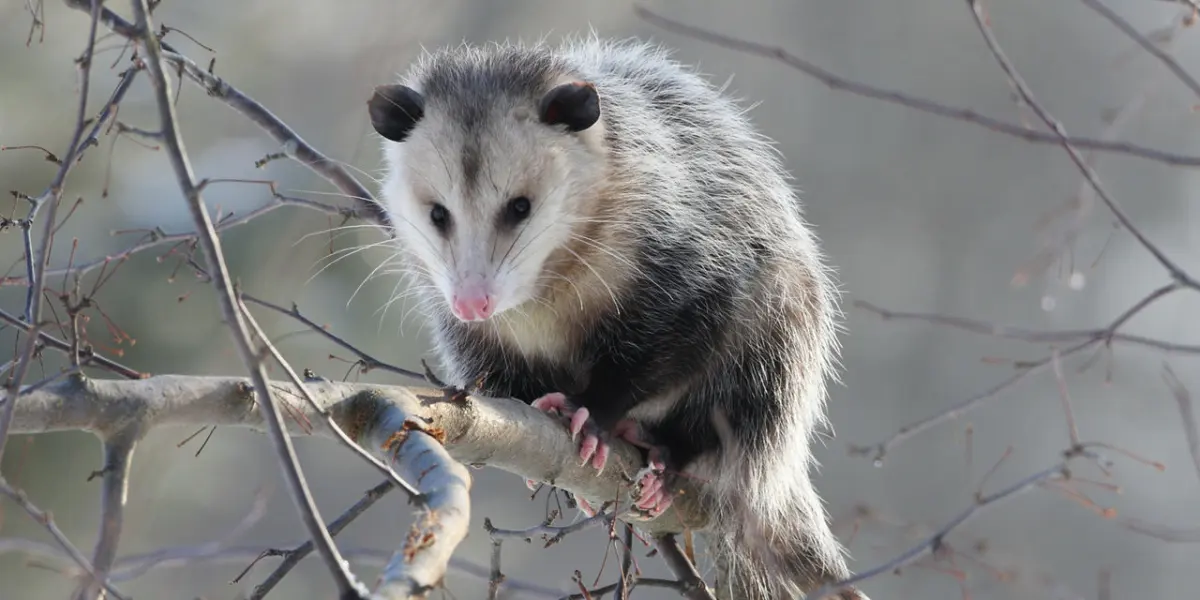
The Americas are home to a smaller but significant number of marsupial species, primarily within the order Didelphimorphia. These are commonly known as opossums. Their presence in the Western Hemisphere suggests an ancient evolutionary history involving migration across land bridges between continents millions of years ago.
- Australia: Home to the greatest diversity of species, including macropods and arboreal marsupials.
- New Guinea: Hosts various tree-kangaroos and smaller carnivorous species.
- The Americas: Primarily represented by the Virginia opossum and various smaller, mouse-like opossums.
How do marsupials raise their young?
The development of a joey is a highly specialized process that requires precise timing and maternal care. Once the joey reaches the pouch, it latches onto a teat that often swells in its mouth, effectively anchoring it in place. This connection is vital because the joey is initially too weak to nurse actively.
As the joey grows, it begins to venture out of the pouch for short periods before eventually leaving it permanently. The mother continues to provide milk even after the young has emerged, often until it reaches full independence. This transition period is critical for the survival of the offspring, as they must learn to forage and avoid predators.
- Birth: The tiny, blind, and hairless joey crawls to the pouch.
- Attachment: The joey secures itself to a teat to receive constant nutrition.
- Development: The joey grows fur, opens its eyes, and develops muscular coordination.
- Emergence: The joey begins to peek out and eventually leaves the pouch to explore.
Why are marsupials unique compared to other mammals?
The primary difference between marsupials and placental mammals lies in the method of fetal development. Placental mammals utilize a complex organ called the placenta to nourish the fetus for an extended period within the uterus, allowing for a more advanced state of development at birth. Marsupials skip this long-term internal gestation in favor of external development.
This evolutionary path has allowed marsupials to adapt to environments where food availability might be unpredictable. If resources become scarce, a mother marsupial can sometimes pause the development of an embryo or cease lactation to ensure her own survival. This flexibility is a significant advantage in the harsh, arid climates found in parts of Australia, where environmental stability is not guaranteed.
Common mistakes when identifying marsupials
One common error is assuming that all pouched animals are closely related or that all marsupials have highly visible pouches. For example, some species have pouches that open toward the rear rather than the front, which helps keep dirt out while the mother digs. Another mistake is confusing marsupials with placental mammals that have evolved similar traits, a process known as convergent evolution.
A classic example of this is the extinct thylacine, or Tasmanian tiger, which looked remarkably like a canine despite being a marsupial. Observers often misidentify small, fuzzy mammals as marsupials simply because they are small or live in trees. To accurately identify a marsupial, one must look for the presence of the marsupium or specific skeletal features, such as the epipubic bones located near the pelvis. These bones are thought to support the pouch and are a key anatomical indicator used by biologists to distinguish these unique creatures from their placental counterparts.
Key facts
- Marsupials are mammals that give birth to relatively undeveloped young, which then continue their growth inside a pouch.
- Most marsupials, such as kangaroos and koalas, are native to Australia, though several species reside in the Americas.
- Unlike placental mammals, marsupials have a very short gestation period, often lasting only a few weeks.
- The pouch, scientifically known as the marsupium, provides the necessary protection and milk supply for the underdeveloped joey.
- A common mistake is assuming all marsupials hop; many species, like opossums and sugar gliders, are adept climbers or gliders.
- When observing wild marsupials, keep a respectful distance to avoid causing stress to mothers carrying young in their pouches.
The bottom line
Marsupials are a unique group of mammals defined by their brief gestation periods and the use of a pouch to nurture their underdeveloped young. While famously associated with the Australian landscape, these resilient creatures inhabit diverse ecosystems globally. Understanding their specialized reproductive biology and specific habitat needs is essential for appreciating their evolutionary success and ensuring their continued protection in an increasingly human-dominated natural world.
People also ask
Do all marsupials have pouches?
While most female marsupials possess a pouch, the structure and opening direction vary significantly between species. Some pouches open toward the front, while others open toward the rear to prevent debris from entering while the mother digs.
How long do joeys stay in the pouch?
The duration varies by species, but most joeys remain in the pouch for several months. During this time, they latch onto a teat to receive constant nourishment as they develop their fur, eyes, and limbs.
Are marsupials related to placental mammals?
Marsupials and placental mammals share a common ancestor from about 160 million years ago. They diverged into separate evolutionary paths, resulting in distinct reproductive strategies that allow both groups to thrive in different environments.
Can marsupials be kept as household pets?
In most jurisdictions, keeping native marsupials as pets is illegal or strictly regulated. They require specialized diets and environments that are difficult to replicate in a domestic home setting.
What do marsupials eat?
Their diets are diverse and depend entirely on the species and their habitat. Some are herbivores that eat eucalyptus leaves or grasses, while others are omnivores that consume insects, small vertebrates, and fruit.
Why are marsupials mostly found in Australia?
Australia’s long period of geographic isolation allowed marsupials to evolve without heavy competition from placental mammals. This isolation provided a unique ecological niche that allowed them to diversify into the wide variety of forms seen today.
This answer was created with the help of AI research tools and reference sources. Spotted an error? Let us know — we correct mistakes quickly. See our editorial policy.