How do you draw a cute koala?
Short answer
Drawing a cute koala involves emphasizing rounded features and large, fluffy ears. By using simple geometric shapes like circles and ovals as a foundation, you can build the character’s proportions. Focus on a large, bulbous nose and wide-set eyes to enhance the "cuddly" aesthetic that defines this iconic Australian marsupial.
On this page
How to sketch a koala for beginners
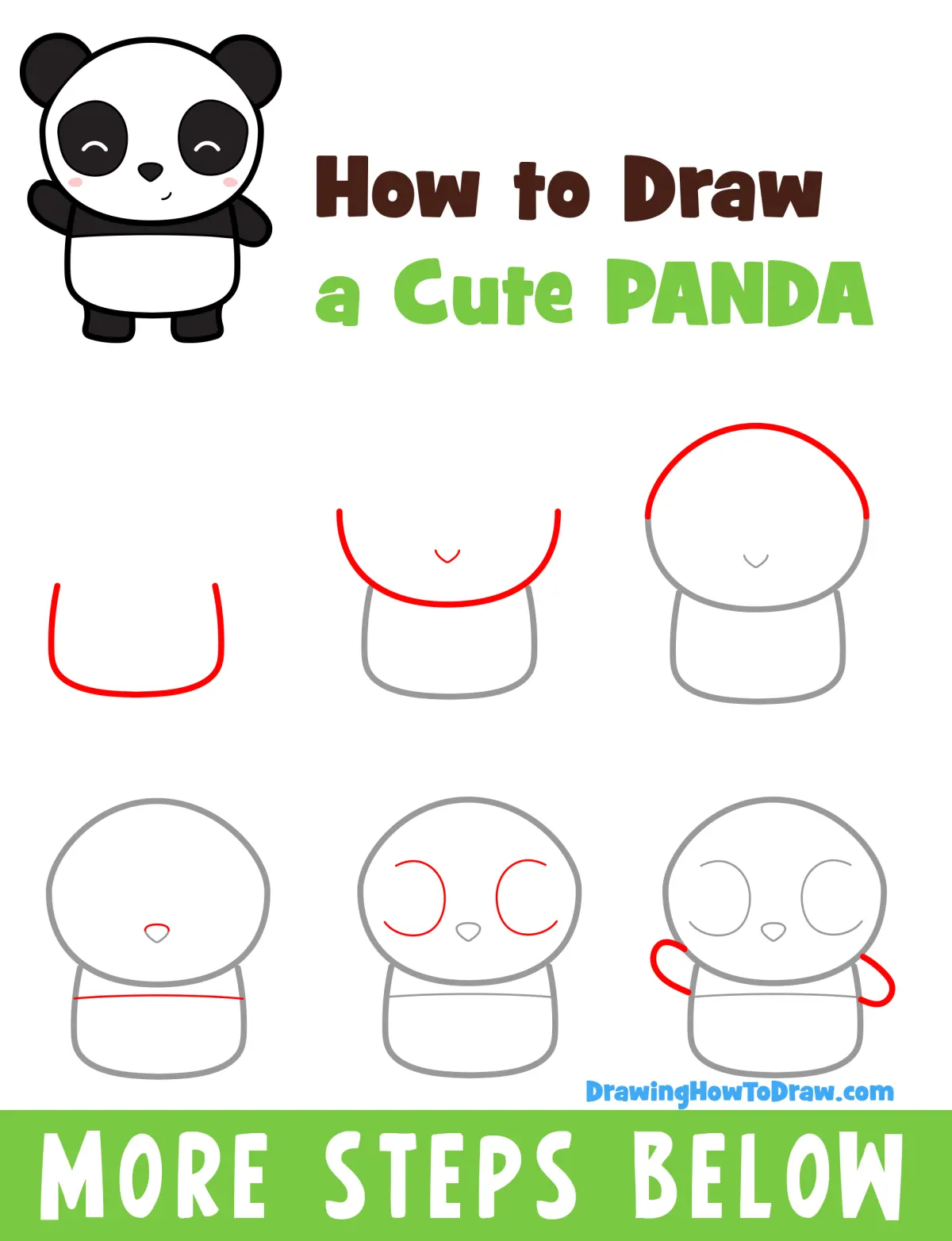
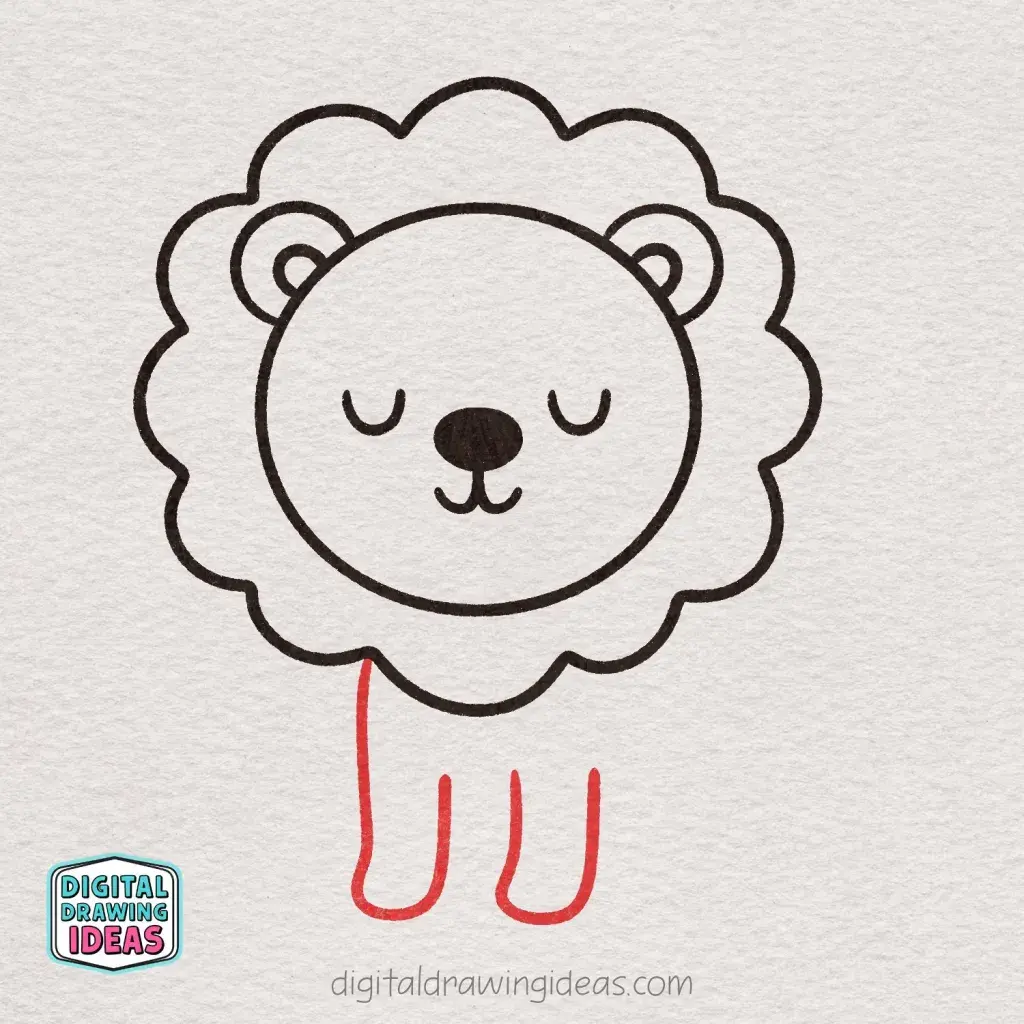
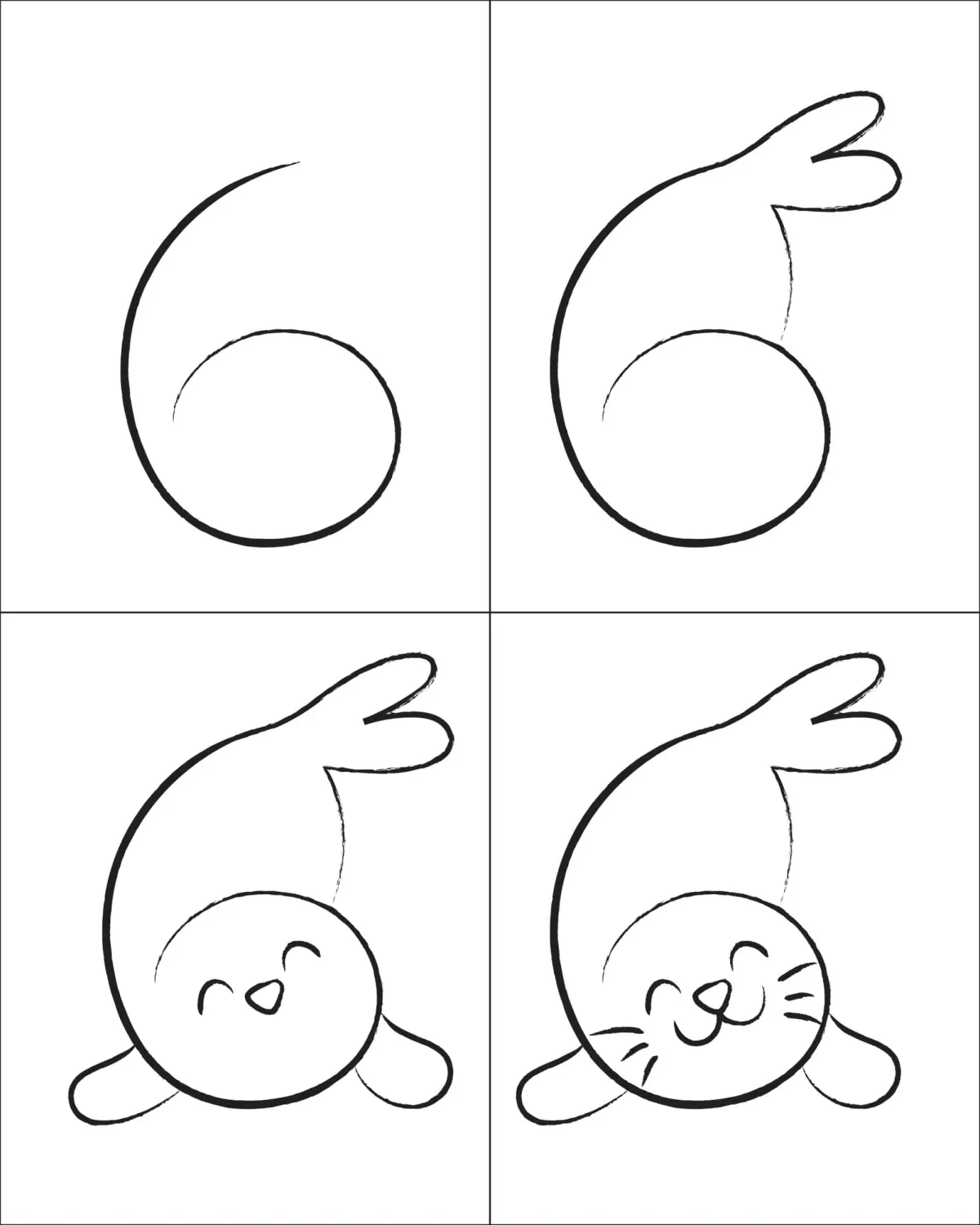
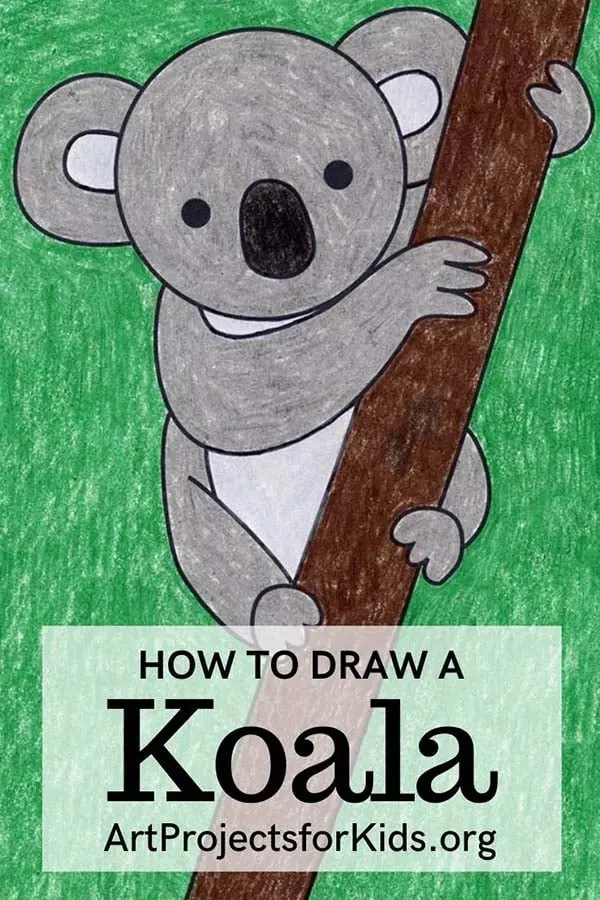
To begin, focus on the koala’s signature silhouette by prioritizing soft, circular shapes. Start by drawing a large, slightly flattened circle for the head and a larger, pear-shaped oval for the body. Because koalas are known for their dense, fluffy fur, avoid sharp, rigid lines. Instead, use light, sketchy strokes to suggest a soft texture around the edges of your shapes.
Once the basic framework is established, refine the proportions to ensure the character looks balanced. A cute koala typically has a head that appears slightly oversized compared to its body, which mimics the traits of infant animals. Keep your pencil pressure light during this stage so you can easily erase guidelines once the final outline is complete.
- Draw a large circle for the head.
- Add a smaller, rounded oval for the snout area.
- Place two large, semi-circular ears on the top sides of the head.
- Sketch a pear-shaped body tucked underneath the head.
Best tools for drawing cute animals
Choosing the right materials can significantly impact the final look of your drawing. For beginners, a standard HB graphite pencil is ideal because it allows for both light sketching and darker, defined lines. You should also keep a kneaded eraser nearby, as it is gentle on paper and perfect for lifting away graphite without damaging the surface texture.
If you prefer adding color, consider using soft-lead colored pencils or markers. Koalas primarily feature shades of grey, cream, and white, so having a range of neutral tones is essential. Using a fine-liner pen to trace your final sketch can help make the features pop, especially when you are trying to achieve a clean, illustrative style that looks professional and polished.
- HB pencil for initial sketching.
- Kneaded eraser for precise corrections.
- Fine-tip black pen for outlining.
- Soft-toned grey markers for shading.
Why koala eyes and noses look unique
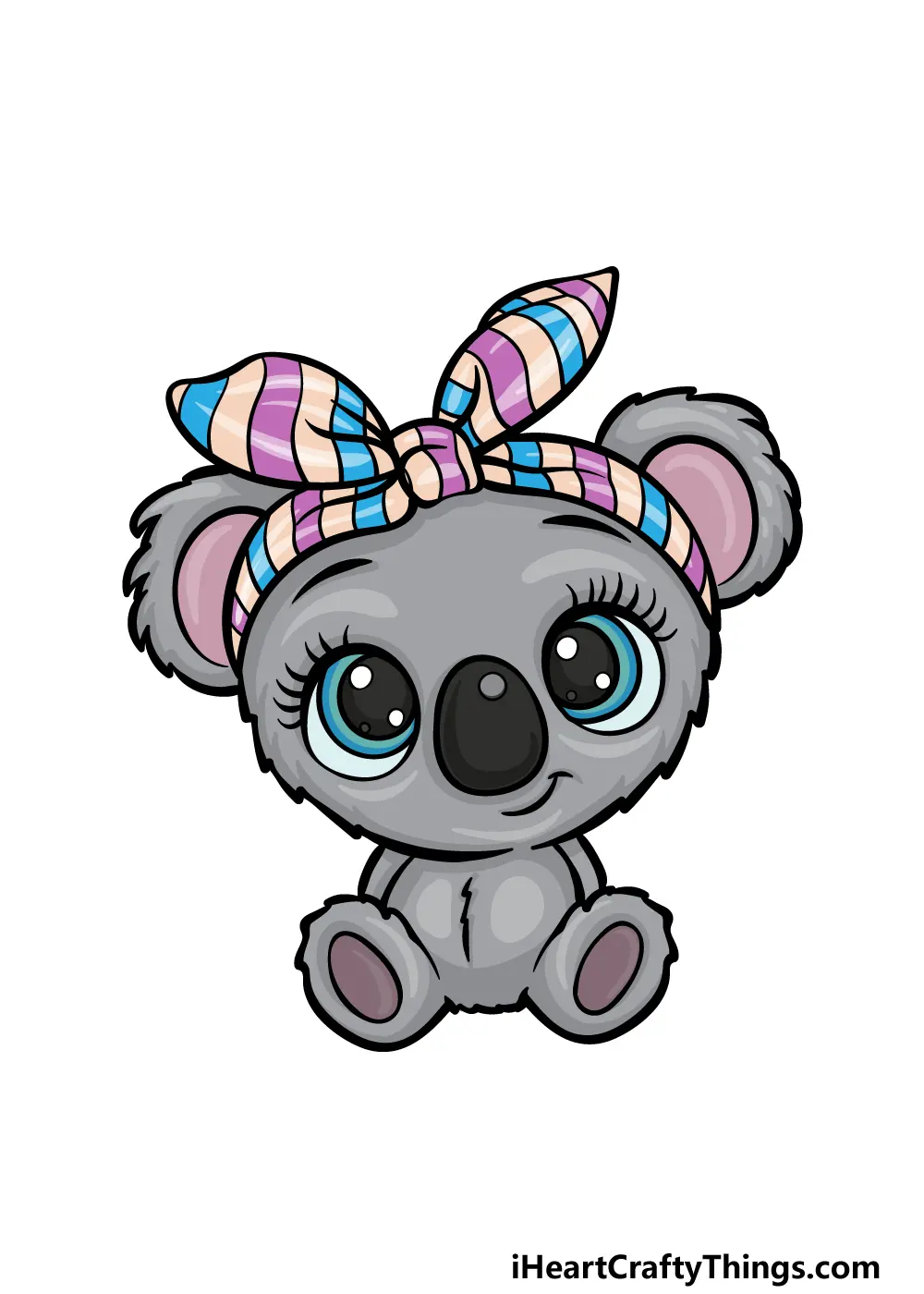
The key to making a koala look "cute" lies in the placement and size of its facial features. In nature, a koala’s nose is large, leathery, and black, acting as a focal point. When drawing a stylized version, exaggerate this feature by making it a rounded triangle or a soft oval. Position the eyes slightly above the nose, keeping them wide and dark to give the animal a gentle, curious expression.
Avoid drawing the eyes too close together, as this can make the koala look stern or unnatural. Instead, place them far enough apart to create a soft, friendly gaze. Adding a small white highlight—a tiny dot—inside each pupil will instantly bring the drawing to life, making the eyes appear reflective and expressive. This technique is a standard practice in character design to evoke warmth and personality.

Common mistakes when drawing koalas
One frequent error is drawing the ears too small or too high on the head. Koala ears are exceptionally large, fuzzy, and sit low on the sides of the skull. If you make them too small, the drawing will lose its characteristic silhouette. Always ensure the ears are drawn with a "fluffy" outline rather than a smooth, circular line to represent their thick fur.
Another mistake is neglecting the posture of the animal. Koalas are arboreal creatures, meaning they are almost always depicted clinging to branches. If you draw a koala floating in space, it may look disconnected or awkward. Always include a sturdy branch or a portion of a tree trunk in your composition to provide context and stability to the pose. This also helps ground the drawing and makes the anatomy look more believable.
How to add personality to your drawing
Adding small details can transform a simple sketch into a charming illustration. Consider adding tufts of fur on the ears or a subtle smile to the mouth area. You can also vary the thickness of your lines; thicker lines on the bottom of the body can suggest weight, while thinner, lighter lines on the face help keep the features looking delicate and soft.
Experimenting with the koala’s expression is also a great way to show personality. A slight tilt of the head or a change in the angle of the eyes can make the koala look sleepy, surprised, or happy. Remember that the goal is to capture the essence of the animal rather than a perfect biological replica. By focusing on these stylistic choices, you create a unique character that is both recognizable and endearing to anyone viewing your work.
Key facts
- Koalas have large, round heads and prominent, spoon-shaped noses that serve as the focal point of a drawing.
- Use an oval shape for the head and a slightly larger, pear-shaped oval for the body to establish proper proportions.
- Draw the ears as large, fluffy circles attached to the sides of the head to emphasize their iconic silhouette.
- Keep the eyes small and circular, positioned slightly above the nose, to maintain a balanced, cute appearance.
- Add texture to the fur by using short, light, and irregular pencil strokes rather than solid, harsh outlines.
- Position the koala clinging to a simple branch to provide context and anchor the figure on the page.
The bottom line
Drawing a cute koala relies on prioritizing rounded shapes and soft textures. By focusing on the large, spoon-shaped nose and fluffy, oversized ears, you establish the creature's signature look. Keep your lines light and avoid harsh, dark outlines to maintain a gentle appearance. With practice, balancing these simple geometric proportions will allow you to create an endearing illustration that captures the essence of this unique Australian marsupial.
People also ask
What is the best pencil grade for sketching a koala?
Use an HB pencil for the initial light outlines and a 2B or 4B pencil for adding darker details and shading. Softer leads allow for better control when creating the fluffy texture of the ears.
How do I make the koala look "cute" rather than realistic?
Focus on exaggerating the roundness of the head and eyes while keeping the limbs relatively short. Larger eyes and a slightly smaller nose often trigger the "baby schema" response that humans perceive as cute.
Should I use color when drawing a koala?
While graphite is excellent for practice, using soft greys and muted browns adds depth. Use a light grey for the main body and a darker charcoal for the nose and eye patches.
How do I avoid making the koala look like a bear?
Remember that koalas are marsupials, not bears, so avoid drawing claws that look like sharp talons. Keep the nose broad and flat rather than pointed, and ensure the ears are significantly larger in proportion to the head.
What is the most common mistake when drawing koala fur?
Many beginners draw long, straight lines that make the animal look spiky. Instead, use short, curved "flick" marks that follow the contour of the body to mimic soft, dense fur.
How do I draw the koala's hands correctly?
Koalas have two thumbs on their front paws to help them grip branches. Draw the hands as simple, rounded shapes with a clear separation for the dual-thumb structure to ensure anatomical accuracy.
This answer was created with the help of AI research tools and reference sources. Spotted an error? Let us know — we correct mistakes quickly. See our editorial policy.