Where can you see whales near Vancouver?
Short answer
You can view whales near Vancouver by departing on boat tours from Granville Island, Coal Harbour, or Steveston Village. These excursions venture into the Salish Sea, where sightings of orcas, humpback whales, and minke whales are common. The peak season for whale watching runs from April through October, offering excellent wildlife viewing opportunities.
On this page
Best places to see whales near Vancouver
The most reliable way to spot whales near Vancouver is to book a guided boat tour. Operators depart from several convenient locations, including downtown Vancouver’s Coal Harbour, the vibrant Granville Island, and historic Steveston Village in Richmond. These tours typically last between three and five hours and utilize high-speed zodiacs or larger, stable vessels to reach prime feeding grounds in the Salish Sea.
While shore sightings are possible from locations like Point Atkinson Lighthouse or Stanley Park, they are rare and unpredictable. For a guaranteed experience, professional captains use sophisticated tracking networks to locate pods. Choosing a reputable operator ensures you benefit from their expertise and commitment to marine conservation.
- Coal Harbour: Ideal for downtown visitors; offers quick access to the Burrard Inlet.
- Granville Island: A central hub with multiple tour companies operating year-round.
- Steveston Village: Located near the mouth of the Fraser River, providing proximity to open ocean waters.
When is the best time to see whales
The whale watching season in British Columbia generally spans from April to October. During these months, the Salish Sea teems with activity as migratory species return to feed on the abundant herring and salmon populations. Orcas, or killer whales, are present throughout the year, though their specific pods move frequently based on prey availability.
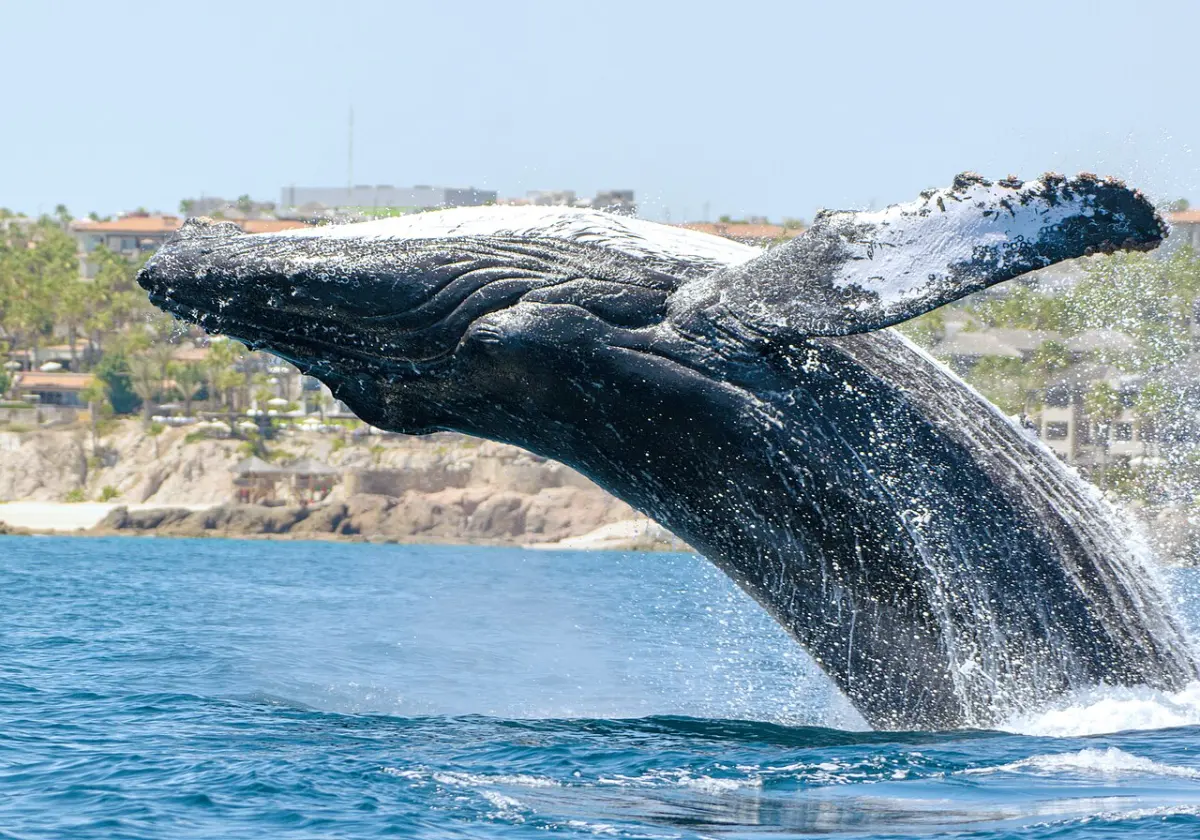
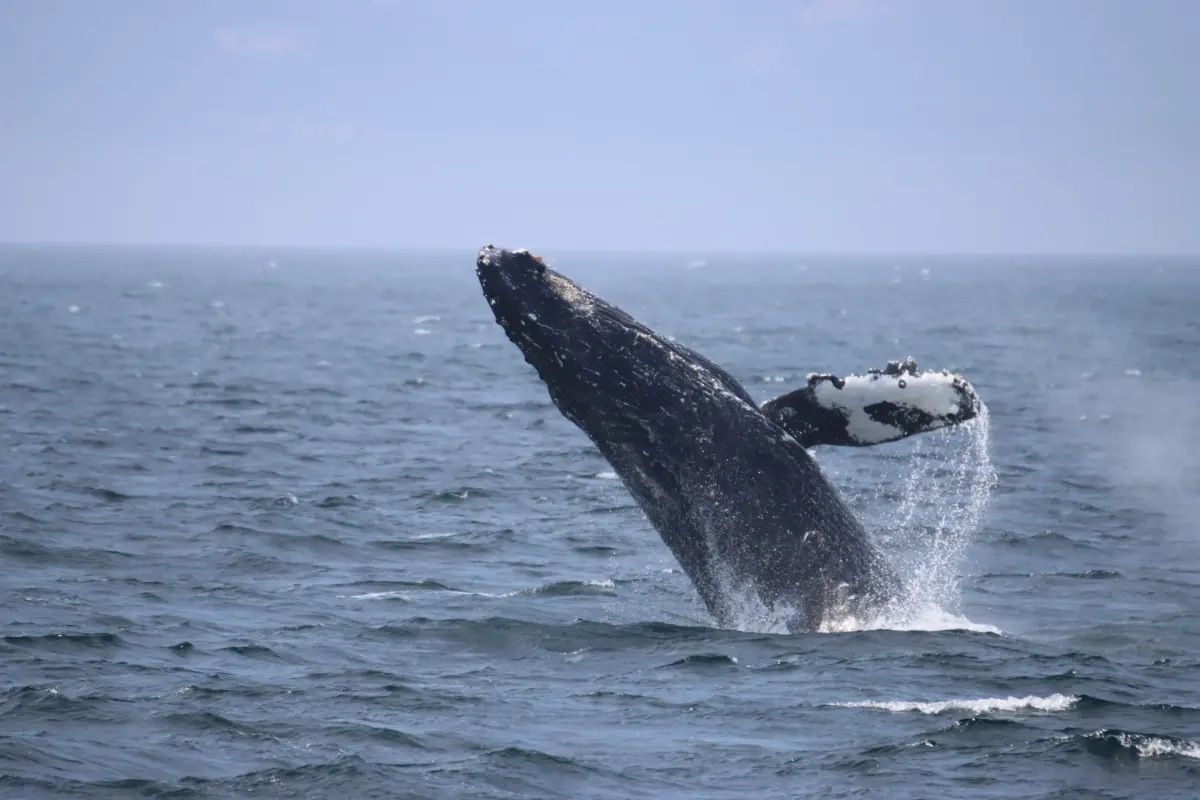
Humpback whales are most commonly spotted between May and October, often delighting observers with acrobatic breaches and tail slapping. If you are hoping for a specific species, late summer is often considered the peak window for diversity. Regardless of the month, weather conditions significantly influence your likelihood of a successful trip, so always check the marine forecast before booking.
- April to June: Excellent for spotting transient orca pods and early-season humpbacks.
- July to September: The height of the season, featuring the highest probability of seeing multiple species.
- October: A quieter time on the water, often offering cooler temperatures and fewer crowds.
What species can you expect to see
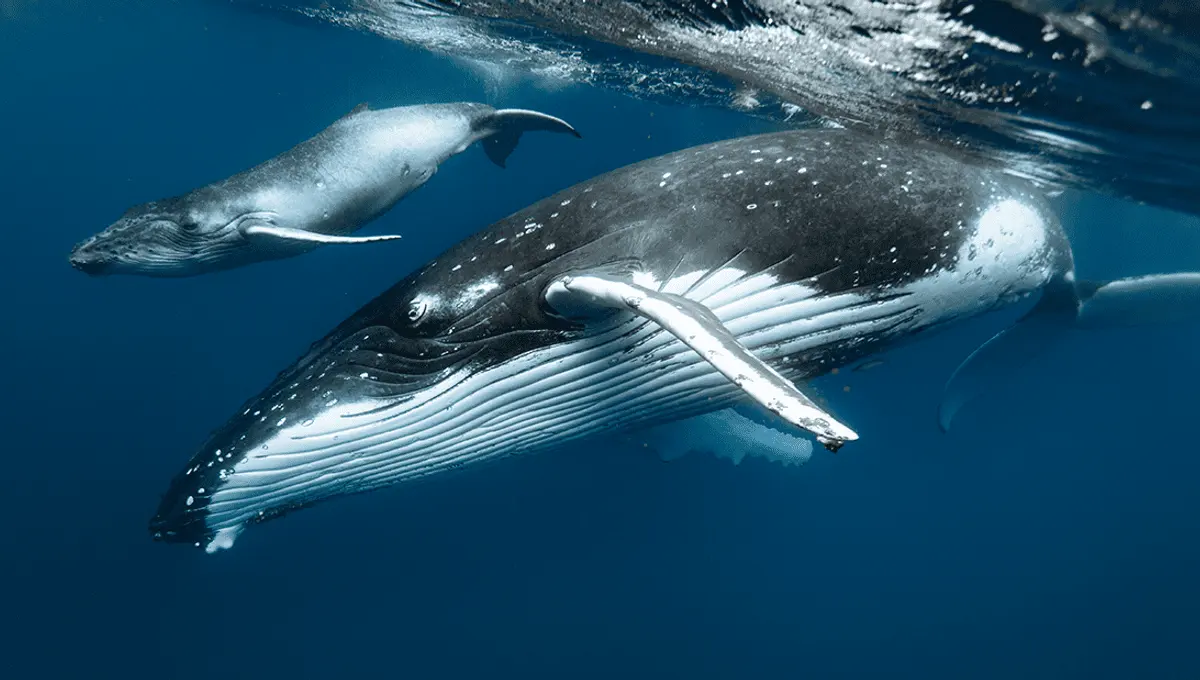
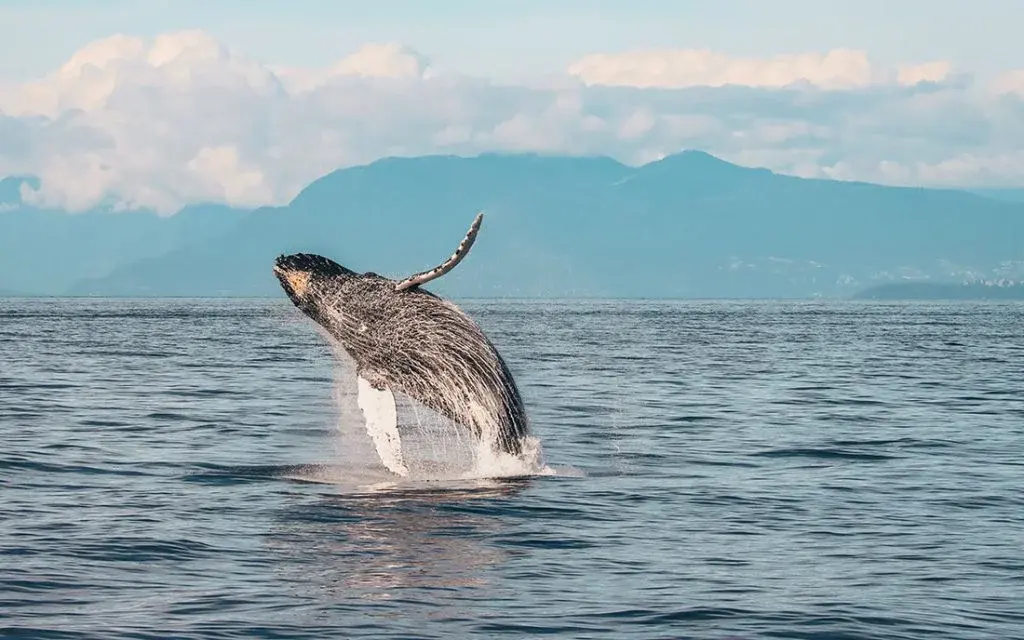
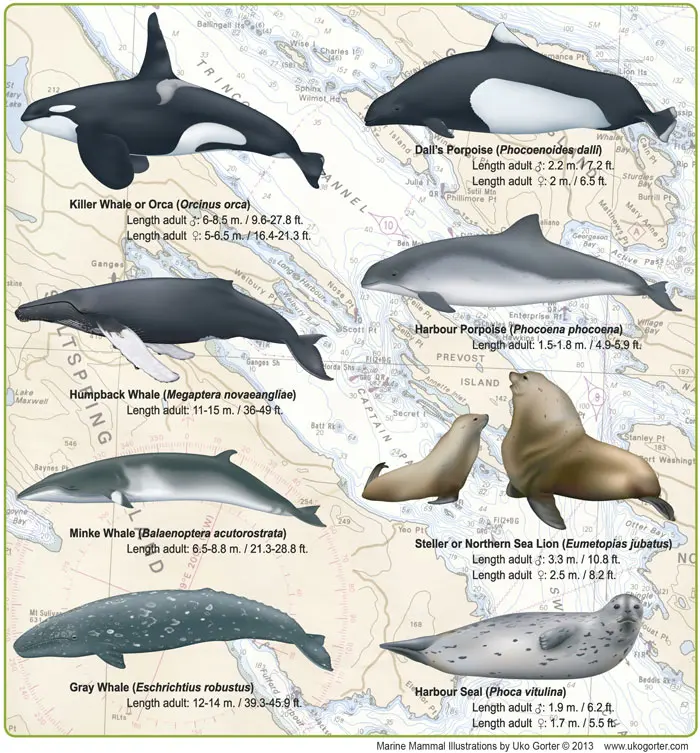
The waters surrounding Vancouver are home to a diverse array of marine mammals. The most iconic inhabitants are the orcas, which are categorized into two distinct groups: residents and transients. Resident orcas primarily eat fish, while transient orcas hunt marine mammals like seals and sea lions. You may also encounter humpback whales, which have made a significant recovery in the region over the last decade.
In addition to these large cetaceans, you are likely to see other fascinating wildlife during your journey. Harbor seals, Steller sea lions, and Dall’s porpoises are frequently sighted lounging on rocky outcrops or surfacing near boats. Birdwatchers will also appreciate the presence of bald eagles, rhinoceros auklets, and various species of gulls that follow the whale pods to scavenge for food.
How to prepare for a whale watching trip
Preparation is key to ensuring a comfortable and enjoyable experience on the water. Even on sunny days, the temperature on the ocean is significantly lower than on land due to wind chill and sea spray. Dressing in multiple layers is essential, including a windproof and waterproof jacket, a warm sweater, and comfortable, non-slip footwear.
Before you depart, consider your physical comfort and health. If you are prone to motion sickness, take preventative medication at least one hour before boarding the vessel. Bring a pair of binoculars for closer views of distant wildlife and a camera with a high-speed shutter to capture sudden movements. Most professional tours provide safety gear, but you should always carry personal items like sunscreen, sunglasses, and a hat to protect against glare.
Common mistakes when booking a tour
One of the most frequent mistakes travelers make is failing to research the conservation practices of their chosen tour operator. Not all companies adhere to the same standards regarding distance and noise levels near whales. Look for operators that are members of organizations like the Pacific Whale Watch Association, which mandates strict guidelines to protect marine life from disturbance.
Another common error is booking a tour based solely on the lowest price. A cheaper ticket often means a crowded boat, which can limit your ability to move around for the best view. Additionally, some travelers forget to confirm the cancellation policy, which is vital given that tours are frequently rescheduled due to high winds or rough seas. Always prioritize safety and environmental ethics over costs to ensure a responsible and rewarding encounter with these magnificent animals in their natural habitat.
Key facts
- The primary whale-watching season in Vancouver runs from April through October.
- Orcas (killer whales), humpback whales, gray whales, and minke whales are the most common species spotted.
- Most tour operators depart from Granville Island or Coal Harbour in downtown Vancouver.
- Tours typically last between 3 to 5 hours depending on the distance traveled to reach the whales.
- Dress in layers, including a waterproof jacket, as it is significantly colder on the water than in the city.
- Check if your tour company is a member of the Pacific Whale Watch Association for ethical, high-standard viewing practices.
The bottom line
Vancouver offers a world-class whale-watching experience, with the Salish Sea serving as a vital habitat for diverse marine life. By booking with a certified operator during the peak season, you maximize your chances of spotting orcas and humpbacks in their natural environment. Remember to prepare for cool coastal temperatures and book your excursion early to ensure a spot on these popular, weather-dependent maritime adventures.
People also ask
What is the best time of day to see whales?
Whales can be spotted at any time, but morning tours often offer calmer seas and better visibility. Afternoon tours are also popular, though wind speeds can sometimes increase later in the day.
Do I need to book my tour in advance?
Yes, it is highly recommended to book at least one to two weeks in advance, especially during the peak summer months of July and August. Tours frequently sell out during weekends and holidays.
What happens if we do not see any whales?
Many reputable companies offer a "whale sighting guarantee," which allows you to join a future tour for free if no whales are spotted during your trip. Always verify the specific policy of your chosen operator before booking.
Is whale watching suitable for young children?
Most operators welcome children, but they must be able to sit relatively still for several hours. Ensure the boat has indoor seating if you are concerned about your child getting cold or tired.
Will I get seasick?
If you are prone to motion sickness, take preventative medication at least an hour before departure. Staying on the outer deck and keeping your eyes on the horizon can also help mitigate symptoms.
Can I bring my own food and drinks on the boat?
Most companies allow you to bring small snacks and water bottles on board. However, avoid bringing large coolers or alcohol, as space is limited and safety regulations apply.
This answer was created with the help of AI research tools and reference sources. Spotted an error? Let us know — we correct mistakes quickly. See our editorial policy.