What causes waves?
Short answer
Waves are primarily caused by wind blowing across the surface of the ocean, transferring energy to the water through friction. As wind speed, duration, and the distance over which it blows—known as fetch—increase, waves grow larger. Underwater disturbances like earthquakes, volcanic eruptions, and gravitational forces from the moon also generate significant waves.
On this page
How do wind and waves interact?
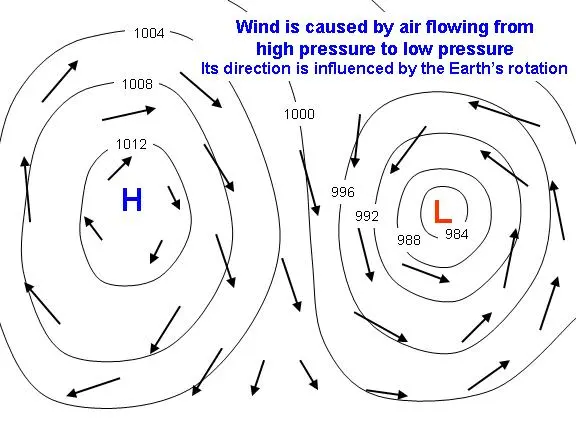
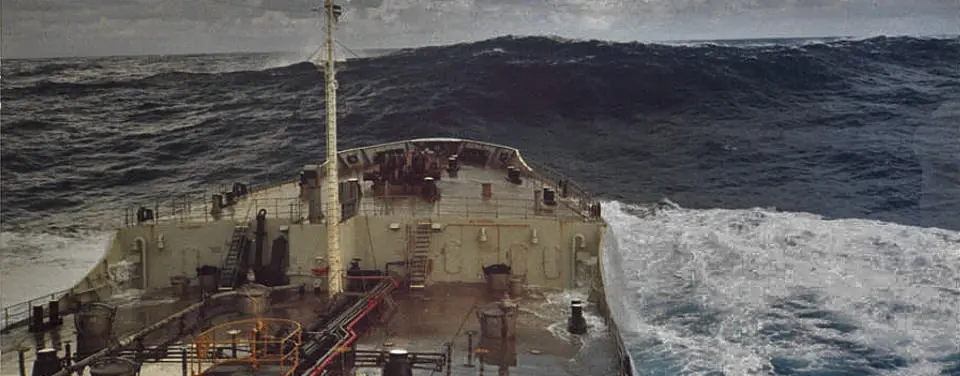
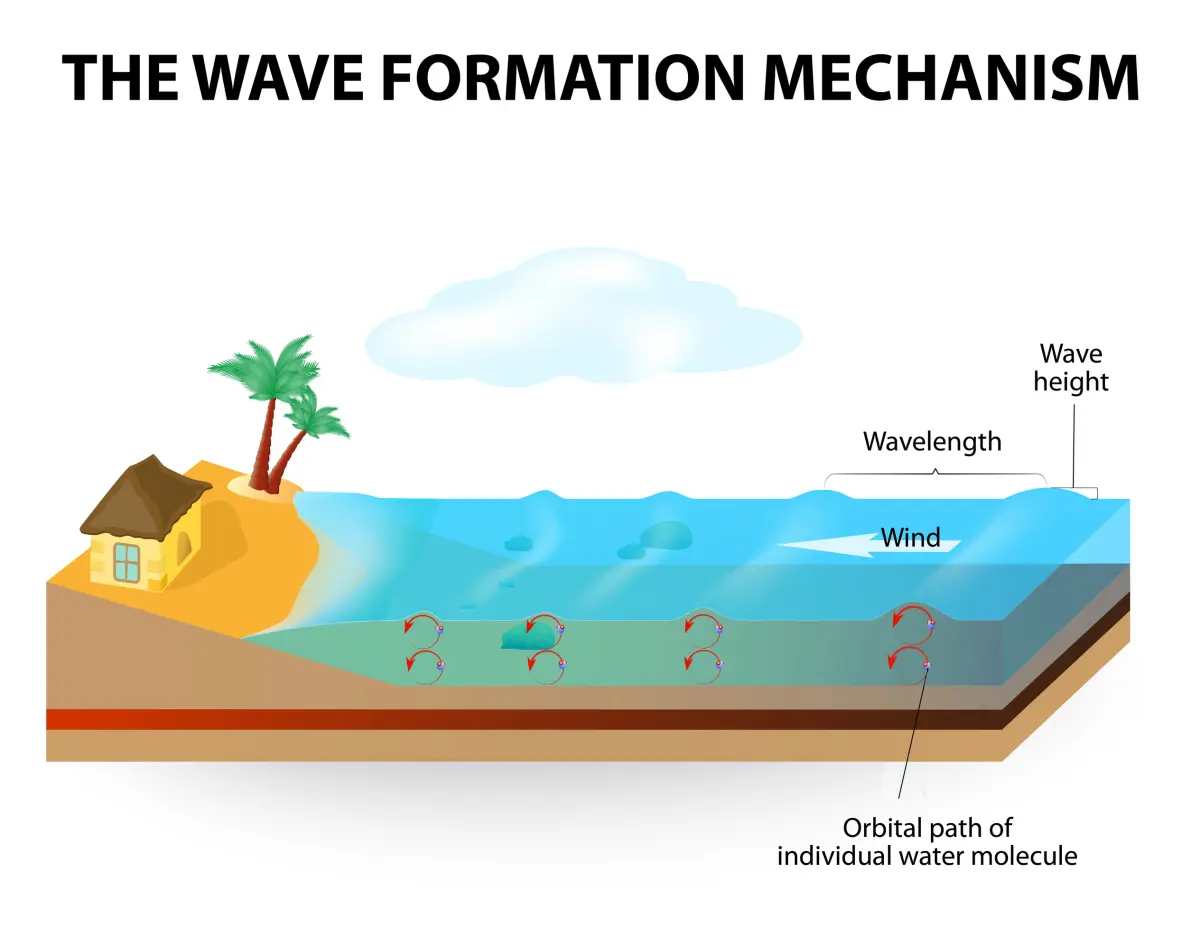
The vast majority of ocean waves are born from the friction between wind and the water’s surface. When air moves across the sea, it exerts a dragging force that creates small ripples, known as capillary waves. As the wind continues to blow, these ripples provide a rougher surface for the wind to catch, allowing it to transfer more energy into the water. This process causes the waves to grow in height, length, and speed.
The size of the resulting waves depends on three specific factors: wind speed, the duration of the wind, and the fetch. Fetch refers to the uninterrupted distance over which the wind blows across open water. If the wind is strong, blows for a long time, and covers a large distance, it can generate massive swells. These swells can travel thousands of miles across the ocean, eventually reaching coastlines far from where they were originally created.
Why do earthquakes cause tsunamis?
While wind creates surface waves, tsunamis are generated by massive underwater displacements. These events are typically triggered by tectonic activity, such as undersea earthquakes, volcanic eruptions, or large-scale underwater landslides. When the ocean floor suddenly shifts vertically, it displaces the entire column of water above it. This sudden movement sends energy radiating outward in all directions, creating waves that behave very differently from wind-driven swells.
Tsunamis are characterized by their extreme wavelengths, which can span hundreds of miles. In the open ocean, these waves may only be a few feet high and go unnoticed by ships. However, as they approach shallower coastal waters, the front of the wave slows down while the back catches up, causing the wave height to increase dramatically. This phenomenon, known as shoaling, is why tsunamis can be so destructive upon reaching land.
- Earthquakes: The most common cause of tsunamis, occurring at subduction zones.
- Volcanic Eruptions: Can collapse into the sea, creating massive water displacement.
- Landslides: Large amounts of rock or sediment falling into the ocean trigger localized waves.
How does the moon create tides?
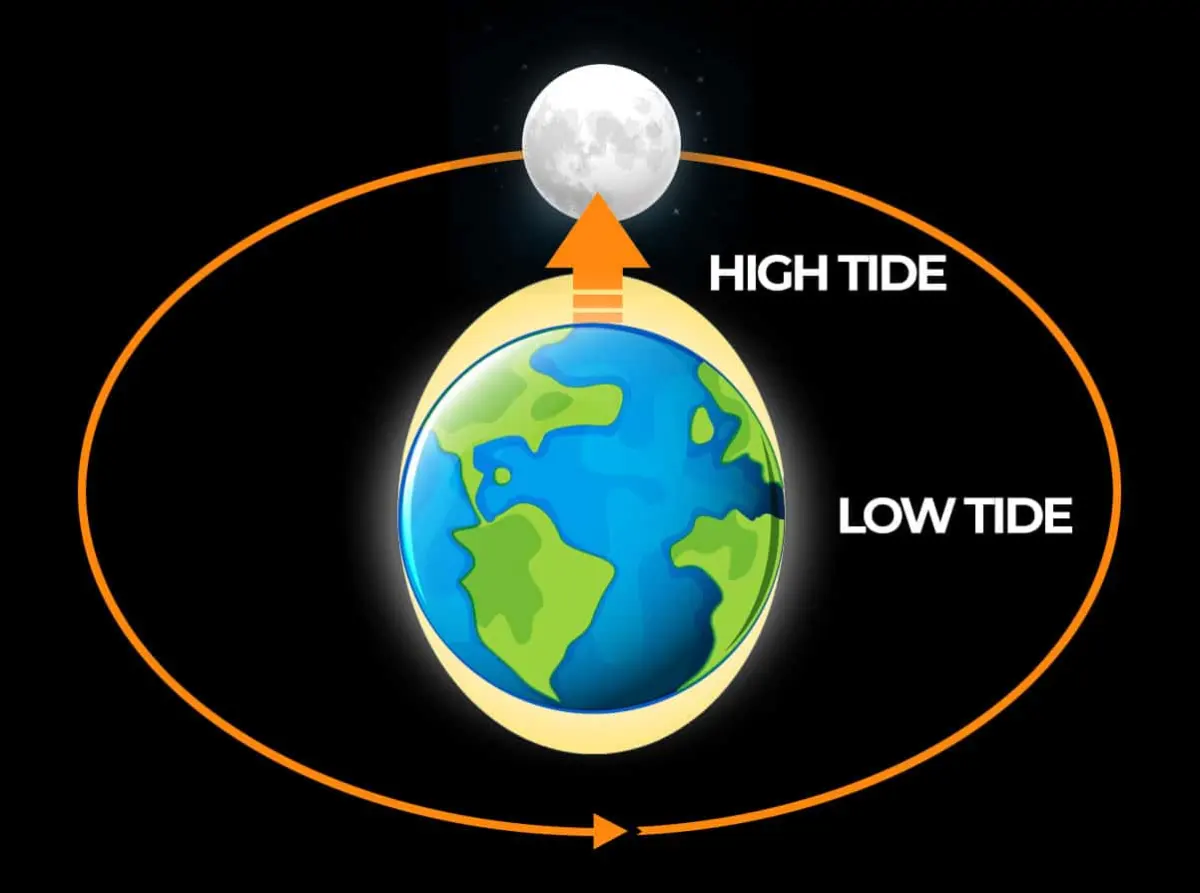
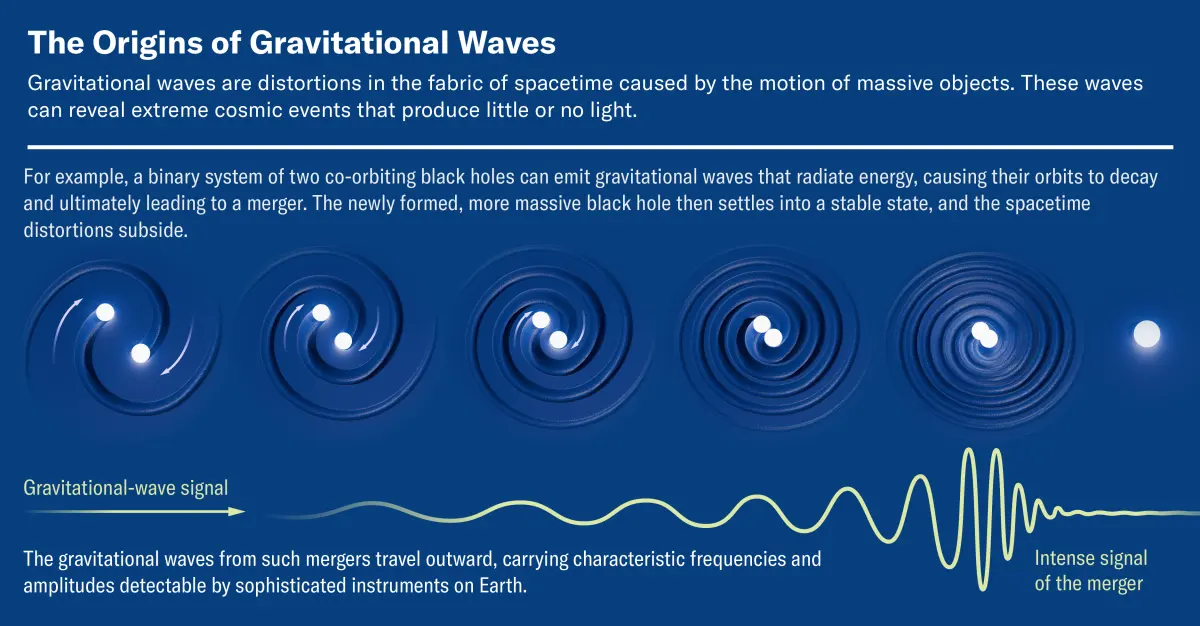
Tides are essentially long-period waves that move through the oceans of the planet, caused by the gravitational pull of the moon and the sun. As the Earth rotates, the moon’s gravity pulls on the oceans, creating a "bulge" of water on the side of the Earth facing the moon. A second bulge occurs on the opposite side due to the planet's rotation and inertia. These bulges represent the high tide, while the areas between them experience low tide.
Because these tidal waves have such massive wavelengths, they are influenced by the shape of coastlines and the depth of the ocean floor. In some narrow bays or inlets, the incoming tidal wave can be funneled into a confined space, resulting in a dramatic increase in water level. This is why some regions experience extreme tidal ranges, while others see very little change throughout the day.
- Identify the moon's phase, as new and full moons produce the highest "spring" tides.
- Observe the local coastline shape, as narrow channels often amplify tidal movement.
- Consult local tide tables to track the daily timing of the gravitational wave cycle.
Common mistakes when observing waves
Many observers mistakenly believe that waves represent a mass movement of water across the ocean. In reality, waves are energy moving through the water, while the water particles themselves move in a circular motion. If you watch a floating object like a buoy, you will notice it bobs up and down rather than being pushed forward by the wave. Understanding this distinction is crucial for those studying marine science or coastal engineering.
Another frequent error is assuming that all large waves are caused by storms. While wind-driven waves are common, rogue waves—which can reach heights of over 100 feet—often occur due to the constructive interference of multiple smaller waves. These waves can appear suddenly in otherwise calm seas, posing a significant danger to maritime navigation. Relying on simple weather reports to predict wave behavior is often insufficient, as complex underwater topography and distant weather patterns play a major role.
How to predict wave conditions safely
For those interested in surfing, fishing, or boating, predicting wave conditions requires looking beyond the local weather forecast. Start by checking offshore buoy reports, which provide real-time data on wave height, period, and direction. The wave period, or the time in seconds between two wave crests, is often more important than height; a longer period generally indicates a more powerful and organized swell that has traveled from a distant storm.
Avoid the mistake of ignoring the tide when planning coastal activities. A large swell arriving during a high tide can cause significant flooding and dangerous currents, even if the wave height seems manageable. Always prioritize safety by checking local marine warnings and never underestimate the power of the ocean, especially near rocky cliffs or unpredictable shorelines where wave energy can concentrate. By combining meteorological data with local geographical knowledge, you can better understand the complex forces that shape the movement of the sea.
Key facts
- Most ocean waves are generated by wind blowing across the surface of the water, transferring energy through friction.
- The size of a wave depends on wind speed, the duration the wind blows, and the "fetch," or the distance of open water the wind travels over.
- Tides are long-period waves caused by the gravitational pull of the moon and the sun on Earth's oceans.
- Tsunamis are not caused by wind but by large-scale displacement of water from earthquakes, volcanic eruptions, or underwater landslides.
- Waves do not transport water across vast distances; instead, they transmit energy, causing water particles to move in circular orbits.
- When a wave reaches shallow water, the bottom of the wave slows down due to friction with the seafloor, causing the top to crest and break.
The bottom line
Waves are primarily the result of energy transfer, most commonly driven by wind friction against the ocean surface. While wind-driven waves dominate our daily experience, gravitational forces and seismic activity also play critical roles in shaping the movement of water. Understanding these mechanics reveals that waves are essentially traveling energy, moving through the ocean while the water molecules themselves remain largely in place within circular orbits.
People also ask
Why do waves break when they reach the shore?
As a wave enters shallow water, the base of the wave experiences friction against the ocean floor, which slows it down. The top of the wave continues at its original speed, causing it to outpace the base, become unstable, and eventually collapse or "break."
What is the difference between a swell and a wind wave?
Wind waves are choppy, irregular waves generated by local winds currently blowing in the area. Swells are smoother, more organized waves that have traveled away from their original source and can persist across thousands of miles of ocean.
Can waves occur deep underwater?
Yes, internal waves occur beneath the surface at the boundaries between water layers of different densities, such as varying temperatures or salinities. These waves can be much larger than surface waves and are often caused by tidal currents flowing over underwater mountain ranges.
How fast do tsunamis travel?
In the deep ocean, tsunamis can travel at speeds exceeding 500 miles per hour, which is comparable to the speed of a jet aircraft. Despite their immense speed, their height in open water is often less than one meter, making them difficult to detect until they approach the coast.
What is the Beaufort Wind Scale?
The Beaufort scale is a system used to measure wind intensity based on observed sea conditions. It ranges from 0, representing calm, glass-like water, to 12, which describes hurricane-force winds and massive, foam-covered waves.
How do surfers use wave energy?
Surfers position themselves to catch a wave just as it begins to steepen but before it breaks. By riding the face of the wave, they harness the forward-moving kinetic energy, allowing them to glide along the surface as the wave transmits its power toward the shore.
This answer was created with the help of AI research tools and reference sources. Spotted an error? Let us know — we correct mistakes quickly. See our editorial policy.