Who was Genghis Khan?
Short answer
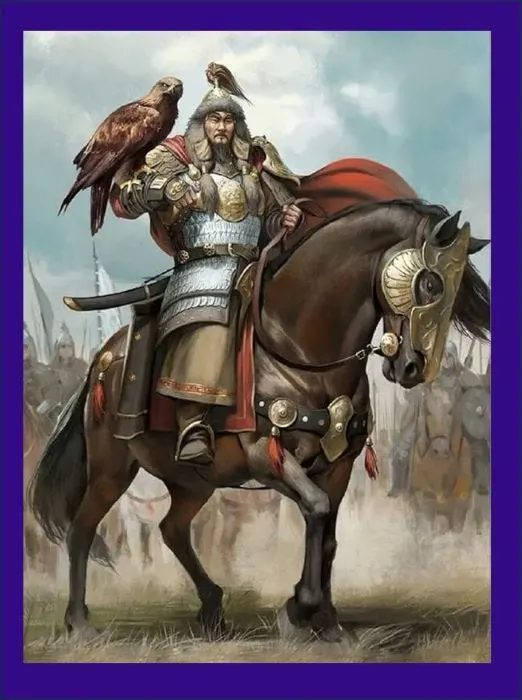
Genghis Khan was the founder and first Great Khan of the Mongol Empire, which became the largest contiguous land empire in history. Born Temujin around 1162, he unified the warring Mongol tribes through military brilliance and diplomatic skill. His conquests across Asia and into Europe fundamentally reshaped global trade, culture, and geopolitics.
On this page
How did Genghis Khan rise to power?
Temujin was born into a fractured landscape of nomadic tribes on the Mongolian steppe. Following the murder of his father, Yesugei, his family was abandoned and forced to survive in extreme poverty. These early years of struggle forged his resilience and taught him the necessity of building loyal alliances rather than relying solely on tribal lineage. He spent his youth navigating complex inter-tribal politics, eventually forming a pivotal bond with his childhood friend, Jamukha, and his mentor, Toghrul.
By 1206, Temujin had successfully defeated his rivals through a combination of strategic warfare and the integration of conquered peoples into his own ranks. During a grand assembly known as a kurultai, he was proclaimed Genghis Khan, meaning "Universal Ruler." His rise was characterized by several key military and social reforms:
- Meritocracy: He promoted officers based on skill and loyalty rather than aristocratic birth.
- Decimal Organization: He reorganized the army into units of 10, 100, 1,000, and 10,000 to ensure strict discipline.
- Psychological Warfare: He used terror as a tool to encourage cities to surrender without a fight.
What were the main military strategies of the Mongols?
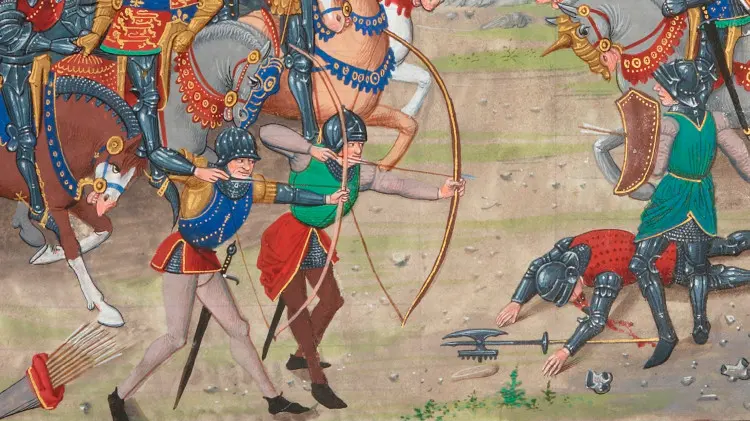
The Mongol military machine was arguably the most advanced force of the 13th century. Their primary strength lay in the extreme mobility of their horse archers, who could strike rapidly and retreat before an enemy could respond. Genghis Khan emphasized speed, reconnaissance, and the use of feigned retreats to draw opponents into vulnerable positions. This mobility allowed his armies to cover vast distances, often moving faster than contemporary intelligence reports could track.
Beyond speed, the Mongols were remarkably adaptable in their approach to siege warfare. When they encountered fortified cities, they did not hesitate to recruit engineers from conquered territories to build catapults and battering rams. They often utilized these captured specialists to overcome defensive walls that traditional nomadic cavalry could not breach. Key elements of their success included:
- Extensive scouting networks that provided real-time intelligence on enemy movements.
- The use of smoke signals and flags to coordinate complex maneuvers across large fields.
- A logistics system that ensured every rider had multiple horses to prevent fatigue.
Why did the Mongol Empire expand so quickly?
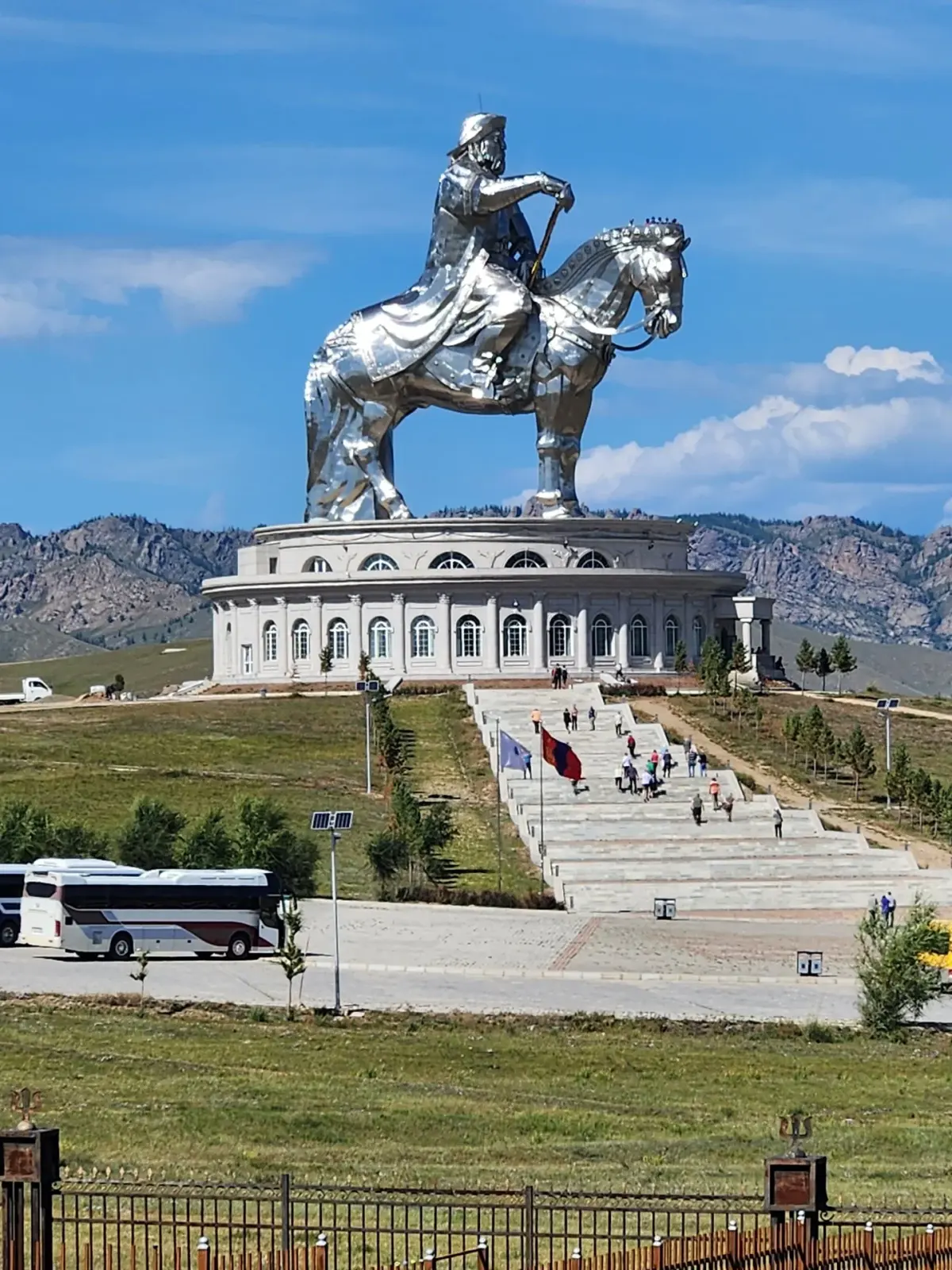
The expansion of the Mongol Empire was driven by a need for resources and a desire to secure trade routes. After unifying the steppe, Genghis Khan turned his attention toward the sedentary civilizations of the Jin Dynasty in northern China and the Khwarazmian Empire in Central Asia. His campaigns were not merely destructive; they were designed to bring the Silk Road under a single administrative umbrella, which facilitated the movement of goods, ideas, and technologies across Eurasia.
The empire’s rapid growth was also facilitated by a policy of religious tolerance and administrative pragmatism. Genghis Khan understood that a sprawling empire could not be ruled through force alone. He implemented the Yassa, a secret code of law that regulated everything from hunting practices to property rights. By protecting merchants and exempting religious leaders from taxation, he fostered a level of stability that encouraged economic growth. This period, often called the Pax Mongolica, allowed for unprecedented cultural exchange between the East and the West.
Common mistakes when studying Genghis Khan
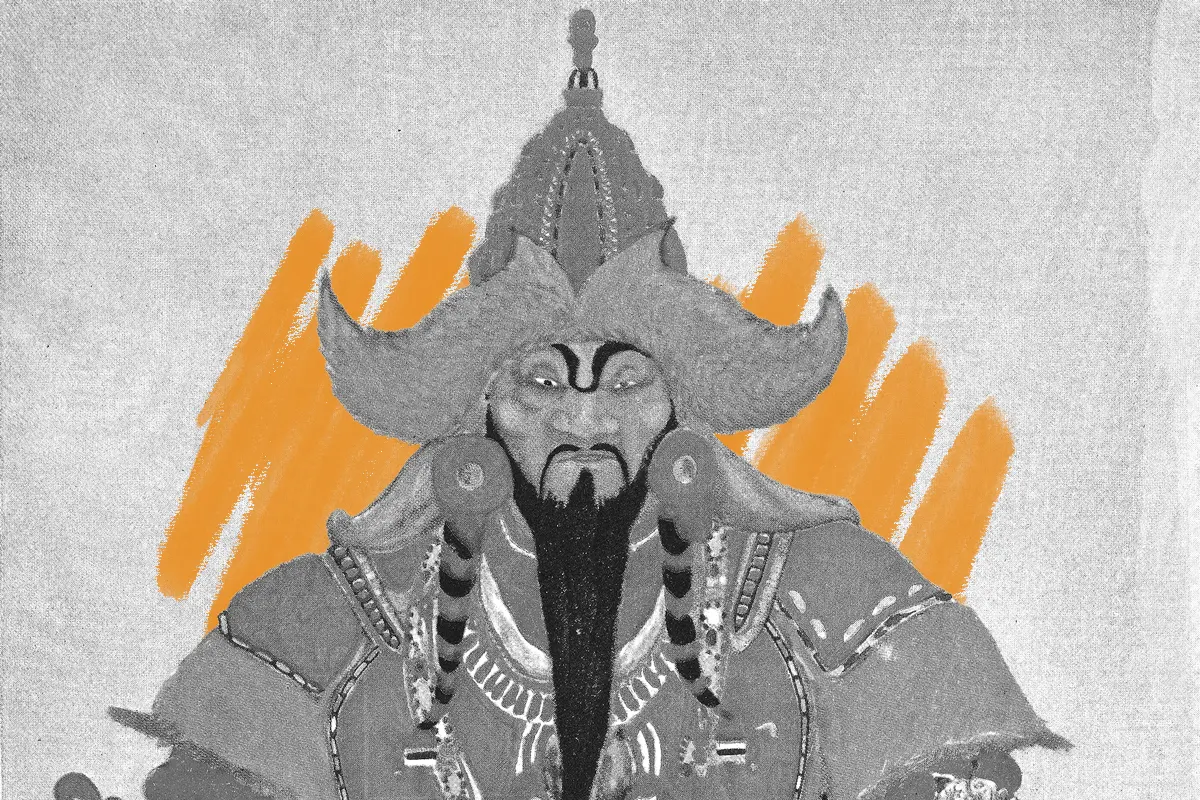
A common error is viewing Genghis Khan solely as a bloodthirsty barbarian. While his campaigns resulted in millions of deaths and the destruction of entire cities, he was also a sophisticated state-builder who valued literacy and diplomacy. Many historians emphasize that his brutality was often a calculated tactical choice intended to minimize his own casualties by forcing immediate capitulation. Ignoring his administrative innovations leads to an incomplete understanding of how his empire survived long after his death.
Another mistake is assuming the Mongol Empire was a monolithic entity. It was a collection of diverse cultures held together by Mongol leadership. Readers should avoid these pitfalls:
- Assuming the Mongols lacked culture: They were highly literate and kept detailed records.
- Overestimating the size of the Mongol army: Their success relied on speed and technology, not just sheer numbers.
- Ignoring the role of his successors: The empire’s peak occurred under his sons and grandsons, particularly Ogedei and Kublai Khan.
What is the legacy of the Mongol Empire today?
The legacy of Genghis Khan is woven into the fabric of modern history. His conquests accelerated the spread of gunpowder, the compass, and paper money from China to the Middle East and Europe. By connecting these disparate regions, he laid the groundwork for the modern globalized world. Furthermore, the genetic impact of his bloodline is still detectable in millions of people across Central and East Asia, serving as a biological testament to the scale of his influence.
Ultimately, Genghis Khan remains a polarizing figure who represents the intersection of destruction and creation. He dismantled the old world order of the 12th century and replaced it with a framework that prioritized trade and communication. His ability to synthesize the strengths of different cultures allowed the Mongols to govern a territory that stretched from the Pacific Ocean to the gates of Vienna. His life serves as a definitive case study in how a single individual can fundamentally alter the trajectory of human civilization for centuries to come.
Key facts
- Genghis Khan was born around 1162 with the name Temüjin and rose from poverty to unite the warring Mongol tribes.
- In 1206, he was proclaimed "Genghis Khan," meaning "Universal Ruler," at a council of Mongol leaders known as a kurultai.
- He established the Mongol Empire, which eventually became the largest contiguous land empire in human history.
- His military success relied on highly mobile horse archers, strict meritocratic discipline, and innovative psychological warfare tactics.
- He implemented the Yassa, a comprehensive legal code that regulated social conduct, trade, and religious tolerance across his vast territories.
- When studying his life, avoid the common mistake of viewing him solely as a destructive barbarian; he was also a sophisticated administrator who fostered trade along the Silk Road.
The bottom line
Genghis Khan was a transformative leader whose life reshaped the geopolitical landscape of the medieval world. By unifying the nomadic tribes of the steppes, he forged an empire that facilitated global trade and cultural diffusion. Though his conquests involved immense violence, his legacy includes the establishment of modern diplomatic protocols, religious freedom, and a legal framework that connected the East and West for generations.
People also ask
How did Genghis Khan die?
He died in August 1227 during a campaign against the Western Xia kingdom. While historical accounts vary, most suggest he succumbed to internal injuries from a fall off his horse or a severe illness.
What was the Pax Mongolica?
This term refers to the period of relative stability and peace that followed the Mongol conquests. It allowed for unprecedented trade, communication, and cultural exchange across Eurasia via the Silk Road.
Did Genghis Khan have many descendants?
Yes, genetic studies suggest that a significant percentage of the modern male population in Central and East Asia shares a Y-chromosomal lineage linked to him. His vast harem and numerous sons ensured his genetic legacy spread rapidly.
What was the role of women in the Mongol Empire?
Mongol women held significant influence compared to their contemporaries in sedentary societies. They managed the domestic economy, advised their husbands on political matters, and sometimes governed entire regions during military campaigns.
How did the Mongols defeat more established armies?
They utilized superior mobility, feigned retreats to draw enemies into traps, and incorporated captured foreign engineers to develop advanced siege weaponry. This adaptability allowed them to conquer fortified cities that were previously considered impregnable.
What is the significance of the Mongol capital, Karakorum?
Karakorum served as the political and economic heart of the empire during the mid-13th century. It became a cosmopolitan hub where merchants, artisans, and religious leaders from across the world met and exchanged ideas.
This answer was created with the help of AI research tools and reference sources. Spotted an error? Let us know — we correct mistakes quickly. See our editorial policy.