What is a dragon in mythology?
Short answer
A dragon is a legendary serpentine or reptilian creature found in the folklore of cultures worldwide. Typically depicted as powerful, winged, and often fire-breathing, these beings symbolize chaos, wisdom, or divine power. While Western traditions often frame them as antagonistic monsters, Eastern traditions frequently revere them as auspicious, water-dwelling guardians of nature.
On this page
What are the main types of dragons?
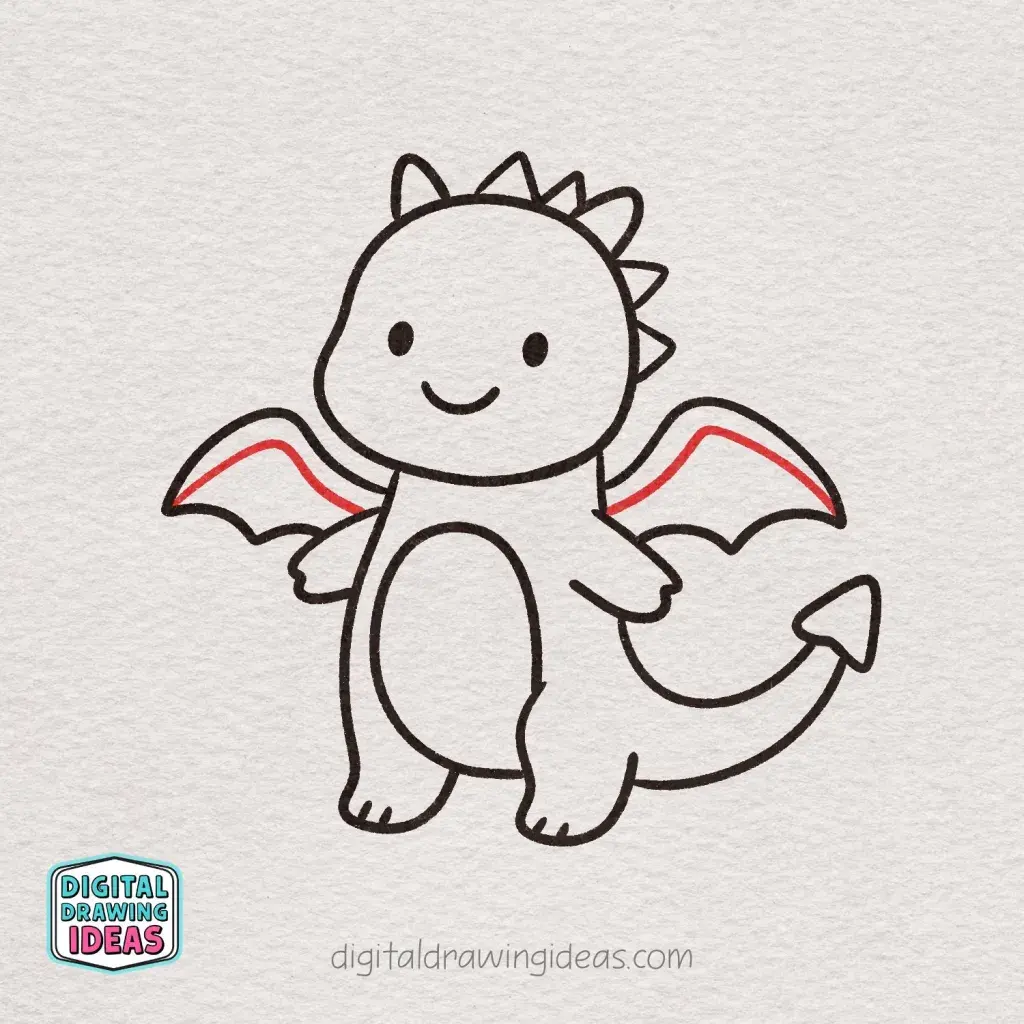
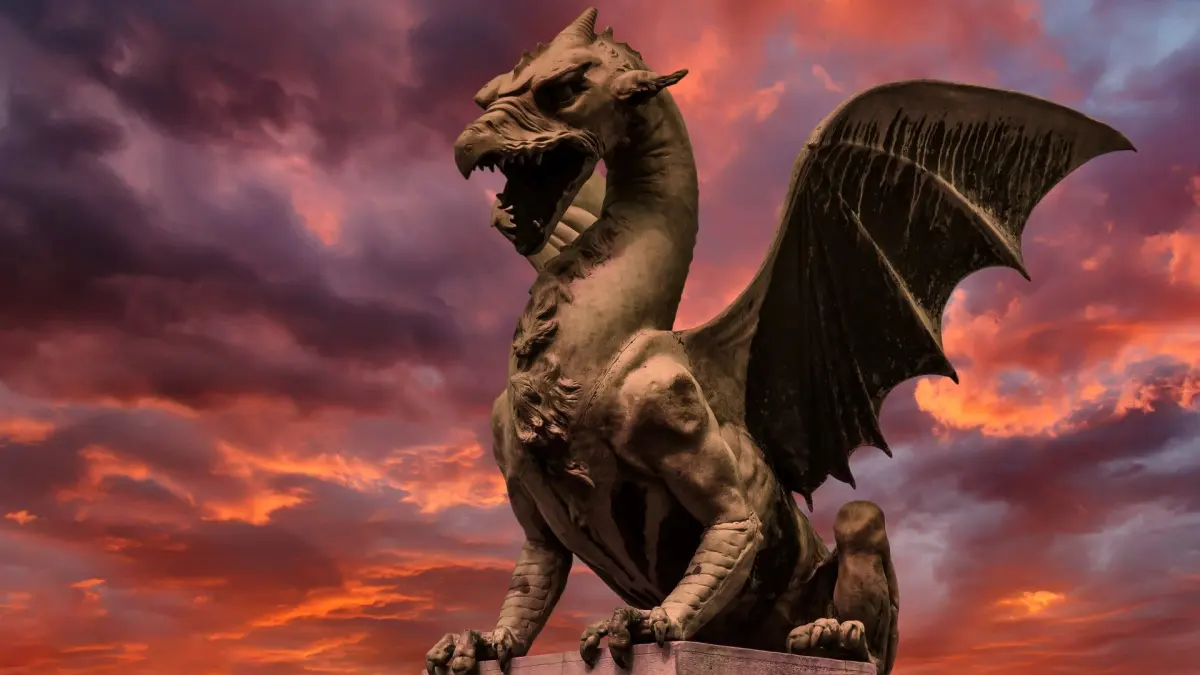
Dragons are categorized primarily by their cultural origins, which dictate their symbolic meaning and physical form. In European mythology, dragons are often portrayed as quadrupedal, winged beasts covered in scales, frequently associated with greed, hoarding gold, and terrorizing local populations. These creatures, such as the one slain by Saint George, represent the embodiment of evil or the untamed wilderness that must be conquered by a hero.
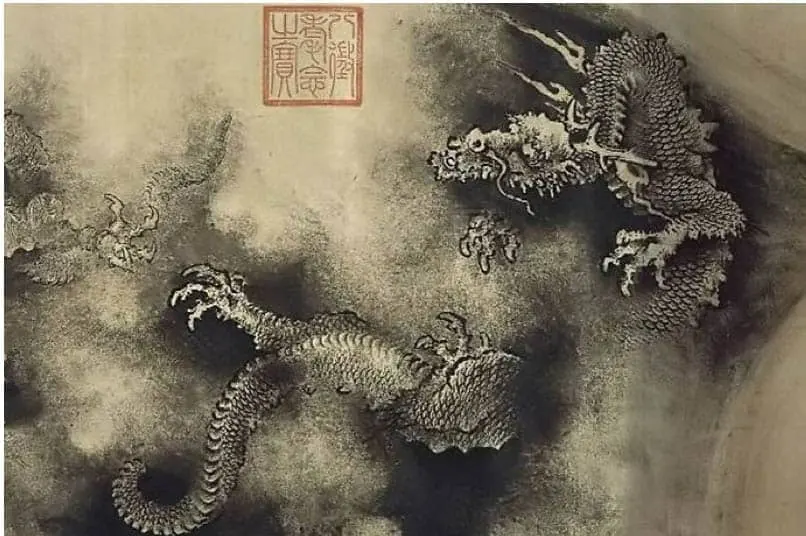
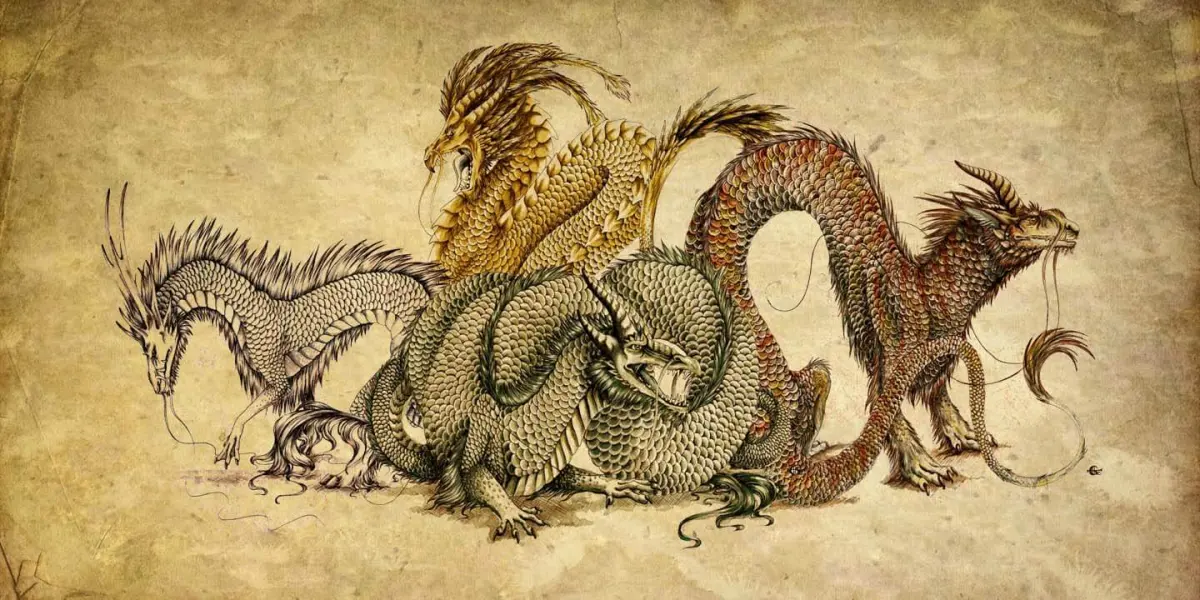
In contrast, East Asian dragons, particularly those in Chinese and Japanese mythology, are typically depicted as long, serpentine spirits without wings. They are revered as benevolent deities associated with water, rainfall, and typhoons. Unlike their Western counterparts, these dragons are seen as symbols of imperial authority, wisdom, and good fortune. They are often described as having the features of several animals, including the antlers of a deer, the claws of an eagle, and the body of a snake.
- European dragons: Often winged, four-legged, fire-breathing, and malevolent.
- Chinese dragons: Serpentine, wingless, associated with water and prosperity.
- Mesoamerican dragons: Feathered serpents like Quetzalcoatl, representing wind and knowledge.
- Middle Eastern dragons: Often depicted as chaotic sea monsters like Tiamat or Lotan.
How did dragon myths develop historically?
The concept of the dragon likely emerged from the human tendency to anthropomorphize natural threats or interpret fossil discoveries. Ancient civilizations frequently encountered large skeletal remains of dinosaurs or prehistoric mammals, which they could not explain with contemporary science. These bones were often interpreted as the remnants of legendary beasts, reinforcing oral traditions and myths that had been passed down through generations.
Furthermore, the dragon serves as a psychological archetype for the "other." By creating a monstrous entity, early cultures could externalize their fears of natural disasters, such as floods or droughts. The dragon became a vessel for these anxieties, providing a narrative structure where a hero or a deity could confront and subdue the forces of chaos. This helped early societies make sense of an unpredictable world through storytelling and religious ritual.
- Discovery of fossils: Ancient people found large bones and attributed them to mythical creatures.
- Cultural synthesis: Various animal traits were combined to create a "super-predator."
- Symbolic codification: Religions integrated these creatures into their moral and cosmological frameworks.
- Literary preservation: Medieval bestiaries and epic poetry solidified the dragon's place in global literature.
Why are dragons associated with fire and water?
The elemental association of a dragon often reflects the geography and climate of the culture that created the myth. In arid or temperate regions, the dragon is frequently linked to fire, representing the destructive power of heat, drought, or volcanic activity. This fire-breathing trait serves as a metaphor for the dragon's role as an unstoppable force of nature that consumes everything in its path.
Conversely, in agricultural societies that relied on seasonal rains, dragons are almost exclusively tied to water. In Chinese culture, the dragon is the master of the weather, responsible for the arrival of the monsoon and the health of the rivers. If a drought occurred, rituals were performed to appease the dragon and encourage it to release the life-giving rain. This duality highlights how mythology is deeply rooted in the practical survival needs of ancient populations.
Common mistakes when interpreting dragon mythology
A frequent error is assuming that all dragons represent the same archetype across different time periods. Many people mistakenly believe that all dragons are inherently evil, failing to recognize the profound respect and veneration shown to dragons in Eastern traditions. Applying a Western, Christian-influenced lens to a Chinese dragon leads to a fundamental misunderstanding of its role as a protector and a symbol of celestial power.
Another mistake is conflating dragons with other mythical creatures like wyverns or drakes. While these terms are sometimes used interchangeably in modern fantasy, they have distinct heraldic and mythological definitions. A wyvern, for example, is technically defined by having only two legs, whereas a traditional dragon has four. Understanding these nuances is essential for anyone interested in the historical accuracy of folklore and the evolution of beast legends.
How to study dragons as a historical subject
To effectively study the mythology of dragons, one should approach the subject through the lens of comparative mythology and anthropology. Begin by examining the primary texts of the culture in question, such as the Beowulf epic for Germanic traditions or the Classic of Mountains and Seas for Chinese folklore. This ensures that you are engaging with the original cultural context rather than modern interpretations found in popular media.
Avoid relying solely on modern fantasy novels or films, as these often strip away the symbolic depth of the original myths. Instead, look for academic analyses that discuss the relationship between the dragon and the specific social, political, or environmental conditions of its origin. By focusing on the "why" behind the myth, you gain a deeper appreciation for how dragons have functioned as mirrors for human civilization for thousands of years.
Key facts
- Dragons are legendary creatures typically depicted as reptilian, serpent-like, or chimerical beings possessing magical or spiritual powers.
- Western traditions generally portray dragons as malevolent, fire-breathing monsters that guard treasure and require a hero to defeat them.
- Eastern traditions, particularly in China and Japan, view dragons as auspicious symbols of wisdom, power, and control over water and weather.
- The word "dragon" derives from the Greek drakōn, meaning "serpent" or "fish of giant size," reflecting their ancient roots in snake mythology.
- Many cultures developed dragon myths independently, suggesting a universal human tendency to project fears of predators onto composite, supernatural beasts.
- When researching dragon lore, avoid conflating all variations into a single archetype, as the symbolism ranges from divine entities to destructive demons.
The bottom line
Dragons are multifaceted mythological figures that occupy a unique space in human imagination. While Western folklore often casts them as dangerous obstacles for heroic figures, Eastern traditions celebrate them as benevolent, divine rulers of the natural world. By understanding these regional distinctions, you can better appreciate how different civilizations have utilized the dragon as a powerful vehicle for exploring themes of fear, wisdom, and cosmic order.
People also ask
Do dragons appear in the Bible?
The Bible mentions a "great dragon" in the Book of Revelation, which is interpreted as a symbol for Satan or cosmic evil. This reflects the early Christian tradition of associating serpentine figures with temptation and spiritual opposition.
Are dragons real animals?
No, dragons are entirely mythical creatures that do not exist in the biological record. While some extinct dinosaurs or giant monitor lizards like the Komodo dragon may have inspired these legends, they lack the supernatural traits attributed to mythological dragons.
What is the difference between a dragon and a wyvern?
In heraldry and fantasy literature, a dragon is typically depicted with four legs and two wings. A wyvern is a smaller, two-legged creature with wings that often serve as its front limbs.
Why are Eastern dragons often wingless?
Eastern dragons are traditionally depicted as serpentine, aquatic beings that fly through magical means rather than physical wings. Their design emphasizes fluidity and connection to the sky and water rather than terrestrial flight.
What do dragons symbolize in alchemy?
In alchemy, the dragon often represents the volatile nature of mercury or the primal matter that must be transformed. It serves as a metaphor for the raw, chaotic energy that an alchemist seeks to refine into gold.
What is the most famous dragon-slaying myth?
The legend of Saint George and the Dragon is the most prominent in Western culture, dating back to the Middle Ages. It depicts the saint rescuing a princess from a dragon terrorizing a city, symbolizing the triumph of faith over evil.
This answer was created with the help of AI research tools and reference sources. Spotted an error? Let us know — we correct mistakes quickly. See our editorial policy.