What do totem poles represent?
Short answer
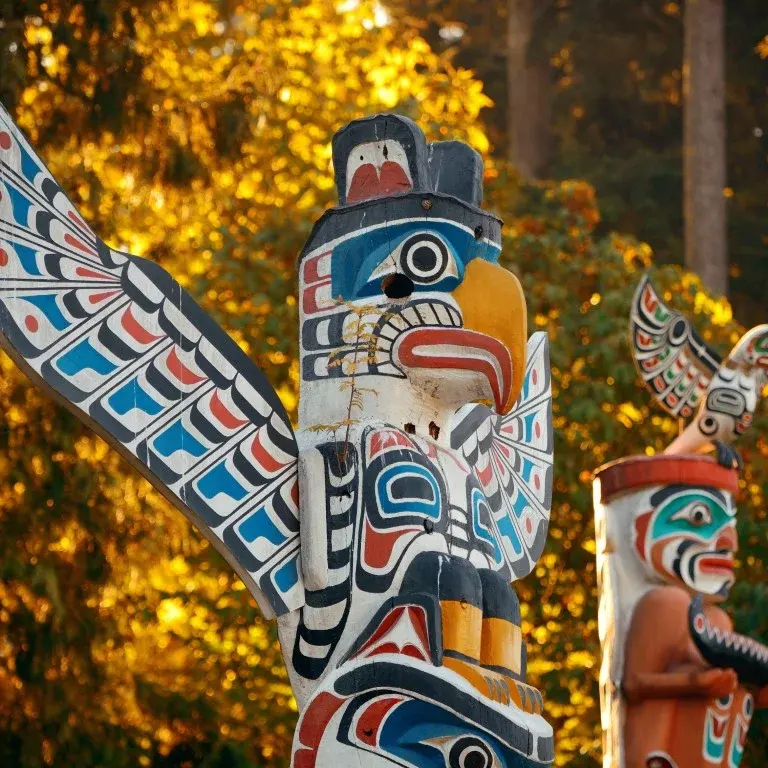
Totem poles are monumental carvings created by Indigenous peoples of the Pacific Northwest Coast. They serve as visual records of lineage, oral histories, and significant cultural events. Rather than objects of worship, these poles function as heraldic displays, marking social status, commemorating ancestors, and asserting the rights and privileges of specific clans.
On this page
What do totem poles represent in Indigenous culture?
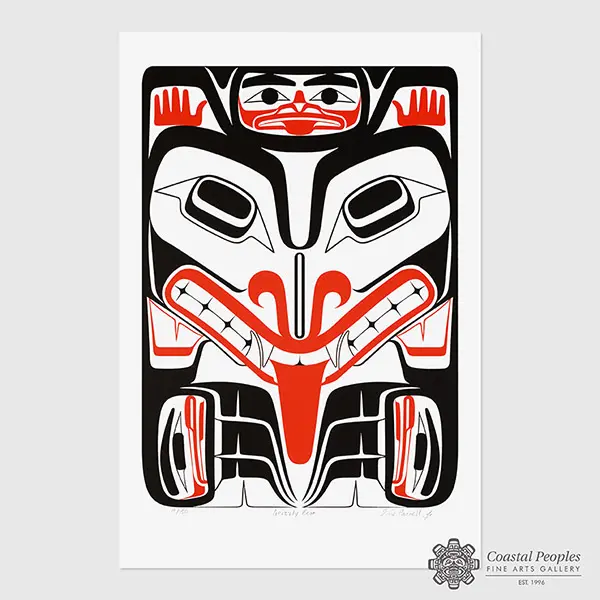
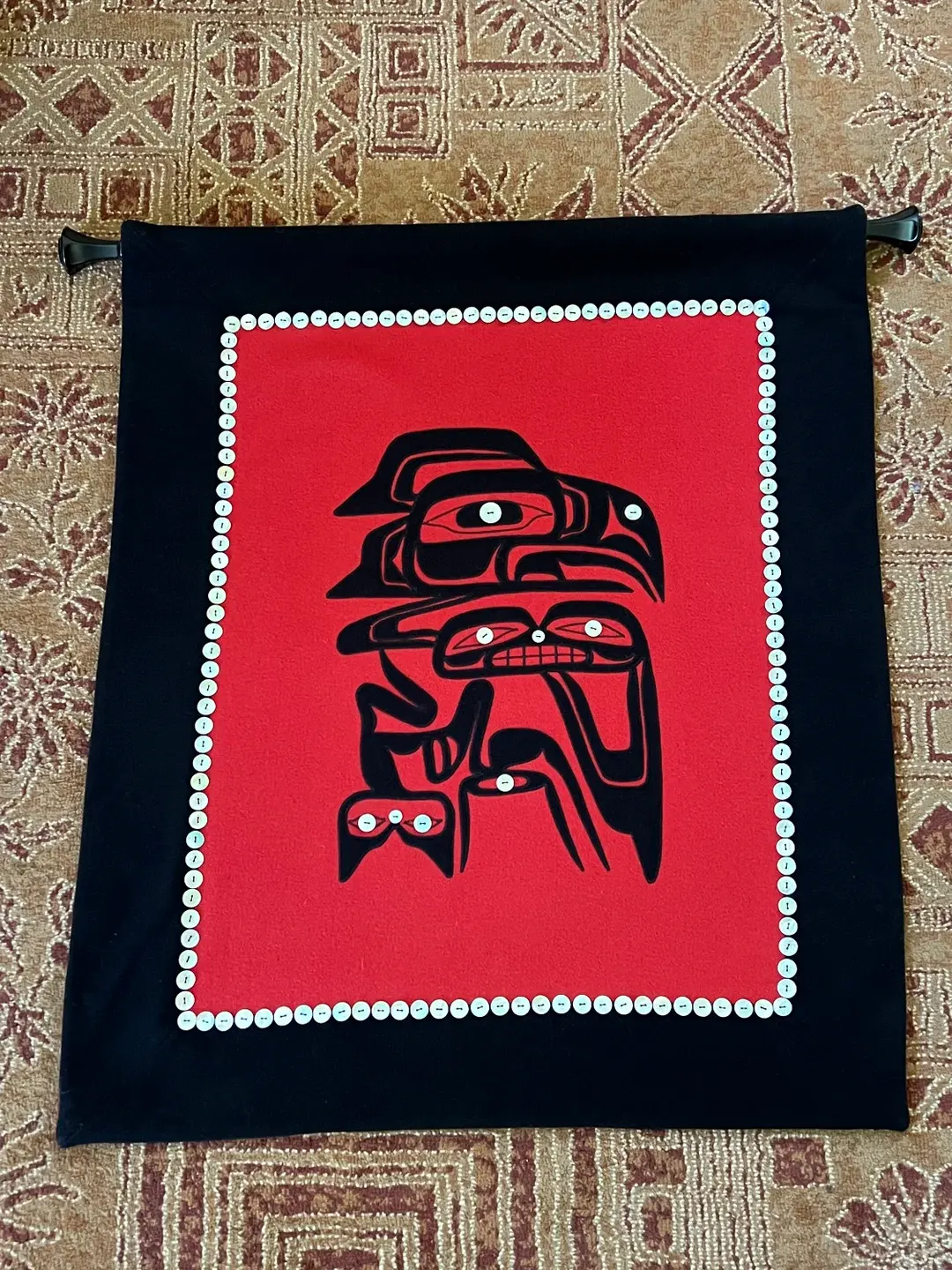
Totem poles are deeply rooted in the social and political structures of Pacific Northwest Coast nations, such as the Haida, Tlingit, Tsimshian, and Coast Salish. These structures are not religious idols; instead, they act as sophisticated historical documents. Each carving serves to document the identity of a family or clan, illustrating their specific crests, which are inherited rights passed down through generations. These crests often take the form of animals or supernatural beings that share a historical connection with the lineage.
By displaying these figures, a family publicly declares its history and its connection to the land and the spirit world. A pole might commemorate a potlatch, a significant ceremony involving the distribution of wealth, or mark the passing of a high-ranking chief. They represent the legitimacy of a leader’s authority and the collective memory of the community. Through these carvings, oral traditions are preserved in a physical, enduring format that remains visible to all members of the society.
How are totem poles designed and carved?
The creation of a totem pole is a highly specialized craft that requires extensive knowledge of both artistic technique and cultural protocol. Traditionally, master carvers select large, straight-grained western red cedar trees, which are prized for their durability and ease of carving. The process begins with the removal of bark and the hollowing of the back of the pole to prevent splitting as the wood dries.
Carvers typically follow a set of traditional design elements, including ovoids, U-forms, and S-forms, which create a distinct visual language. The figures are arranged vertically, often representing a chronological or symbolic narrative. The following steps outline the traditional creation process:
- Selection of a suitable cedar tree by a master carver and community elders.
- Ceremonial blessing of the tree before it is felled or transported.
- Roughing out the primary shapes with an adze to establish the main figures.
- Detailed carving of the features using specialized knives and chisels.
- Final painting, traditionally using natural pigments like charcoal, ochre, and copper.
Why are totem poles placed in specific locations?
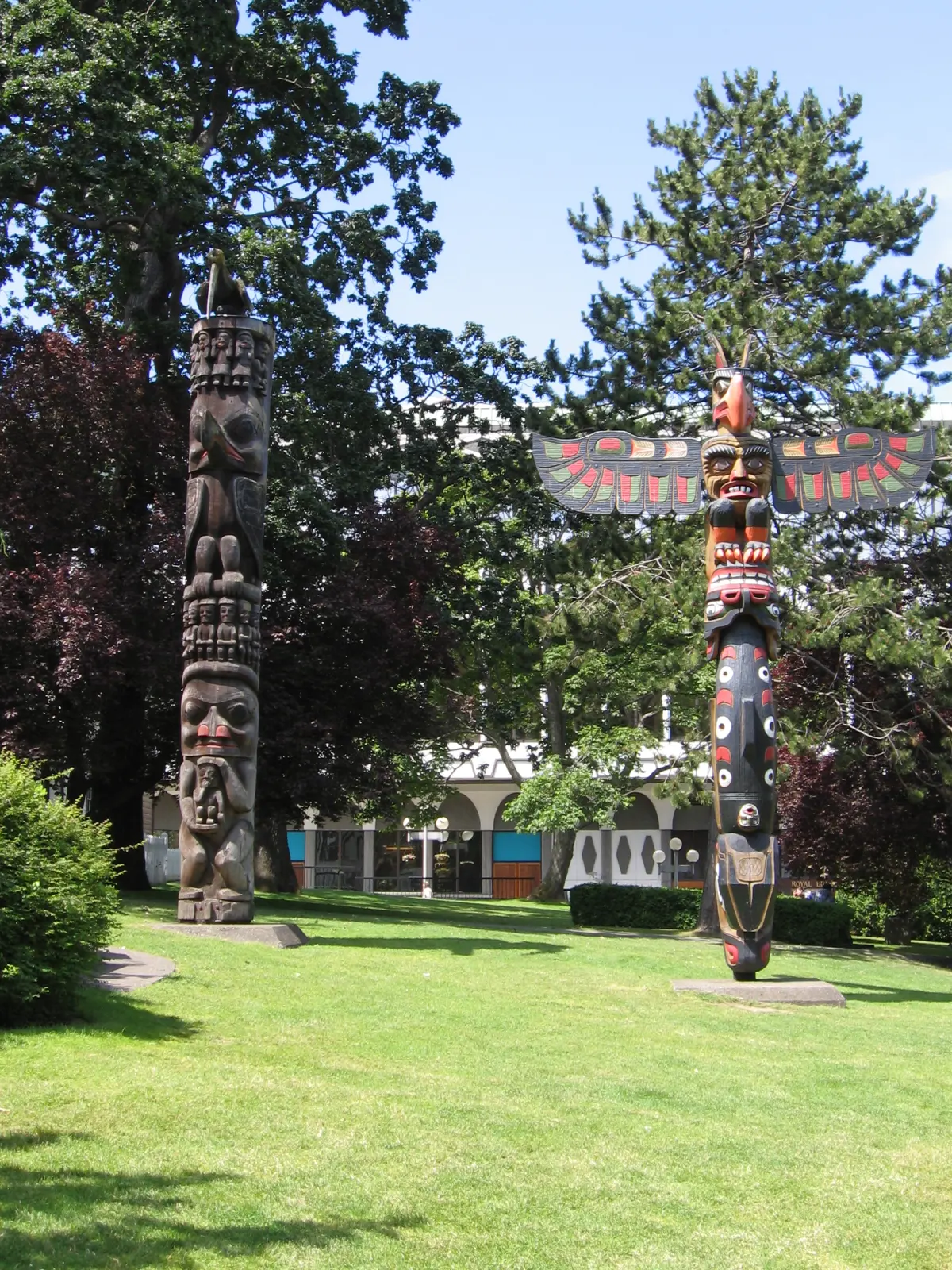
The placement of a totem pole is never arbitrary; it is determined by the specific function the pole serves within the village. House frontal poles, for example, are integrated into the architecture of a longhouse, often featuring an opening at the base that serves as a doorway. These poles identify the residents inside and signify the prestige of the household head.
Other types of poles serve different roles in the landscape:
- Mortuary poles: These are erected to honor deceased chiefs and sometimes contain the remains of the individual within a cavity at the top.
- Memorial poles: These are raised to commemorate a specific event or to honor a person who died away from home.
- Shame poles: Historically, these were erected to publicly ridicule an individual or group who failed to meet an obligation or debt.
- Welcome poles: These are placed near the water’s edge to greet visitors and identify the territory of the host nation.
Common mistakes when interpreting totem poles
A frequent error among outsiders is the assumption that totem poles are worshipped as deities. This misconception stems from a misunderstanding of the word "totem," which is derived from the Ojibwe word odoodem, meaning "my kinship group." The figures carved on the poles are ancestors or spirit beings associated with a clan’s history, but they are not objects of religious prayer or ritual sacrifice in the way Western observers might expect.
Another common mistake is treating all totem poles as identical in meaning. Each pole is unique to the family that commissioned it. A figure of a raven on one pole may represent a completely different story or ancestral connection than a raven on a pole from a different village. It is also incorrect to view these poles as static relics of the past. They remain vital symbols of contemporary Indigenous identity, resilience, and the ongoing assertion of sovereignty and cultural heritage in the modern era.
How to respect and preserve totem poles today
Preservation is a critical issue, as many historic poles are vulnerable to decay, moisture, and environmental damage. Many Indigenous communities now work with museums and conservators to document and protect existing poles. If you visit a site where totem poles are present, it is essential to follow local guidelines to ensure these cultural treasures are treated with the dignity they deserve.
To engage with these cultural markers respectfully, keep the following practices in mind:
- Never touch the wood of a pole, as oils from human skin can accelerate the degradation of the surface and any remaining pigments.
- Maintain a respectful distance and avoid climbing on or leaning against the structures.
- Listen to the guidance of local cultural centers or Indigenous guides who can provide the correct context for the specific poles you are viewing.
- Understand that these are private property of the clans; photographing them for personal use is usually acceptable, but commercial use or reproduction often requires explicit permission from the family or nation.
Key facts
- Totem poles are monumental carvings created by Indigenous peoples of the Pacific Northwest Coast, such as the Haida, Tlingit, and Tsimshian.
- They are not religious icons or objects of worship, but rather historical records, heraldic markers, and architectural supports.
- Common figures carved include ravens, eagles, bears, frogs, and whales, which represent specific family lineages or clan crests.
- A "potlatch" is a traditional ceremony where a new totem pole is unveiled to validate the owner's social status and ancestral claims.
- The poles are typically carved from western red cedar, a rot-resistant wood that is culturally significant to the region's tribes.
- When visiting, never touch or lean on a totem pole, as the natural oils from human skin can damage the wood and paint.
The bottom line
Totem poles serve as vital cultural archives for Pacific Northwest Indigenous communities, functioning as physical manifestations of oral history, family identity, and social status. Rather than being religious idols, these cedar monuments act as public records that honor ancestors and validate lineage. Respecting these carvings requires understanding their specific cultural context and recognizing that they are living expressions of heritage that remain deeply tied to the land.
People also ask
Are totem poles meant to be worshipped?
No, totem poles are not religious objects. They function as visual storytelling devices, family crests, or memorials for deceased leaders rather than deities.
Why do some totem poles have figures stacked on top of each other?
The stacking of figures often represents a sequence of events, ancestral myths, or the genealogy of a specific family. Each figure serves as a visual chapter in a narrative.
How long does a totem pole last?
Because they are made of wood and exposed to the elements, most poles eventually decay and return to the earth. A well-maintained pole may last 60 to 80 years before needing replacement.
Can anyone carve a totem pole?
Carving is a highly specialized skill passed down through generations within specific families. It is considered an appropriation to commission or carve a pole without proper cultural authorization.
What does it mean when a totem pole is left to rot?
Letting a pole decay naturally is a traditional practice that honors the cycle of life. It allows the wood to return to the land, completing the story it was carved to tell.
Are totem poles found all over North America?
No, the tradition is specific to the coastal regions of British Columbia, Alaska, and Washington State. Poles seen elsewhere are often modern replicas or cultural exports.
This answer was created with the help of AI research tools and reference sources. Spotted an error? Let us know — we correct mistakes quickly. See our editorial policy.