What is Haida Gwaii famous for?
Short answer
Haida Gwaii is an archipelago off British Columbia’s coast, renowned as the "Galápagos of the North." It is world-famous for its deep-rooted Haida culture, ancient totem poles, and unique biodiversity. Visitors travel here for the protected wilderness of Gwaii Haanas, temperate rainforests, and a profound connection to Indigenous history and sovereignty.
On this page
Why is Haida Gwaii called the Galápagos of the North?
The archipelago earned its nickname because of its isolation during the last ice age, which allowed unique flora and fauna to evolve. Unlike the rest of the Pacific Northwest, parts of these islands remained unglaciated, acting as a biological refuge. Today, researchers identify several subspecies of black bears, ermine, and pine martens that exist nowhere else on Earth. The black bears here are notably larger than their mainland counterparts, having developed distinct physical traits over thousands of years of separation.
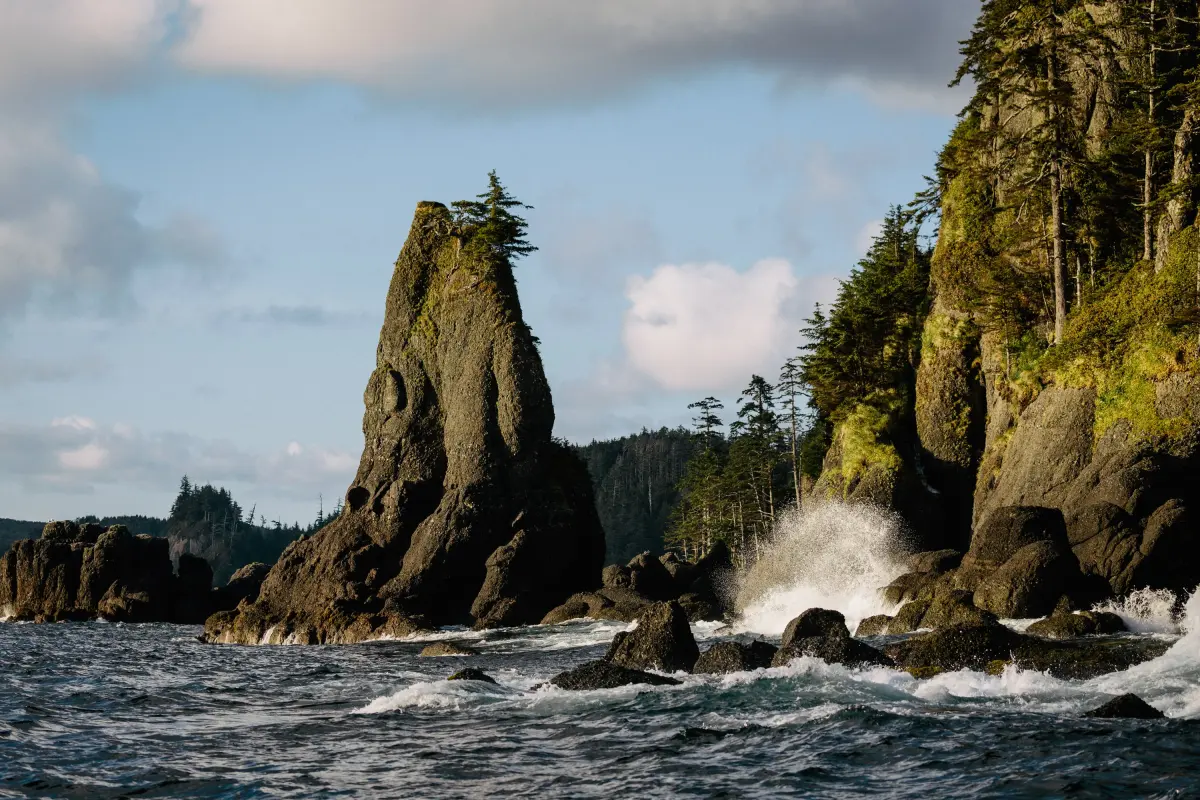
The ecological diversity extends from the rugged coastline to the dense, moss-covered old-growth forests. Sitka spruce and western red cedar dominate the landscape, creating a cathedral-like atmosphere that supports a vast array of bird species and marine life. Because the islands are removed from the mainland, the ecosystem remains fragile and highly sensitive to external pressures. Conservation efforts are prioritized to ensure that this evolutionary laboratory continues to function without the interference of invasive species or industrial development.
What is the cultural significance of the Haida people?
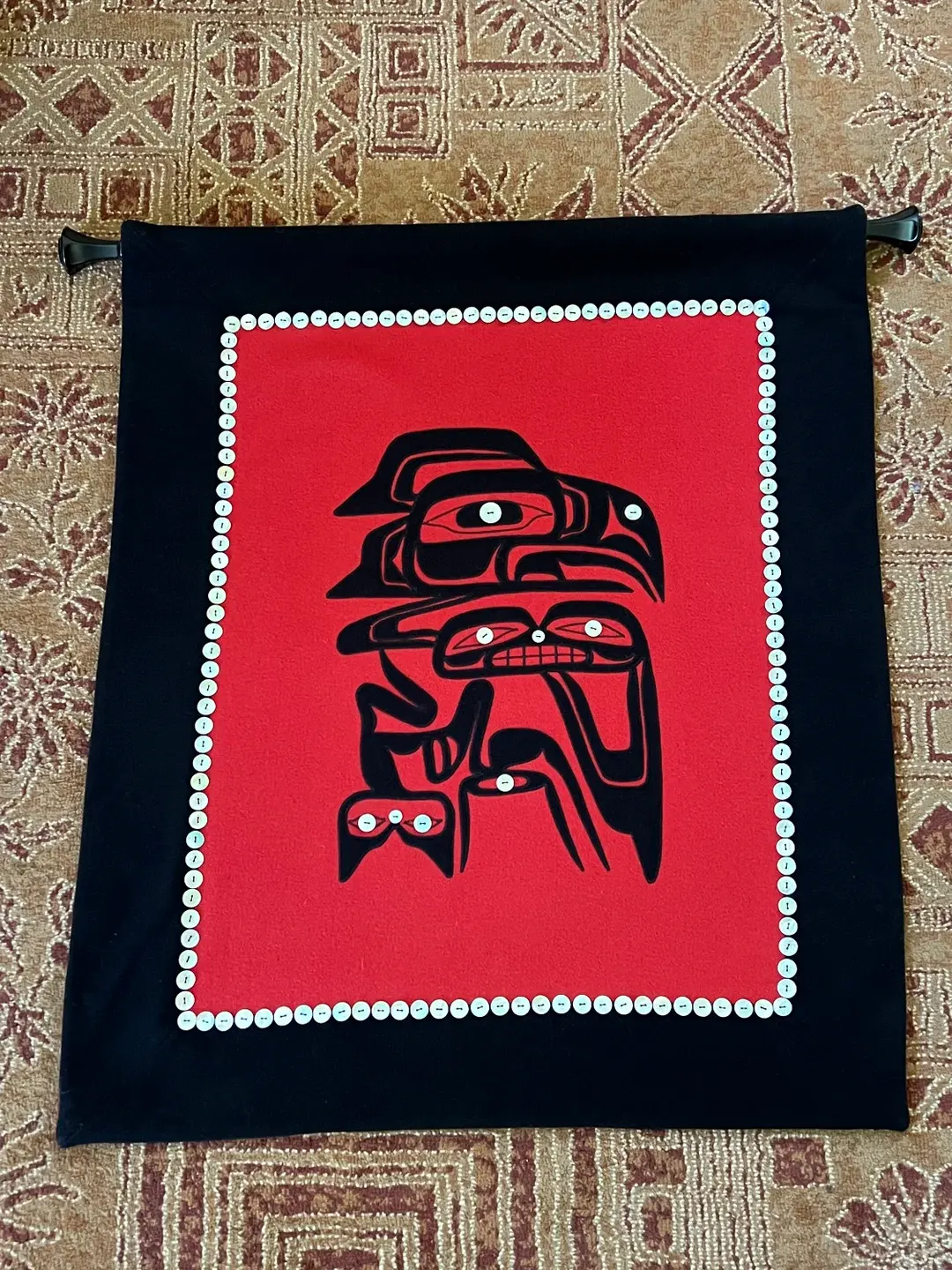
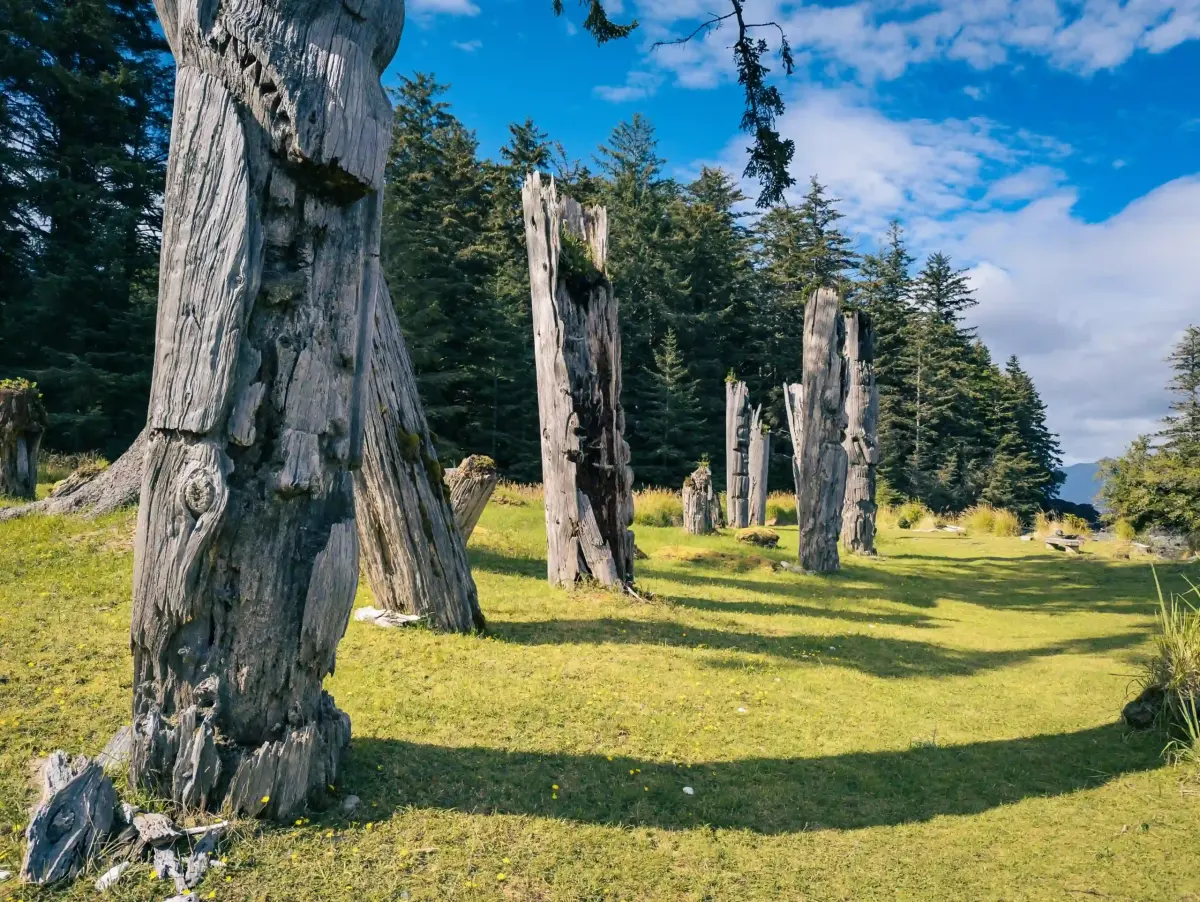
The Haida have inhabited these islands for over 13,000 years, maintaining a complex society governed by lineage and oral tradition. Their culture is visually defined by iconic totem poles, which serve as historical records, family crests, and funerary monuments. These carvings represent the intricate relationship between the people and the natural world, featuring motifs of ravens, eagles, and orcas. The Haida language, X̱aayda kíl or X̱aad kíl, is currently undergoing a significant revitalization effort to preserve ancestral knowledge for future generations.
Visitors can explore this living culture through several key community sites and institutions:
- The Haida Heritage Centre at Ḵay Llnagaay in Skidegate, which houses extensive collections of art and historical artifacts.
- The village of Old Massett, known for its active carving sheds where master artists continue traditional practices.
- The ancient village site of SG̱ang Gwaay, a UNESCO World Heritage site featuring original, weathered totem poles standing in their ancestral locations.
How do you visit Gwaii Haanas National Park Reserve?
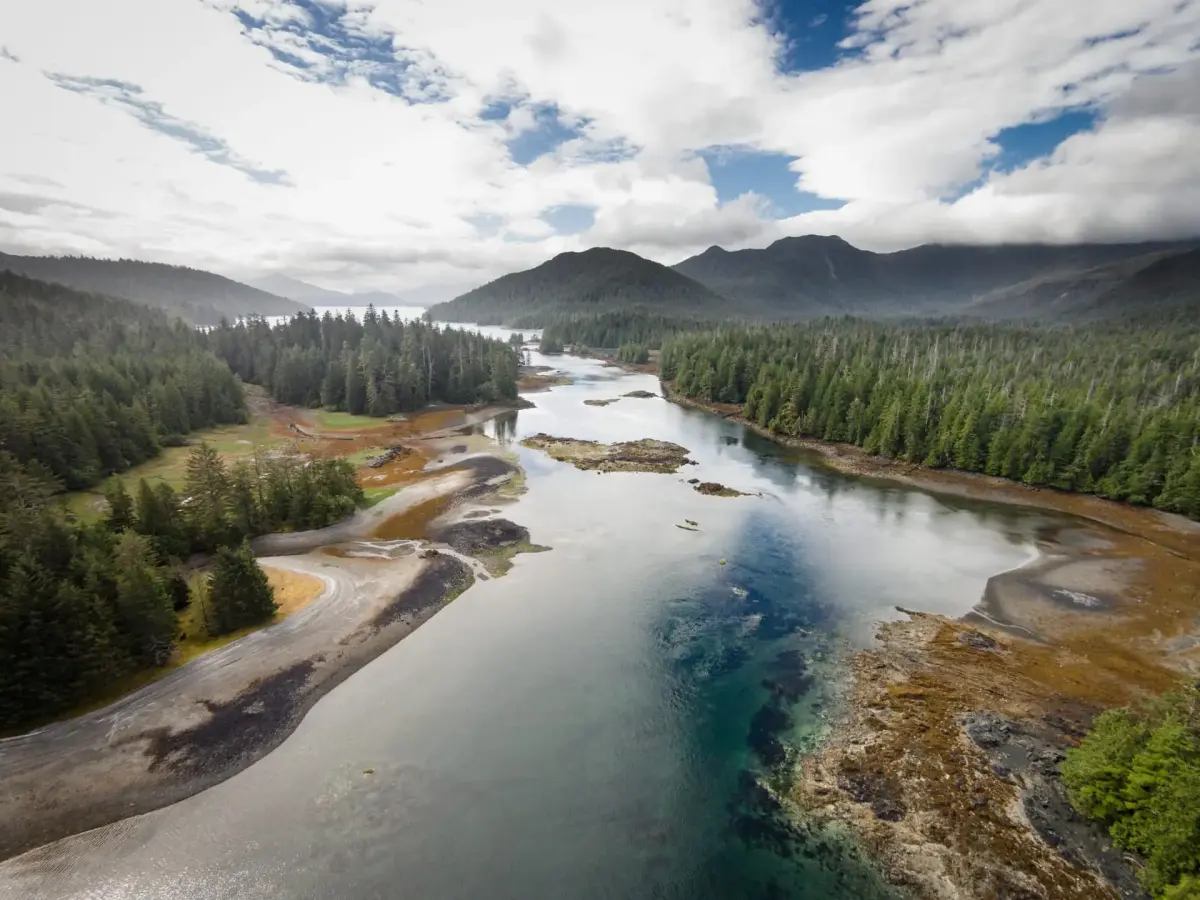
Gwaii Haanas is a remote, protected area that covers the southern portion of the archipelago. Because it is accessible only by boat or floatplane, visiting requires significant planning and respect for the Haida Gwaii Watchmen, who act as guardians of the land. The park is managed through a unique cooperative agreement between the Council of the Haida Nation and the Government of Canada. This partnership ensures that cultural heritage and ecological integrity remain at the forefront of all tourism activities.
To prepare for a trip to this wilderness area, follow these essential steps:
- Obtain a mandatory orientation session, which provides crucial information on site etiquette and safety.
- Book your transportation well in advance, as local operators have limited capacity during the short summer season.
- Pack waterproof gear and layers, as the weather can shift from sunshine to heavy rain within minutes.
- Register your travel plans with the park office to ensure you have the necessary permits for remote camping or cabin stays.
What are the best outdoor activities for beginners?
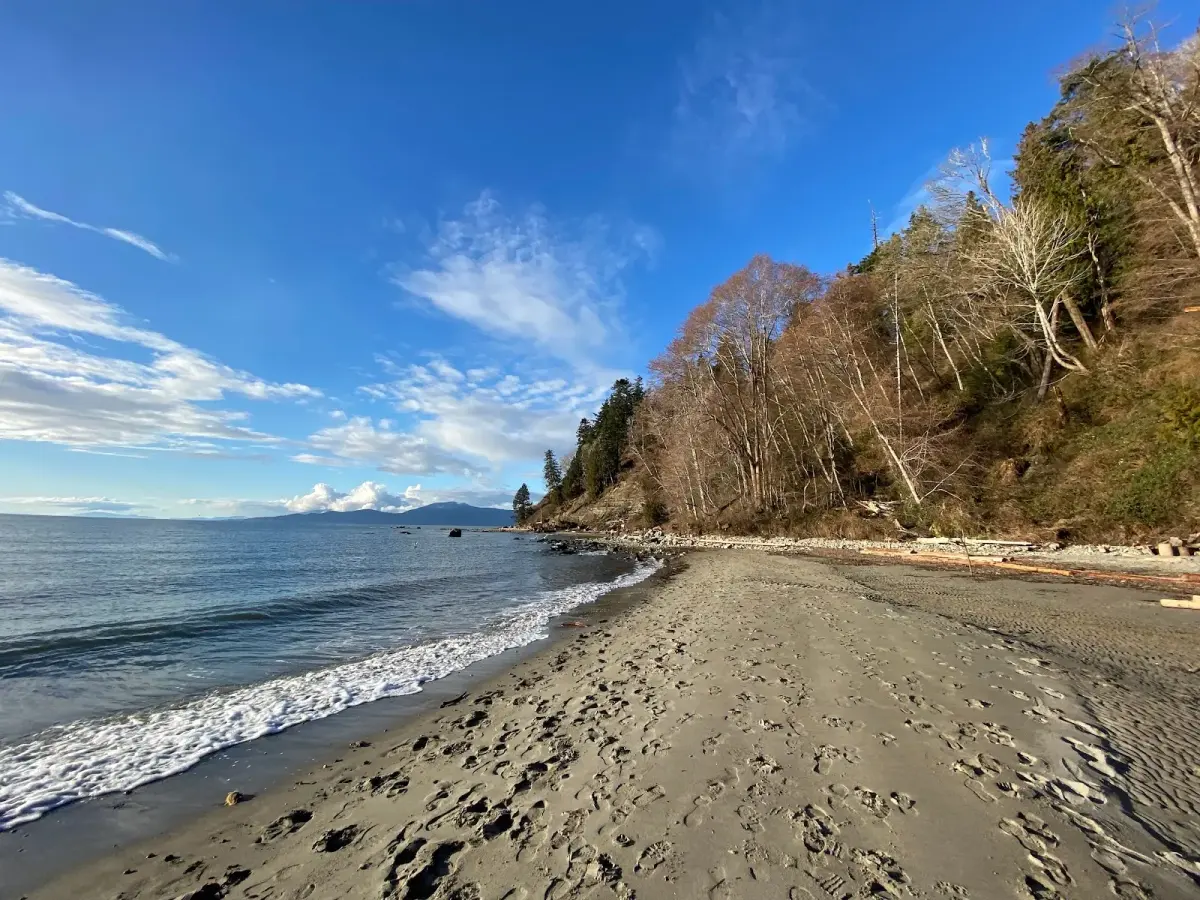
The islands offer accessible adventures for those who prefer staying closer to the main hubs of Queen Charlotte or Sandspit. Beginners should focus on the well-maintained trail systems that weave through the coastal rainforests. The Spirit Lake Trail and the Tow Hill boardwalk are excellent options for those looking for moderate hikes with high rewards. These paths provide stunning views of the North Beach dunes and the dramatic, wave-battered cliffs that define the northern coastline.
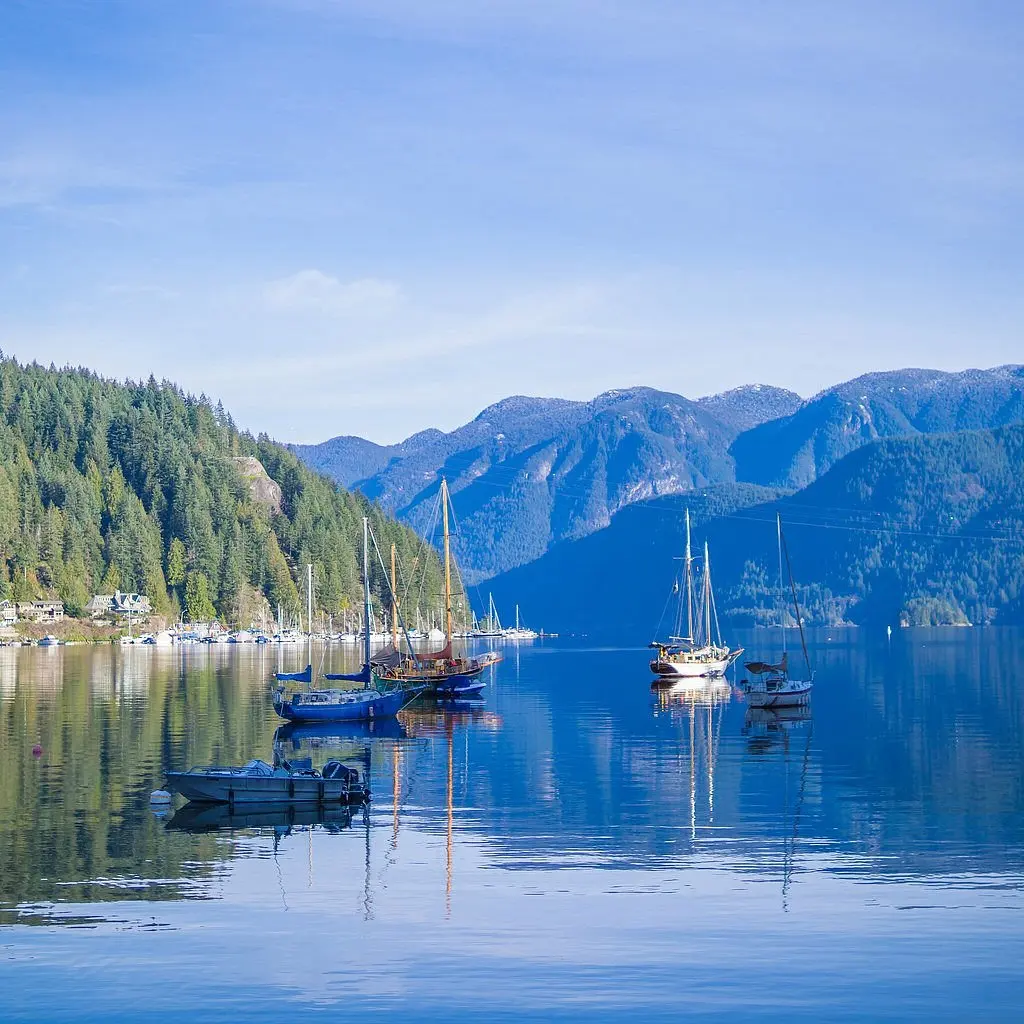
For those interested in marine life, kayaking in the protected waters of Skidegate Inlet is a perfect introduction to the local environment. Beginners can join guided tours that provide safety equipment and expert instruction on navigating the tidal currents. Common mistakes to avoid include:
- Underestimating the speed of the tide, which can leave you stranded on a beach or stuck in a mudflat.
- Ignoring the "leave no trace" principles, which are strictly enforced to protect the sensitive coastal habitat.
- Attempting to visit remote sites without a local guide, as the terrain is often rugged and poorly marked.
How to respect local customs and etiquette?
Respecting the Haida Nation is the most important aspect of any visit to the islands. The Haida have fought long and hard to regain control over their ancestral lands, and visitors are expected to act as guests rather than tourists. Always ask for permission before taking photographs of individuals or specific cultural sites. It is also important to remember that totem poles are sacred objects; never touch or climb on them, as they are often considered to be living entities that hold the spirits of ancestors.
When engaging with the community, keep these guidelines in mind to ensure a positive experience for everyone:
- Support local artists by purchasing authentic, handmade items directly from galleries or carving sheds.
- Practice patience, as the "island time" pace of life is a deliberate cultural value that prioritizes community over efficiency.
- Acknowledge the sovereignty of the Haida Nation by learning about the history of the islands before you arrive.
- Avoid collecting natural souvenirs like shells, stones, or wood, as these are part of the ecosystem that the Haida are actively protecting.
Key facts
- Haida Gwaii is an archipelago of about 150 islands located off the northern coast of British Columbia, Canada.
- The islands are home to the Haida Nation, who have inhabited the region for at least 13,000 years.
- Gwaii Haanas National Park Reserve, National Marine Conservation Area, and Haida Heritage Site covers 1,470 square kilometers of land and sea.
- The region is often called the "Galapagos of the North" due to its unique evolutionary history and high concentration of endemic species.
- Visitors must obtain a mandatory orientation and permit before entering the remote Gwaii Haanas area to protect cultural and ecological sites.
- The best time to visit is between June and September to ensure reliable ferry and flight access and milder coastal weather.
The bottom line
Haida Gwaii offers a profound intersection of ancient Indigenous heritage and pristine temperate rainforests. Whether you are exploring the ancient village sites of SGang Gwaay, observing unique wildlife, or engaging with the vibrant Haida culture, the islands provide a rare, immersive experience. By respecting local protocols and preparing for the remote environment, visitors can gain a deep appreciation for one of Canada’s most significant ecological and cultural treasures.
People also ask
Do I need a permit to visit Haida Gwaii?
You do not need a permit to visit the main islands, but you must obtain a permit and complete an orientation to enter the protected Gwaii Haanas region. These measures are in place to preserve sensitive archaeological sites and wilderness areas.
How do I get to Haida Gwaii?
You can reach the islands by a two-hour flight from Vancouver to Sandspit or Masset, or by a seven-hour ferry crossing from Prince Rupert. Booking travel in advance is essential, especially during the peak summer season.
What is the significance of the totem poles found there?
Totem poles are central to Haida culture, serving as historical records, lineage markers, and spiritual monuments. Many original poles are preserved in the Haida Heritage Centre, while others remain in their original village sites.
Is it safe to explore the islands on my own?
While the main roads are accessible, the wilderness is rugged and weather can change rapidly. Always carry emergency supplies, check tide charts, and inform locals of your travel plans if venturing into remote coastal areas.
What kind of wildlife can I see?
The archipelago is famous for its black bears, which are larger than those on the mainland, as well as bald eagles and diverse marine life. You can frequently spot humpback whales, orcas, and sea lions in the surrounding waters.
Can I buy Haida art directly from artists?
Yes, the Haida Heritage Centre in Skidegate is an excellent place to purchase authentic, locally made art. Avoid buying mass-produced souvenirs that mimic Haida designs, as these do not support the local community or traditional craftsmanship.
This answer was created with the help of AI research tools and reference sources. Spotted an error? Let us know — we correct mistakes quickly. See our editorial policy.