Who invented the dishwasher?
Short answer
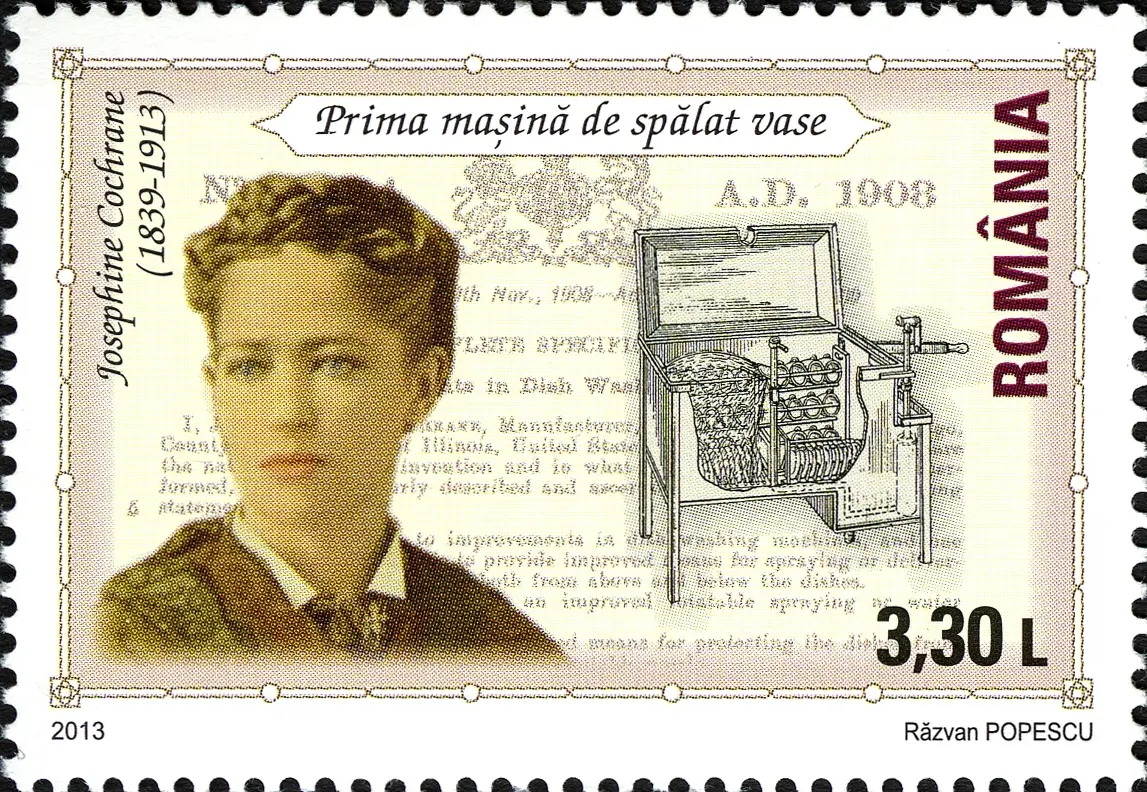
Josephine Cochrane is credited with inventing the first commercially successful dishwasher in 1886. While earlier inventors like Joel Houghton patented hand-cranked devices in 1850, those designs were ineffective. Cochrane, a wealthy socialite, sought a machine that could wash dishes without chipping them, eventually debuting her invention at the 1893 World’s Columbian Exposition.
On this page
Who invented the dishwasher?
The invention of the dishwasher was driven by necessity rather than industrial ambition. Josephine Cochrane, a resident of Shelbyville, Illinois, grew frustrated that her servants were chipping her fine china while hand-washing it. Determined to find a better way, she famously declared that if no one else would build a machine to wash dishes, she would do it herself. She designed the machine in her woodshed, measuring the dishes and creating wire compartments to hold them securely.
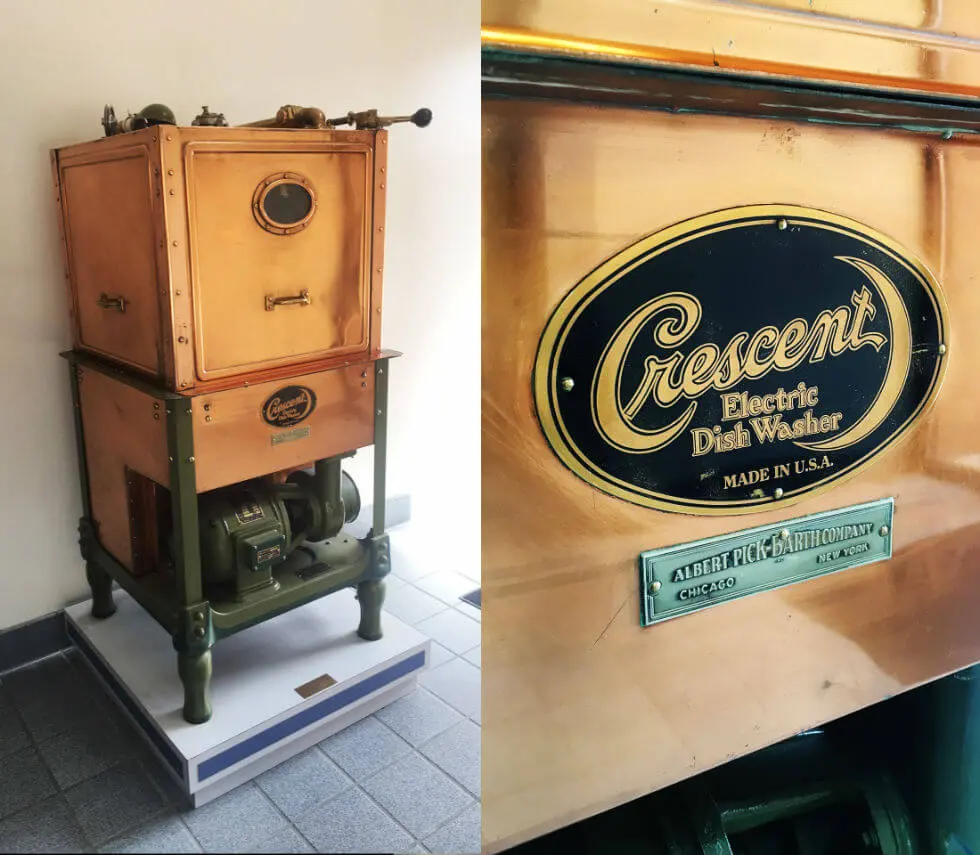
Cochrane’s design used a motor to turn a wheel inside a copper boiler, spraying hot, soapy water over the dishes. She received a patent for her invention on December 28, 1886. While she was not the first person to attempt to automate dishwashing, she was the first to create a model that actually functioned well enough to be sold. Her company, the Garis-Cochran Manufacturing Company, eventually became part of KitchenAid, which is now owned by the Whirlpool Corporation.
How does a dishwasher work?
A modern dishwasher functions through a systematic cycle of water heating, spraying, and draining. Once the user selects a cycle, the machine fills its basin with water, which is then heated by an internal element to a temperature between 120 and 150 degrees Fahrenheit. This hot water is mixed with detergent and pumped through rotating spray arms that blast the dishes to remove food particles.
The process follows a specific sequence designed to ensure sanitation and cleanliness:
- Pre-rinse: A short cycle removes loose debris.
- Main wash: Hot, soapy water is circulated at high pressure.
- Rinse: Clean water removes remaining soap residue.
- Drying: The machine uses heat or condensation to evaporate moisture.
Modern machines also include sensors that detect the level of turbidity, or cloudiness, in the water. These sensors determine how long the wash cycle should last and how much water is required, making them significantly more efficient than hand-washing.
How to load a dishwasher properly
Loading a dishwasher correctly is essential for optimal cleaning results. Many users make the mistake of overcrowding the racks, which prevents water from reaching all surfaces. Always place dishes at an angle so that water can run off rather than pooling in the bottom of cups or bowls. Silverware should be mixed in the basket to prevent nesting, which occurs when spoons stick together and block the water flow.
Follow these best practices to ensure your dishes come out clean every time:
- Place plates facing the center spray arm.
- Load glasses and mugs on the top rack only.
- Ensure tall items do not block the spray arm from rotating.
- Place plastics on the top rack to avoid melting from the heating element.
- Scrape off large food chunks, but do not pre-rinse, as modern detergents need food particles to activate.
Common mistakes when using a dishwasher
One of the most frequent errors users make is using too much detergent. Excess soap can leave a film on your glassware and may even cause the machine to leak. Additionally, many people put non-dishwasher-safe items into the machine, which can ruin delicate materials. Items made of wood, cast iron, or fine crystal should always be washed by hand to preserve their integrity and prevent cracking or warping.
Another common mistake is failing to clean the filter regularly. Most dishwashers have a removable filter at the bottom of the basin that traps food debris. If this filter becomes clogged, the machine will recirculate dirty water, leading to unpleasant odors and poor cleaning performance. You should aim to rinse this filter under hot water at least once a month. Furthermore, neglecting to use a rinse aid can leave unsightly water spots on your dishes, especially if you live in an area with hard water.
Why dishwasher technology has evolved
The evolution of the dishwasher has been shaped by the need for energy efficiency and water conservation. Early models were bulky, expensive, and used massive amounts of water. Today’s machines are designed to meet strict environmental standards, often using less than four gallons of water per cycle. This is a vast improvement over hand-washing, which can consume up to 27 gallons of water for the same amount of dishes.
Technological advancements have also focused on noise reduction and specialized cleaning cycles. Modern dishwashers feature sound-dampening insulation that allows them to run quietly, even in open-concept kitchens. Manufacturers have also introduced steam-cleaning options and high-temperature sanitizing cycles that kill bacteria more effectively than manual scrubbing. As smart home technology continues to integrate with kitchen appliances, future dishwashers will likely offer even greater connectivity, allowing users to monitor cycles and energy consumption remotely via smartphone applications. This progress ensures that Cochrane’s original vision of saving time and labor continues to be refined for the modern household.
Key facts
- Joel Houghton received the first U.S. patent for a hand-cranked wooden dishwasher in 1850.
- Josephine Cochrane invented the first commercially successful mechanical dishwasher in 1886.
- Cochrane’s design utilized a motor-driven pump and a wire rack to spray pressurized hot soapy water.
- Early machines were initially intended for hotels and restaurants rather than private residential kitchens.
- Home dishwashers did not become standard household appliances in the United States until the 1950s.
- To maximize efficiency, scrape off large food scraps before loading to prevent filter clogs.
The bottom line
While Joel Houghton secured the first patent, Josephine Cochrane is credited with the first practical, motor-driven dishwasher in 1886. Her invention transformed kitchen labor, though it took several decades for the technology to become a standard home fixture. Today, modern dishwashers are highly efficient machines that rely on proper loading techniques rather than pre-rinsing to ensure that dishes are cleaned thoroughly and safely every time.
People also ask
Did Josephine Cochrane invent the dishwasher because she hated cleaning?
Yes, Cochrane was a wealthy socialite who grew tired of her servants chipping her fine china. She famously declared that if no one else was going to invent a machine to wash dishes, she would do it herself.
Why were early dishwashers unsuccessful in homes?
Most early models required significant manual labor, such as hand-cranking or filling the machine with buckets of hot water. Additionally, many homes lacked the necessary plumbing and water heating systems to support these appliances.
When did dishwashers become common in average households?
Dishwashers gained widespread popularity in the post-World War II economic boom of the 1950s. Improvements in kitchen design and the mass production of affordable appliances made them accessible to the middle class.
Is it necessary to rinse dishes before putting them in the dishwasher?
Modern dishwashers are designed to handle food particles, so pre-rinsing is often unnecessary and wasteful. Simply scraping off solid food waste is enough to keep the machine’s filter clean and effective.
What is the biggest mistake people make when loading a dishwasher?
Overloading the racks is the most common error, as it prevents water from reaching all surfaces of the dishes. Always ensure that bowls and plates are angled toward the center spray arm for optimal cleaning.
Can all kitchen items be put in a dishwasher?
No, items like cast iron, wooden cutting boards, and delicate crystal should be hand-washed. The high heat and harsh detergents used in dishwashers can warp wood, strip seasoning from iron, and etch glass.
This answer was created with the help of AI research tools and reference sources. Spotted an error? Let us know — we correct mistakes quickly. See our editorial policy.