Why do we shiver when cold?
Short answer
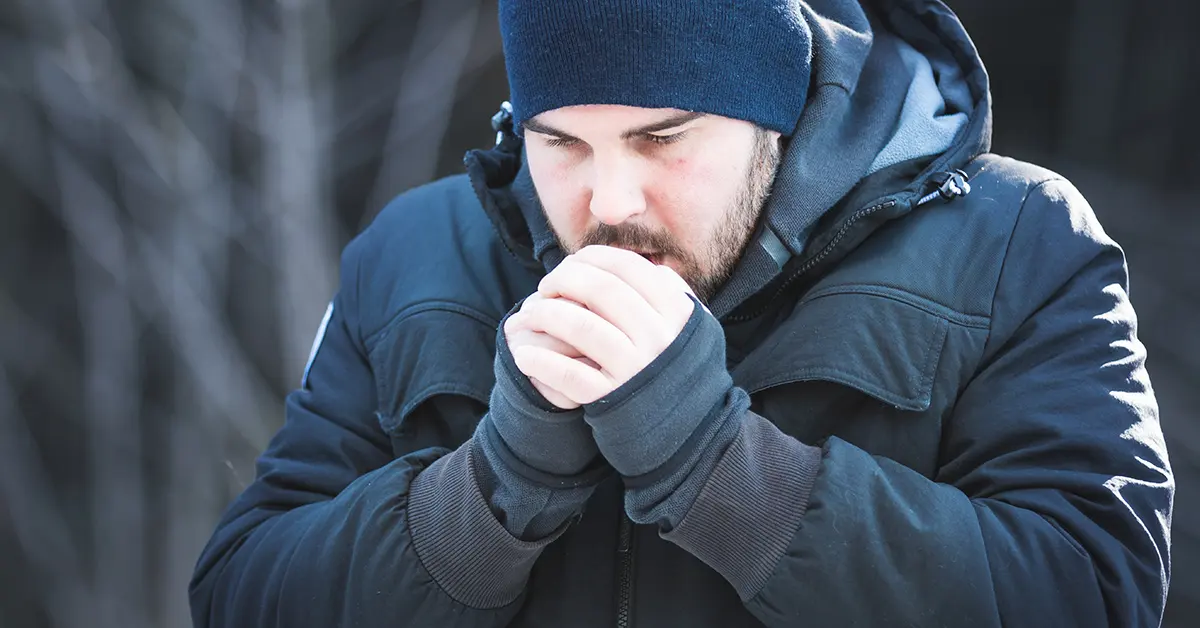
Shivering is an involuntary physiological response triggered by the hypothalamus when the body’s core temperature drops below its optimal set point of approximately 98.6°F (37°C). By rapidly contracting and relaxing skeletal muscles, the body generates metabolic heat to counteract thermal loss, effectively acting as an internal furnace to maintain vital organ function.
On this page
Why shivering happens in the body
When the body senses a drop in skin or blood temperature, the hypothalamus—the brain's internal thermostat—sends urgent signals through the nervous system to skeletal muscles. These muscles begin to contract and relax in rapid, rhythmic bursts, which can occur at a rate of 10 to 20 times per second. This mechanical work is highly inefficient, which is actually beneficial in this context because the majority of the energy consumed by the muscles is converted into heat rather than movement.
This process is a primary defense against hypothermia, a condition where the core temperature falls below 95°F (35°C). While shivering is effective for short-term heat production, it is metabolically expensive and can quickly deplete glycogen stores in the muscles. If the cold exposure continues and internal temperatures remain low, the body may eventually cease shivering as energy reserves are exhausted, leading to a dangerous decline in metabolic activity and cognitive function.
How to stop shivering safely
To stop shivering, you must address the underlying thermal deficit by increasing your core temperature through controlled external and internal methods. Simply waiting for the shivering to subside is often ineffective if you remain in a cold environment, as the body will continue to prioritize heat production until energy stores are depleted.
- Move to a warm, sheltered environment immediately to prevent further heat loss.
- Remove any wet clothing, as moisture conducts heat away from the body 25 times faster than air.
- Insulate the body with dry layers, focusing on the head, neck, and torso.
- Consume warm, non-alcoholic liquids to provide internal heat and hydration.
- Engage in gentle movement, such as walking, to stimulate circulation without causing excessive sweating.
Avoid aggressive rubbing of the limbs or skin, as this can force cold blood from the extremities back into the core, potentially causing an "afterdrop" that further lowers your internal temperature.
Common mistakes when warming up
Many people attempt to warm up too quickly, which can lead to physiological distress or injury. One common error is the immediate application of intense direct heat, such as sitting directly against a space heater or taking a hot shower. Rapid warming causes peripheral vasodilation, where blood vessels near the skin expand quickly. This can lead to a drop in blood pressure and may cause fainting, as the body struggles to maintain perfusion to the brain and vital organs while blood rushes to the surface.
Another frequent mistake is consuming alcohol under the impression that it provides warmth. While alcohol may create a subjective feeling of heat due to the dilation of blood vessels near the skin, it actually lowers the core body temperature by inhibiting the shivering reflex and promoting heat loss. Furthermore, avoid the temptation to ignore shivering as a minor inconvenience. If you are shivering, your body is signaling that it is failing to maintain homeostasis, and ignoring this warning can lead to rapid progression toward stage one hypothermia.

When shivering becomes a medical concern
While shivering is a normal response to cold, it can sometimes indicate an underlying medical issue rather than simple environmental exposure. If you find yourself shivering uncontrollably in a room-temperature environment, it may be a sign of a high fever. During an infection, the body intentionally raises its "set point" to fight pathogens, making the current ambient temperature feel cold and triggering the shivering mechanism to reach that new, higher target temperature.
Seek immediate medical attention if you experience the following symptoms alongside shivering:
- Confusion, slurred speech, or difficulty performing simple tasks.
- A core body temperature that remains low despite attempts to warm up.
- Pale, cold, or blue-tinted skin, particularly on the fingers and toes.
- A sudden, unexplained onset of shivering that lasts for more than an hour without environmental cause.
- Severe exhaustion or an inability to remain awake or alert.
Best ways to prevent shivering
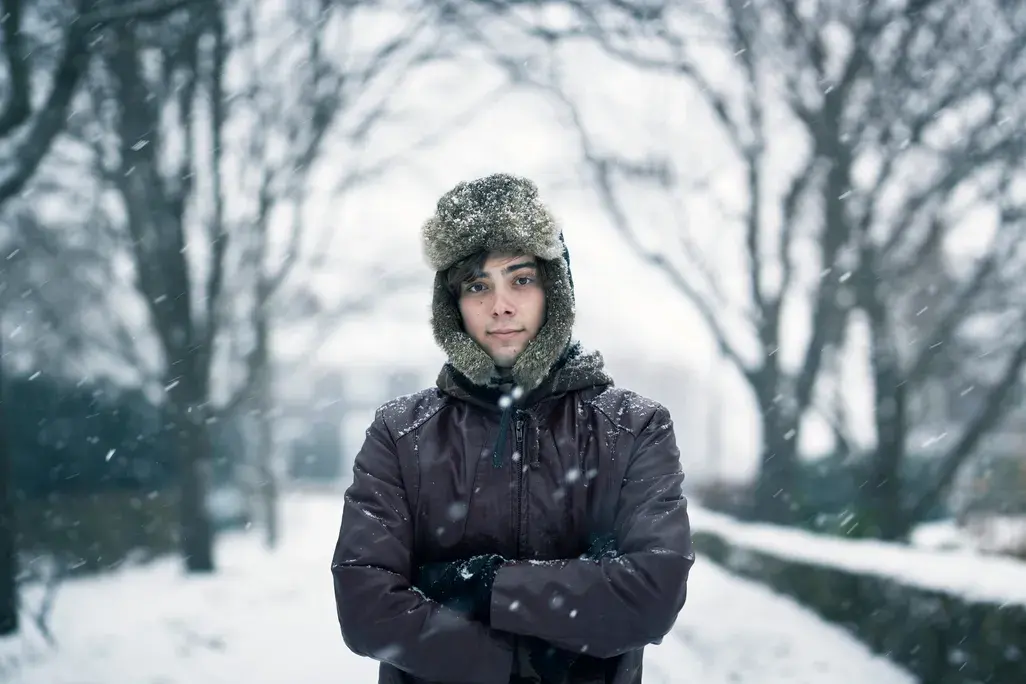
Prevention centers on thermal regulation and preparation, especially when engaging in outdoor activities. The "layering system" remains the gold standard for maintaining body heat. Start with a moisture-wicking base layer to keep sweat away from the skin, add an insulating middle layer like fleece or down to trap body heat, and finish with a windproof and waterproof outer shell to prevent convective heat loss.
- Wear a hat and gloves, as significant heat is lost through the extremities and head.
- Eat high-calorie, complex carbohydrate meals before cold exposure to ensure your muscles have sufficient fuel for heat production.
- Stay hydrated, as dehydration reduces blood volume and impairs the body's ability to circulate heat effectively.
- Use hand and foot warmers as a supplemental heat source, but place them over clothing rather than directly against the skin to avoid thermal burns.
- Monitor weather reports and be prepared to cut activities short if conditions deteriorate unexpectedly.
Key facts
- Shivering is a rapid, involuntary contraction and relaxation of skeletal muscles designed to generate body heat.
- The hypothalamus, the brain’s internal thermostat, triggers this response when core body temperature drops below approximately 98.6°F (37°C).
- Each contraction cycle releases energy in the form of heat, which can increase the body's metabolic rate by up to five times.
- Shivering is an emergency mechanism; if the body cannot maintain heat, it may lead to hypothermia, a dangerous drop in core temperature.
- To stop shivering, move to a warmer environment, remove wet clothing, and consume warm, non-alcoholic liquids to help raise internal heat.
- Avoid rubbing cold skin vigorously, as this can force cold blood from the extremities back into the core, potentially lowering your internal temperature further.
The bottom line
Shivering is your body’s sophisticated defense mechanism against the cold, acting as an internal furnace to maintain essential core temperatures. By rapidly contracting muscles, your system generates heat to protect vital organs when external conditions turn frigid. While it is an effective short-term survival tool, persistent shivering signals that you must seek warmth immediately to prevent the onset of hypothermia and ensure your long-term physical safety.
People also ask
Can you stop yourself from shivering?
You generally cannot consciously stop shivering because it is an involuntary autonomic nervous system response. You can only mitigate it by changing your environment or increasing your body temperature through external heat sources.
Why do I shiver when I have a fever?
When you have a fever, your hypothalamus resets your body's target temperature higher to fight off infection. Your body shivers to reach this new, higher temperature, making you feel cold even if the room is warm.
Is shivering dangerous?
Shivering itself is a protective mechanism, but it indicates that your body is struggling to maintain its core temperature. If shivering stops while you are still in a cold environment, it may be a sign of severe hypothermia, which is a life-threatening medical emergency.
Do animals shiver like humans?
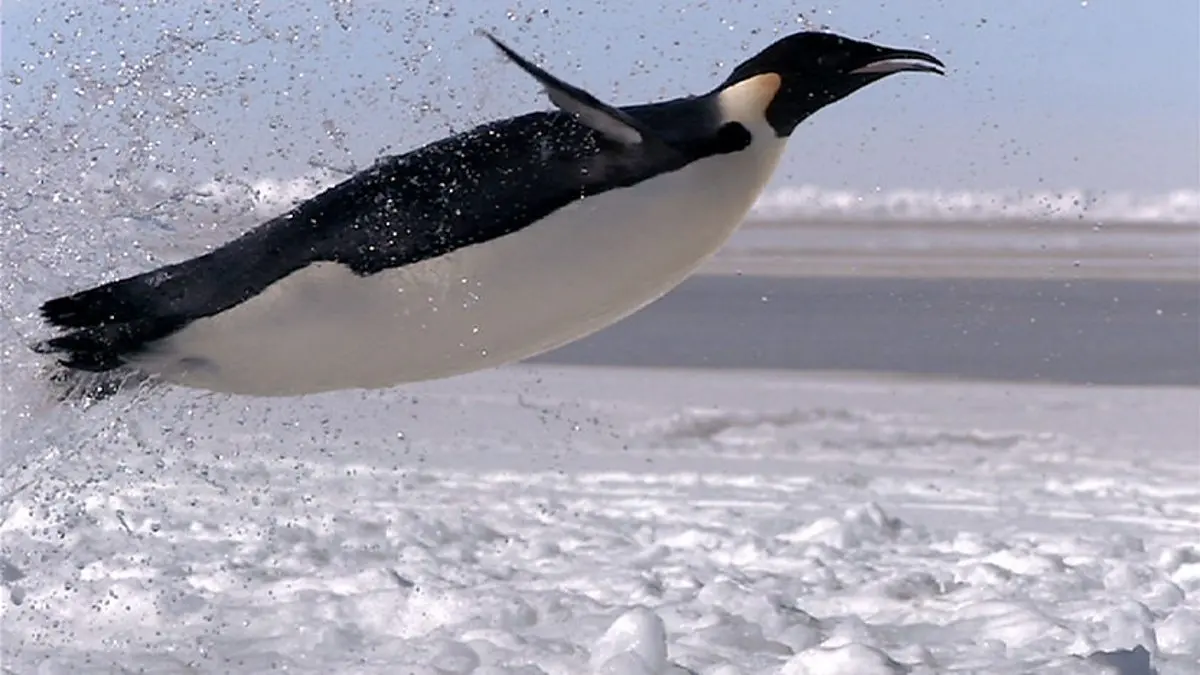
Yes, most mammals and birds possess the ability to shiver to maintain homeostasis in cold environments. This biological response is a fundamental adaptation for warm-blooded creatures to survive fluctuating temperatures.
Does drinking alcohol help stop shivering?
No, alcohol is a vasodilator that widens blood vessels near the skin, causing you to lose body heat faster. While it may make you feel warmer temporarily, it actually accelerates the cooling of your core.
How much energy does shivering burn?
Shivering is highly energy-intensive and can burn hundreds of calories per hour depending on the intensity. This is why people in extreme cold environments require high-calorie diets to sustain their physical functions.
This answer was created with the help of AI research tools and reference sources. Spotted an error? Let us know — we correct mistakes quickly. See our editorial policy.