What are the benefits of cold water swimming?
Short answer
Cold water swimming offers significant physiological and psychological benefits, including improved circulation, reduced inflammation, and enhanced mood regulation. By triggering the body’s cold-shock response, it stimulates the nervous system, potentially boosting immune function and metabolic rate. Regular exposure also helps practitioners develop resilience, focus, and a profound sense of mental clarity.
On this page
Why does cold water swimming improve health?
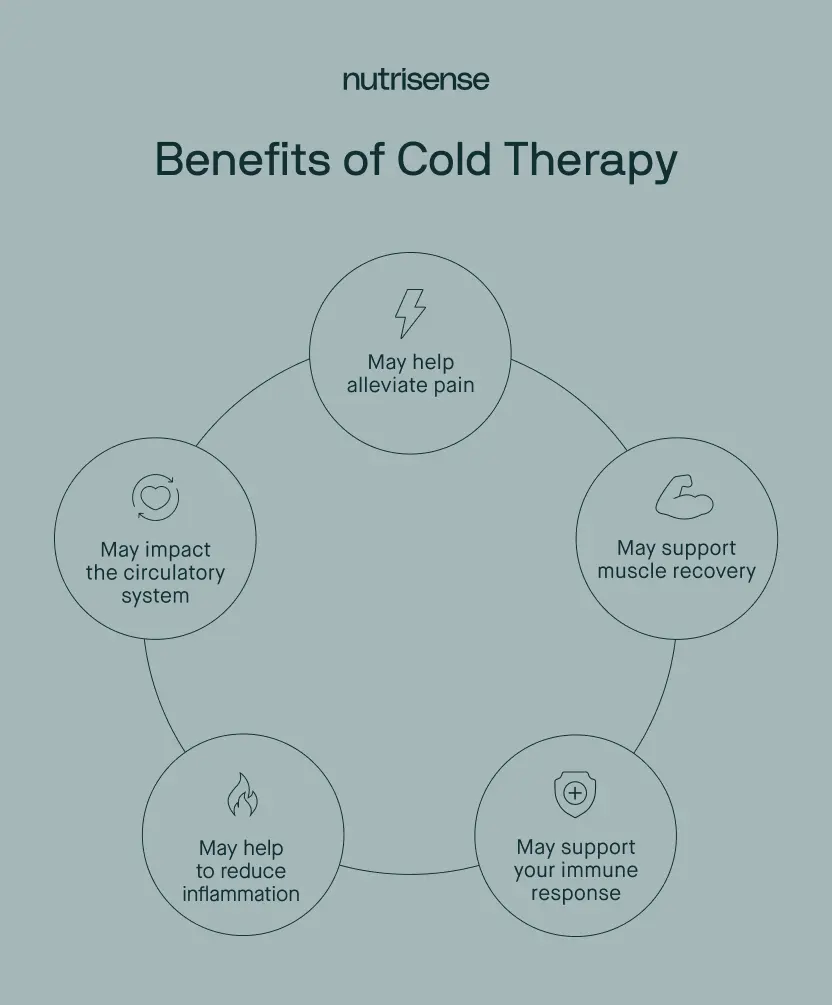
Cold water immersion triggers a physiological phenomenon known as the cold-shock response. When the skin meets water typically below 15°C (59°F), the body experiences a rapid increase in heart rate and blood pressure as it attempts to conserve core heat. This process forces the cardiovascular system to work more efficiently, which over time can improve circulation and vascular health. Frequent exposure is also linked to a reduction in systemic inflammation, as the cold acts as a natural vasoconstrictor, helping to soothe sore muscles and joints after physical exertion.
Beyond the physical, the practice acts as a potent stressor that encourages the release of endorphins and dopamine. This "cold high" is a result of the body’s attempt to counteract the initial shock, leading to a sustained period of alertness and improved mood. Studies suggest that regular cold water swimmers often report lower levels of anxiety and a greater sense of psychological well-being. By forcing the mind to focus entirely on the immediate sensation of the water, it provides a meditative break from daily stressors.
How long should you stay in cold water?
For beginners, the duration of cold water immersion should be measured in seconds rather than minutes. It is critical to prioritize safety over endurance, as the risk of hypothermia or cold incapacitation increases significantly with time. Most experts recommend starting with sessions lasting between two to five minutes, depending on the water temperature. Even a brief dip of 30 to 60 seconds provides the necessary physiological stimulus to reap health benefits without overtaxing the body’s thermal regulation systems.
As your body adapts to the cold, you may gradually increase your time in the water. However, it is essential to listen to your body’s signals rather than adhering to a rigid schedule. If you experience uncontrollable shivering, numbness, or loss of coordination, you must exit the water immediately. Always monitor your progress by keeping a log of water temperatures and your reaction times. Consistency is far more effective than duration; short, regular dips are generally safer and more beneficial than infrequent, long-duration swims in freezing conditions.
Best practices for cold water swimming
Preparation is the most important factor in ensuring a safe and enjoyable experience. Before entering the water, ensure you have a clear plan for your exit, as your dexterity will be significantly reduced once you leave the cold environment. Have warm, loose-fitting clothing ready to put on immediately, and avoid jumping or diving into the water, which can trigger an involuntary gasp reflex and lead to water inhalation.
- Acclimatize your body by splashing cold water on your face and limbs before full immersion.
- Enter the water slowly and steadily to allow your breathing to remain controlled.
- Keep your head above water initially to manage the cold-shock response effectively.
- Focus on slow, rhythmic breathing to calm the nervous system.
- Exit the water as soon as you feel your movements becoming sluggish or uncoordinated.
Common mistakes when starting cold water swimming
One of the most frequent errors is entering the water alone, which poses a significant safety risk. If you experience a cold-water incapacitation, you may lose the ability to swim or exit the water, making a spotter or swimming buddy essential. Another common mistake is attempting to "tough it out" for too long. Many beginners believe that longer exposure equates to better health results, but this often leads to rapid heat loss and the onset of hypothermia, which can occur even in water that feels manageable.
Furthermore, neglecting the post-swim recovery process is a major oversight. Many people make the mistake of taking a hot shower immediately after exiting the water. This can cause a dangerous drop in blood pressure as peripheral blood vessels dilate too quickly, potentially leading to fainting. Instead, prioritize a gradual warm-up:
- Remove wet clothing immediately and dry off thoroughly.
- Put on layers of warm, dry clothing, starting with your core.
- Drink a warm, non-alcoholic beverage to help restore internal body temperature.
- Engage in light movement, such as walking, to encourage blood flow.
How to stay safe in open water
Open water environments present unpredictable variables, including currents, changing tides, and hidden underwater obstacles. Before entering any body of water, perform a thorough visual assessment of the entry and exit points. Check local weather reports for wind speed and air temperature, as wind-chill significantly accelerates heat loss once you exit the water. If you are swimming in a lake or ocean, always wear a brightly colored swim cap or use a tow float to ensure you remain visible to others.
Understanding the signs of cold-water shock is vital for every swimmer. This includes the initial gasp reflex, hyperventilation, and the subsequent loss of muscle power. If you feel your breathing becoming erratic, do not panic; tread water or hold onto a stable object until your respiratory rate stabilizes. By respecting the power of the water and maintaining a cautious approach, you can safely enjoy the long-term health advantages of cold water swimming throughout the year.
Key facts
- Cold water is defined by most experts as any temperature below 15°C (59°F).
- The "cold shock response" causes an involuntary gasp reflex, which can lead to water inhalation if a swimmer is not prepared.
- Regular exposure to cold water may increase the production of glutathione, an antioxidant that helps regulate other antioxidants in the body.
- Acclimatization typically requires 5 to 10 short, regular sessions to help the body dampen its initial stress response.
- Always enter the water slowly to avoid cardiac strain and never jump or dive into unknown or very cold water.
- Wear a neoprene hat, gloves, and booties to maintain core temperature and protect extremities from rapid heat loss.
The bottom line
Cold water swimming offers potential physiological and mental health benefits, including improved circulation and mood regulation. However, the practice carries significant risks, such as cold shock and hypothermia, requiring a cautious, gradual approach. By prioritizing safety, wearing appropriate gear, and never swimming alone, you can safely enjoy the bracing effects of the water while minimizing the dangers associated with rapid body temperature changes.
People also ask
How long should I stay in the water?
Beginners should start with just 2 to 5 minutes to gauge their body's reaction. It is safer to exit while you still feel comfortable rather than waiting until you are shivering uncontrollably.
Can cold water swimming help with depression?
Some studies suggest that the intense sensory input of cold water can trigger a release of endorphins and dopamine. While it may improve mood, it should not replace professional medical treatment for clinical depression.
What is the "afterdrop" effect?
Afterdrop occurs when cold blood from the limbs returns to the core after exiting the water, causing your body temperature to continue falling. To combat this, put on warm, loose layers immediately and drink a hot, sugary beverage.
Is it safe to swim alone?
It is strongly advised to swim with a partner or in a group, especially in open water. Having someone nearby ensures assistance is available if you experience muscle cramps or cold incapacitation.
Do I need a wetsuit?
A wetsuit provides buoyancy and thermal protection, allowing for longer sessions in colder temperatures. However, many enthusiasts prefer "skins" swimming to experience the full physiological impact of the cold.
What are the primary risks of cold water swimming?
The most significant risks are cold shock, which can cause hyperventilation, and physical incapacitation due to muscle cooling. Hypothermia is also a major concern if you stay in the water beyond your physical limits.
This answer was created with the help of AI research tools and reference sources. Spotted an error? Let us know — we correct mistakes quickly. See our editorial policy.