What is North Vancouver known for?
Short answer
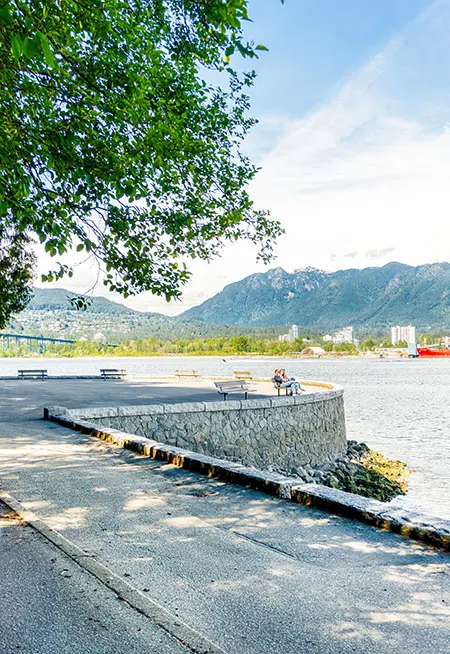
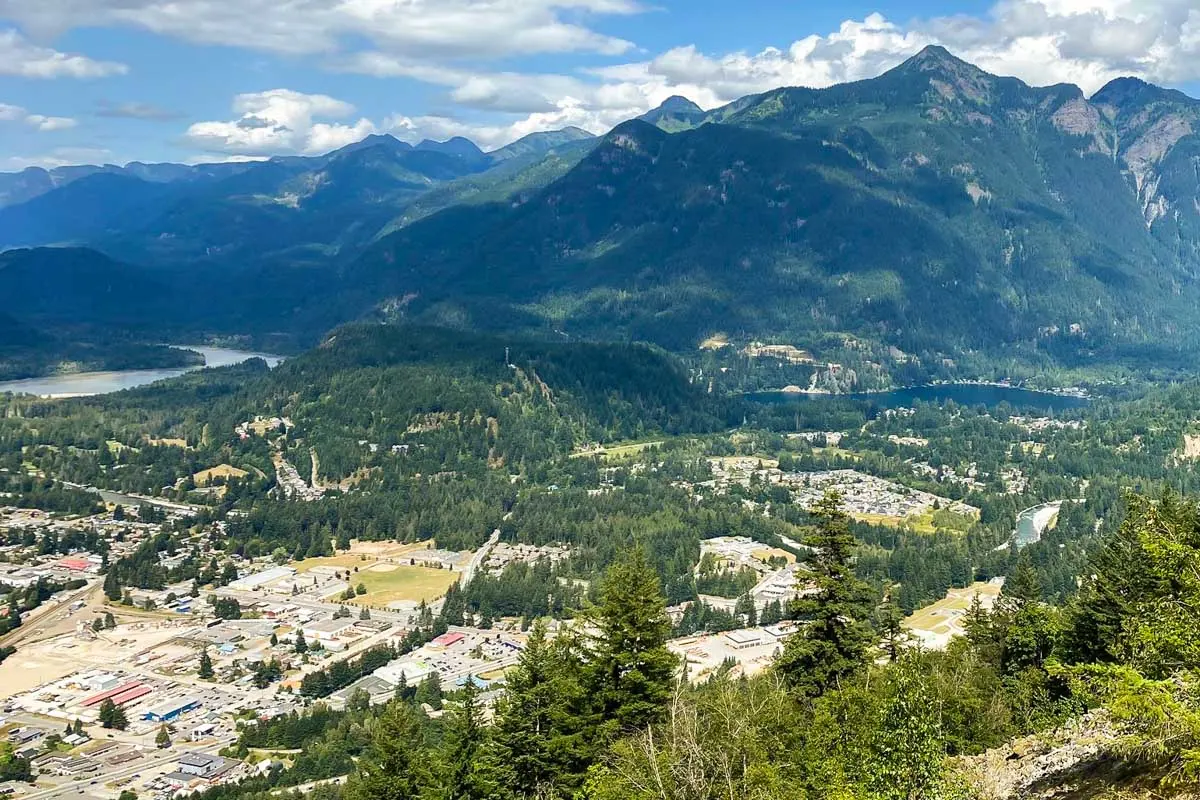
North Vancouver is a vibrant coastal community known for its rugged mountain backdrop, expansive outdoor recreation, and historic maritime industry. It serves as a gateway to the North Shore Mountains, offering world-class hiking, skiing, and mountain biking, while maintaining a distinct urban identity connected to downtown Vancouver by the iconic SeaBus.
On this page
Why is North Vancouver famous for outdoor recreation?
North Vancouver is defined by its immediate proximity to the North Shore Mountains, specifically Grouse Mountain, Mount Seymour, and Cypress Mountain. These peaks provide a year-round playground for residents and tourists alike. Grouse Mountain, often called "The Peak of Vancouver," is particularly famous for the Grouse Grind, a grueling 2.9-kilometer hiking trail that gains 853 meters in elevation. This steep ascent is locally nicknamed "Mother Nature’s Stairmaster."
Beyond hiking, the region is globally recognized as a premier destination for mountain biking. The extensive trail networks in areas like Mount Fromme and Cypress Provincial Park offer technical terrain that attracts professional riders from around the world. In the winter months, these same mountains transform into hubs for downhill skiing and snowboarding. The accessibility of these wilderness areas from the urban core is what makes North Vancouver a unique destination for active travelers.
What is the best way to get around North Vancouver?
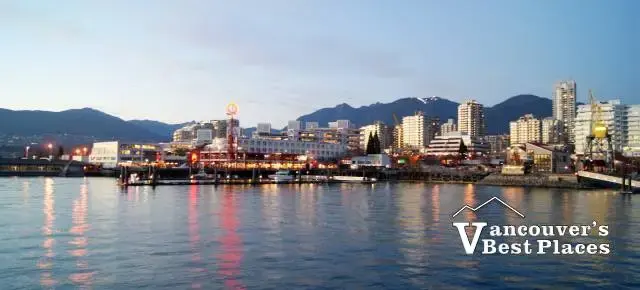
Navigating the North Shore is straightforward if you understand the transit infrastructure. The most iconic method of arrival is the SeaBus, a passenger-only ferry that crosses the Burrard Inlet. This 12-minute journey connects Lonsdale Quay in North Vancouver to Waterfront Station in downtown Vancouver, offering spectacular views of the skyline. It operates on a frequent schedule, typically every 15 minutes during peak hours.
Once on the North Shore, the transit system is reliable, but many visitors choose to rent a car to reach the trailheads. If you plan to use public transportation, consider these tips:
- Use the Compass Card system for seamless transfers between the SeaBus and local buses.
- Check TransLink’s online trip planner, as bus routes can be infrequent on weekends in remote mountain areas.
- Avoid rush hour traffic on the Lions Gate Bridge, which often experiences significant congestion between 7:00 AM and 9:00 AM.
- Download a ride-sharing application if you are traveling with bulky equipment like mountain bikes or skis.
How do I visit the Capilano Suspension Bridge Park?
The Capilano Suspension Bridge is perhaps the most recognizable landmark in the region. The original bridge was built in 1889 and has since evolved into a comprehensive park featuring the Treetops Adventure and the Cliffwalk. The main bridge stretches 137 meters across and 70 meters above the Capilano River. It is a major tourist attraction, so planning your visit carefully is essential for a positive experience.
To make the most of your trip, follow these steps:
- Purchase your tickets online in advance to skip the main ticket booth line.
- Arrive at the park gates before 9:00 AM to avoid the largest tour bus crowds.
- Wear sturdy, comfortable walking shoes, as the park involves significant stairs and uneven paths.
- Allow at least two to three hours to fully experience the bridge, the cliff-side walkways, and the forest canopy tours.
- Take advantage of the free shuttle service provided from downtown Vancouver if you do not have a rental vehicle.
What are the common mistakes when visiting North Vancouver?
Many visitors underestimate the intensity of the local climate and the difficulty of the terrain. A frequent error is attempting the Grouse Grind without adequate physical preparation or water. The trail is significantly more challenging than a standard park walk and requires proper footwear. Another common mistake is failing to check weather reports for the mountains; temperatures at the summit can be significantly lower than at the waterfront, and conditions can change within minutes.
Additionally, many tourists overlook the cultural side of the area in favor of pure adventure. They often miss the Shipyards District, a revitalized industrial area that hosts vibrant night markets, local breweries, and art installations. By focusing solely on the mountains, visitors miss out on the rich history of the Burrard Dry Dock, which was once the largest shipyard in Western Canada. Balancing your itinerary between the high-altitude trails and the historic waterfront provides a much more complete experience of the community.
Where should I go for the best local food?
The culinary scene in North Vancouver has undergone a massive transformation, moving away from simple tourist fare to high-quality, locally sourced dining. The Shipyards District is the epicenter of this growth, featuring a diverse array of options ranging from artisanal coffee shops to upscale seafood restaurants. The Lonsdale Quay Market remains a staple, offering a variety of food stalls that showcase regional ingredients, such as Pacific salmon and locally grown produce from the Fraser Valley.
For those looking for a unique experience, the area is home to several craft breweries that have become community hubs. These establishments often feature food trucks or partnerships with local chefs, creating a casual atmosphere perfect for post-hike relaxation. Whether you are seeking a quick bite after a long day on the trails or a refined dinner overlooking the water, the North Shore offers a sophisticated palate that reflects its coastal heritage and its modern, urban growth.
Key facts
- North Vancouver is divided into two distinct municipalities: the City of North Vancouver and the District of North Vancouver.
- The Capilano Suspension Bridge, originally built in 1889, is one of the region's most iconic tourist attractions.
- Grouse Mountain, known as "The Peak of Vancouver," offers year-round activities including skiing, snowboarding, and the challenging Grouse Grind hiking trail.
- Lonsdale Quay Market serves as a central transit and shopping hub, providing direct access to downtown Vancouver via the SeaBus ferry.
- Deep Cove, located in the eastern part of the district, is a popular destination for kayaking and paddleboarding in the calm waters of Indian Arm.
- When visiting the Grouse Grind, avoid starting the hike late in the afternoon, as the trail becomes dark and dangerous after sunset.
The bottom line
North Vancouver is a premier destination for those seeking a balance between urban amenities and rugged coastal nature. Whether you are riding the SeaBus across the harbor, traversing the famous suspension bridge, or tackling the steep slopes of Grouse Mountain, the area offers unparalleled outdoor access. It remains a vital hub for adventure seekers and commuters alike, defining the scenic northern edge of the Vancouver metropolitan region.
People also ask
Is it easy to get to North Vancouver from downtown Vancouver?
Yes, the SeaBus is a passenger-only ferry that connects Lonsdale Quay to Waterfront Station in downtown Vancouver in just 12 minutes. It runs every 15 minutes during peak hours, making it a very efficient commute.
What is the best time of year to visit North Vancouver?
Summer offers the best weather for outdoor hiking and water activities in Deep Cove. Winter is ideal for those interested in skiing or snowboarding at Grouse Mountain or Cypress Mountain.
Can you hike the Grouse Grind if you are not an experienced athlete?
The Grouse Grind is a very strenuous 2.9-kilometer trail with 853 meters of elevation gain and is not recommended for beginners. It is safer to choose easier trails like the Baden-Powell Trail if you are not physically prepared.
Is North Vancouver considered a safe place for tourists?
North Vancouver is generally very safe for visitors and residents alike. Standard urban precautions should be taken, especially when leaving valuables in cars at popular trailheads.
What are the main shopping areas in North Vancouver?
Lonsdale Avenue is the primary commercial corridor, featuring a mix of local boutiques, cafes, and larger retailers. The Shipyards District near the waterfront offers a vibrant mix of restaurants and seasonal outdoor events.
Are there public transportation options within North Vancouver?
TransLink provides an extensive bus network throughout both the City and District of North Vancouver. These buses connect residential neighborhoods to the SeaBus terminal and major mountain attractions.
This answer was created with the help of AI research tools and reference sources. Spotted an error? Let us know — we correct mistakes quickly. See our editorial policy.