What is the Vancouver Seawall?
Short answer
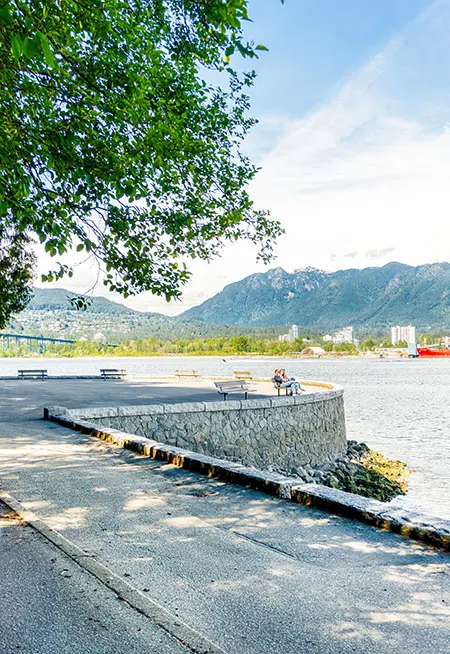
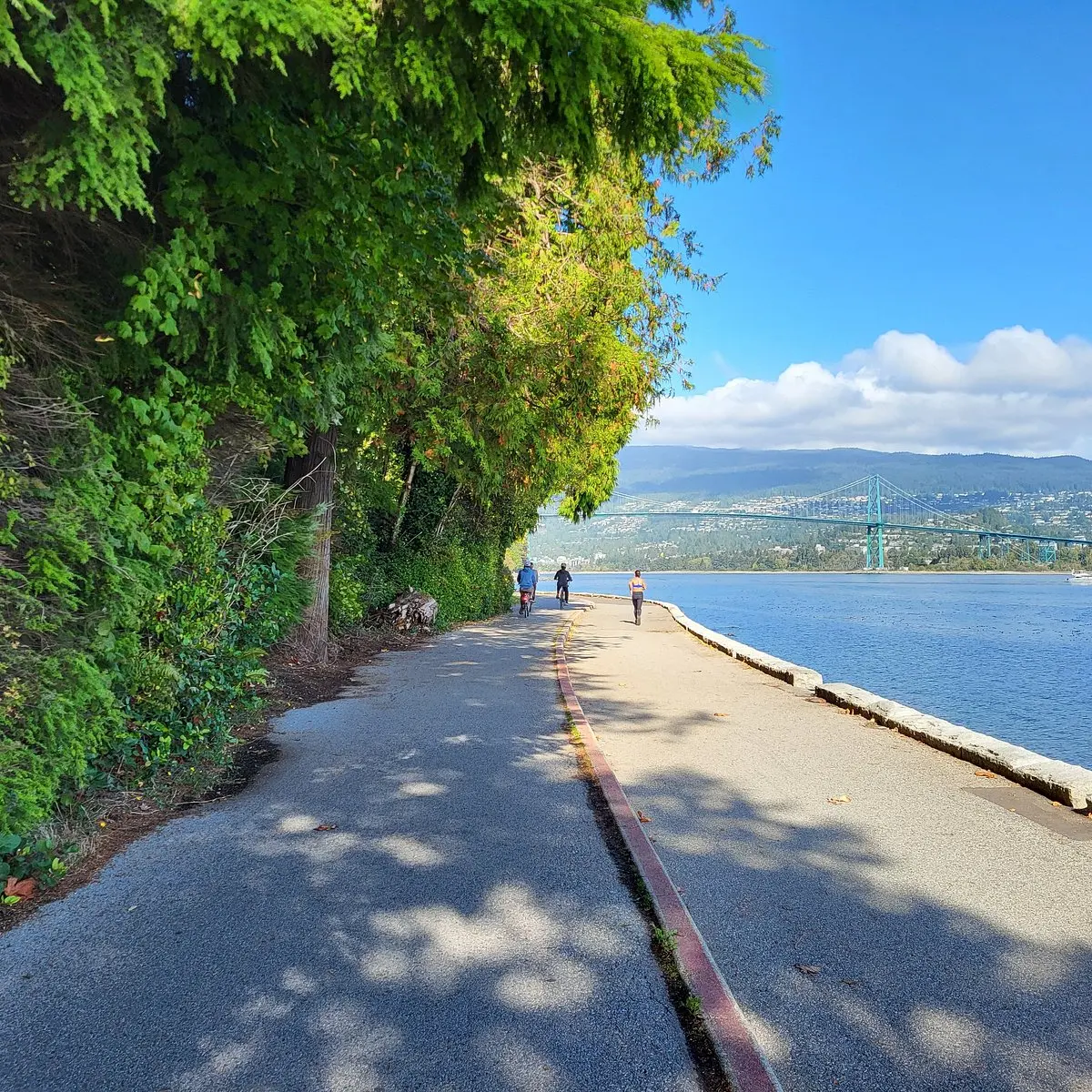
The Vancouver Seawall is a 28-kilometer stone-paved path encircling Stanley Park and extending along the city’s waterfront. It serves as a premier recreational destination for cyclists, joggers, and pedestrians. Originally constructed in 1917 to prevent shoreline erosion, it has evolved into one of the most iconic urban outdoor spaces in North America.
On this page
How long does it take to walk or cycle the Seawall?
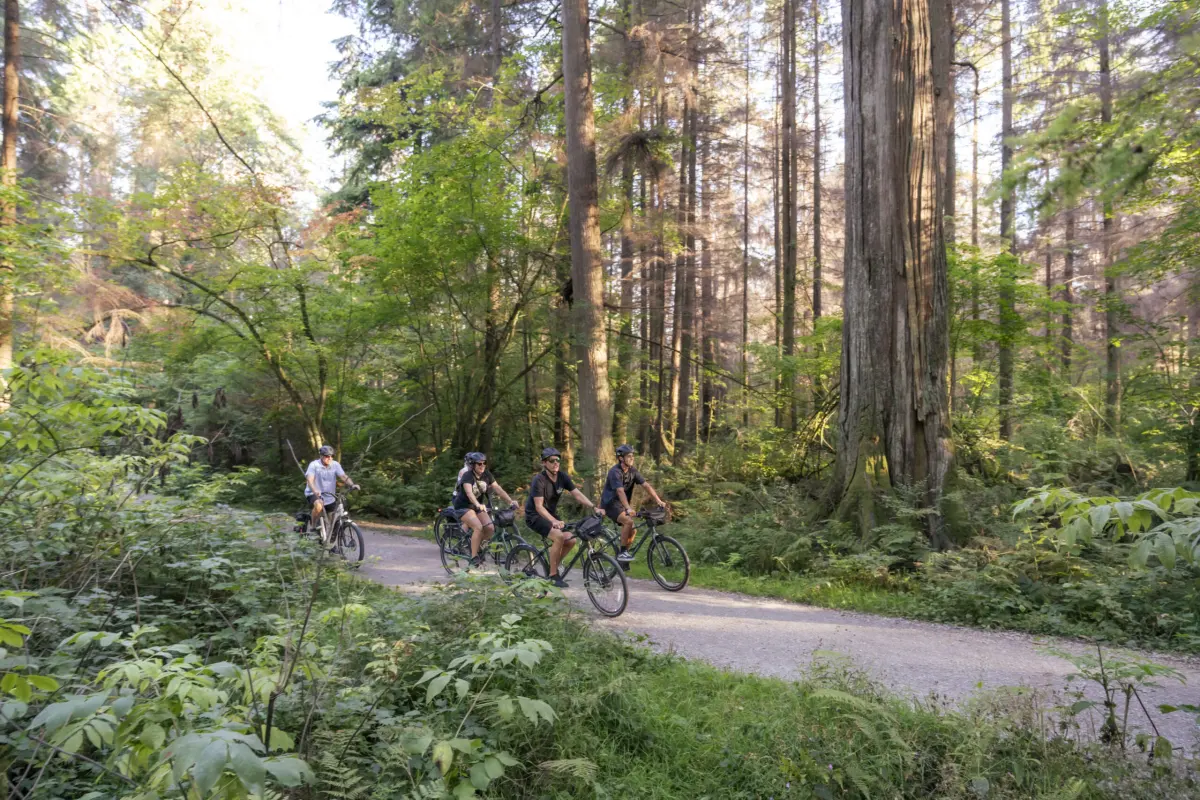
The time required to traverse the Seawall depends heavily on your chosen mode of transport and your starting point. A full loop of the Stanley Park portion alone covers approximately 9 kilometers, which takes about two to three hours to walk at a leisurely pace. If you are cycling, the same loop takes roughly 45 to 60 minutes, depending on traffic and how often you stop to take photographs.
For those attempting the entire 28-kilometer route from the Vancouver Convention Centre to Spanish Banks, plan for a much longer excursion. Walking the full distance can take an entire day, often requiring six to eight hours of steady movement. Cyclists can complete the full route in about two to three hours, though this assumes a consistent pace without major detours. Always factor in extra time for rest, sightseeing, and navigating crowded sections near popular beaches.
What is the history of the Vancouver Seawall?
The Seawall originated as a practical engineering project rather than a recreational amenity. In 1917, the Vancouver Park Board began construction of a rock wall to prevent erosion along the eastern edge of Stanley Park. James Cunningham, a master stone mason, dedicated over 30 years of his life to the project, meticulously placing stones by hand. His work established the foundation for the path that visitors enjoy today.
Following Cunningham’s death in 1963, the project continued to expand under the direction of other engineers. The path was eventually extended beyond the park boundaries to connect with the downtown core and the West End. Today, the Seawall is managed by the Vancouver Board of Parks and Recreation, which maintains the structure against the constant wear of the Pacific Ocean. It stands as a testament to early 20th-century urban planning and the enduring value of public waterfront access.
Best tips for cycling the Seawall
Cycling is the most popular way to experience the Seawall, but it requires adherence to specific rules to ensure safety for everyone. The path is divided into distinct lanes for different users, and staying in your designated area is essential. Follow these guidelines to ensure a smooth ride:
- Always stay to the right of the yellow line to allow faster cyclists to pass on your left.
- Maintain a moderate speed, especially during peak weekend hours when the path is congested.
- Use your bell or voice to signal your presence when approaching pedestrians from behind.
- Keep your eyes on the path, as unexpected obstacles or wildlife can appear suddenly.
When renting a bike, ensure the seat height is adjusted to your comfort level before leaving the shop. Many rental businesses are located near the Denman Street entrance, making it easy to grab a bike and immediately enter the park. Avoid renting during mid-day on sunny weekends if you are a novice, as the narrow paths can become intimidatingly crowded.
Common mistakes when visiting the Seawall
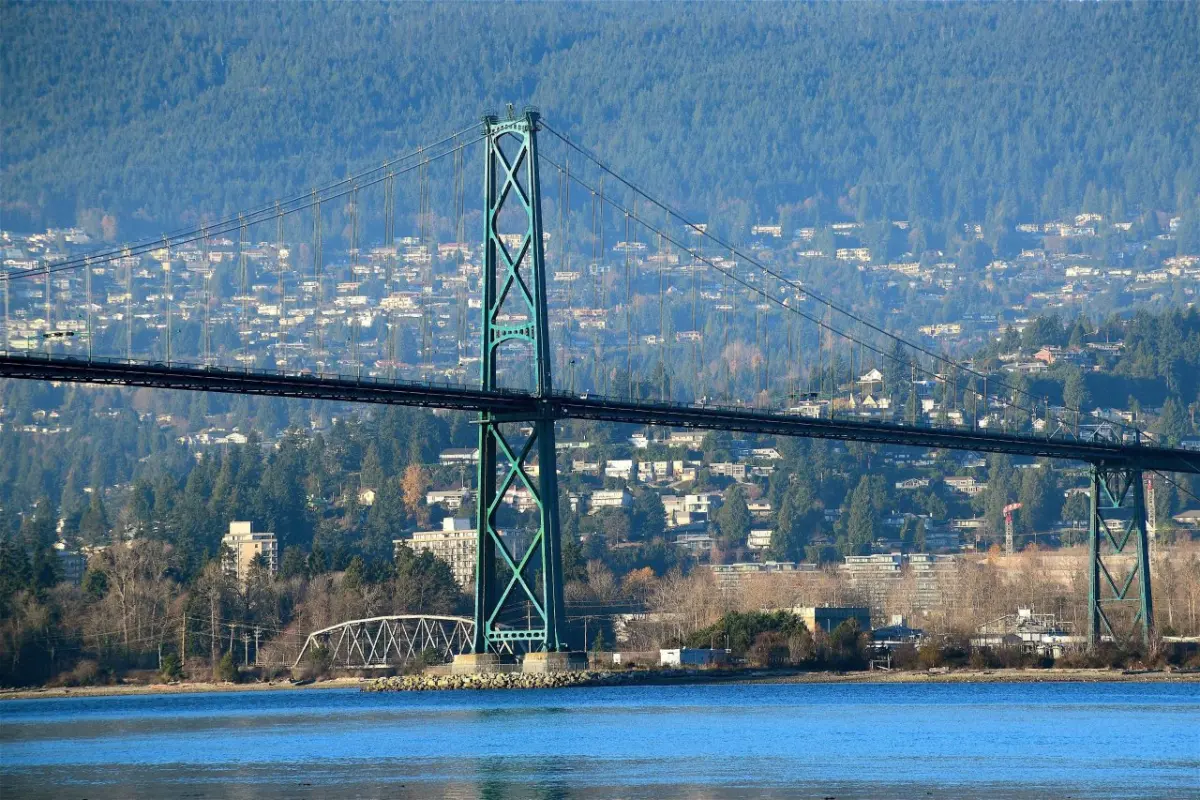
Many visitors underestimate the physical demands of the route or fail to prepare for changing weather conditions. A frequent error is assuming the entire path is flat; while mostly level, there are subtle inclines, particularly near the Lions Gate Bridge. Additionally, failing to bring adequate water is a common oversight, as refill stations are spaced out along the long stretches of the route.
Another mistake is ignoring the directional flow of traffic. The Stanley Park loop is strictly one-way for cyclists, moving in a counter-clockwise direction. Attempting to ride against this flow is dangerous and prohibited by park regulations. Finally, do not leave valuables unattended in your bike basket or on the grass while you step away to view the scenery. Theft can occur in high-traffic tourist areas, so keep your personal belongings secured on your person at all times.
What to see along the Vancouver Seawall
The Seawall offers a diverse range of landmarks that showcase both the natural beauty of British Columbia and the history of the city. As you travel along the route, you will encounter several points of interest that define the Vancouver experience. Consider these highlights for your itinerary:
- The Siwash Rock: A famous 18-meter-tall sea stack that is a significant geological feature and a site of cultural importance to the Squamish people.
- The Brockton Point Totem Poles: A collection of nine totem poles that represent the artistic traditions of First Nations people from across the province.
- Third Beach: A popular sandy spot perfect for a mid-ride break or a sunset picnic during the warmer summer months.
- The Inukshuk at English Bay: A large stone landmark that has become a symbol of the city and a popular photo opportunity for visitors.
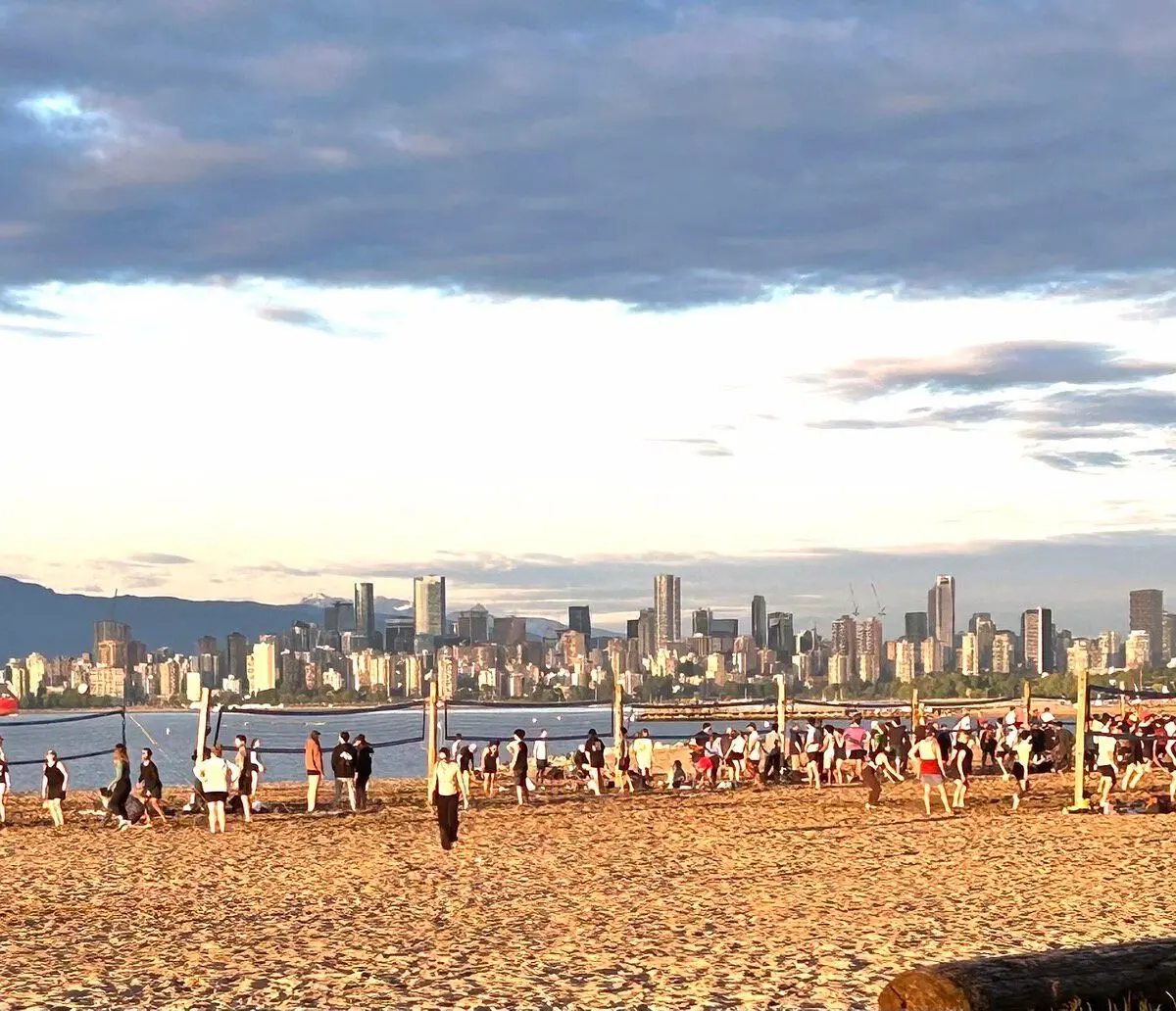
Beyond these specific sites, the Seawall provides unobstructed views of the North Shore Mountains, the Burrard Inlet, and the downtown skyline. Whether you are visiting for the lush forest canopy of Stanley Park or the vibrant urban energy of False Creek, the Seawall provides a unique perspective of Vancouver that cannot be matched by any other route.
Key facts
- The Vancouver Seawall is a 28-kilometer (17-mile) stone-paved path that encircles Stanley Park and extends along the city's waterfront.
- Construction began in 1917 under the direction of master stonemason James "Jimmy" Cunningham, who dedicated 32 years to the project.
- The path is strictly divided into two lanes: one for cyclists and inline skaters, and one for pedestrians and runners.
- It is the longest uninterrupted waterfront path in the world, stretching from the Vancouver Convention Centre to Spanish Banks.
- Cyclists should always travel in a counter-clockwise direction around the Stanley Park loop to maintain traffic flow.
- Avoid walking or standing in the designated cycling lane, as high-speed commuter traffic can make this dangerous.
The bottom line
The Vancouver Seawall serves as the city’s premier outdoor recreational artery, seamlessly blending urban infrastructure with the rugged natural beauty of the Pacific coast. Whether you are cycling the full 28-kilometer stretch or enjoying a leisurely walk through Stanley Park, the path offers an unparalleled perspective of Vancouver’s landscape. By respecting lane designations and local traffic flow, visitors can safely enjoy this iconic, world-class public space.
People also ask
How long does it take to walk the entire Seawall?
Walking the full 28-kilometer route takes approximately 5 to 7 hours at a steady pace. Most visitors choose to complete shorter segments, such as the 9-kilometer Stanley Park loop, which takes about 2 to 3 hours.
Are dogs allowed on the Seawall?
Yes, dogs are welcome on the Seawall, but they must be kept on a leash at all times. Owners should be mindful of the high volume of cyclists and ensure their pets do not wander into the bike lane.
Is there an entry fee to access the Seawall?
No, the Seawall is a public park facility and is completely free to access. It is open to the public 24 hours a day, though some areas may be dimly lit at night.
Where can I rent a bicycle near the Seawall?
There are numerous rental shops located on Denman Street near the entrance to Stanley Park. These shops provide bikes, helmets, and locks, and many offer hourly or daily rates for tourists.
What are the best landmarks to see along the route?
Key highlights include the Brockton Point Totem Poles, the Siwash Rock monolith, and the Lions Gate Bridge. The path also offers panoramic views of the downtown skyline, the North Shore Mountains, and English Bay.
Can I use motorized vehicles like e-scooters on the Seawall?
Motorized vehicles, including e-scooters and gas-powered bikes, are generally prohibited on the Seawall. The path is intended for human-powered transport and pedestrians to ensure safety and preserve the park's atmosphere.
This answer was created with the help of AI research tools and reference sources. Spotted an error? Let us know — we correct mistakes quickly. See our editorial policy.