Is Vancouver expensive to live in?
Short answer
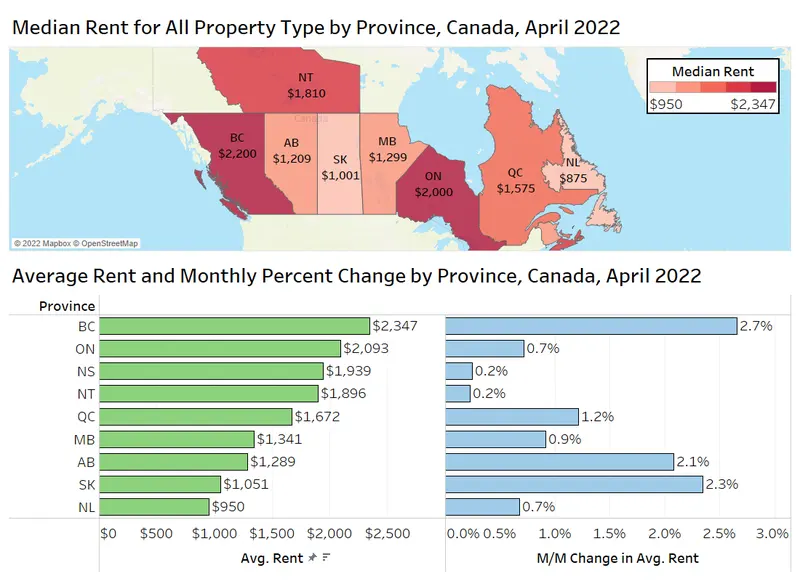
Vancouver is consistently ranked as one of the most expensive cities in the world. High housing costs, driven by limited land and strong demand, dominate the local economy. While residents benefit from a high quality of life, the cost of living significantly exceeds the national average for both renters and homeowners.
On this page
Why is Vancouver so expensive to live in?
The primary driver of Vancouver’s high cost of living is its unique geography. Hemmed in by the Pacific Ocean, the North Shore Mountains, and the United States border, the city has virtually no room to expand outward. This scarcity of buildable land, combined with high demand from international and domestic buyers, has pushed real estate prices to record levels.
Beyond land constraints, the city’s desirability contributes to the financial pressure. Vancouver offers a temperate climate, proximity to world-class outdoor recreation, and a stable economy, making it a magnet for professionals and investors. This influx of people consistently outpaces the rate of new housing development. Consequently, both purchase prices and monthly rental rates remain among the highest in North America, often requiring a significant portion of a household’s monthly income just to secure basic shelter.
How much does rent cost in Vancouver?
Rental prices in Vancouver vary significantly depending on the neighborhood and the age of the building. As of late 2026, a one-bedroom apartment in the downtown core typically commands a monthly rent between $2,600 and $3,200. Units further from the city centre, such as in Burnaby or New Westminster, offer slightly more affordability but remain high compared to other Canadian cities.
When budgeting for rent, consider these additional factors:
- Utilities: Many older apartments include heat and water, but electricity and internet are usually extra.
- Tenant Insurance: Most landlords require proof of insurance, adding roughly $30 to $50 per month.
- Pet Fees: Finding pet-friendly housing is difficult and often requires a higher security deposit.
- Parking: Downtown buildings often charge an additional $150 to $250 per month for a dedicated parking stall.
What is the cost of living for groceries and transportation?
Daily expenses like groceries and transit are also higher in Vancouver than in many other regions. British Columbia’s provincial sales tax and the city’s remote location for certain imported goods contribute to elevated grocery bills. A single person can expect to spend between $400 and $600 per month on food, depending on shopping habits and dietary preferences.
Transportation costs depend on how you choose to navigate the region. The TransLink system is extensive, covering the city with buses, the SkyTrain, and the SeaBus. Most residents opt for a monthly transit pass, which is tiered by zone. If you choose to own a car, you must account for high fuel prices, mandatory provincial insurance through ICBC, and expensive downtown parking rates. Many residents find that living near a SkyTrain station eliminates the need for a personal vehicle entirely.
Common mistakes when moving to Vancouver
Moving to Vancouver without a clear financial plan is a frequent error that leads to housing instability. Many newcomers underestimate the competition for rental units, which often results in multiple applicants for a single apartment. To navigate this market successfully, you must be prepared to act quickly and provide verifiable documentation.
Follow these steps to avoid common pitfalls:
- Research neighborhoods thoroughly before arriving to ensure they fit your lifestyle and commute needs.
- Prepare a "rental resume" that includes references, proof of employment, and a credit report.
- Avoid paying any deposits before viewing a property in person or signing a formal lease agreement.
- Factor in the "hidden" costs of moving, such as utility hook-up fees and the purchase of basic household items.
- Do not rely solely on online photos, as they may not accurately reflect the current condition of the unit.
Best ways to save money in Vancouver
Living affordably in Vancouver requires a strategic approach to spending. One of the most effective ways to lower costs is to utilize the city’s public amenities rather than private services. Vancouver boasts an extensive network of community centers that offer discounted fitness classes, swimming pools, and ice rinks. Additionally, the city’s numerous public parks and beaches provide free, high-quality entertainment year-round.
To further manage your budget, consider these practical strategies:
- Shop at discount grocery stores or local farmers' markets for seasonal produce to reduce food costs.
- Use a bike-share program or a reliable bicycle for short commutes to save on transit fares and vehicle maintenance.
- Take advantage of "happy hour" menus and lunch specials if you choose to dine out, as evening restaurant prices are high.
- Look for housing in neighborhoods with high "walkability" scores to minimize reliance on ride-sharing services or taxis.
- Utilize public libraries for free access to books, digital media, and community workshops that would otherwise cost money.
Key facts
- Vancouver consistently ranks as one of the least affordable cities in North America for housing.
- The average monthly rent for a one-bedroom apartment in Vancouver typically exceeds $2,800.
- British Columbia’s minimum wage is $17.40 per hour, which often fails to cover the local cost of living.
- Gas prices in Vancouver are frequently the highest in Canada due to specific provincial taxes and supply logistics.
- Monthly transit passes for the TransLink system cost between $100 and $189 depending on the number of zones traveled.
- Budgeting for groceries should account for higher costs compared to the rest of Canada, often requiring an extra 10-15% in monthly food allocations.
The bottom line
Vancouver is undeniably expensive, characterized by some of the highest housing costs in the world. While the city offers a high quality of life and access to stunning natural landscapes, residents must prioritize careful financial planning. Success in the city requires securing stable employment and considering transit-accessible suburbs to mitigate the high cost of rent, ensuring your budget remains sustainable amidst these significant economic pressures.
People also ask
What is the average annual salary needed to live comfortably in Vancouver?
Financial experts suggest a household income of at least $100,000 is necessary to live comfortably without extreme financial stress. This figure accounts for high rent, utilities, and the elevated cost of basic goods in the region.
Are there cheaper areas to live near Vancouver?
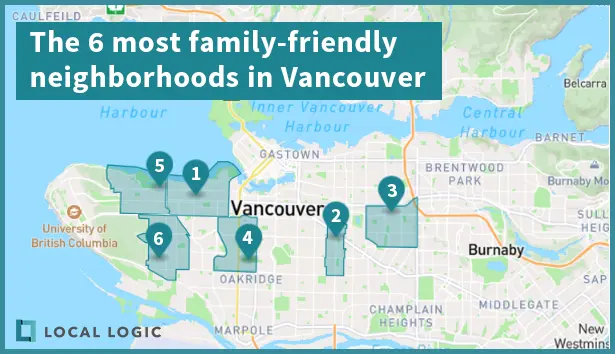
Yes, cities like Surrey, New Westminster, and Coquitlam offer lower rental and purchase prices than Vancouver proper. These areas are connected to the city center by the SkyTrain, making them popular choices for commuters.
How much should I budget for utilities in a Vancouver apartment?
For a standard one-bedroom apartment, expect to pay between $100 and $150 per month for electricity, internet, and heat. Many rental units include heat and hot water in the rent, so always verify what is covered in your lease.
Is it possible to live in Vancouver without a car?
Vancouver has an extensive public transit network, including the SkyTrain, buses, and the SeaBus. Many residents find that owning a car is an unnecessary expense due to high insurance rates and limited street parking.
What are common mistakes people make when moving to Vancouver?
A major mistake is failing to secure a rental unit before arriving, as the vacancy rate is extremely low. Another error is underestimating the cost of tenant insurance and the mandatory provincial health-related fees.
Does Vancouver have a high provincial sales tax?
British Columbia charges a 5% GST and a 7% PST on most goods and services, totaling 12%. Some items, such as basic groceries and prescription drugs, are exempt from the PST portion of the tax.
This answer was created with the help of AI research tools and reference sources. Spotted an error? Let us know — we correct mistakes quickly. See our editorial policy.