What is the average rent in Vancouver?
Short answer
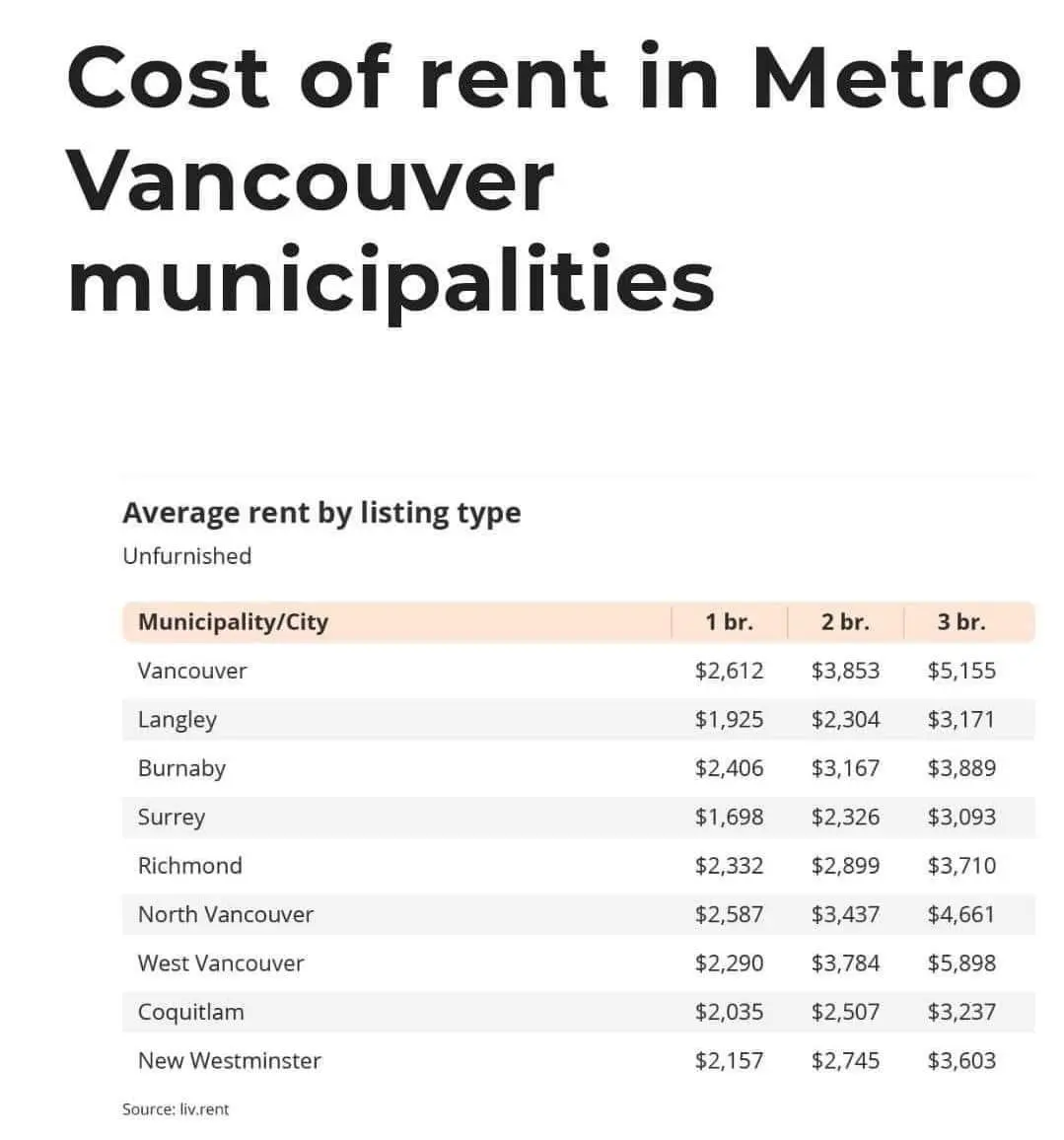
As of late 2026, the average monthly rent for a one-bedroom apartment in Vancouver is approximately $2,800 to $3,100 CAD. Prices fluctuate significantly based on proximity to the downtown core, building age, and included amenities. Renters should expect to pay premium rates for newer developments located in transit-oriented neighborhoods like Mount Pleasant.
On this page
What is the average rent in Vancouver?
Vancouver remains one of the most expensive rental markets in North America due to high demand and limited housing stock. While the average for a one-bedroom unit hovers near $3,000, studio apartments often rent for $2,300 to $2,600. Larger two-bedroom units frequently exceed $4,000, particularly in luxury high-rises or highly desirable areas like Yaletown and Coal Harbour.
These figures represent market rates for new tenancies rather than existing leases protected by rent control. Because British Columbia limits annual rent increases for sitting tenants, there is a stark disparity between what long-term residents pay and the market price for new listings. Prospective renters must focus on current listings rather than historical averages to understand their actual budget requirements.
How to find an apartment in Vancouver
Securing a rental in Vancouver requires a proactive approach due to the low vacancy rate. Most landlords list properties on platforms like Craigslist, Facebook Marketplace, and dedicated rental portals like Liv.rent or Zumper. You should set up automated alerts to receive notifications the moment a unit matching your criteria is posted.
When you find a suitable listing, prepare your application materials immediately. Landlords often receive dozens of inquiries within hours of posting, so speed is essential. Having your documentation ready before you even attend a viewing can give you a significant advantage over other applicants.
- Prepare a digital folder containing your credit report, proof of income, and recent pay stubs.
- Draft a professional cover letter detailing your employment status and rental history.
- Provide contact information for at least two previous landlords who can verify your reliability.
- Be prepared to pay a security deposit, which is legally capped at half of one month's rent.
Best neighborhoods for renters on a budget
If you are looking to lower your monthly expenses, consider neighborhoods slightly removed from the downtown peninsula. Areas like East Vancouver, Renfrew-Collingwood, and parts of Burnaby offer better value while maintaining excellent access to the SkyTrain network. Living near a transit hub allows you to reduce transportation costs, which helps offset the price of rent.
- Commercial Drive: Offers a vibrant community feel with older, more affordable low-rise apartments.
- Marpole: Located in the southern part of the city, this area provides quieter streets and lower price points.
- New Westminster: While technically a separate city, it is a popular alternative for those working in Vancouver who want more space for their money.
- Burnaby Heights: Features a mix of rental stock with easier access to transit than many suburban alternatives.
Common mistakes when renting in Vancouver
The most frequent error renters make is failing to understand the Residential Tenancy Act. Many landlords may include clauses in a lease that are actually unenforceable under provincial law. For example, a landlord cannot demand a pet deposit larger than half a month's rent, nor can they prohibit guests without a valid legal reason.
Another common mistake is neglecting to conduct a thorough move-in inspection. You must document the condition of the unit with photos and a signed report before moving your belongings in. If you fail to do this, you risk losing your security deposit for pre-existing damages when you eventually move out. Always ensure you have a copy of the signed Condition Inspection Report.
- Skipping the move-in inspection or failing to take timestamped photos of every room.
- Paying a deposit before viewing the unit in person or verifying the landlord's identity.
- Ignoring the fine print regarding utilities, as heating and internet costs are rarely included in the base rent.
- Assuming that a verbal agreement is legally binding; always insist on a written tenancy agreement.
Why rent prices stay high in Vancouver
The high cost of living in Vancouver is primarily driven by a chronic shortage of purpose-built rental housing. The city has seen significant population growth, but the construction of new units has struggled to keep pace with demand. Furthermore, high land values and construction costs mean that new developments are often positioned as luxury rentals, which keeps the average price point elevated across the entire market.
Additionally, Vancouver’s geography limits expansion, as the city is bordered by mountains, the ocean, and the United States border. This lack of available land restricts the development of new housing, creating a permanent supply-demand imbalance. As long as these structural factors persist, rental prices are expected to remain high, making it essential for renters to prioritize financial planning and thorough research before committing to a new lease agreement.
Key facts
- As of late 2026, the average monthly rent for a one-bedroom apartment in Vancouver remains among the highest in Canada, typically ranging between $2,800 and $3,100.
- Rental prices fluctuate significantly based on neighborhood, with areas like Coal Harbour and Yaletown commanding premium rates compared to East Vancouver.
- The vacancy rate in Vancouver consistently hovers near 1%, creating an extremely competitive market that favors landlords and requires rapid decision-making from tenants.
- Most landlords require a security deposit equivalent to half a month's rent, which must be paid upon signing the tenancy agreement.
- Renters should verify if utilities like electricity, heat, and internet are included in the monthly cost, as these can add $150 to $300 to the total expense.
- Avoid scams by never transferring money before viewing a property in person and signing a formal Residential Tenancy Agreement.
The bottom line
Securing a rental in Vancouver requires preparation, a realistic budget, and quick action due to the city's low vacancy rates. While average rents are high, understanding local tenancy laws and having your documentation ready will help you navigate the competitive market. Always prioritize in-person viewings and formal contracts to protect your interests, ensuring you avoid common rental scams while searching for your new home.
People also ask
Does British Columbia have rent control laws?
Yes, the provincial government sets an annual allowable rent increase percentage that landlords must follow. This limit applies to existing tenancies, though landlords can apply for higher increases under specific circumstances, such as major capital improvements.
What documents do I need to secure a rental in Vancouver?
Landlords typically request proof of income, such as recent pay stubs or an employment letter, along with references from previous landlords. Having these documents ready in a digital folder can significantly speed up your application process.
Are pets allowed in most Vancouver rental units?
Many landlords have "no pet" policies, though the law allows them to request a pet damage deposit of up to half a month's rent. Always clarify the pet policy in writing before committing to a lease.
How far in advance should I start looking for an apartment?
Because the market moves quickly, most people start their search 30 to 45 days before their desired move-in date. Listings are often filled within days of being posted online.
Is it common to share an apartment in Vancouver?
Due to high costs, roommate situations are very common among students and young professionals. Sharing a two-bedroom unit often results in lower individual rent compared to renting a studio alone.
What is a move-in inspection report?
This is a mandatory document completed by both the landlord and tenant that records the condition of the unit before you move in. Completing this thoroughly protects your security deposit from being withheld for pre-existing damages.
This answer was created with the help of AI research tools and reference sources. Spotted an error? Let us know — we correct mistakes quickly. See our editorial policy.