What is a group of toads called?
Short answer
A group of toads is most commonly called a knot. While this term is widely accepted in zoological contexts, you may also encounter the term "knab" in older literature. Because toads are primarily solitary outside of breeding seasons, these collective nouns are rarely used to describe their behavior in the wild.
On this page
What is the correct term for a group of toads?
The most accurate collective noun for a group of toads is a knot. This term likely stems from the visual impression of toads huddling together, often appearing as a tangled mass during periods of inactivity or migration. While "knot" is the standard, language is fluid, and you might occasionally see other terms used in creative writing or regional dialects, such as a "knab." However, in scientific and biological discussions, these terms are largely considered whimsical rather than technical.
It is important to note that toads do not possess complex social structures like bees or wolves. They do not hunt or live in organized packs, meaning they do not have a "functional" group name that describes a cooperative society. When you see a group of toads, it is almost always a result of environmental factors, such as a shared breeding pond or a particularly favorable microclimate, rather than a social choice.
Why do toads gather in groups?
Toads typically congregate for two primary reasons: reproduction and moisture conservation. During the breeding season, toads migrate to bodies of water to spawn, leading to a high concentration of individuals in a small area. This is the most common time to observe a "knot" of toads. Outside of the breeding season, toads are generally solitary creatures that prefer to remain hidden in cool, damp environments to prevent their skin from drying out.
If you find a large number of toads in one location during the dry season, it is likely because that specific spot offers the best available shelter. They may be sharing a deep burrow, a rock crevice, or a patch of dense vegetation that retains humidity. This behavior is purely opportunistic and survival-based. They are not seeking companionship, but rather the best physical conditions to regulate their body temperature and moisture levels.
How to identify a toad colony
Identifying a group of toads requires patience and an understanding of their nocturnal habits. Toads are most active at night, especially after rainfall, which triggers their movement toward breeding sites or feeding grounds. If you want to observe them in their natural habitat, look for specific environmental indicators that suggest a high population density.
- Listen for the distinct, rhythmic calls of male toads near ponds or slow-moving streams during the spring.
- Search under logs, rocks, or loose soil near damp areas during the daytime.
- Use a dim red-light flashlight at night, as this is less likely to startle them than bright white light.
- Check for the presence of long, gelatinous strings of eggs in the water, which indicate a successful gathering.
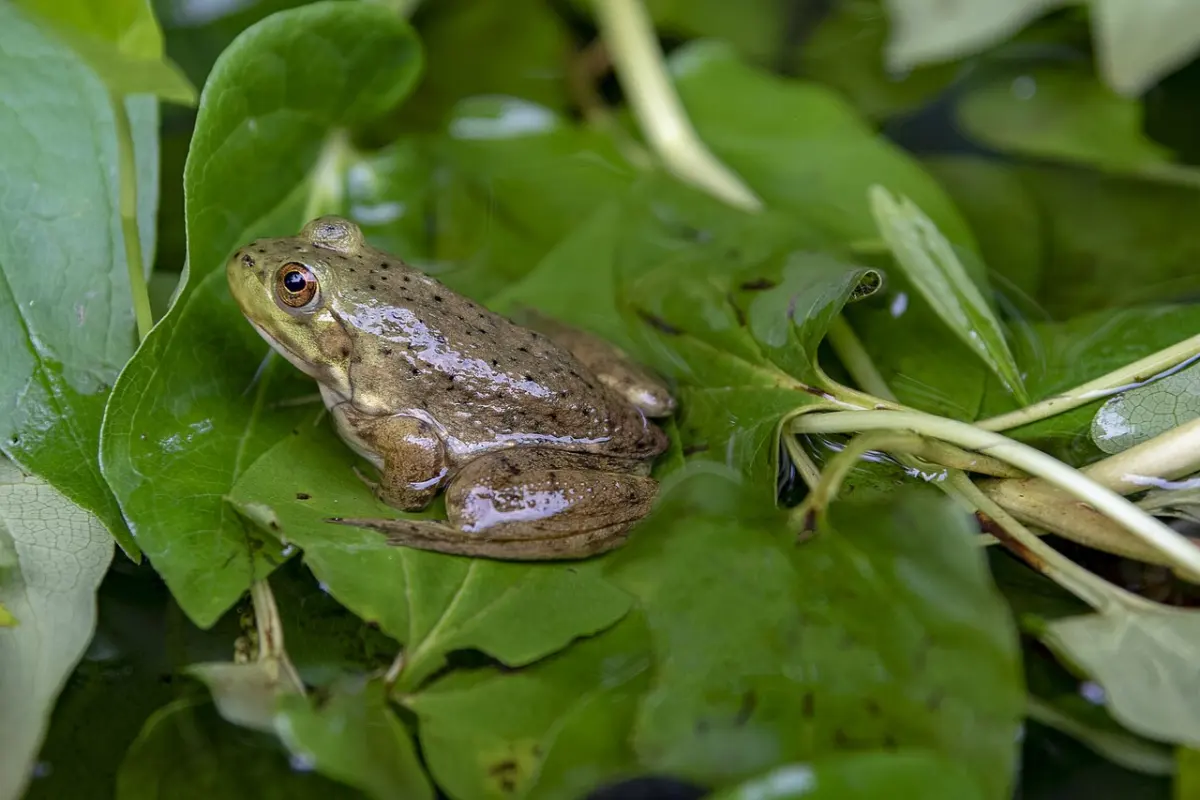
- Toads have drier, bumpier skin than frogs.
- They often walk or hop in short, controlled bursts.
- Their eyes usually feature horizontal pupils.
- They lack the long, powerful legs designed for jumping long distances.
Common mistakes when observing toads
One of the most frequent errors people make is confusing toads with frogs. While both are amphibians, toads have adapted to more terrestrial lifestyles, whereas frogs are generally more aquatic. If you assume all amphibians you see near water are frogs, you will miss the unique behaviors of the toad. Another common mistake is handling them too frequently. Toads secrete mild toxins from glands behind their eyes, which can irritate human skin or eyes if touched.
Always wash your hands thoroughly after interacting with or moving near toads. Additionally, avoid using chemical pesticides or fertilizers in your garden, as these substances are easily absorbed through the porous skin of toads. By keeping your environment natural and free of harsh chemicals, you provide a safe space for these animals to thrive. Do not attempt to keep wild toads as pets, as they require specific humidity and dietary needs that are difficult to replicate in captivity.
How to support toad populations in your yard
Creating a toad-friendly environment is a rewarding way to support local biodiversity. Toads are excellent natural pest controllers, as they consume large quantities of slugs, beetles, and other garden pests. To encourage them to visit your yard, you must provide the three essentials: shelter, water, and food. A simple, low-maintenance habitat can make a significant difference in the survival rates of local toad populations.
- Create a "toad abode" by placing an overturned clay pot with a small entrance notch in a shaded, damp corner of your garden.
- Install a small, shallow pond with sloped edges so they can easily enter and exit the water.
- Avoid using leaf blowers or heavy machinery in areas where you suspect toads are hiding.
- Leave a portion of your garden "messy" with piles of leaves or logs to provide natural cover.
By following these steps, you provide a refuge that may eventually attract a "knot" of toads to your property. These creatures are highly beneficial to any ecosystem and serve as an indicator of environmental health. Observing their natural behaviors in your own backyard is a fascinating way to connect with the local wildlife and contribute to their ongoing preservation.
Key facts
- A group of toads is most commonly referred to as a knot.
- Other collective nouns for toads include a nest or a knob.
- Toads are primarily terrestrial, unlike frogs which spend more time in water.
- Most toads belong to the family Bufonidae and are found on every continent except Antarctica.
- When threatened, toads often inflate their bodies to appear larger to predators.
- Toads secrete toxins from parotoid glands behind their eyes to deter potential attackers.
The bottom line
While a group of toads is officially called a knot, these amphibians are solitary creatures that only gather in large numbers during the breeding season. Understanding their unique biology, such as their defensive skin toxins and hibernation habits, helps in identifying them in your garden. Always handle them with care to protect both yourself and the animal, ensuring a safe coexistence in your local ecosystem.
People also ask
How can you tell the difference between a frog and a toad?
Toads generally have dry, bumpy skin and shorter legs, while frogs have smooth, moist skin and long, powerful legs for jumping. Toads typically walk or hop short distances, whereas frogs are known for their long-distance leaps.
Do toads bite humans?
Toads do not have teeth and do not bite humans. However, their skin secretions can cause irritation if they come into contact with your eyes or mouth, so it is best to wash your hands after handling one.
Are toads poisonous to pets?
Many toad species, such as the Cane toad, produce toxins that can be fatal if ingested by dogs or cats. If you suspect your pet has licked or eaten a toad, seek veterinary care immediately.
Where do toads go during the winter?
Toads are ectothermic and hibernate during cold months by burrowing deep into the soil below the frost line. They enter a state of dormancy to survive until temperatures rise in the spring.
What do toads eat?
Toads are carnivorous and primarily feed on insects, slugs, snails, and worms. They use their long, sticky tongues to capture prey quickly.
Read the full answer →Do toads need water to survive?
While they live on land, toads require water to keep their skin hydrated and to reproduce. They return to ponds or slow-moving streams to lay their eggs in long, gelatinous strings.
This answer was created with the help of AI research tools and reference sources. Spotted an error? Let us know — we correct mistakes quickly. See our editorial policy.