What is the difference between a cold and the flu?
Short answer
The common cold and the flu are both contagious respiratory illnesses caused by different viruses. While they share similar symptoms, the flu is typically more severe, hitting abruptly with high fever, body aches, and fatigue. Colds develop gradually, are usually milder, and rarely cause the systemic complications often associated with influenza.

On this page
What are the main differences in symptoms?
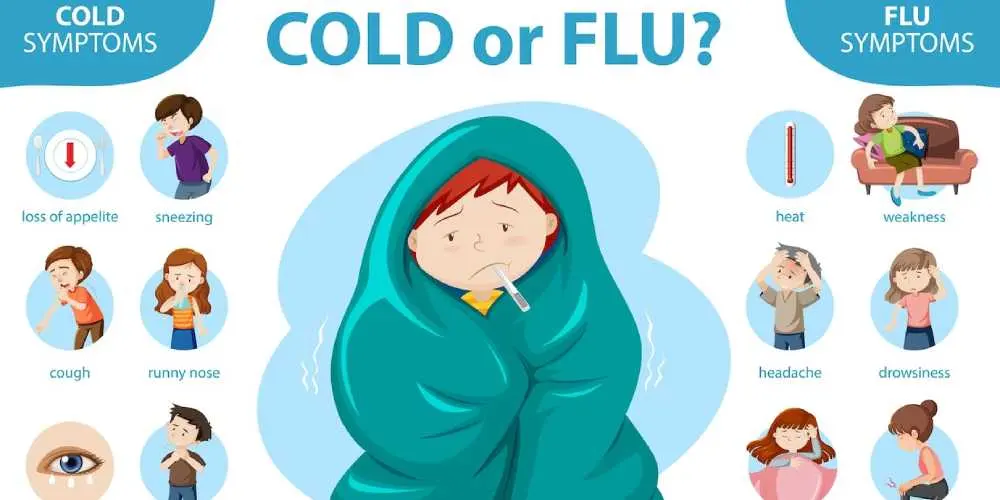
The primary distinction between a cold and the flu lies in the intensity and onset of symptoms. A cold usually begins with a sore throat or a runny nose, progressing to congestion and sneezing over several days. Most people with a cold remain functional, though they may feel generally unwell. Fever is rare in adults with a cold and uncommon in children.
Influenza, conversely, strikes suddenly. You might feel perfectly fine in the morning and be bedridden by the afternoon. Key indicators of the flu include:
- High fever (often 100°F to 102°F or higher)
- Severe muscle or body aches
- Significant fatigue that can last for weeks
- Dry, persistent cough
- Chills and shivering
While colds rarely lead to serious health problems, the flu can trigger dangerous complications like pneumonia, bronchitis, or sinus infections. If you experience difficulty breathing, chest pain, or a fever that refuses to break, medical intervention is necessary.
How long does it take to recover?
Most cold symptoms peak within two to three days and resolve completely within seven to ten days. Because colds are caused by over 200 different viruses—most commonly rhinoviruses—your immune system typically clears the infection without specific medical treatment. You are most contagious during the first three days of the illness.
The flu follows a different timeline. While the most intense symptoms generally subside after five to seven days, the lingering fatigue and cough can persist for two weeks or longer. Recovery depends on your overall health, age, and whether you have received a seasonal flu vaccine. To manage your recovery effectively:
- Prioritize sleep to allow your immune system to focus on viral clearance.
- Maintain hydration by drinking water, herbal tea, or electrolyte-rich fluids.
- Use a humidifier to soothe irritated nasal passages and throat linings.
- Gradually return to physical activity once your fever has been absent for 24 hours.
Why does the flu feel so much worse?
The flu virus, specifically influenza A and B, infects the respiratory tract and triggers a massive inflammatory response throughout the body. This systemic reaction is why you experience intense muscle aches and exhaustion. The virus actively damages the lining of the airways, which explains the deep, hacking cough that often accompanies the illness.
In contrast, the common cold is localized to the upper respiratory tract, specifically the nose and throat. Because the virus does not typically invade the lower lungs or trigger a widespread inflammatory cascade, your body does not need to divert as much energy toward fighting the infection. This is why you can often continue working or attending school with a cold, whereas the flu effectively forces the body to shut down and rest. Vaccines for the flu are updated annually to target the most prevalent strains, helping the immune system recognize and neutralize the virus before it causes widespread damage.
Common mistakes when treating symptoms
Many people mistakenly attempt to treat both conditions with antibiotics. Antibiotics are designed exclusively to kill bacteria; they have absolutely no effect on the viruses that cause colds and the flu. Overusing antibiotics can lead to antibiotic resistance, making it harder to treat genuine bacterial infections in the future.
Another frequent error is suppressing a cough or fever too aggressively. A mild fever is actually a defense mechanism that helps your body kill the virus by creating an inhospitable environment. Similarly, coughing is the body’s way of clearing mucus from the lungs. Unless these symptoms are preventing you from sleeping or breathing comfortably, it is often better to let them run their course. Avoid these common pitfalls:
- Taking leftover antibiotics from previous illnesses.
- Ignoring the need for isolation, which spreads the virus to others.
- Combining multiple over-the-counter medications that contain the same active ingredients, such as acetaminophen, which can lead to accidental overdose.
- Returning to work or school before you are truly recovered, which prolongs your own illness and risks infecting colleagues.
Best ways to prevent infection
Prevention strategies for both colds and the flu focus on hygiene and immunity. Because these viruses spread primarily through respiratory droplets—expelled when an infected person coughs, sneezes, or talks—physical distance is your best defense. Frequent handwashing with soap and water for at least 20 seconds is the most effective way to eliminate viruses picked up from contaminated surfaces.
If you cannot wash your hands, use an alcohol-based hand sanitizer with at least 60% alcohol. Avoid touching your eyes, nose, and mouth, as these are the primary entry points for viral particles. Additionally, consider these protective measures:
- Get an annual flu vaccine, which is the single most effective way to prevent influenza.
- Clean high-touch surfaces like doorknobs, light switches, and keyboards regularly.
- Eat a balanced diet rich in vitamins to support your immune system.
- Stay away from people who are visibly ill, especially during peak cold and flu season, which typically runs from October through May.
By maintaining these habits, you significantly reduce your chances of contracting or spreading these common respiratory viruses.
Key facts
- Colds are caused by over 200 different viruses, most commonly rhinoviruses, while the flu is caused specifically by influenza viruses.
- Symptoms of a cold usually develop gradually, whereas flu symptoms often hit suddenly and severely.
- Fever is common with the flu but rare in adults suffering from a common cold.
- The flu can lead to serious complications like pneumonia, which is significantly less common with a cold.
- An annual flu vaccine is the most effective way to prevent influenza, but no vaccine exists for the common cold.
- Antibiotics are ineffective against both viruses because they only treat bacterial infections.
The bottom line
While colds and the flu share similar respiratory symptoms, they differ significantly in intensity and potential for complications. The flu is a more severe viral infection that often includes high fever and intense body aches, whereas colds are generally milder and concentrated in the nose and throat. Prioritize rest, hydration, and hygiene to manage symptoms, and consult a healthcare provider if you experience severe respiratory distress.
People also ask
How can I tell if I have a cold or the flu based on my temperature?
A high fever (often 100°F to 102°F or higher) that lasts for three to four days is a hallmark of the flu. Colds rarely cause a fever, and if one occurs, it is typically very mild.
Are over-the-counter medications effective for both illnesses?
These medications can manage symptoms like congestion or aches for both, but they do not cure the underlying infection. Always check labels to avoid "doubling up" on active ingredients like acetaminophen.
How long does each illness typically last?
A cold usually resolves within 7 to 10 days, though a cough may linger longer. Flu symptoms are often at their worst for a few days, but fatigue and weakness can persist for two or more weeks.
When should I seek medical attention for these respiratory infections?
You should see a doctor if you experience difficulty breathing, chest pain, persistent high fever, or if symptoms improve and then suddenly return worse. These can be signs of secondary infections like pneumonia or bronchitis.
Can I catch the flu from the flu shot?
No, the flu vaccine is made from inactivated or weakened viruses that cannot cause the disease. Some people may experience mild soreness or a low-grade fever as their immune system responds to the vaccine.
What is the most common mistake people make when treating these illnesses?
The most frequent error is requesting antibiotics from a doctor to treat a viral infection. Antibiotics do not kill viruses and using them unnecessarily contributes to the global problem of antibiotic resistance.
This answer was created with the help of AI research tools and reference sources. Spotted an error? Let us know — we correct mistakes quickly. See our editorial policy.