Why do we get goosebumps?
Short answer
Goosebumps, scientifically known as piloerection, are an involuntary physiological response triggered by the sympathetic nervous system. When you feel cold, afraid, or emotionally moved, tiny muscles called arrector pili contract, pulling hair follicles upright. This reaction is a vestigial evolutionary trait once used by ancestors to trap heat or appear larger.

On this page
Why goosebumps happen biologically
The phenomenon of goosebumps is a remnant of our evolutionary past, specifically linked to the "fight-or-flight" response. When the brain perceives a threat, extreme cold, or intense emotion, it releases adrenaline. This hormone signals the arrector pili muscles, which are microscopic bundles attached to the base of each hair follicle, to contract rapidly.
In our distant ancestors, who possessed much thicker body hair, this contraction served two primary purposes. First, it created an insulating layer of air near the skin to conserve body heat in freezing temperatures. Second, it caused the fur to stand on end, making the animal appear larger and more intimidating to potential predators. While humans have evolved to have less body hair, the underlying neurological pathway remains active, causing the skin to pucker even though the effect is now largely cosmetic rather than functional.
How to identify triggers for goosebumps
Goosebumps are not solely a reaction to low temperatures; they are frequently triggered by powerful psychological and emotional states. The brain’s limbic system, which processes emotions, can trigger the same sympathetic nervous system response as a physical chill. This explains why people often experience "chills" during moments of awe, inspiration, or profound musical experiences.
Common triggers include the following:
- Exposure to cold air or water, which signals the body to conserve heat.
- Strong emotional responses, such as fear, anxiety, or intense excitement.
- Aesthetic experiences, such as listening to a moving piece of music or viewing beautiful art.
- Physical sensations, such as a sudden touch or a shiver down the spine.
- Hormonal surges, which can occur during moments of high stress or surprise.
What happens to the body during piloerection
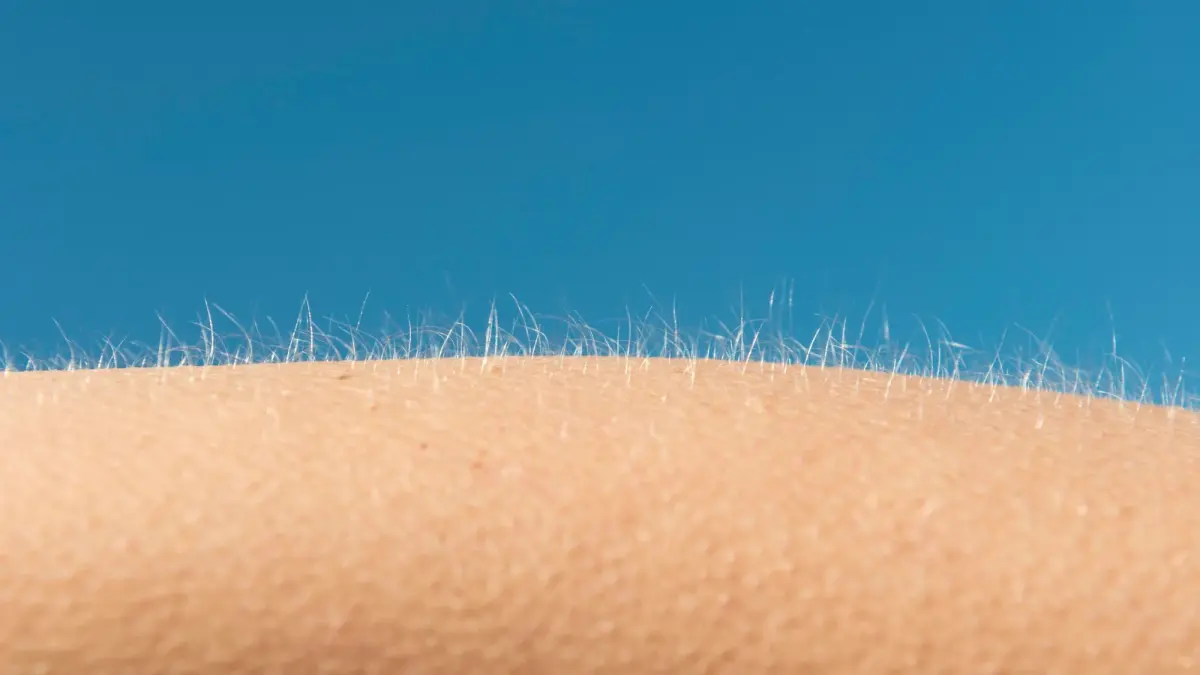
When the arrector pili muscles contract, they pull the hair follicle downward relative to the skin's surface, creating a small depression. This action forces the surrounding skin to rise, forming the characteristic bump that resembles the skin of a plucked bird. This is why the condition is colloquially referred to as "goosebumps."
The process involves a complex interaction between your nervous system and your skin tissue:
- The hypothalamus detects a change in temperature or an emotional stimulus.
- The sympathetic nervous system sends a signal to the skin.
- Adrenaline is released, causing the arrector pili muscles to shorten.
- The hair follicle shifts, creating the visible bump on the surface of the skin.
- Once the stimulus passes, the muscles relax and the skin returns to its smooth state.

Common mistakes when interpreting goosebumps
Many people mistakenly believe that goosebumps are a sign of illness or a failure of the body’s temperature regulation. While they can occur during a fever, they are usually a normal, healthy response to environmental changes. A common error is attempting to suppress them through sheer willpower, which is impossible because the reaction is entirely involuntary and controlled by the autonomic nervous system.
Another frequent misconception is that goosebumps serve no purpose in modern humans. While they no longer provide significant warmth or protection, they act as an important indicator of the body’s internal state. Ignoring these signals can sometimes lead to discomfort; for instance, failing to recognize that you are cold because you are distracted by a task can lead to prolonged exposure to low temperatures. It is important to view goosebumps as a diagnostic signal from your body rather than a random or meaningless quirk of human anatomy.
How to manage cold-induced goosebumps
If you find yourself frequently experiencing goosebumps due to cold, the most effective approach is to address the underlying thermal imbalance. Simply wearing a single heavy coat is often less effective than layering clothing, which traps pockets of air between fabrics to provide superior insulation. If you are outdoors, focus on protecting your extremities, as the body often triggers piloerection to prioritize core temperature when the hands or feet become cold.
To properly manage your comfort levels, follow these practical steps:
- Assess your environment for drafts or sources of cold air.
- Add or remove layers of clothing to regulate your body temperature gradually.
- Consume warm liquids to help raise your internal core temperature from within.
- Engage in light physical movement to stimulate blood flow and generate natural body heat.
- Seek shelter if the shivering and goosebumps persist, as these are signs your body is struggling to maintain its baseline temperature.
Key facts
- Goosebumps are scientifically known as piloerection, a reflex controlled by the sympathetic nervous system.
- The tiny muscle responsible for this reaction is called the arrector pili, which attaches to the base of hair follicles.
- This reflex is a vestigial trait inherited from ancestors who needed to fluff their fur to trap heat or appear larger to predators.
- Cold temperatures trigger the brain to release adrenaline, which signals the arrector pili muscles to contract and pull hair upright.
- Strong emotions, such as awe, fear, or nostalgia, can trigger goosebumps even in the absence of cold air.
- You can minimize goosebumps by layering clothing to maintain a stable body temperature or practicing deep breathing to calm an emotional response.
The bottom line
Goosebumps are an involuntary evolutionary reflex designed to trap heat or intimidate predators by raising body hair. While modern humans no longer rely on this mechanism for survival, it remains a common physiological response to cold temperatures and intense emotions. Understanding this process highlights the fascinating link between our nervous system and our ancient biological heritage, proving that even minor bodily reactions tell a larger story.
People also ask
Do all mammals experience goosebumps?
Most mammals with fur experience piloerection, though it is most visible in animals with thick coats. In humans, the effect is less functional because our body hair is too sparse to provide significant insulation or a menacing appearance.
Why do we get goosebumps when listening to music?
Music can trigger a powerful emotional response that stimulates the brain's reward system, releasing dopamine. This physiological reaction to beauty or intensity often manifests as "frisson," which creates the same physical sensation as a cold chill.
Can you control your goosebumps?
Most people cannot consciously trigger or stop goosebumps because they are an involuntary autonomic reflex. However, you can influence the frequency of the reflex by managing your environment and emotional state.
Why do goosebumps appear only on certain parts of the body?
Goosebumps are most noticeable on the arms, legs, and neck because these areas have a higher density of arrector pili muscles. The skin in these regions is also more prone to the visible dimpling effect caused by muscle contraction.
Are goosebumps a sign of a medical condition?
While usually harmless, persistent goosebumps can sometimes be linked to conditions like keratosis pilaris, which causes rough patches on the skin. If you notice unusual skin changes accompanying the bumps, consult a dermatologist.
Do goosebumps serve any purpose for modern humans?
They serve no practical biological purpose for humans today, as we rely on clothing and climate control for warmth. They remain a fascinating evolutionary relic that demonstrates our connection to our mammalian ancestors.
This answer was created with the help of AI research tools and reference sources. Spotted an error? Let us know — we correct mistakes quickly. See our editorial policy.