Can art reduce anxiety?
Short answer
Yes, engaging in art significantly reduces anxiety by lowering cortisol levels and inducing a meditative state known as "flow." Research indicates that even 45 minutes of creative activity can decrease stress hormones regardless of artistic skill. By focusing on sensory input, art helps quiet the brain’s overactive worry centers effectively.
On this page
Why does art reduce anxiety?
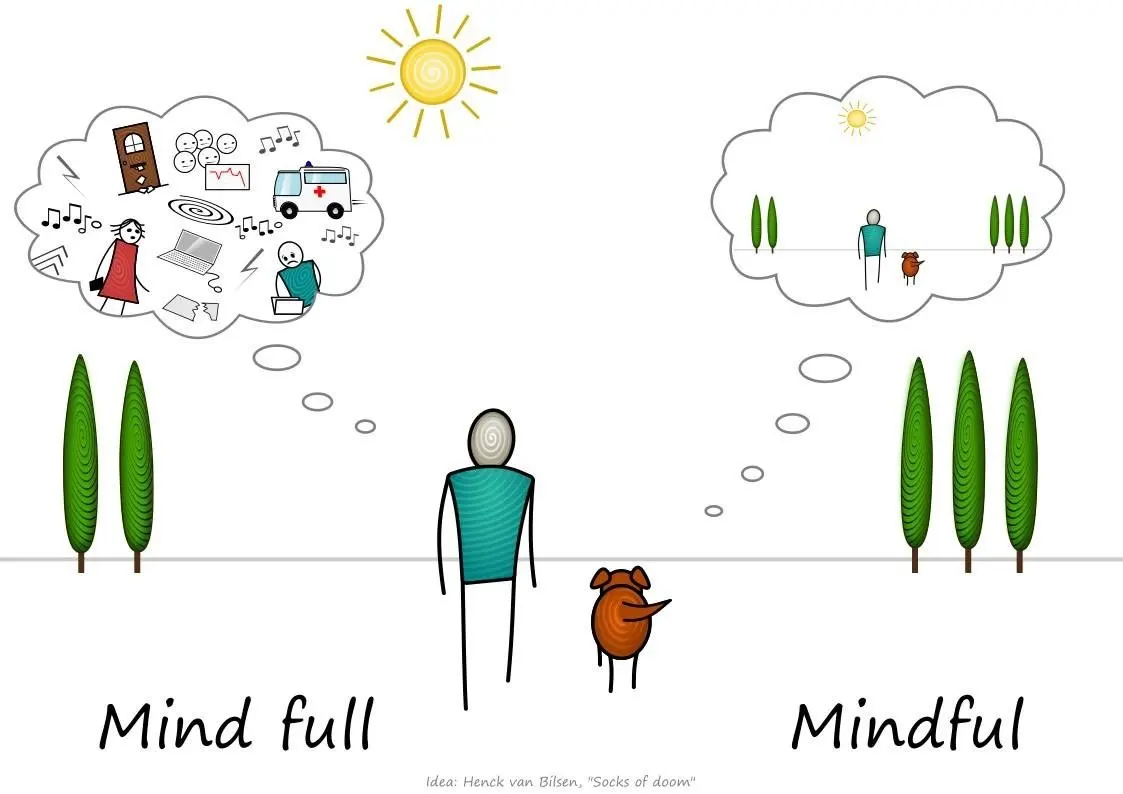
Creative expression acts as a physiological intervention for the nervous system. When you engage in painting, drawing, or sculpting, your brain shifts focus from ruminative thought patterns—common in anxiety—to the immediate sensory demands of the task. This transition activates the parasympathetic nervous system, which is responsible for the "rest and digest" state. By grounding the individual in the present moment, art interrupts the cycle of fight-or-flight responses that characterize chronic stress.
Studies published in journals like Art Therapy have demonstrated that participants show a measurable reduction in cortisol, the body’s primary stress hormone, after less than an hour of creative work. This effect occurs regardless of the individual’s perceived artistic talent. The act of creating something new provides a sense of agency and control, which directly counters the feelings of helplessness often associated with anxious states. By externalizing internal emotions onto a canvas or paper, individuals can observe their feelings from a distance rather than being consumed by them.
How long does it take to feel better?
The timeline for experiencing relief varies, but many people report a shift in mood within 20 to 45 minutes of sustained creative focus. This timeframe aligns with the period required for the brain to enter a "flow state," a psychological concept popularized by Mihaly Csikszentmihalyi. During flow, the self-consciousness that fuels anxiety diminishes, allowing the individual to become fully immersed in the process. While immediate relief is common, the long-term benefits of reduced anxiety are most pronounced through consistent, repetitive practice rather than sporadic sessions.
To maximize the therapeutic potential of your time, consider these structured approaches:
- Dedicate a specific, quiet space where you can leave your materials out.
- Set a timer for 30 minutes to remove the pressure of finishing a "masterpiece."
- Focus on the tactile sensations, such as the texture of the paper or the movement of the brush.
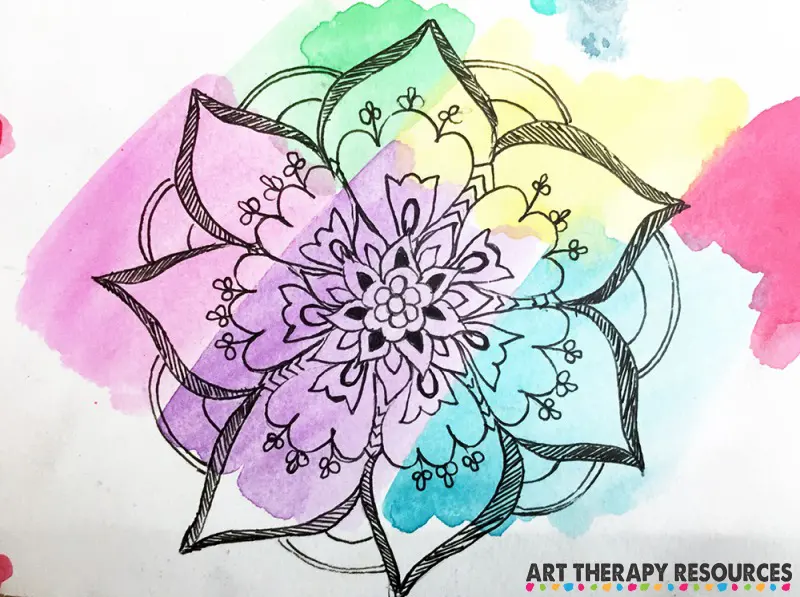
- Practice rhythmic activities like coloring or repetitive doodling to induce a calming, meditative cadence.
Best art activities for beginners
You do not need formal training to reap the mental health benefits of art. The goal is process-oriented creation rather than a polished final product. For those just starting, activities that minimize decision-making are often the most effective at lowering anxiety levels. Simple, repetitive motions allow the mind to wander safely without the stress of complex planning or technical execution.
Consider starting with these accessible methods:
- Adult coloring books: These provide clear boundaries and structure, which can be comforting for an anxious mind.
- Watercolor painting: The fluid nature of the medium encourages letting go of perfectionism.
- Collage making: Cutting and arranging images requires minimal drawing skill and allows for visual storytelling.
- Clay modeling: The physical resistance of the clay provides a grounding, sensory experience that can help release physical tension.
Common mistakes when using art for therapy
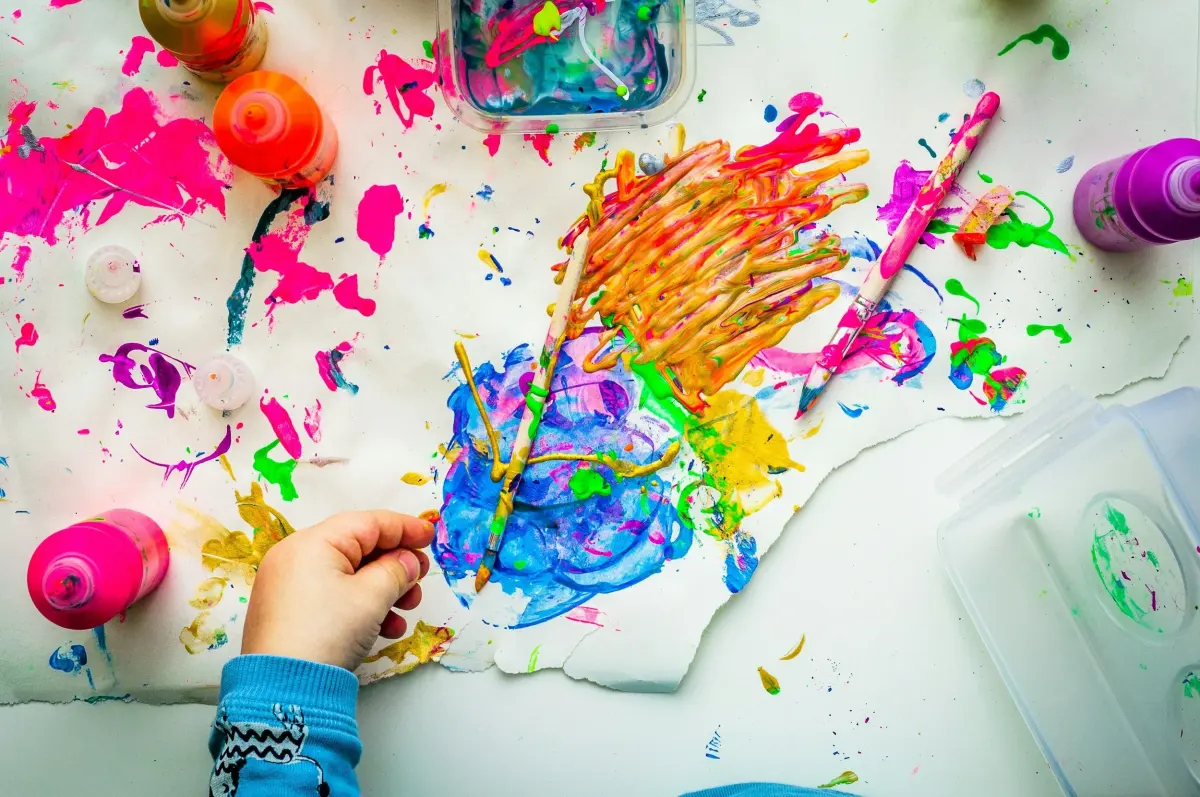
A frequent error is focusing on the aesthetic quality of the work rather than the emotional release it provides. When beginners judge their own output as "bad" or "ugly," they often introduce new layers of stress, which defeats the purpose of the activity. It is essential to remember that the artwork is a byproduct of the experience, not the goal itself. Approaching art with a critical eye shifts the brain back into a state of evaluation and performance, which is the opposite of the relaxation you are seeking.
Another mistake is attempting to tackle overly complex projects that require high levels of concentration or frustration-inducing techniques. If a project feels like a chore, your anxiety will likely increase rather than decrease. Avoid comparing your work to others on social media, as this often triggers feelings of inadequacy. Instead, treat your art session as a private laboratory for self-expression where no rules apply and no one else is invited to judge the results.
How to build a consistent practice
Consistency is the key to turning art into an effective long-term tool for anxiety management. By integrating creative time into your weekly routine, you create a reliable "buffer zone" against daily stressors. Start small by committing to just two sessions per week. Over time, this becomes a conditioned response; your brain begins to associate the act of picking up a pencil or brush with the onset of relaxation, making it easier to calm down even during high-stress periods.
To maintain your momentum, keep your supplies accessible and organized. If you have to spend twenty minutes searching for materials, you are less likely to start when you feel an anxiety spike. Keep a dedicated sketchbook or a small box of supplies near your favorite chair. Remember that your practice should remain flexible; if you are too tired for a complex painting, switch to simple doodling or coloring. The objective is to keep the creative channel open, ensuring that art remains a sustainable and supportive companion in your journey toward better mental health.
Key facts
- A 2016 study in the journal Art Therapy found that 45 minutes of creative activity significantly lowers cortisol levels in 75% of participants.
- Engaging in repetitive artistic motions, such as coloring or knitting, activates the parasympathetic nervous system to induce a state of calm.
- Art therapy is clinically recognized by the American Art Therapy Association as a treatment to improve cognitive and sensorimotor functions.
- Focusing on the process of creating rather than the final product helps shift the brain away from ruminative, anxious thought patterns.
- Using warm colors like yellow and orange can stimulate energy, while cool tones like blue and green are proven to lower heart rates.
- Setting a timer for 15 minutes of daily sketching can create a consistent mental "reset" button for managing high-stress periods.
The bottom line
Engaging in artistic activities serves as a powerful, evidence-based tool for managing anxiety by lowering cortisol levels and promoting mindfulness. By focusing on the process rather than the outcome, you can effectively quiet a racing mind and regulate your nervous system. Whether through sketching, painting, or sculpting, dedicating even a few minutes daily to creative expression offers a practical, accessible way to improve your mental well-being.
People also ask
Do I need to be talented at drawing for art to reduce my anxiety?
No, the therapeutic benefits come from the act of creation rather than the aesthetic quality of the result. Focusing on technical perfection often increases stress, so prioritize experimentation over producing a masterpiece.
What materials are best for beginners looking to lower stress?
Simple tools like watercolor paints, colored pencils, or modeling clay are ideal because they require minimal setup. These materials offer tactile feedback that helps ground the user in the present moment.
How long does a session need to be to feel a difference?
Even 10 to 20 minutes of focused creative time can trigger a measurable reduction in stress hormones. Consistency is more important than the duration of each individual session.
Should I create art in silence or with music?
This depends on your personal preference, but many people find that instrumental music or ambient nature sounds enhance the meditative quality of art. Avoid music with complex lyrics if you find it distracting.
What is a common mistake when using art for anxiety?
The most common mistake is judging your work or comparing it to others. This self-criticism defeats the purpose of the activity, which is to provide a non-judgmental space for self-expression.
Can digital art provide the same benefits as traditional media?
Digital art can be effective, but traditional tactile media often provide stronger sensory grounding. The physical sensation of brush on paper or clay in hands is particularly helpful for sensory regulation.
This answer was created with the help of AI research tools and reference sources. Spotted an error? Let us know — we correct mistakes quickly. See our editorial policy.