Is drawing a form of meditation?
Short answer
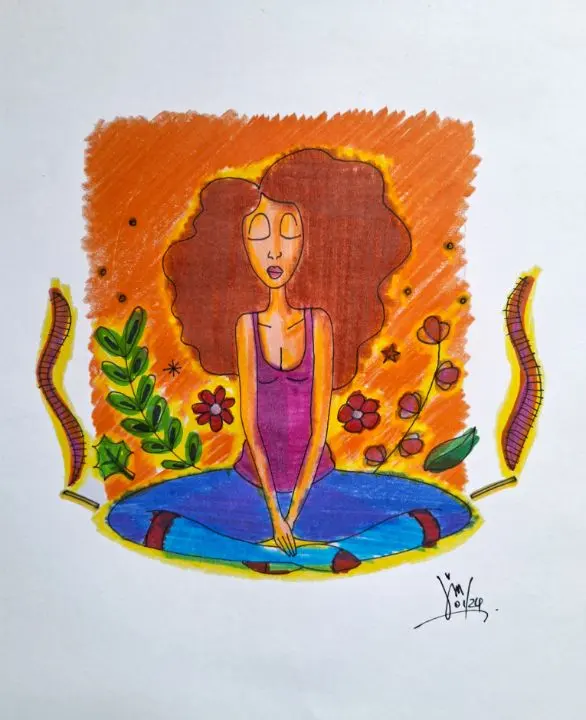
Drawing acts as a form of active meditation by inducing a flow state, where the brain shifts from analytical processing to focused, rhythmic engagement. This practice quiets the internal monologue, lowers cortisol levels, and improves mindfulness. By anchoring attention to the physical act of mark-making, drawing cultivates a meditative, present-moment awareness.
On this page
How does drawing function as meditation
Drawing functions similarly to mindfulness meditation by requiring intense focus on the present moment. When you draw, your brain enters a state of "flow," a psychological concept popularized by Mihaly Csikszentmihalyi in the 1970s. During this state, the prefrontal cortex—the area responsible for self-monitoring and planning—temporarily decreases activity. This reduction allows the artist to lose their sense of time and self-consciousness, effectively quieting the "inner critic" that often fuels anxiety.
Unlike traditional seated meditation, which relies on breath or silence, drawing provides a tactile anchor. The physical sensation of graphite on paper or brush on canvas creates a sensory feedback loop. This external focus makes it easier for beginners to maintain concentration without becoming distracted by wandering thoughts. By shifting the brain's focus from internal rumination to external observation, drawing serves as a bridge between active creative work and deep, meditative stillness.
Why drawing reduces stress and anxiety
The therapeutic benefits of drawing are rooted in the regulation of the nervous system. Engaging in repetitive, rhythmic movements—such as cross-hatching, shading, or tracing outlines—signals the parasympathetic nervous system to initiate a relaxation response. This physiological shift lowers heart rate and reduces the production of cortisol, the body's primary stress hormone. Studies in art therapy have shown that even fifteen minutes of focused drawing can significantly lower physiological indicators of stress.
Furthermore, drawing allows for the non-verbal processing of emotions. When words fail to capture complex feelings, visual expression offers a safe outlet for release. By externalizing internal states onto paper, individuals can gain perspective on their stressors without the need for logical analysis. This process of "externalization" helps detach the individual from their anxiety, providing a sense of control and calm that is characteristic of traditional meditative practices.
How to begin meditative drawing
To start, you do not need formal training or expensive equipment. The goal is the process, not the final product. Follow these steps to establish a meditative drawing practice:
- Choose a simple tool, such as a soft graphite pencil or a fine-liner pen, and a blank sheet of paper.
- Find a quiet space where you will not be interrupted for at least ten minutes.
- Begin by making repetitive marks, such as circles, lines, or waves, without trying to create a specific image.
- Focus entirely on the friction of the pen against the paper and the movement of your hand.
- If your mind wanders, gently return your focus to the physical sensation of drawing.
Consistency is more important than duration. Even five minutes of daily practice can create a psychological habit that makes it easier to enter a meditative state quickly.
Common mistakes when using art for meditation
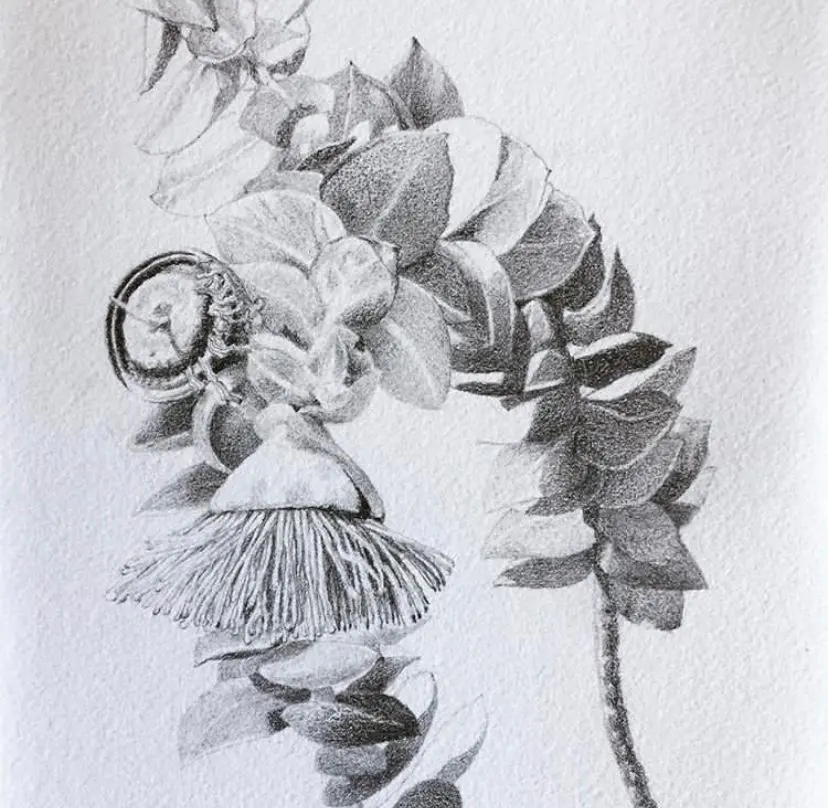
Many beginners struggle because they treat drawing as a performance rather than a practice. A frequent mistake is focusing on the quality of the sketch rather than the internal experience. When you worry about whether your drawing looks "good" or "realistic," you activate the analytical brain, which immediately breaks the meditative flow. To avoid this, use a blind contour technique where you draw an object without looking down at your paper, or focus on abstract patterns instead of representative figures.
Another common pitfall is setting unrealistic expectations for the outcome. If you approach the page expecting to find instant enlightenment or a masterpiece, you create unnecessary pressure. Meditation is about the journey, not the destination. If you find yourself becoming frustrated, acknowledge the feeling without judgment and return to the simple rhythm of your hand. Remember that the paper is a private space for exploration, not a canvas for public critique.
Best drawing techniques for mindfulness
Different techniques can enhance the meditative quality of your sessions depending on your mood. Structured patterns, such as Zentangle, are particularly effective for those who find total freedom intimidating. These methods involve repeating simple, structured shapes to create complex, beautiful designs. This structure provides a clear path for the mind to follow, reducing the cognitive load required to make artistic decisions.
- Zentangle: Focuses on repeating simple, structured patterns to build a larger composition.
- Blind Contour: Improves hand-eye coordination and forces intense observation of the subject.
- Continuous Line: Requires the pen to stay on the paper for the duration of the drawing, forcing fluidity.
- Shading Exercises: Involves repetitive, soft strokes to build depth, which is highly rhythmic and soothing.
By experimenting with these techniques, you can determine which style best helps you quiet your mind. Whether you prefer the structure of patterns or the fluid movement of continuous lines, the key is to maintain a steady, gentle rhythm that keeps you grounded in the present moment.
Key facts
- Drawing triggers the "flow state," a psychological term coined by Mihaly Csikszentmihalyi in 1975 to describe total immersion in an activity.
- The rhythmic motion of sketching reduces cortisol levels, the body's primary stress hormone, according to studies in art therapy.
- Engaging in repetitive mark-making, such as doodling or patterns, functions similarly to mantra-based meditation by quieting the internal monologue.
- Focus on the sensory experience of the pencil on paper, rather than the final product, to maximize the meditative benefits.
- Aim for at least 15 to 20 minutes of uninterrupted drawing time to allow the brain to transition into a relaxed, meditative state.
- Use a simple medium like graphite or charcoal to avoid the cognitive load of managing complex color palettes or drying times.
The bottom line
Drawing serves as a powerful meditative tool by anchoring the mind in the present moment through rhythmic, sensory-focused action. By shifting your attention from the final result to the physical process of mark-making, you can effectively lower stress and enter a restorative flow state. Whether you are a skilled artist or a complete beginner, the practice offers a simple, accessible path to mental clarity and calm.
People also ask
Does the quality of the drawing matter for meditation?
No, the artistic merit of the work is irrelevant to the meditative process. The goal is to focus on the act of creation rather than the aesthetic outcome.
Can I listen to music while drawing meditatively?
Yes, but instrumental music or ambient sounds are best. Lyrics can engage the language centers of the brain, which may distract you from the meditative focus.
What is the difference between art therapy and meditative drawing?
Art therapy usually involves a therapist guiding a patient to process trauma or emotions. Meditative drawing is a self-directed practice focused on mindfulness and stress reduction.
Is it better to draw from memory or from life?
Drawing from life encourages "deep looking," which anchors your attention to the present moment. This external focus is highly effective for grounding the mind.
What should I do if I feel frustrated by my drawing skills?
Acknowledge the frustration as a passing thought and return your focus to the physical sensation of the pencil. Avoid judging your work as "good" or "bad."
How often should I practice drawing for mental health benefits?
Even short, daily sessions of 10 minutes provide cumulative benefits. Consistency is more important than the duration of any single session.
This answer was created with the help of AI research tools and reference sources. Spotted an error? Let us know — we correct mistakes quickly. See our editorial policy.