What do opossums eat?
Short answer
Opossums are opportunistic omnivores that consume a diverse range of foods, including insects, carrion, fruits, grains, and human refuse. Their diet is highly flexible, allowing them to thrive in both wild and urban environments. By scavenging for decaying matter and pests, they play a vital ecological role as nature’s cleanup crew.
On this page
What do opossums eat in the wild?
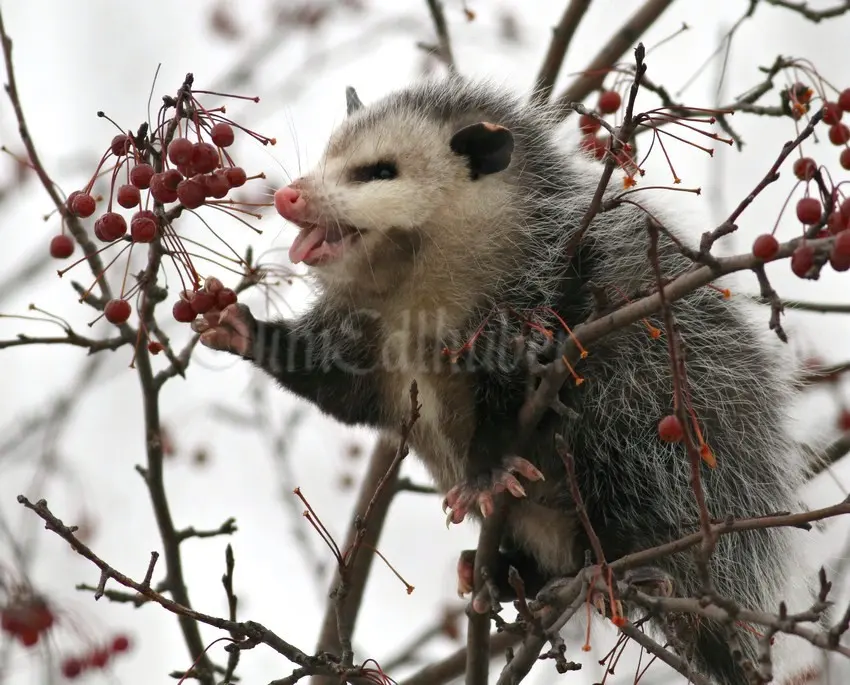
In their natural habitat, opossums function as opportunistic foragers, meaning they consume whatever food source is most readily available. Their diet is heavily reliant on protein-rich insects, such as beetles, crickets, grasshoppers, and cockroaches. They also consume snails and slugs, which makes them beneficial neighbors for gardeners looking to control pest populations naturally.
Beyond insects, opossums are frequent scavengers that consume carrion, or the carcasses of dead animals. This habit helps keep ecosystems clean and prevents the spread of disease. They also supplement their diet with various plant materials, including:
- Fallen fruits and berries
- Nuts and seeds
- Grasses and tender vegetation
- Mushrooms and fungi
During the autumn months, opossums often increase their intake of fruits and grains to build up fat reserves for the winter. Because they are not picky eaters, they can adapt their nutritional intake based on the seasonal availability of resources in their specific geographic region.
What do opossums eat in urban areas?
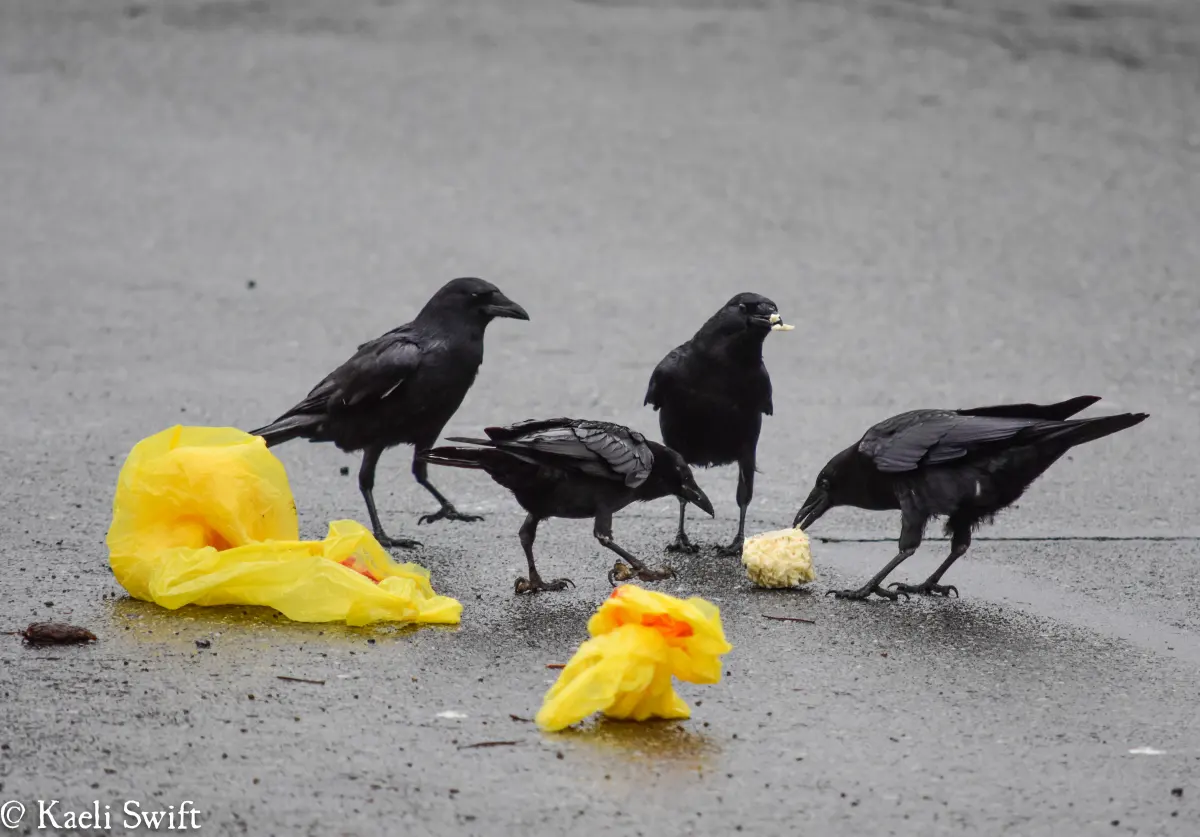
When opossums live near human settlements, they quickly adapt to the abundant food sources provided by residential and commercial waste. They are frequently found raiding garbage cans, compost piles, and pet food bowls left outdoors at night. While this behavior can be a nuisance for homeowners, it demonstrates the animal's remarkable ability to exploit human-provided resources.
In urban settings, an opossum's diet often includes:
- Leftover pet kibble or canned food
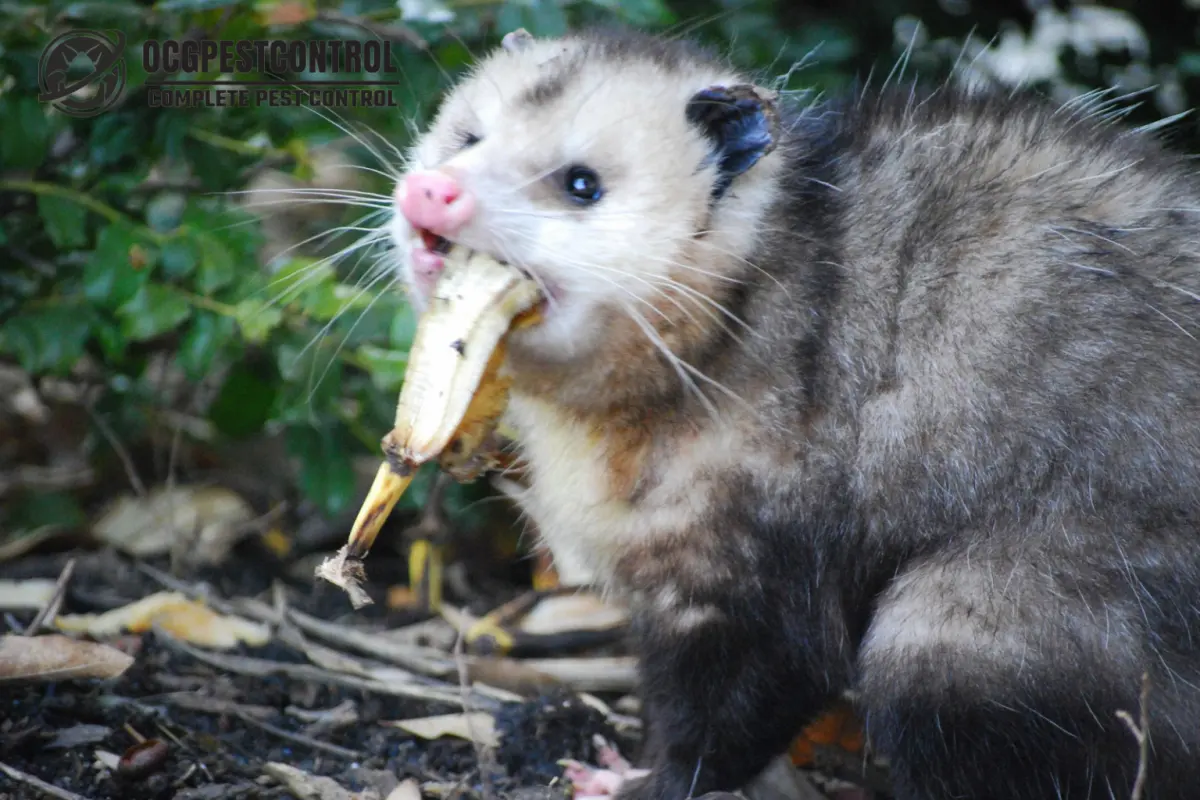
- Discarded human food scraps
- Birdseed spilled under feeders
- Overripe fruit from garden trees
- Pet waste or carrion found near roadsides
Because these animals are nocturnal, they often frequent these food sources under the cover of darkness. While they are generally shy, the allure of easy calories can lead them to become bold around homes. Providing a consistent food source often encourages opossums to den nearby, which may lead to conflicts with household pets or property damage.
How to safely feed opossums
While it is generally discouraged to feed wild animals, some people choose to provide supplemental food to opossums during periods of extreme weather or food scarcity. If you decide to offer food, it is essential to prioritize their health and avoid creating a dependency that alters their natural foraging behaviors. The goal should be to provide a balanced snack rather than a full meal.
To feed them safely, follow these guidelines:
- Provide a small amount of high-protein food, such as dry cat food or mealworms.
- Include fresh fruits like apples, grapes, or berries for vitamins.
- Always offer a shallow dish of fresh, clean water nearby.
- Place food away from your home’s foundation to discourage them from nesting under your porch.
- Remove any uneaten food by morning to avoid attracting other wildlife or pests like rats.
Avoid feeding them processed human snacks, chocolate, or salty foods, as these can cause significant health issues. Consistency is key, but keep portions small so the animal remains motivated to hunt for its primary sustenance in the wild.
Common mistakes when managing opossums
One of the most frequent mistakes homeowners make is leaving pet food outside overnight. This is the primary reason opossums are attracted to residential properties. If you have outdoor pets, bring their bowls inside before dusk. Additionally, failing to secure trash cans with locking lids allows opossums easy access to household waste, which can lead to messy yards and increased encounters.
Another common error is attempting to relocate an opossum that has taken up residence under a deck or shed. If you trap and move them, you may inadvertently separate a mother from her young, leading to the death of the offspring. Instead, focus on exclusion techniques:
- Use motion-activated lights to deter them from specific areas.
- Seal gaps under structures with heavy-duty hardware cloth.
- Clear away brush piles or wood stacks that provide attractive cover.
By removing the incentives for them to stay, you can encourage the opossum to move along naturally without the need for stressful or potentially illegal trapping.
Why do opossums eat ticks?
One of the most widely cited benefits of having opossums nearby is their appetite for ticks. Research has suggested that a single opossum can consume thousands of ticks during a single season. They groom themselves meticulously, much like cats, and ingest the ticks they find attached to their fur. This behavior effectively removes the parasites from the environment, potentially reducing the local risk of tick-borne diseases.
However, it is important to view this fact with nuance. While opossums are excellent at eating ticks, they are not a "silver bullet" for pest control. They are simply one part of a complex ecosystem that includes many other predators of insects. Relying solely on opossums to manage tick populations is not a substitute for standard yard maintenance or personal protection measures.
Ultimately, understanding that opossums are generalist scavengers helps explain why they are so successful in diverse environments. Whether they are cleaning up a forest floor or scavenging in a backyard, their varied diet is the secret to their survival. By respecting their role as nature’s cleanup crew and minimizing human-provided food sources, you can coexist with these unique marsupials without inviting them into your living space.
Key facts
- Opossums are opportunistic omnivores, meaning they consume almost anything they encounter, including insects, fruits, grains, and carrion.
- They are highly beneficial to gardeners because they consume thousands of ticks, slugs, snails, and beetles each season.
- Avoid leaving pet food outside overnight, as its high protein content is a major attractant that draws opossums to residential areas.
- Secure your trash cans with heavy-duty lids or bungee cords to prevent these animals from foraging through household waste.
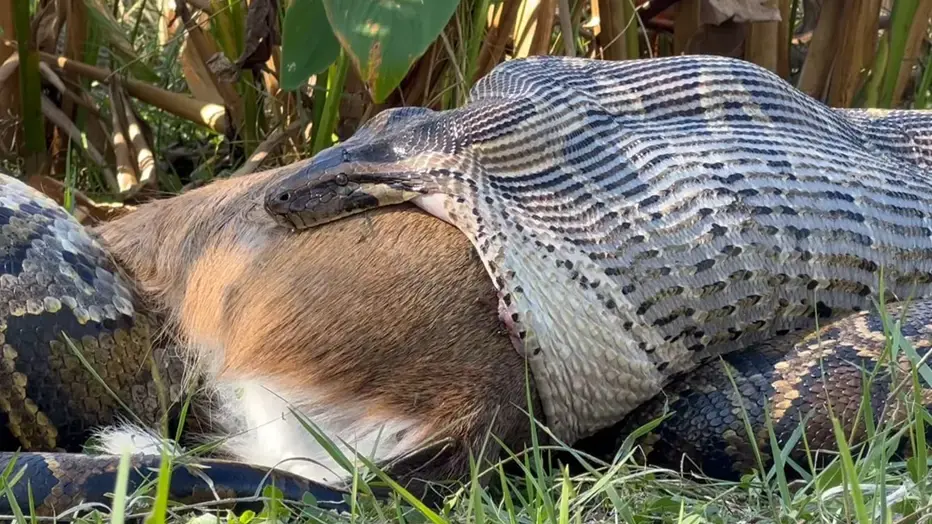
- Opossums have a high tolerance for venom; they frequently eat snakes, including copperheads and rattlesnakes, without suffering ill effects.
- If you find an opossum in your yard, it is best to leave it alone, as they are non-aggressive and rarely carry rabies due to their low body temperature.
The bottom line
Opossums are versatile scavengers that play a vital role in local ecosystems by controlling pest populations. By consuming ticks, slugs, and carrion, they provide free natural pest management for homeowners. While they may occasionally scavenge for pet food or fallen fruit, they are generally harmless neighbors. The best way to coexist is to secure your waste and avoid intentionally feeding them to maintain their natural behavior.
People also ask
Do opossums eat garden vegetables?
They may occasionally sample fallen fruit or overripe vegetables, but they are not typically considered major garden pests. They are more interested in the insects and slugs that damage your plants than the plants themselves.
Will an opossum eat my cat or dog?
No, opossums are not predators of domestic pets. They are timid scavengers that will actively avoid confrontation with cats or dogs whenever possible.
Can I feed opossums to keep them away from my house?
You should never intentionally feed wild opossums, as this encourages them to lose their natural fear of humans. Providing food creates a dependency that can lead to nuisance behavior and potential health risks for the animal.
Do opossums eat birdseed?
Yes, they are attracted to spilled birdseed under feeders. To discourage them, clean up fallen seeds daily and consider using squirrel-proof baffles or hanging feeders higher off the ground.
Are opossums dangerous to have near children?
Opossums are generally docile and prefer to play dead or hiss rather than bite. However, as with any wild animal, children should be taught to observe them from a distance and never attempt to touch or feed them.
Do opossums eat pumpkins or decorative gourds?
They will eat pumpkins, especially if the gourds are soft or starting to decay. If you want to protect your fall decorations, keep them on a porch or elevated surface rather than directly on the ground.
This answer was created with the help of AI research tools and reference sources. Spotted an error? Let us know — we correct mistakes quickly. See our editorial policy.