Where do elk live?
Short answer
Elk primarily inhabit North America and parts of East Asia, favoring mountainous forests and adjacent meadows. In North America, they are most common in the Rocky Mountains, the Pacific Northwest, and parts of the Appalachian region. They migrate seasonally between high-elevation summer ranges and lower-elevation winter valleys to find food.

On this page
Where do elk live in North America?
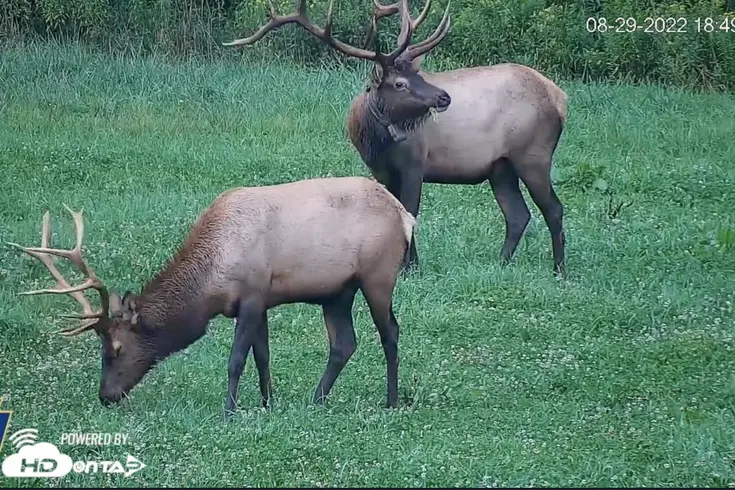
Elk, scientifically known as Cervus canadensis, occupy a diverse range of habitats across the North American continent. Historically, they roamed nearly every part of the United States and Canada, but modern populations are largely concentrated in the western half of the continent. Key strongholds include the Rocky Mountain chain, spanning from New Mexico and Colorado up through Montana and into the Canadian provinces of Alberta and British Columbia.
In addition to these mountainous regions, elk have successfully established or reintroduced populations in other areas. The Pacific Northwest, including Washington, Oregon, and Northern California, hosts significant herds of Roosevelt elk, a subspecies known for its larger size. Smaller, managed populations also exist in the Great Lakes region and parts of the Appalachian Mountains, such as Kentucky and Pennsylvania, where conservation efforts have restored them to former ancestral lands.
What is the preferred habitat of elk?
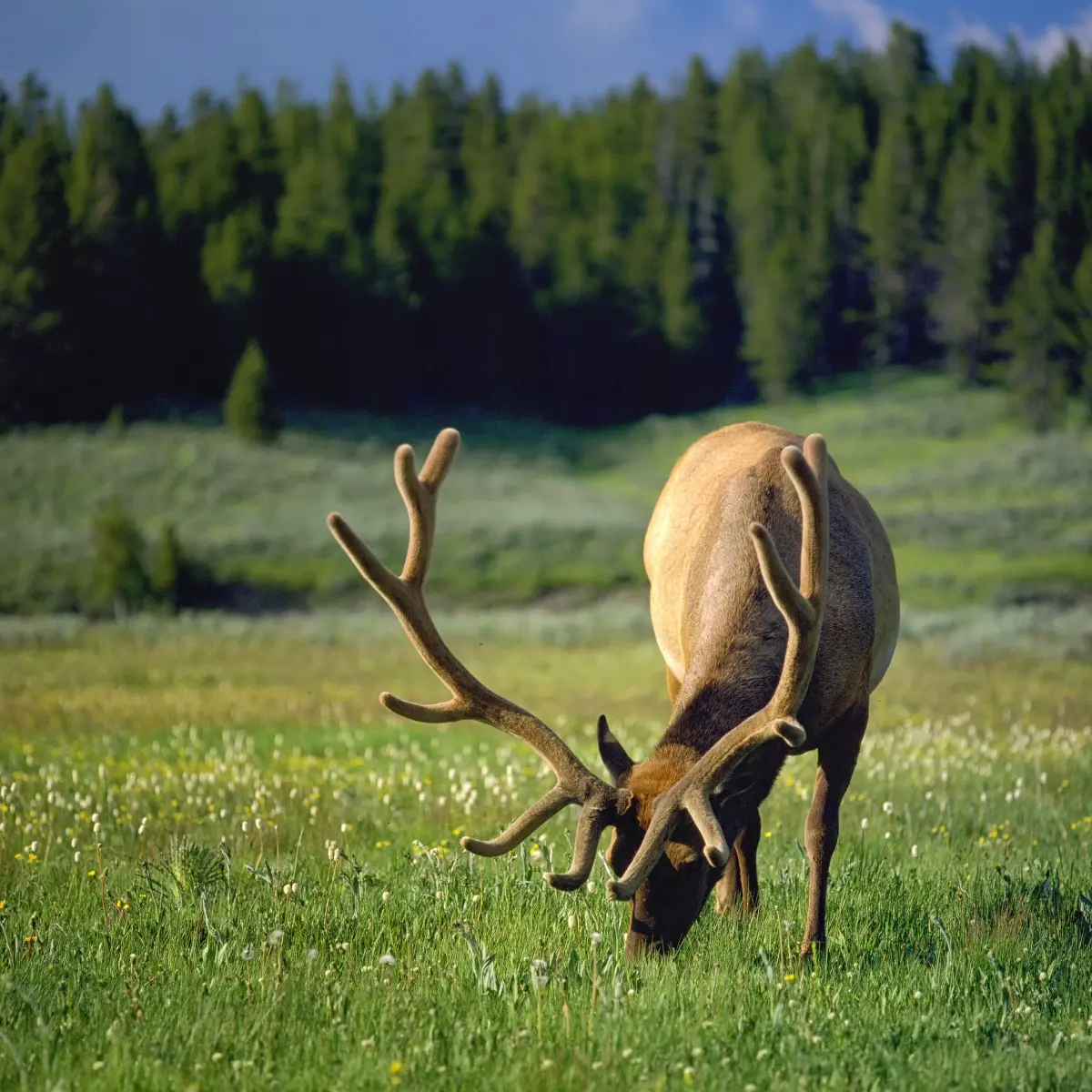
Elk are highly adaptable animals that thrive in environments offering a mix of open meadows and dense forest cover. They require open areas for grazing on grasses and forbs, while the surrounding timber provides essential thermal cover and protection from predators. During the heat of the day, elk often retreat into the shade of coniferous forests to regulate their body temperature and rest.
Their habitat selection is heavily influenced by the availability of quality forage and water sources. During the winter, they seek out south-facing slopes where snow depth is minimal, allowing them to reach dried grasses beneath the surface. Throughout the year, they demonstrate a preference for the "edge" habitat, which is the transitional zone between forest and grassland. This specific ecological niche allows them to move quickly between feeding grounds and safety.
How do elk migrate seasonally?
Many elk populations engage in altitudinal migration, a process where animals move between different elevations based on the time of year. In the spring, as snow begins to melt, elk follow the "green-up" of vegetation from low-elevation valleys to higher mountain meadows. This migration allows them to consume highly nutritious, newly sprouted plants throughout the summer months.
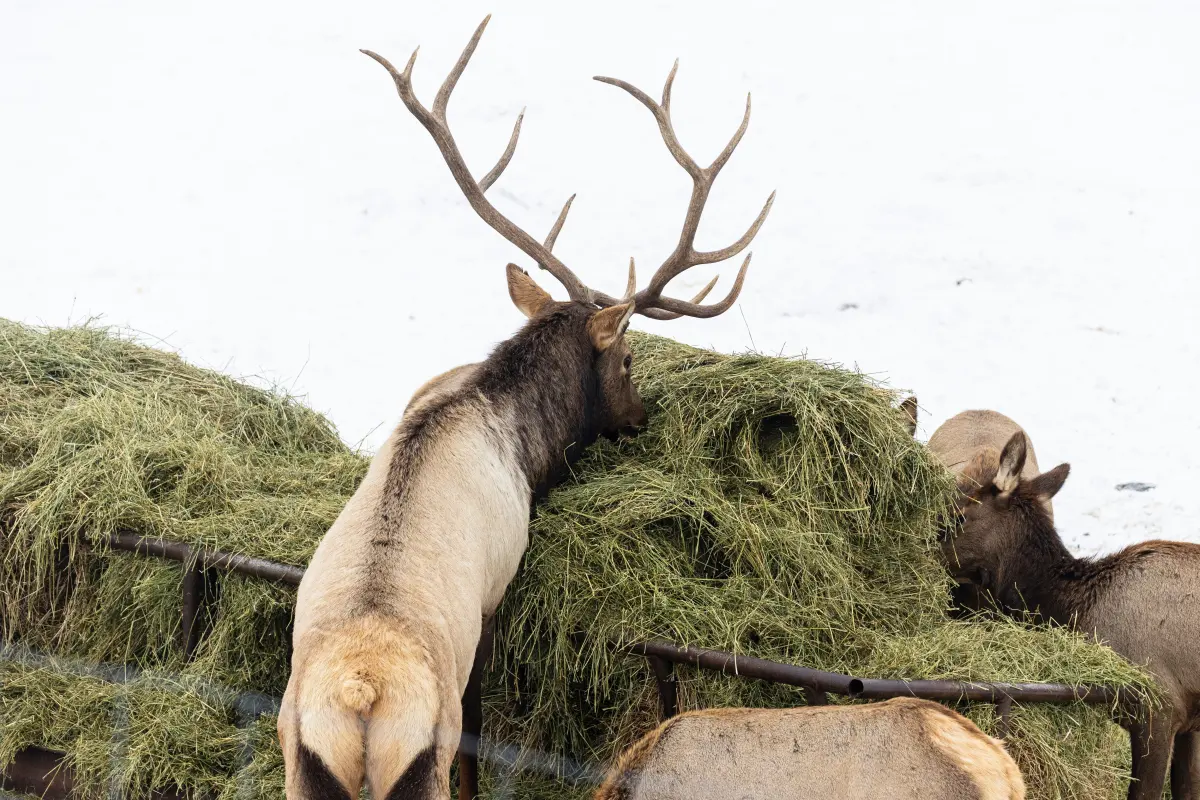
When autumn arrives and temperatures drop, elk begin their return journey to lower elevations. This movement is critical for survival, as deep snow at high altitudes can bury their food supply and make travel exhausting. By wintering in sheltered valleys, they conserve energy and avoid the harshest weather conditions.
- Spring: Migration to high-altitude summer ranges.
- Summer: Feeding on alpine grasses and wildflowers.
- Autumn: Return to lower elevations as temperatures decrease.
- Winter: Survival in valley bottoms with less snow.
How to spot elk in the wild?
Observing elk in their natural environment requires patience, preparation, and a basic understanding of their daily activity patterns. Elk are most active during the crepuscular hours, meaning they are most visible at dawn and dusk. During these times, they are likely to be found grazing in open meadows or along the edges of forest clearings, making them easier to spot with binoculars or a spotting scope.
To increase your chances of a successful sighting, follow these practical steps:
- Research local wildlife management areas or national parks known for elk activity.
- Arrive at your vantage point at least an hour before sunrise or stay until sunset.
- Use high-quality optics to scan forest edges and meadow perimeters.
- Maintain a distance of at least 25 yards, as elk are easily spooked by human presence.
- Remain quiet and avoid wearing bright colors that might contrast with the natural landscape.
Common mistakes when looking for elk
One of the most frequent errors observers make is failing to account for the animal's keen sense of smell. Elk possess a highly developed olfactory system; if you are positioned downwind, they will likely detect your presence long before you see them. Always check the wind direction before setting up your viewing spot and try to position yourself so the breeze is blowing toward you, rather than toward the herd.
Another common mistake is assuming that elk remain in the same location throughout the entire day. Many beginners spend hours waiting in a meadow during the middle of the afternoon, only to find the area empty. Because elk spend most of the midday resting in dense timber, you are unlikely to see them during these hours. Instead, focus your efforts on the early morning and late evening, and avoid trekking deep into the woods during the day, as this often causes the animals to retreat further into hiding.
Key facts
- Elk, also known as wapiti, primarily inhabit the mountainous regions and forests of North America and parts of East Asia.
- In North America, the largest populations reside in the Rocky Mountains, specifically in states like Wyoming, Montana, and Colorado.
- These animals prefer transitional zones known as ecotones, where open meadows meet dense forests for both grazing and shelter.
- Elk are migratory, typically moving to higher elevations in the summer and descending to lower valleys during the winter months.
- When searching for elk, look for signs like wallows, tracks, or stripped bark on trees, which indicate recent activity in the area.
- Avoid approaching elk during the rut (mating season) in autumn, as bulls become highly aggressive and territorial toward humans.
The bottom line
Elk are highly adaptable ungulates that thrive in the diverse landscapes of North America, moving between high-altitude summer ranges and sheltered winter valleys. Their survival depends on access to expansive meadows and forests, which provide essential forage and protection. By understanding their seasonal migration patterns and respecting their need for space, observers can safely appreciate these majestic animals in their natural, wild habitats across the continent.
People also ask
What is the difference between an elk and a moose?
Moose are significantly larger, darker in color, and possess broad, palmate antlers, whereas elk have slender, branched antlers. Moose are also solitary creatures, while elk are highly social and live in large herds.
Read the full answer →How much space does an elk need to live?
A single elk herd may utilize a home range spanning several hundred square miles throughout the year. Their movement is dictated by seasonal food availability and the need to escape deep snowpack.
Do elk live in the eastern United States?
While elk were once native to the entire continent, they were largely extirpated from the East by the early 20th century. Successful reintroduction programs have established small, protected populations in states like Pennsylvania, Kentucky, and North Carolina.
What do elk eat to survive?
Elk are ruminant herbivores that graze on grasses and forbs during the spring and summer. In the winter, they shift their diet to browsing on woody plants, shrubs, and tree bark to maintain energy levels.
Are elk dangerous to humans?
Elk are wild animals that can be unpredictable, especially when protecting calves or during the breeding season. It is recommended to maintain a distance of at least 25 yards to ensure safety for both the human and the animal.
Read the full answer →How do elk survive harsh winters?
Elk grow a thick, insulating coat of hair in the autumn and rely on stored body fat to survive cold temperatures. They congregate in lower-elevation valleys where the snow is shallower and easier to traverse for food.
This answer was created with the help of AI research tools and reference sources. Spotted an error? Let us know — we correct mistakes quickly. See our editorial policy.