Where do grizzly bears live?
Short answer
Grizzly bears primarily inhabit the wilderness regions of North America, specifically Alaska, western Canada, and the northwestern United States. They favor diverse habitats ranging from dense forests and alpine meadows to river valleys. While their historic range once spanned much of the Great Plains, human expansion has significantly restricted their current distribution.
On this page
Where do grizzly bears live today?
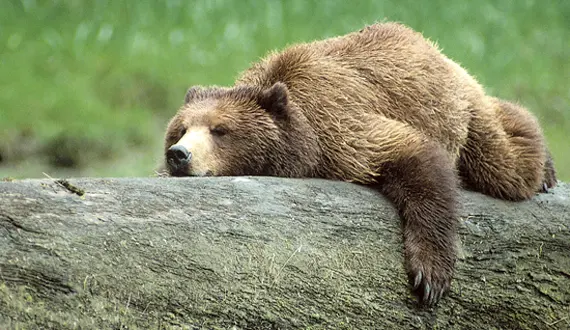
Grizzly bears (Ursus arctos horribilis) currently occupy a fraction of their historical range, which once stretched from the Arctic Circle to central Mexico. Today, the largest populations reside in Alaska and the Yukon Territory, where vast, undisturbed landscapes provide ample space for foraging. In the lower 48 United States, their presence is limited to a few isolated ecosystems in the Northern Rockies.
These bears are highly adaptable, though they require large home ranges to support their caloric needs. They are most commonly found in the following regions:
- The Brooks Range and the Alaska Peninsula.
- The Canadian Rockies in Alberta and British Columbia.
- The Greater Yellowstone Ecosystem in Wyoming, Montana, and Idaho.
- The Northern Continental Divide Ecosystem in Montana.
Because they are solitary animals, they avoid human-populated areas whenever possible. They prefer rugged, mountainous terrain that offers seasonal food sources, such as berries, roots, and spawning salmon.
What types of environments do they prefer?
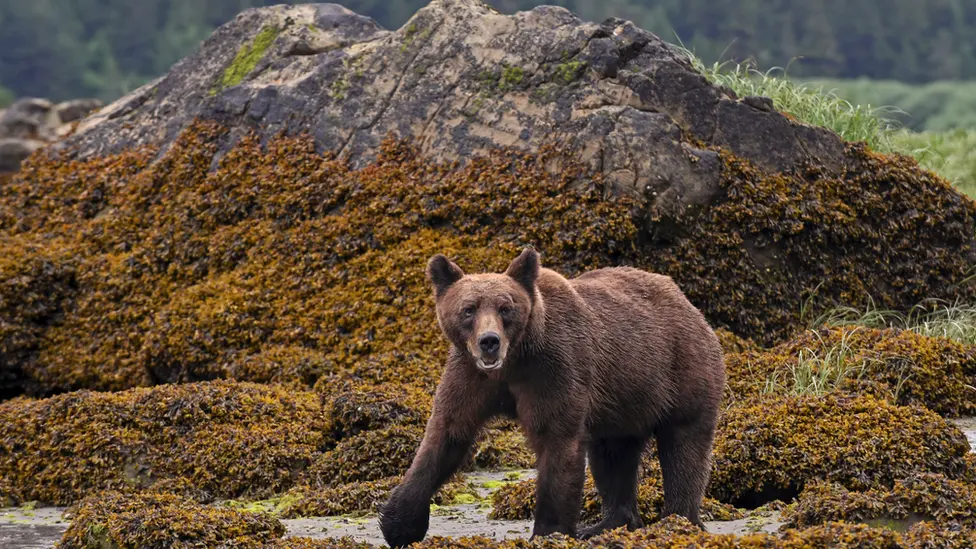
Grizzly bears are generalists, meaning they can thrive in various habitats as long as food and cover are available. They are frequently spotted in alpine meadows during the summer, where they graze on succulent grasses and dig for glacier lilies. In the autumn, they move to lower elevations to feed on ripening berries and prepare for winter hibernation.
Their habitat selection is largely dictated by seasonal resource availability. They often frequent river corridors during the salmon runs, as these high-protein meals are essential for building the fat reserves needed to survive the winter. They also inhabit dense coniferous forests, which provide necessary shade and protection from the elements.
When choosing a territory, a grizzly bear looks for:
- High-quality forage patches that change with the seasons.
- Secluded areas with minimal human infrastructure.
- Access to denning sites, typically on steep, north-facing slopes.
How do grizzly bears interact with their habitat?
Grizzly bears act as "ecosystem engineers" because their daily activities significantly shape the environment around them. By digging for roots and tubers, they aerate the soil and encourage the growth of diverse plant species. Their habit of dragging salmon carcasses into the forest provides critical nitrogen-rich fertilizer for trees and shrubs, which benefits the entire local food web.
Furthermore, their presence influences the behavior of other wildlife. Elk and deer often avoid areas where grizzly bears are known to hunt, which prevents overgrazing in certain meadows. This "landscape of fear" ensures that vegetation remains healthy and diverse. By maintaining these complex relationships, grizzly bears help sustain the ecological integrity of the wilderness areas they inhabit.
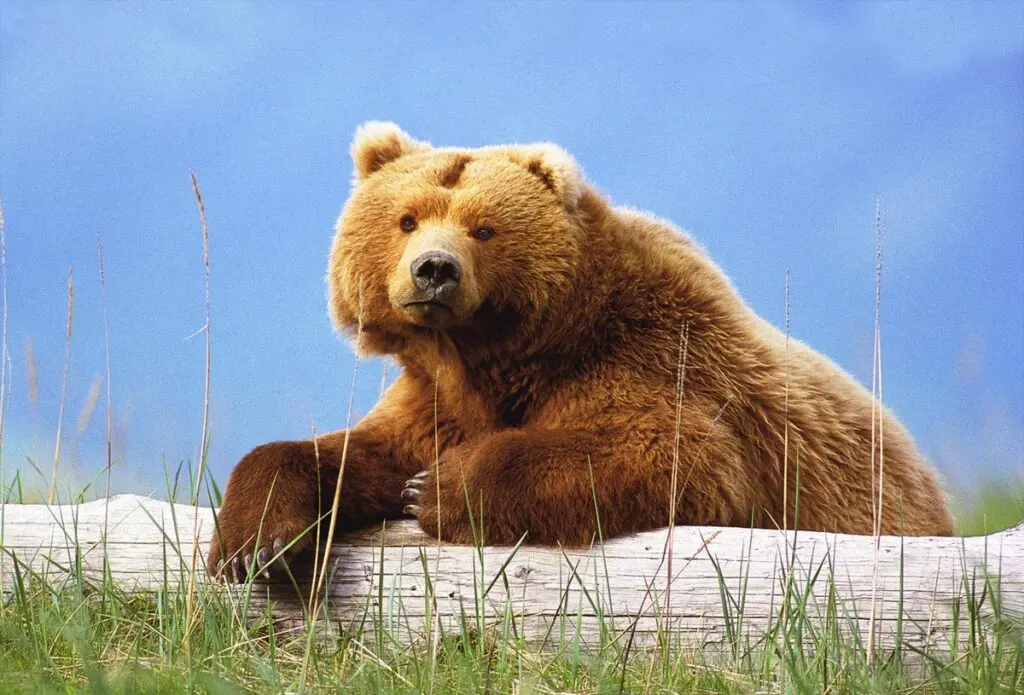
Common mistakes when tracking grizzly bear range
Many people assume that grizzly bears can be found in any forested area of the American West, but this is a dangerous misconception. Grizzly bears are absent from large portions of the Sierra Nevada and the Southern Rockies, despite these areas appearing suitable. Relying on outdated maps or general assumptions can lead to poor planning for outdoor recreation.
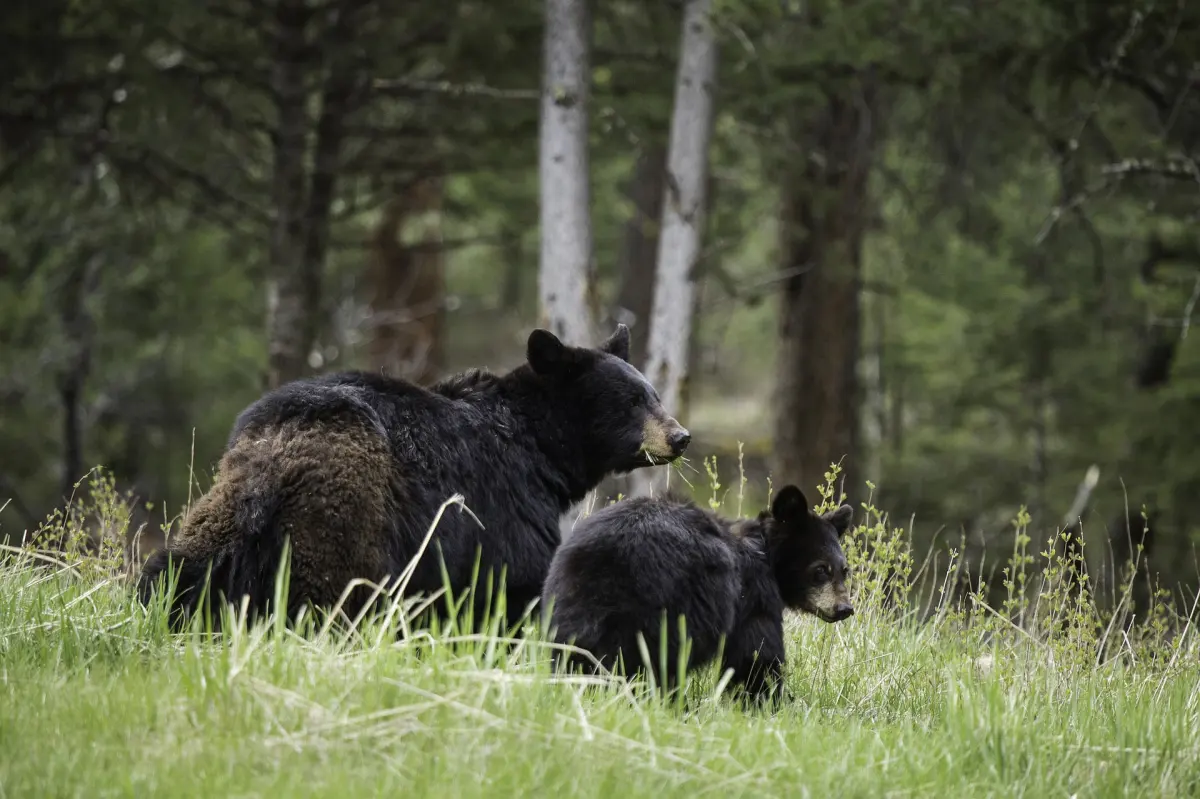
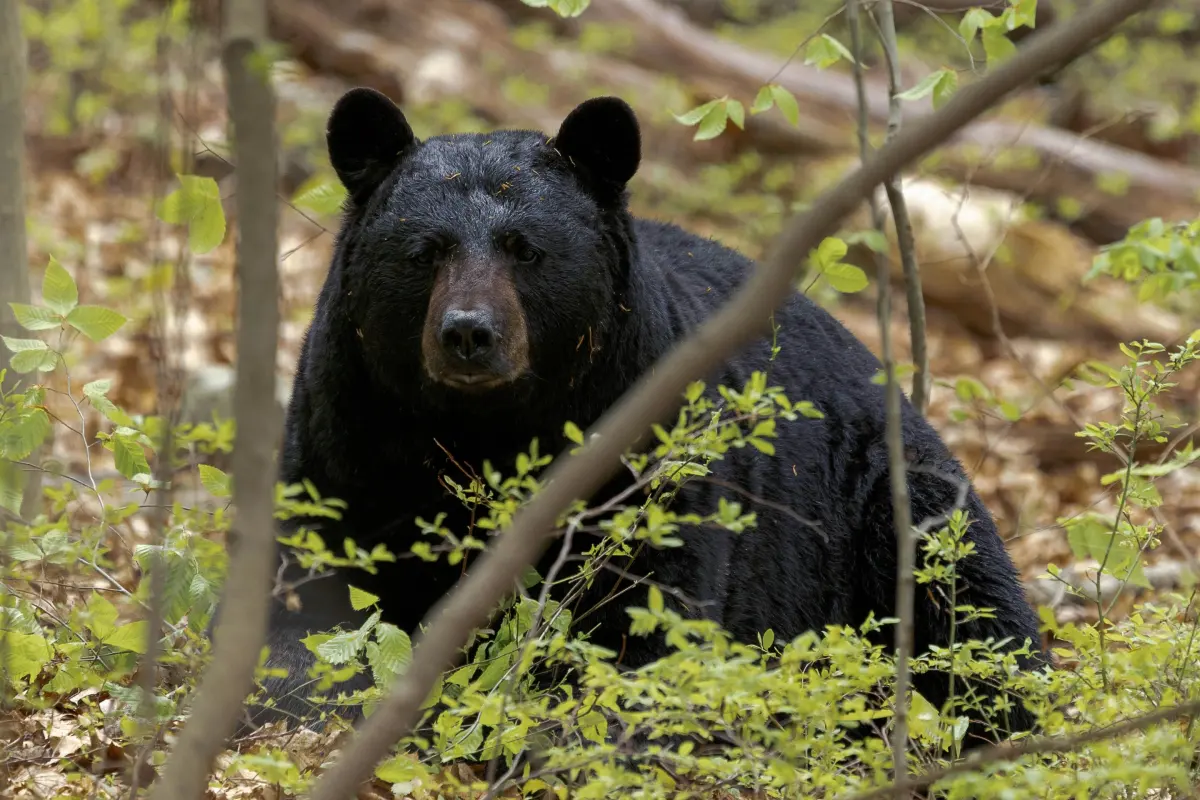
Another common error is failing to recognize the difference between grizzly bears and black bears. While their ranges often overlap, they have different habitat preferences. Black bears are more comfortable in dense, low-elevation forests near human settlements, whereas grizzlies generally require more remote, open spaces.
To avoid these mistakes, follow these guidelines:
- Always check current wildlife management maps before entering a new area.
- Do not assume that a lack of recent sightings means the area is bear-free.
- Research the specific seasonal movements of bears in the region you plan to visit.
How to stay safe in grizzly country
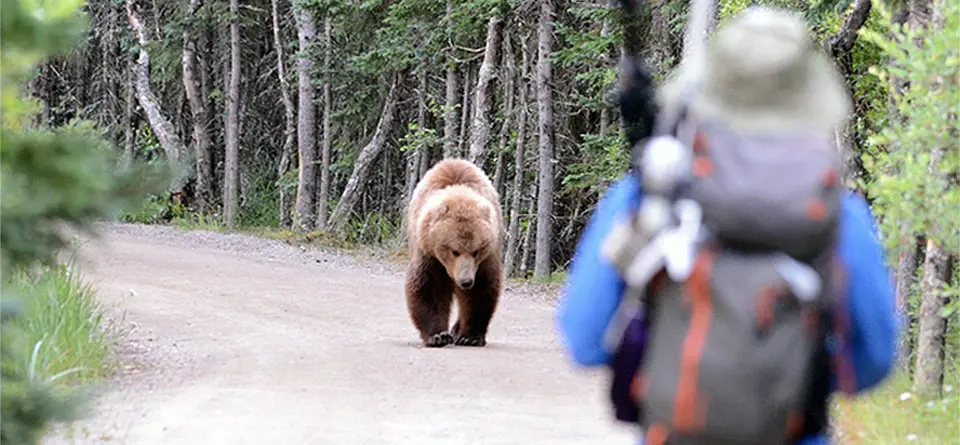
When traveling in grizzly bear territory, safety must be your top priority. The most effective way to avoid a negative encounter is to make noise while hiking, especially near rushing water or in thick brush where visibility is low. This prevents you from accidentally surprising a bear, which is the most common cause of defensive attacks.
If you are planning a trip into the backcountry, follow these essential safety steps:
- Carry EPA-approved bear spray in an easily accessible holster, not inside your pack.
- Store all food, trash, and scented items in bear-resistant containers or hang them at least 10 feet high.
- Travel in groups of three or more, as larger groups are much less likely to be approached by a bear.
- If you see a bear, never run; instead, back away slowly while keeping your eyes on the animal.
By respecting their space and understanding their biological needs, humans can coexist with these magnificent predators in the wild. Always remember that you are a visitor in their home, and your behavior directly impacts your safety and the bear's well-being.
Key facts
- Grizzly bears currently inhabit parts of Alaska, Western Canada, Montana, Wyoming, Idaho, and Washington.
- They prefer diverse habitats including alpine meadows, dense forests, and river valleys where food is abundant.
- A grizzly bear's home range can span hundreds of square miles, depending on the availability of seasonal food sources.
- To avoid encounters, always carry EPA-approved bear spray and keep it easily accessible, not inside your backpack.
- Never store food or scented items like toothpaste inside your tent, as these attract bears from long distances.
- If you encounter a bear, identify yourself by speaking calmly and backing away slowly without turning your back or running.
The bottom line
Grizzly bears primarily roam the wild, rugged landscapes of northwestern North America, from the Alaskan wilderness down to the Northern Rockies. Their survival depends on vast, undisturbed territories rich in seasonal vegetation and protein sources. For visitors, understanding these habitats and practicing strict food storage protocols is essential. Respecting their space and carrying proper deterrents ensures both human safety and the continued preservation of this iconic species.
People also ask
Can grizzly bears climb trees?
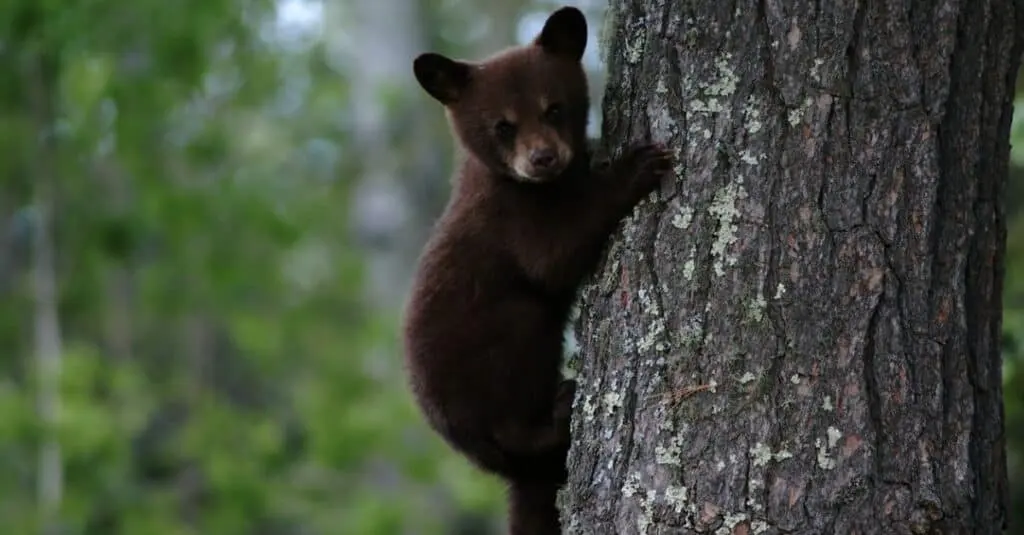
While adult grizzly bears are less agile than black bears, they can still climb trees if motivated by food or danger. Relying on climbing as a safety strategy is ineffective and dangerous.
How much space does a single grizzly bear need?
A male grizzly bear may require a home range of up to 600 square miles to find sufficient food. Females typically occupy smaller ranges, often between 50 and 150 square miles.
Do grizzly bears hibernate in the winter?
Grizzly bears enter a state of torpor during the winter months to conserve energy when food is scarce. They typically den in caves or excavated holes from late autumn until early spring.
Are there grizzly bears in the eastern United States?
There are no wild grizzly bear populations in the eastern United States. Their current range is strictly limited to the mountainous regions of the American West and Canada.
How can I tell if a bear is a grizzly or a black bear?
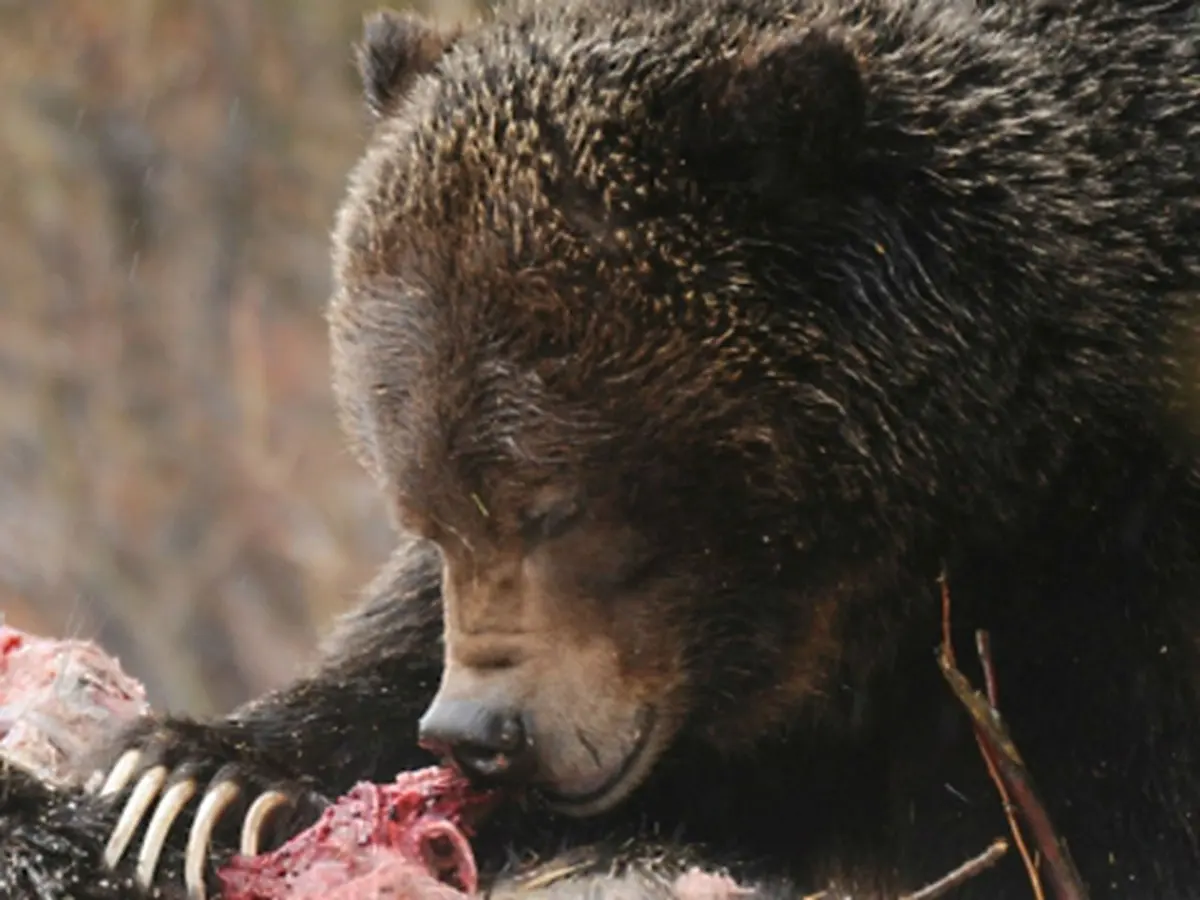
Look for the prominent muscular hump on the grizzly’s shoulders, which black bears lack. Grizzlies also have a more concave, "dished" facial profile and longer, straighter claws designed for digging.
What should I do if a grizzly bear charges?
If a grizzly bear charges, stand your ground and use your bear spray when the animal is within 30 to 60 feet. If physical contact occurs, drop to the ground and play dead by protecting your neck and head.
This answer was created with the help of AI research tools and reference sources. Spotted an error? Let us know — we correct mistakes quickly. See our editorial policy.