Where do caribou live?
Short answer
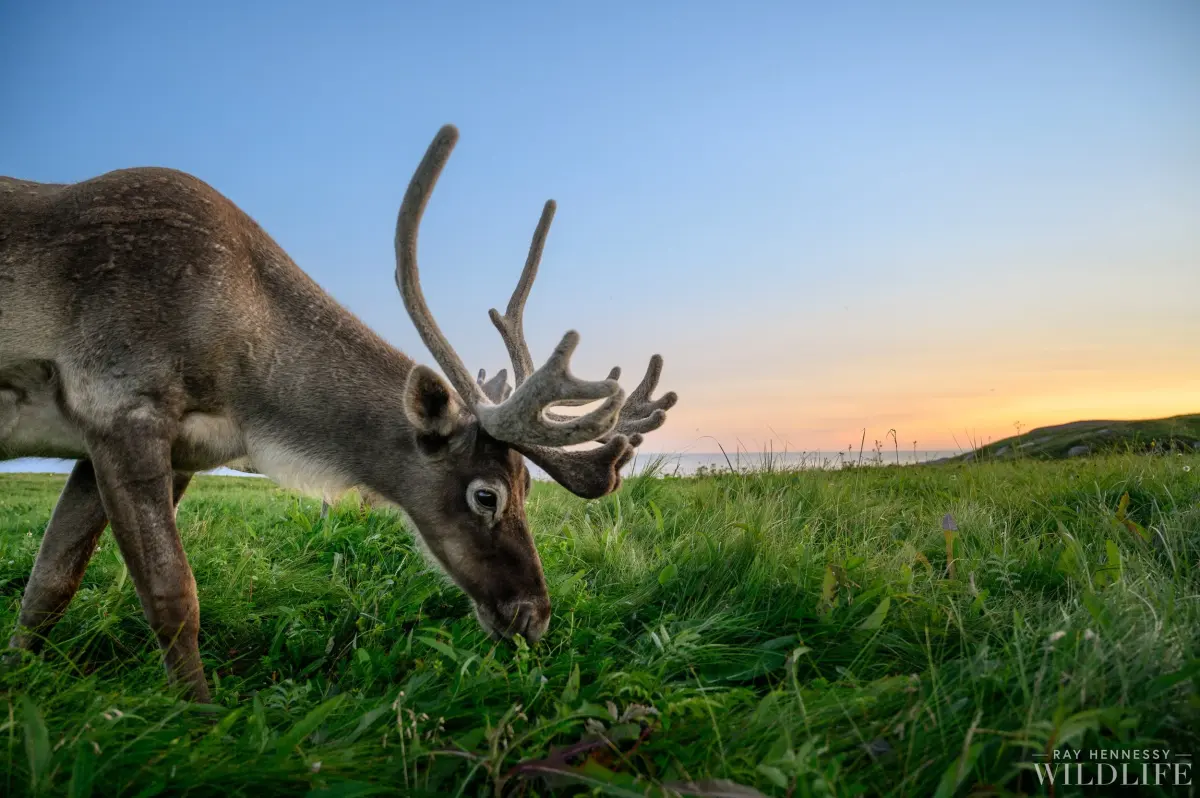
Caribou, known as reindeer in Eurasia, inhabit the circumpolar regions of the Northern Hemisphere. Their range spans the arctic tundra, boreal forests, and mountainous terrain of North America, Northern Europe, and Northern Asia. They are most commonly found in Canada, Alaska, Greenland, Russia, and the Scandinavian countries, following seasonal migration patterns.

On this page
Where do caribou live geographically?
Caribou are uniquely adapted to the harsh environments of the high northern latitudes. Their primary range encompasses the vast arctic tundra and the northern boreal forests, also known as the taiga. In North America, they occupy most of Alaska and northern Canada, extending as far south as the northern United States in mountainous areas. Across the Atlantic, they are found throughout Scandinavia, Russia, and Mongolia.
These animals are highly migratory, which means their specific location changes depending on the time of year. They move between calving grounds, summer grazing areas, and winter foraging sites to survive extreme temperature fluctuations. Their distribution is largely determined by the availability of lichen, their primary winter food source, and the presence of calving grounds that offer protection from predators.
- Alaska and Northern Canada
- Greenland
- Northern Scandinavia (Norway, Sweden, Finland)
- Northern Russia and Siberia
- Mongolia
How do caribou migration patterns work?
Migration is the defining feature of caribou life, with some herds traveling up to 3,000 miles annually. This is the longest terrestrial migration of any land mammal. In the spring, pregnant females lead the trek toward calving grounds, often located on open tundra where predators like wolves are easier to spot. Once the calves are born, the herds aggregate and move toward areas with more abundant summer vegetation.
As autumn approaches, the herds begin their southward journey to the boreal forests. These wooded areas provide essential shelter from the biting arctic winds and deep snow. By staying in the forests, caribou can access lichen buried beneath the snow, which they dig up using their large, shovel-like hooves. This cycle ensures they remain in habitats that provide the specific nutritional and thermal requirements needed for each life stage.
- Spring migration toward northern calving grounds.
- Summer grazing in tundra regions with high insect activity.
- Autumn movement toward southern boreal forests.
- Winter foraging in sheltered, snow-covered forest zones.
What habitats do caribou prefer?
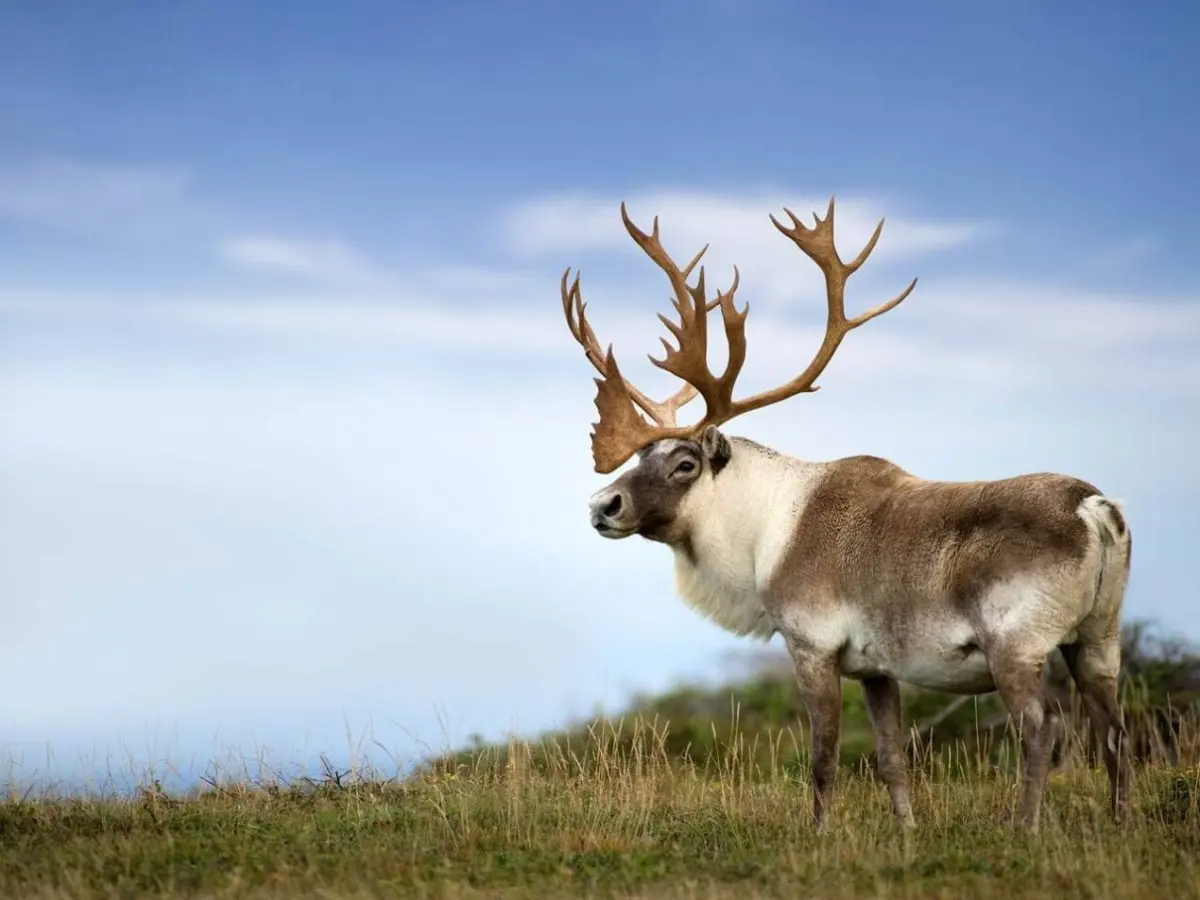
Caribou are specialists in two distinct environments: the tundra and the forest. The tundra provides vast, open spaces that allow for early detection of predators, making it an ideal nursery for newborn calves. However, the tundra is extremely cold and lacks shelter, which makes it unsuitable for winter survival. During the summer, caribou also frequent areas near water, as these regions often have fewer biting insects like mosquitoes and black flies.
In contrast, the boreal forest acts as a critical winter sanctuary. The dense canopy of spruce and pine trees provides a buffer against extreme wind chill. Furthermore, the forest floor is rich in terrestrial lichens, which provide the high-energy carbohydrates necessary for survival during the lean winter months. By alternating between these two ecosystems, caribou manage to survive in conditions that would be lethal to most other large mammals.
Why do caribou populations shift locations?
Population shifts in caribou are often driven by environmental changes and the search for high-quality forage. If a specific area has been overgrazed, the herd will naturally move to find fresh lichen mats. Lichen grows very slowly, sometimes taking decades to recover, so herds must constantly rotate their grazing grounds to ensure a sustainable food supply. This necessity for movement is a primary reason why caribou are so sensitive to habitat fragmentation.
Human activity, such as road construction, mining, and industrial development, can disrupt these natural pathways. When caribou encounter barriers like fences or highways, they may abandon traditional migration routes, leading to population declines. Climate change also plays a significant role by altering the timing of plant growth and increasing the frequency of icing events, which can lock away food sources under impenetrable layers of ice.
Common mistakes when tracking caribou herds
Many observers assume that caribou are sedentary animals that remain in one place throughout the year. This is a significant error, as their survival depends entirely on their ability to relocate. If you are planning to study or observe these animals, failing to account for their seasonal migration calendar will likely result in disappointment. Always check current wildlife reports, as herd movements can shift by several weeks depending on the severity of the winter.
Another common mistake is approaching a herd too closely during the calving season. Caribou are extremely sensitive to disturbances when they are nursing their young. Stressing the animals during this vulnerable time can cause them to abandon their calves or waste vital energy reserves. If you are in their habitat, maintain a significant distance and use binoculars or telephoto lenses to observe them without interfering with their natural behavior or migration flow.
Key facts
- Caribou, known as reindeer in Europe and Asia, inhabit the circumpolar Arctic and subarctic regions.
- They are found across northern North America, including Alaska, Canada, and Greenland.
- Populations also thrive in northern Eurasia, spanning from Scandinavia across Russia to Siberia.
- These animals are highly migratory, often traveling thousands of miles annually between seasonal ranges.
- They prefer habitats like the tundra, boreal forests, and rugged mountainous terrain.
- To spot them, visit protected national parks in Alaska or northern Canada during their migration peaks in spring or autumn.
The bottom line
Caribou are resilient animals uniquely adapted to the harsh, cold environments of the northern hemisphere. By traversing vast expanses of tundra and boreal forest, they maintain a nomadic lifestyle dictated by seasonal food availability. Protecting these expansive, connected wilderness areas is essential for their survival, as they remain highly sensitive to human-led environmental changes and the ongoing loss of their traditional, undisturbed migratory corridors.
People also ask
Are caribou and reindeer the same animal?
Yes, they are the same species, Rangifer tarandus. The term "caribou" is typically used for wild populations in North America, while "reindeer" refers to domesticated or wild populations in Eurasia.
How far do caribou travel during migration?
Some caribou herds, such as the Western Arctic herd, travel up to 3,000 miles per year. This is one of the longest land migrations of any terrestrial mammal on Earth.
Do caribou live in the southern United States?
No, caribou are cold-climate specialists and do not live in the southern United States. A small, endangered population historically existed in the mountains of Idaho and Washington, but they are no longer considered a viable wild population.
What do caribou eat in their habitat?
During the winter, caribou rely heavily on lichen, which they dig out from under the snow using their hooves. In the summer, they consume a variety of grasses, sedges, willow leaves, and flowering plants.
Are caribou found in zoos?
While some zoos keep reindeer, wild caribou are rarely kept in captivity. They require vast, open landscapes and specific dietary needs that are difficult to replicate in a zoo setting.
What is the biggest threat to caribou habitats?
Climate change and industrial development are the primary threats to caribou. These factors disrupt migration routes, destroy critical lichen-rich grazing grounds, and increase the risk of predation.
This answer was created with the help of AI research tools and reference sources. Spotted an error? Let us know — we correct mistakes quickly. See our editorial policy.