How long do squid live?
Short answer
Most squid species have remarkably short lifespans, typically living between one and two years. While some smaller species complete their entire life cycle in less than a year, larger deep-sea varieties may survive slightly longer. Their brief existence is defined by rapid growth, intense reproductive effort, and a semelparous life strategy.
On this page
How long do different squid species live?
The lifespan of a squid is primarily determined by its species and environmental conditions. Most common squids, such as the market squid or the longfin inshore squid, live for approximately 12 months. These animals prioritize rapid maturation over longevity, allowing them to reach reproductive age quickly to ensure the survival of their lineage. In contrast, some larger species found in deeper, colder waters may extend their lives to two or three years, though this remains an exception rather than the rule.
Because squid are cephalopods, they possess a unique physiology that supports this fast-paced life. They utilize a metabolic rate that is among the highest in the invertebrate world, which fuels their rapid growth but also contributes to their early senescence. Once a squid reaches maturity and spawns, it typically undergoes a swift physical decline. This biological clock is rigid, ensuring that populations can recover quickly from environmental fluctuations or predation pressures.
Why do squid have such short lifespans?
Squid are semelparous, meaning they reproduce only once in their lifetime before dying. This reproductive strategy requires the animal to funnel all its energy into gamete production and mating rituals. By the time a squid reaches the end of its life cycle, its body is often physically exhausted. This evolutionary trade-off allows them to occupy a crucial niche in the food web as both predator and prey, supporting the high energy demands of marine ecosystems.
The environment also plays a significant role in their limited longevity. As soft-bodied organisms without protective shells, squid are highly vulnerable to predators like whales, seals, and larger fish. Their survival strategy relies on high fecundity—producing thousands of eggs at once—rather than long-term individual survival. This ensures that even if a large percentage of the population is consumed, enough offspring survive to continue the species for the next season.
How do squid grow so quickly?
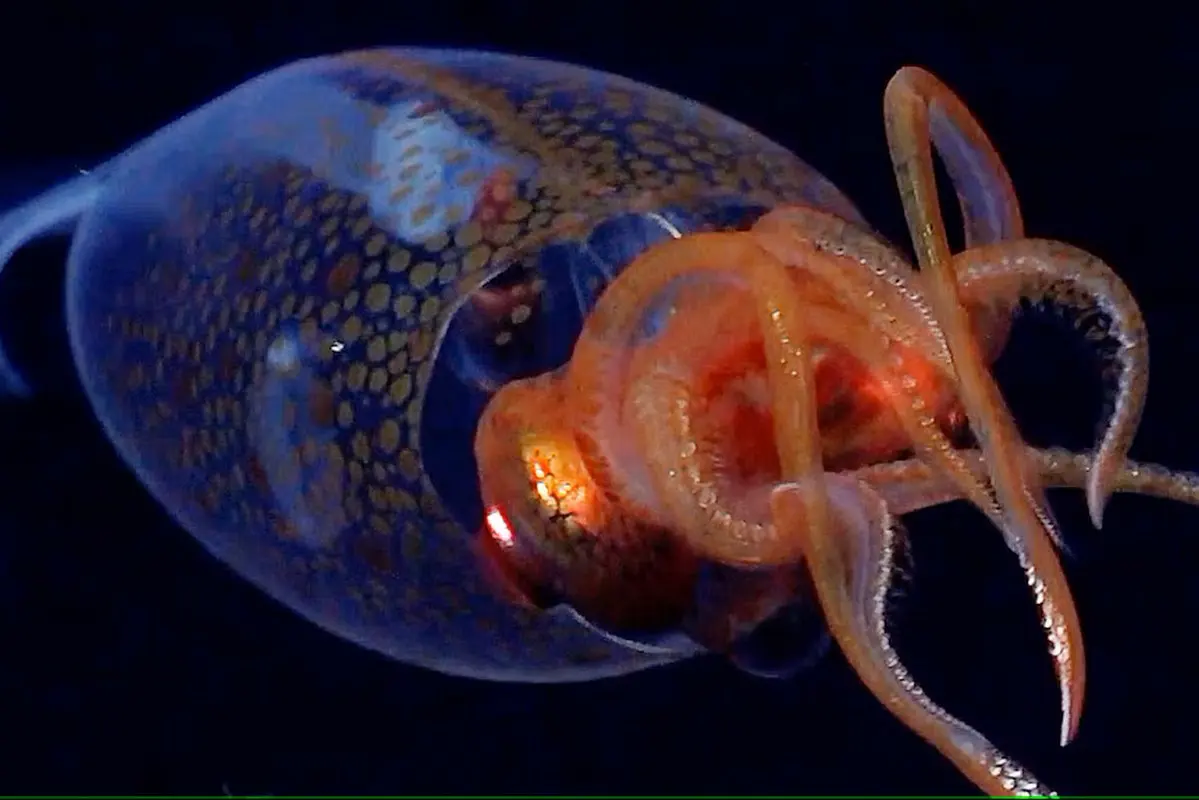
Squid are among the fastest-growing invertebrates on the planet. Their growth is fueled by a specialized digestive system that efficiently converts protein-rich prey into muscle mass. During their peak growth phases, some species can increase their body weight by several percentage points every single day. This rapid development is essential for reaching the size necessary to reproduce before their short window of life closes.
To achieve this, they follow a specific developmental trajectory:
- Larval stage: Squid hatch as tiny paralarvae, which are planktonic and highly vulnerable.
- Juvenile stage: They begin active hunting, focusing on small crustaceans and fish.
- Maturation: The animal shifts its energy from somatic growth to the development of reproductive organs.
- Spawning: The final stage where energy is exhausted to produce and deposit eggs.
Common mistakes when researching squid lifespans
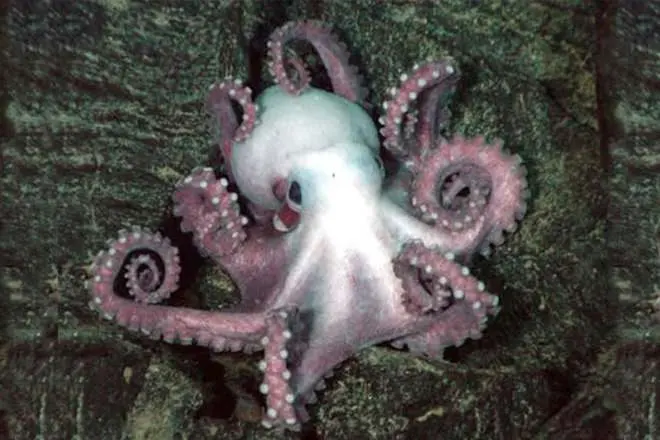
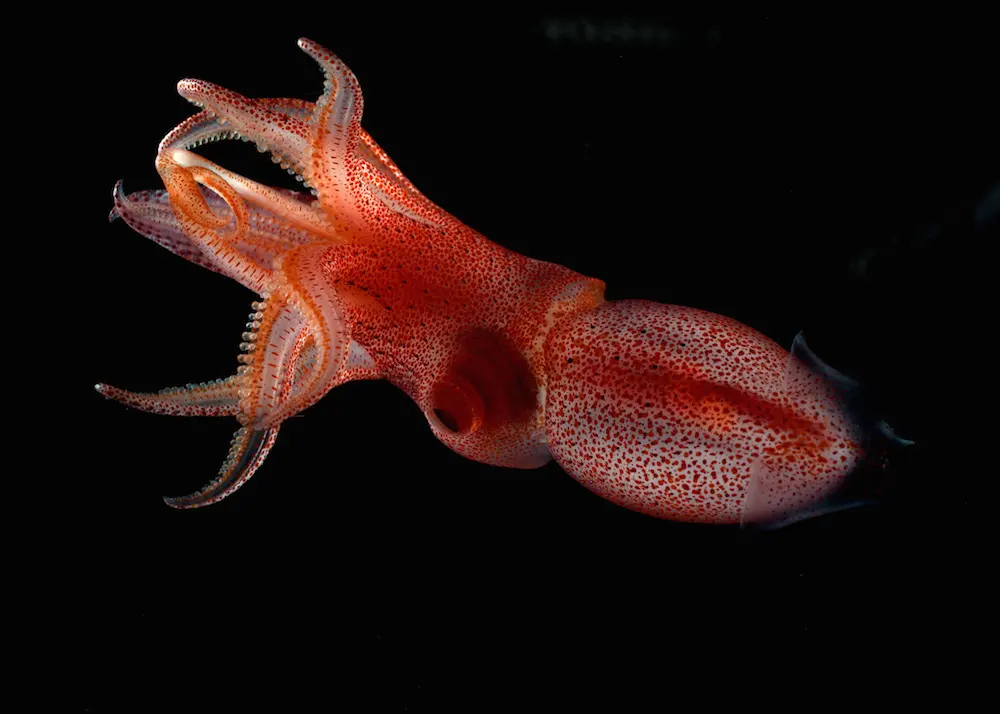
A frequent error is assuming that all cephalopods share the same lifespan. People often conflate the lifespans of squid with those of octopuses or cuttlefish, which can have different biological constraints. While some octopuses also die shortly after spawning, others in deep-sea environments have been observed living for several years. It is important to look at the specific taxonomy of the squid in question rather than generalizing across the entire class.
Another mistake is ignoring the impact of water temperature on growth rates. In warmer waters, metabolic processes accelerate, causing squid to grow faster and die sooner. Conversely, colder temperatures can slow down development, potentially extending the lifespan of certain deep-sea varieties. When comparing data, always check the geographic region and the average water temperature of the study site to understand why one population might live longer than another of the same species.
How to observe squid in their natural habitat
If you are interested in viewing squid, understanding their lifecycle is key to knowing when and where to look. Many species congregate in coastal waters during specific seasons to mate and lay eggs. By tracking local marine reports, you can identify the best times to witness these events. Always prioritize ethical observation practices to avoid disturbing their delicate reproductive cycles or causing unnecessary stress to the animals.
Follow these steps for responsible marine observation:
- Research the specific species in your area to understand their seasonal migration patterns.
- Use non-intrusive equipment, such as red-light torches, which are less likely to startle marine life at night.
- Keep a respectful distance to ensure you do not interfere with mating pairs or egg clusters.
- Document your findings in a journal, noting the size and behavior of the squid to help contribute to citizen science efforts.
By following these guidelines, you can gain a deeper appreciation for the brief but fascinating lives of these creatures while ensuring their natural behaviors remain uninterrupted by human presence.
Key facts
- Most squid species have short lifespans, typically living between one and two years.
- The giant squid (Architeuthis dux) is estimated to live for approximately five years.
- Squid are semelparous, meaning they usually reproduce only once before dying.
- Rapid growth is a hallmark of squid life, with some species gaining significant body mass in just months.
- Environmental factors like water temperature directly influence the metabolic rate and lifespan of squid populations.
- Avoid assuming all cephalopods live short lives, as some deep-sea octopuses have been observed brooding eggs for over four years.
The bottom line
Squid are remarkable for their rapid life cycles, with most species completing their entire existence within one to two years. Driven by an evolutionary strategy of quick maturation and singular reproduction, they prioritize quantity of offspring over individual longevity. While environmental conditions can slightly alter these timelines, the fundamental biological clock of the squid remains one of the most compressed among all complex marine animals.
People also ask
Do all squid die after mating?
Yes, the vast majority of squid species are semelparous, meaning they undergo a single reproductive cycle and then perish shortly after. This strategy allows them to channel all their energy into producing a large number of offspring rather than surviving to breed again.
How fast do squid grow?
Squid are among the fastest-growing invertebrates on the planet. Many species increase their body weight by several percent every day, allowing them to reach reproductive maturity in a very short timeframe.
Why do squid have such short lifespans?
Their short lives are an evolutionary adaptation to high-predation environments and the need for rapid population turnover. By maturing quickly and reproducing in massive numbers, they ensure the survival of their species despite being a primary food source for many marine predators.
Can you tell the age of a squid by its size?
Size is not a reliable indicator of age because growth rates vary wildly based on food availability and water temperature. Scientists instead analyze statoliths, which are small calcium carbonate structures in the squid's head that develop growth rings similar to tree rings.
Do squid live longer in captivity?
Most squid do not thrive in captivity because their complex environmental needs and short lifespans make them difficult to maintain. Even in controlled settings, their biological drive to reproduce and die quickly remains the dominant factor in their lifespan.
Are there any species of squid that live for decades?
There are currently no known squid species that live for decades. While some deep-sea cephalopods live longer than shallow-water varieties, the biological limit for squids remains relatively brief compared to other large marine animals.
This answer was created with the help of AI research tools and reference sources. Spotted an error? Let us know — we correct mistakes quickly. See our editorial policy.