What is a group of rabbits called?
Short answer
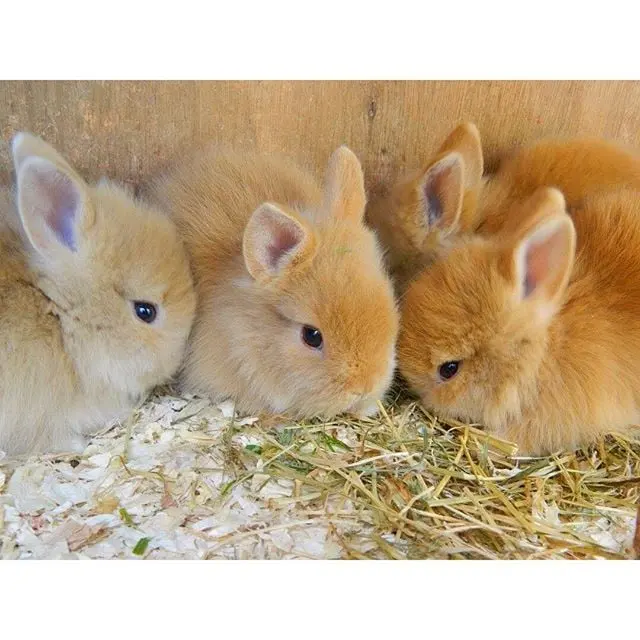
A group of rabbits is most commonly called a colony or a fluffle. Other terms include a herd, a drove, or a bury, though these are used less frequently. While "fluffle" is a popular colloquial term, "colony" is the standard nomenclature used by biologists and wildlife experts to describe wild rabbit populations.

On this page
What is a group of rabbits called?
The terminology used to describe a group of rabbits often depends on whether the animals are living in the wild or kept in domestic settings. In scientific and ecological contexts, a group of rabbits living together in a warren is referred to as a colony. This term accurately reflects the social structure of rabbits, which rely on communal living for protection and resource sharing.
While "colony" remains the formal standard, the term "fluffle" has gained significant popularity in recent years. Although it is not found in traditional academic dictionaries, it is widely accepted in casual conversation and social media as a charming collective noun for these animals. Other historical or regional terms include a "drove" or a "herd," particularly when referring to a large number of rabbits moving across a field. Understanding these nuances helps distinguish between formal biological reporting and informal, descriptive language.
How do rabbits behave in a group?
Rabbits are highly social animals that thrive when they have the company of their own kind. In the wild, they construct complex underground tunnel systems known as warrens, which serve as the central hub for the colony. Within these structures, rabbits establish clear social hierarchies that help maintain order and reduce conflict. These hierarchies are often maintained through grooming, scent marking, and occasional displays of dominance.
Social bonding is essential for their survival, as it allows for better predator detection and collective vigilance. When one rabbit senses danger, it will often thump its hind leg against the ground, alerting the entire group to retreat into the safety of the warren. This cooperative behavior demonstrates the importance of the group dynamic in the rabbit's natural life cycle. Owners of domestic rabbits should keep these social needs in mind, as solitary rabbits often experience significant stress and loneliness.
Why do rabbits live in colonies?
Living in a colony provides rabbits with several evolutionary advantages that increase their chances of survival in diverse environments. The primary benefit is safety in numbers; a larger group has more eyes and ears to detect approaching predators like hawks, foxes, or domestic cats. By sharing the labor of digging and maintaining a warren, individual rabbits can conserve energy and focus on foraging for food.
- Enhanced predator detection through collective vigilance.
- Efficient construction and maintenance of tunnel systems.
- Increased opportunities for social bonding and reproduction.
- Shared warmth during colder months within the communal warren.
These factors create a stable environment that supports the health of the population. Furthermore, the proximity of other rabbits allows for constant social interaction, which is vital for the psychological well-being of the species. Without the structure of a colony, rabbits would be far more vulnerable to environmental threats and the psychological toll of isolation.
Common mistakes when keeping rabbits together
One of the most frequent errors owners make is assuming that all rabbits will naturally get along in a group. While they are social, rabbits can be territorial, especially when they have not been spayed or neutered. Introducing two adult rabbits without a proper "bonding" period often leads to fighting, biting, and significant injury. It is crucial to manage these introductions slowly in neutral territory to prevent aggressive behavior.
Another common mistake is overcrowding, which leads to stress and health issues. Even if rabbits are part of the same colony, they require adequate space to move, stretch, and retreat from one another when necessary. Failing to provide enough hiding spots or separate feeding stations can trigger resource guarding. To maintain a healthy group, follow these guidelines:
- Always spay or neuter rabbits before attempting to bond them.
- Use neutral ground for initial introductions to minimize territorial disputes.
- Provide multiple food bowls and water sources to prevent competition.
- Ensure the enclosure is large enough for each rabbit to have personal space.
How to manage a rabbit colony
Managing a group of rabbits requires a commitment to their physical health and social stability. In a domestic setting, this means monitoring the group for signs of illness, as a contagious disease can spread rapidly through a colony. Regular veterinary checkups and vaccinations are essential to keep the entire group healthy. Owners should also observe the group dynamics daily to ensure no single rabbit is being bullied or excluded from the group.
Providing environmental enrichment is equally important for maintaining a happy colony. Rabbits are curious and intelligent creatures that benefit from toys, tunnels, and platforms to explore. By keeping the environment stimulating, you reduce the likelihood of boredom-induced aggression. If you notice persistent fighting or signs of extreme stress, it may be necessary to temporarily separate the individuals to allow for a reset of the social order. Proper management ensures that your rabbits enjoy the benefits of group living while remaining safe and healthy throughout their lives.
Key facts
- A group of rabbits is most commonly referred to as a "fluffle," though this term is informal.
- In scientific or formal contexts, a group of rabbits is often called a "colony" or a "herd."
- When rabbits live in a complex system of underground tunnels, the entire structure is known as a "warren."
- A group of young rabbits born to the same mother at the same time is called a "litter."
- Rabbits are social animals that thrive in groups, but they require significant space to avoid territorial aggression.
- Avoid housing rabbits in cramped, singular cages, as they are highly active creatures that need room to move and socialize.
The bottom line
While the whimsical term "fluffle" is popular in casual conversation, "colony" is the most accurate term for a group of rabbits. Understanding their social nature is vital for any prospective owner. By providing ample space, neutral introduction zones, and proper veterinary care like spaying and neutering, you can ensure that your rabbits live healthy, stress-free lives within their social groups, mimicking their natural wild behaviors.
People also ask
Do rabbits need to live with other rabbits?
Yes, rabbits are social animals and are generally much happier when kept in compatible pairs or small groups. Solitary rabbits may become depressed or lethargic unless they receive significant daily interaction from their human owners.
How do you introduce two rabbits to each other?
Introductions should always occur in a neutral territory where neither rabbit feels the need to defend its home. Start with short, supervised sessions and watch for signs of aggression, such as lunging or biting, before allowing them to live together permanently.
What is the difference between a buck and a doe?
In rabbit terminology, a buck is an unneutered male and a doe is a female. Understanding these terms is essential for breeding management and identifying potential behavioral issues related to hormones.
How many rabbits should be kept in one enclosure?
The number of rabbits depends on the square footage available, as each rabbit requires enough space to hop and stretch fully. A general rule is to provide at least 12 square feet of living space per rabbit, plus additional room for exercise.
Can different breeds of rabbits live together?
Yes, different breeds can live together successfully regardless of their size or coat type. The most important factor for a harmonious group is the temperament of the individual rabbits and ensuring they are all spayed or neutered.
Why do rabbits thump their feet?
Thumping is a rabbit's way of signaling danger or expressing extreme annoyance to other members of the group. If you hear a loud thumping sound, the rabbit is likely warning the rest of the colony about a perceived threat.
This answer was created with the help of AI research tools and reference sources. Spotted an error? Let us know — we correct mistakes quickly. See our editorial policy.