What is a group of camels called?
Short answer
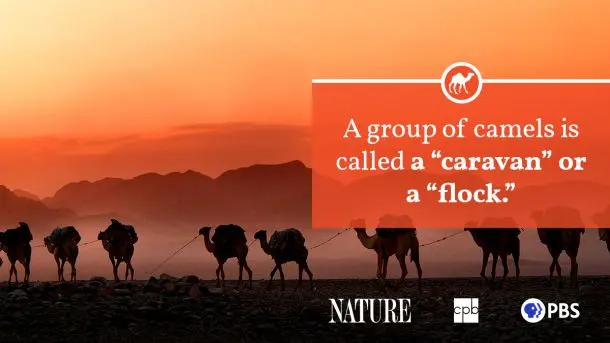
A group of camels is most commonly referred to as a caravan, especially when the animals are traveling together in a line. Other collective nouns for camels include a flock, a herd, or a train. These terms are used interchangeably depending on the context of the camels' activity and their specific environment.
On this page
What is the correct term for a group of camels?
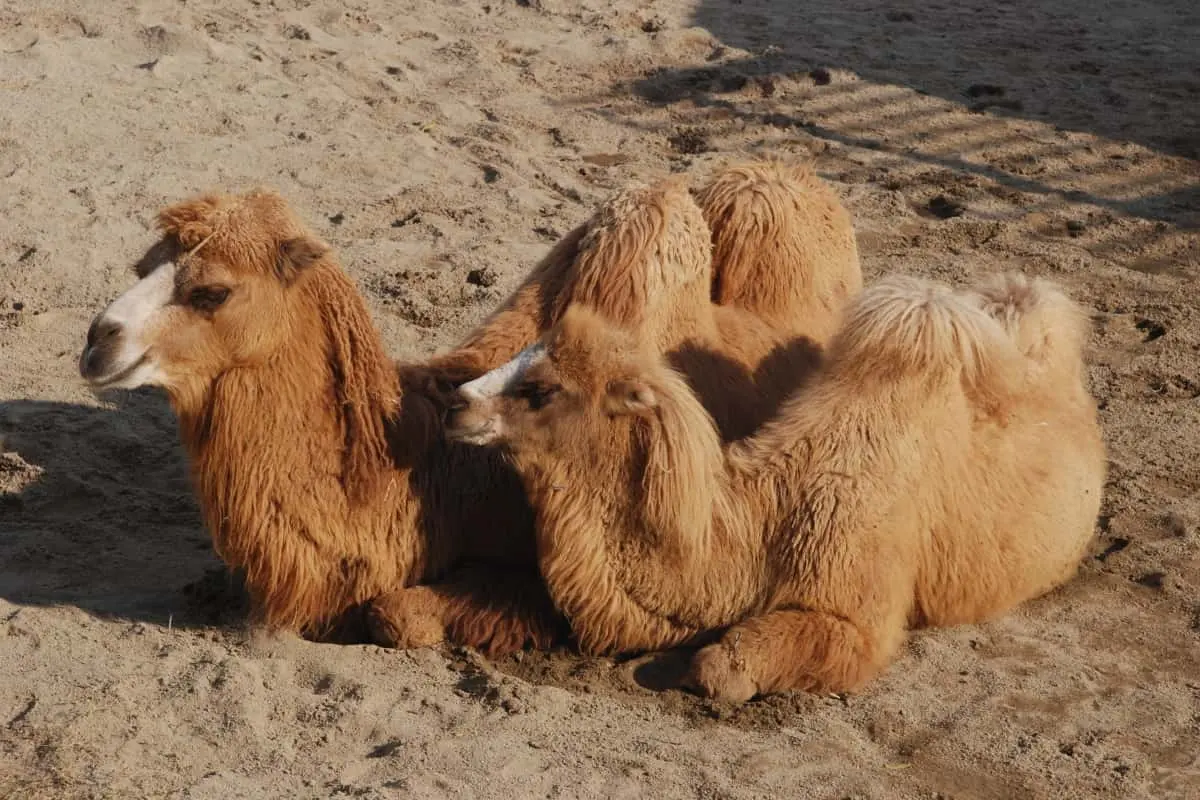
While "caravan" is the most iconic term for camels on the move, the terminology can shift based on whether the animals are domesticated or wild. In scientific and agricultural contexts, a "herd" is the standard term for a group of camels living together. This term applies regardless of whether the camels are Dromedaries, which have one hump, or Bactrian camels, which have two.
If you are observing camels in the wild, you might also hear them referred to as a "flock," though this is less common than "herd." The term "train" is frequently used when camels are being led by humans, particularly in historical contexts involving trade routes across the Sahara or the Silk Road. Regardless of the specific label used, these animals are highly social creatures that rely on the group structure for protection and navigation.
How do camels behave in a group?
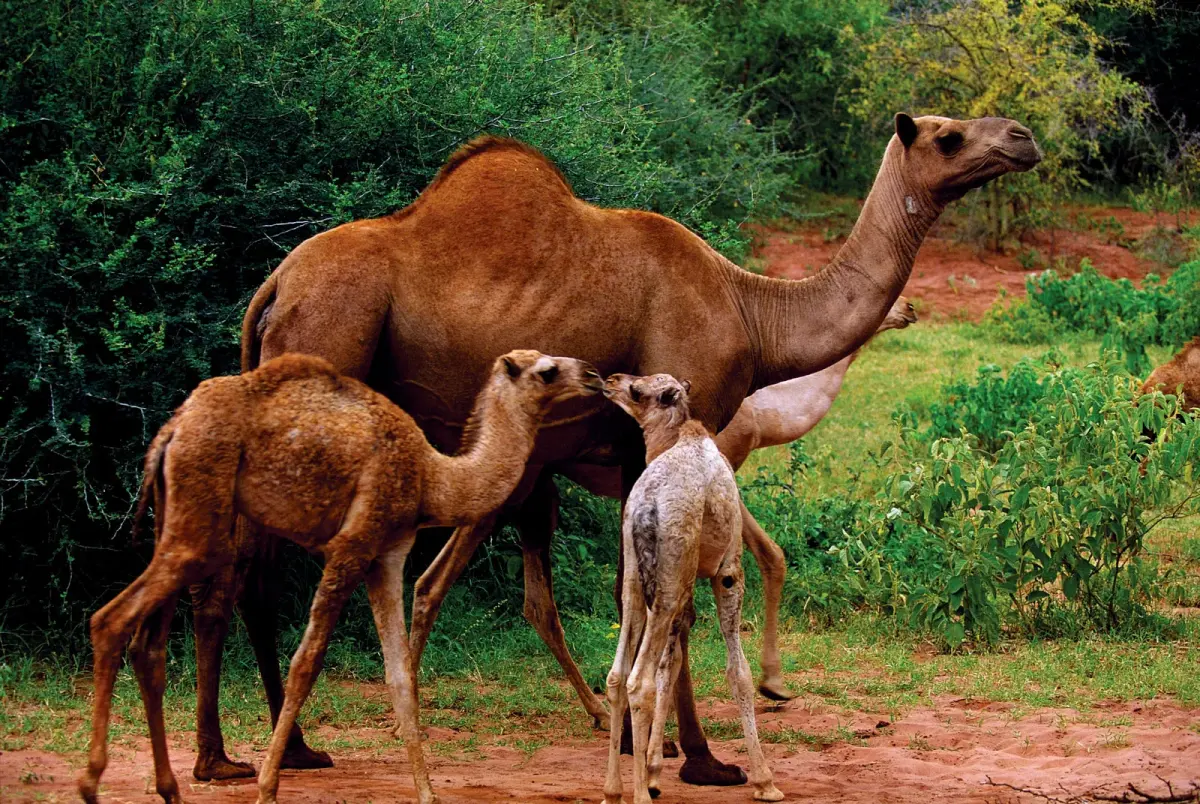
Camels are naturally gregarious animals that thrive in social structures. Within a herd, there is usually a dominant male, known as a bull, who leads the group and protects the females and their calves. This social hierarchy is vital for survival in harsh desert environments, as it helps the group coordinate movements to find scarce water and grazing patches.
When moving as a caravan, camels exhibit a remarkable ability to follow one another in a single-file line. This behavior is not just a result of human training but is an innate adaptation to narrow desert paths. By walking in a line, they minimize the amount of energy spent navigating uneven terrain and sand dunes. Their collective behavior includes:
- Grooming one another to maintain social bonds.
- Communicating through vocalizations like grunts, bellows, and bleats.
- Rotating leadership roles among younger males to ensure group stability.
Why do camels travel in caravans?
The term "caravan" is deeply rooted in the history of human-animal cooperation. For centuries, camels have been the primary mode of transport across arid regions because of their unique physiological adaptations. Traveling in a group allows humans to carry larger loads of goods, such as spices, textiles, and salt, while sharing the burden of navigation and security.
A caravan typically consists of a long line of camels tethered together or following a lead camel. This formation provides several practical advantages for survival:
- It creates a windbreak, protecting the animals in the middle of the line from sandstorms.
- It makes it easier for human handlers to monitor the health and pace of every animal.
- It allows the group to move more efficiently through narrow mountain passes or rocky canyons.
- It provides safety in numbers against predators that might target a lone, vulnerable animal.
Common mistakes when identifying camel groups
One common error is assuming that all groups of camels are identical in their social structure. People often confuse the behavior of domestic camels with those of feral populations, such as the large herds found in the Australian Outback. Feral camels often form smaller, more fluid groups that change composition frequently, whereas domestic herds are strictly managed by human owners.
Another mistake is using the wrong collective noun in a formal setting. While "caravan" is evocative and popular in literature, it specifically refers to transport. If you are writing a report or a scientific paper, it is safer to use "herd." Using the wrong terminology can lead to confusion, especially when discussing the management of livestock or the conservation of wild populations. Always consider the context: are the camels working, or are they grazing freely in their natural habitat?
How to observe a camel herd safely
If you have the opportunity to visit a camel farm or observe wild camels, prioritize safety above all else. Camels are large, powerful animals that can become aggressive if they feel threatened or if their personal space is invaded. Never approach a herd from behind, as camels have a wide blind spot and may kick out instinctively if they are startled by your presence.
To observe them effectively, follow these guidelines:
- Maintain a respectful distance of at least 20 to 30 feet from the group.
- Stay quiet and avoid sudden movements that could spook the lead bull.
- Watch for warning signs, such as ears pinned back or loud, aggressive vocalizations.
- Always remain visible to the handlers if you are at a commercial facility.
By keeping these tips in mind, you can appreciate the complex social dynamics of these resilient desert animals without causing them unnecessary stress or putting yourself in harm's way. Observing a herd in its natural state is a rewarding experience that highlights the unique evolutionary traits that have allowed camels to thrive in some of the most challenging environments on Earth.
Key facts
- A group of camels is most commonly referred to as a "flock," "herd," or "train."
- The term "train" is specifically used when camels are traveling in a line, especially when carrying cargo.
- Camels are social animals that typically live in groups led by a dominant male.
- A group of wild camels is often called a "herd," while domestic groups are frequently termed "caravans."
- When camels are moving across deserts, they often form a line to reduce exposure to the sun and wind.
- Avoid using the term "pack" for camels, as this is technically reserved for animals like wolves or dogs.
The bottom line
While "herd" is the most common term for a group of camels, the word "train" is the preferred choice when observing them in a line carrying loads across the desert. These social animals rely on group dynamics for survival, navigating arid landscapes through clear communication and collective movement. Understanding these terms helps clarify how camels function both as domestic pack animals and wild desert dwellers.
People also ask
How many camels are typically in a herd?
A camel herd can range from a few individuals to several dozen, depending on food availability and water access. In the wild, groups are often smaller to ensure the limited resources can support all members.
Do male and female camels stay in the same groups?
Outside of the breeding season, bachelor groups consisting only of males are common. Females and their calves usually form separate groups led by a dominant bull.
Why do camels travel in a line?
Traveling in a single-file line helps camels conserve energy and navigate difficult terrain. It also allows the group to follow a leader who is familiar with the path to water sources.
Are camels aggressive toward other members of their group?
While they are generally peaceful, males can become aggressive toward one another during the rutting season. They may compete for dominance and access to females through vocalizations and physical posturing.
How do camels communicate within a group?
Camels use a variety of grunts, bellows, and bleats to signal distress or maintain contact. These sounds are essential for keeping the group together during sandstorms or low-visibility conditions.
Can a camel survive alone?
Camels are highly social creatures and suffer from stress when isolated. They rely on the group for protection against predators and for locating essential resources in harsh environments.
This answer was created with the help of AI research tools and reference sources. Spotted an error? Let us know — we correct mistakes quickly. See our editorial policy.