What is the Downtown Eastside?
Short answer
The Downtown Eastside (DTES) is a historic, central neighborhood in Vancouver, British Columbia, known for its deep-rooted social challenges and vibrant community activism. Spanning roughly 100 acres, it serves as a focal point for the city’s efforts regarding poverty, homelessness, and addiction, while simultaneously housing a dense population of low-income residents.
On this page
Where is the Downtown Eastside located?
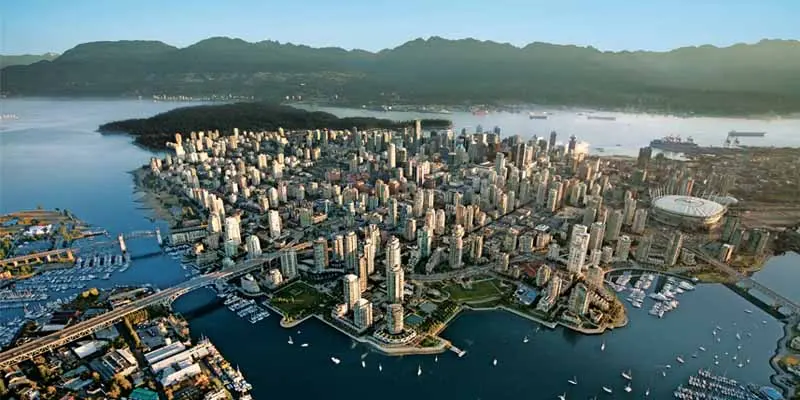
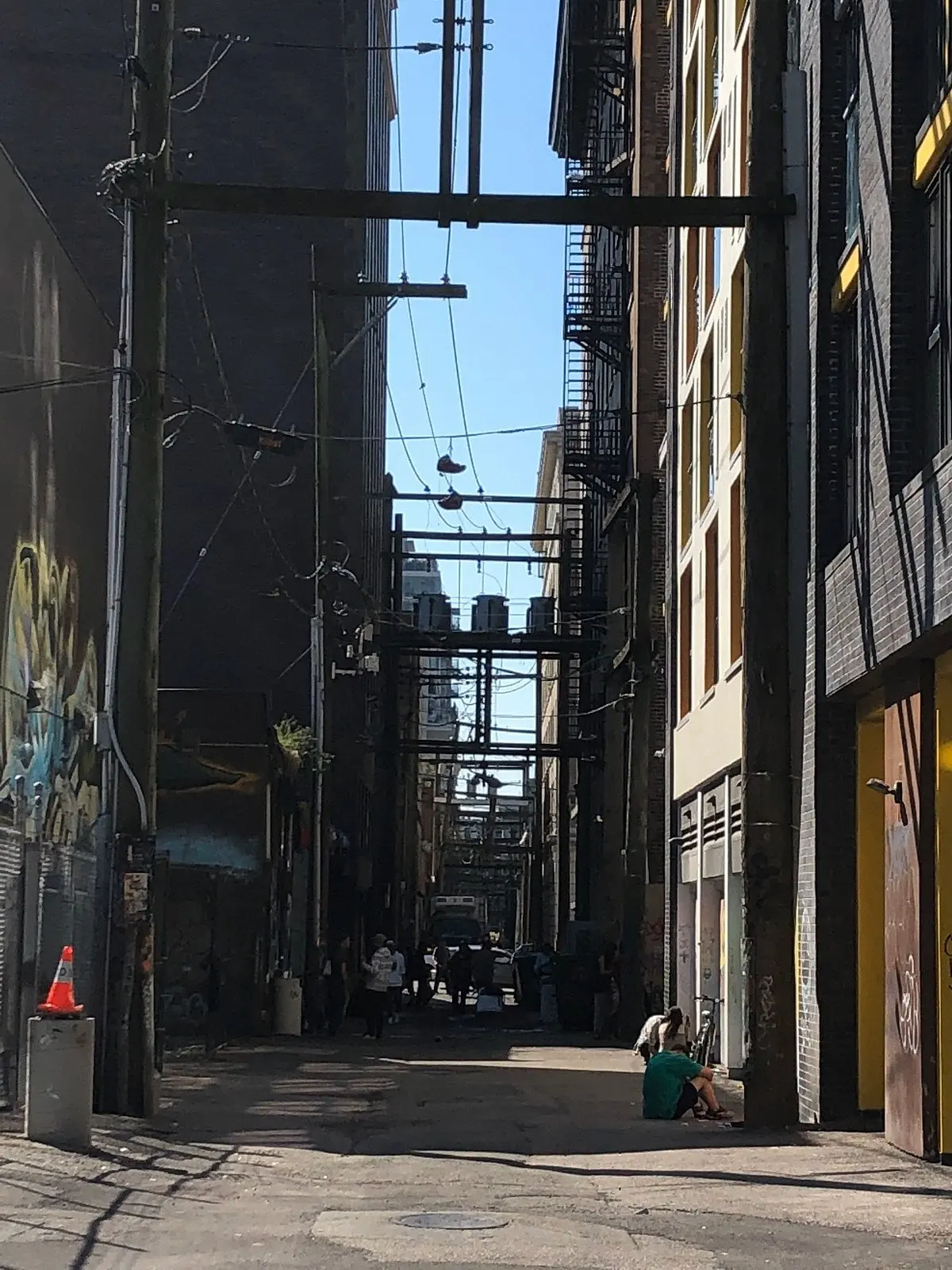
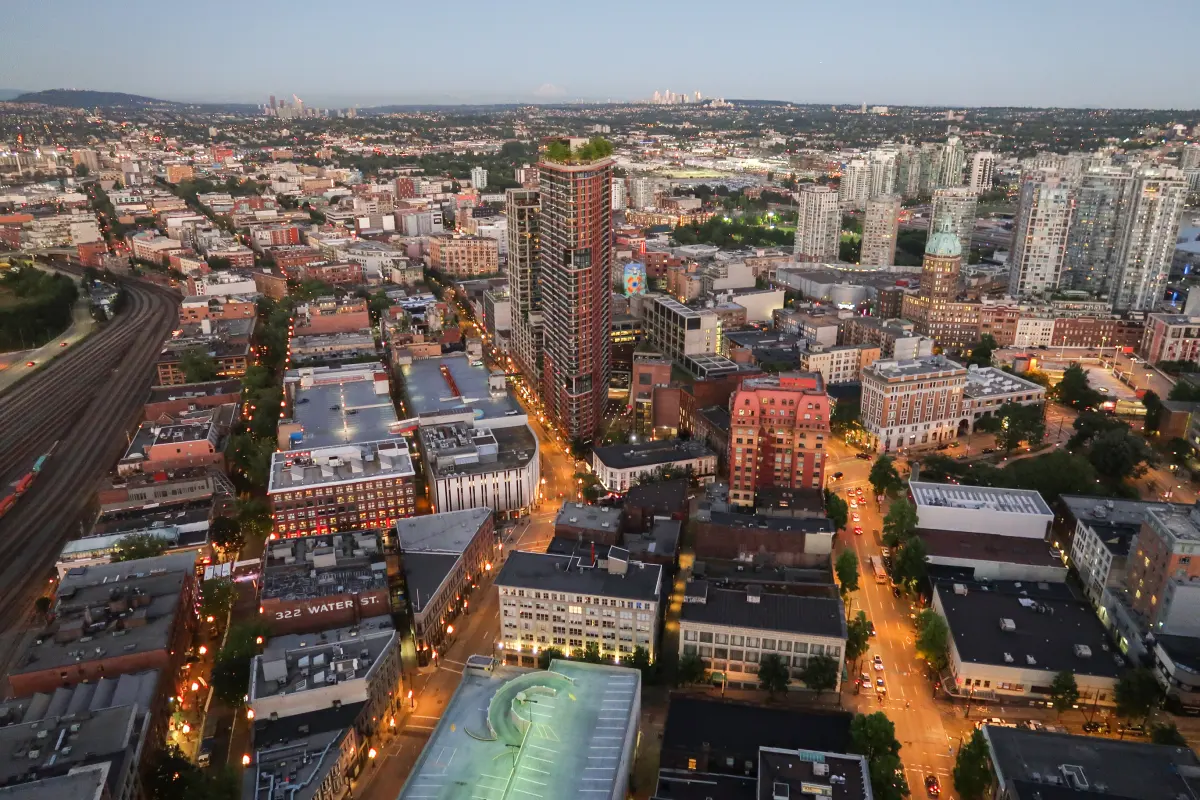
The Downtown Eastside is situated in the oldest part of Vancouver, bordering the central business district, Gastown, and Chinatown. Its boundaries are generally defined as the area between Richards Street to the west, Clark Drive to the east, Burrard Inlet to the north, and Prior Street to the south. This location places it at the geographic heart of the city, yet it remains physically and socially distinct from the gleaming high-rises of the nearby financial core.
The neighborhood is composed of several smaller sub-areas, including Oppenheimer Park, Strathcona, and the Hastings Street corridor. Because of its proximity to the port and the early industrial development of the city, the area was once a bustling hub for laborers and railway workers. Today, the landscape is a mix of heritage buildings, single-room occupancy (SRO) hotels, and modern social housing projects designed to address the city’s ongoing housing crisis.
Why is the Downtown Eastside significant?
The neighborhood is globally recognized as the epicenter of Canada’s overdose crisis and a primary site for harm reduction research. Since the late 1990s, the area has been the testing ground for innovative public health policies, most notably the establishment of Insite in 2003, the first legal supervised injection site in North America. These initiatives were born out of necessity, as the community faced staggering rates of HIV/AIDS and fatal drug overdoses.
Beyond its struggles, the DTES is defined by a fierce spirit of advocacy and self-organization. Residents, many of whom live in extreme poverty, have formed numerous grassroots organizations to demand better living conditions, food security, and human rights. The area serves as a constant reminder of the systemic inequalities inherent in urban development. Its significance lies in the ongoing tension between the neighborhood's role as a sanctuary for the marginalized and the pressures of rapid gentrification.
What are the main challenges in the area?
The residents of the Downtown Eastside face a complex intersection of systemic issues that impact daily life. Poverty is the most pervasive factor, with a large percentage of the population relying on government assistance or working in the informal economy. This economic instability is exacerbated by a lack of affordable, safe housing, which forces many to rely on aging SROs that often lack basic amenities or fail to meet modern safety standards.
Public health remains a critical concern, with the following issues requiring constant attention:
- The prevalence of toxic drug supplies leading to frequent, preventable fatalities.
- High rates of chronic health conditions, including mental health disorders and infectious diseases.
- Limited access to primary healthcare providers who understand the specific needs of the local population.
- Food insecurity, which leaves many dependent on local charitable organizations for daily nutrition.
How to navigate the Downtown Eastside safely?
For visitors or those new to the area, navigating the DTES requires awareness and respect for the boundaries of those living there. It is a residential neighborhood, not a tourist attraction, and it is essential to treat residents with the same dignity you would afford anyone else. If you must pass through the area, stay on main thoroughfares like East Hastings Street, especially during daylight hours.
To ensure a respectful and safe experience, follow these practical guidelines:
- Do not take photographs of people without their explicit, informed consent.
- Maintain spatial awareness and avoid blocking sidewalks or entryways to social services.
- Be mindful that many people are dealing with trauma or health crises; give them space.
- If you see someone in distress, look for nearby outreach workers or medical personnel rather than intervening yourself.
- Avoid engaging in unsolicited advice or moralizing conversations with people on the street.
Common mistakes when visiting the Downtown Eastside
A frequent error newcomers make is assuming that the visible distress on the streets is the entirety of the neighborhood's identity. Many people fail to recognize the strong sense of community, art, and history that exists within the DTES. Treating the area as a place of mere "urban decay" ignores the humanity of the people who call it home and the historical significance of the neighborhood to Vancouver’s development.
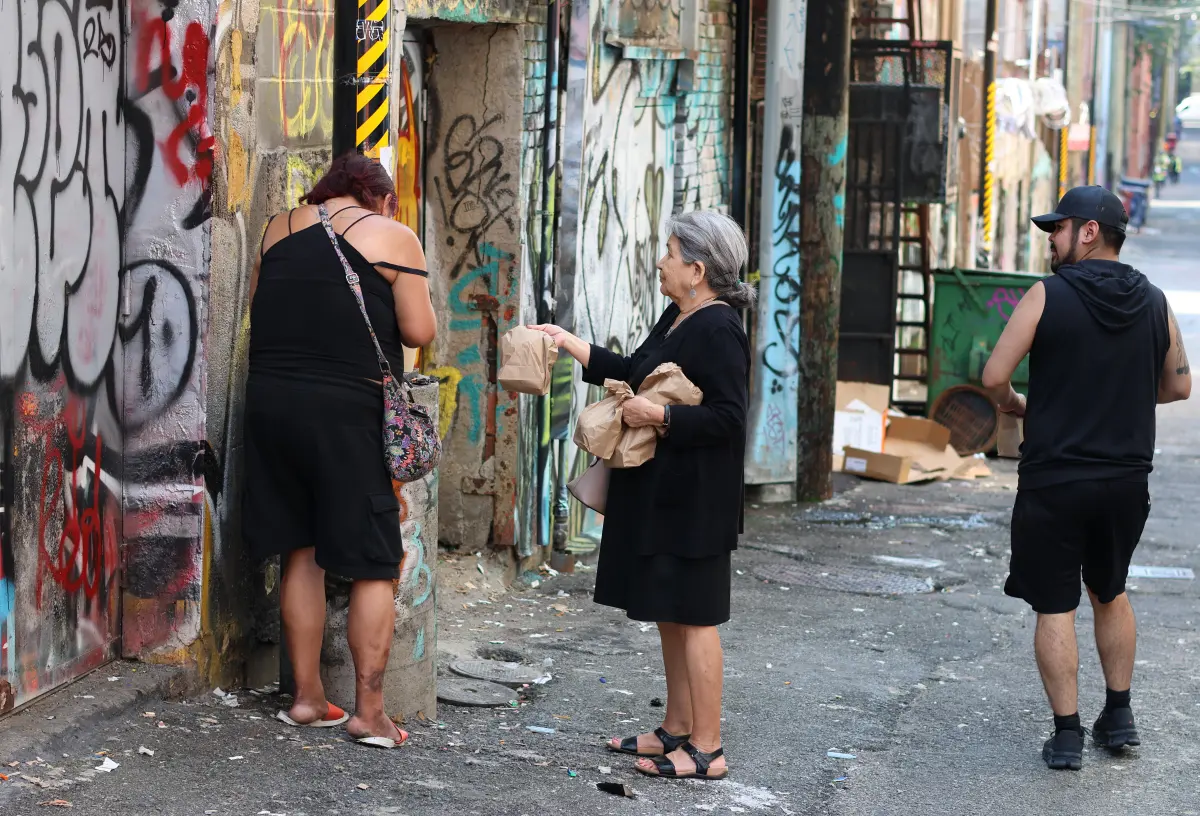
Another common mistake is the "savior complex," where individuals arrive with the intent to "fix" the neighborhood without consulting local leaders or established organizations. This approach is often counterproductive and ignores the decades of work already performed by local residents. If you are interested in helping, the most effective path is to support existing, community-led initiatives that have already built trust and infrastructure. Avoid distributing unsolicited goods, as this can disrupt the distribution systems set up by local charities. Instead, donate your time or resources directly to established non-profits that are already embedded in the local fabric.
Key facts
- The Downtown Eastside (DTES) is a historic neighborhood in Vancouver, British Columbia, covering approximately 400 acres.
- It is one of Canada's oldest neighborhoods, serving as the original commercial center of the city in the late 19th century.
- The area is home to roughly 20,000 residents, many of whom live in single-room occupancy (SRO) hotels.
- It faces significant socioeconomic challenges, including high rates of poverty, homelessness, and a persistent illicit drug overdose crisis.
- When visiting, respect the personal space and privacy of residents; avoid taking photographs of individuals without their explicit permission.
- If you are looking to support the community, donate directly to established local non-profits rather than providing cash to individuals on the street.
The bottom line
The Downtown Eastside is a complex, historically significant neighborhood defined by both its vibrant community spirit and its profound socioeconomic hardships. While it serves as a critical hub for social services and harm reduction in Vancouver, it remains a site of ongoing struggle. Understanding the area requires acknowledging its history of systemic inequality while respecting the dignity and privacy of the residents who call it home.
People also ask
Is the Downtown Eastside safe for tourists to visit?
While the neighborhood is generally safe during daylight hours, visitors should remain aware of their surroundings. It is best to stick to main thoroughfares like Hastings Street and avoid wandering into quiet alleys or residential pockets where you may be unfamiliar with the local dynamics.
Why is there such a high concentration of poverty in this specific area?
The concentration of poverty stems from a long history of urban planning decisions, the closure of psychiatric institutions in the 1980s, and the loss of affordable housing. Many social services and non-profit organizations are located here, which naturally draws those in need of support to the neighborhood.
What is an SRO hotel?
A Single Room Occupancy (SRO) hotel is a form of low-income housing where residents rent a small, private room while sharing bathrooms and kitchens. These buildings are a primary source of housing in the DTES, though many are aging and require significant structural upgrades.
How does the overdose crisis affect the neighborhood?
The DTES has been the epicenter of British Columbia's public health emergency regarding toxic illicit drugs. The community has responded with harm reduction services, including supervised consumption sites and mobile outreach teams, which aim to prevent fatalities and connect users to healthcare.
What is the significance of the Gastown and Chinatown districts?
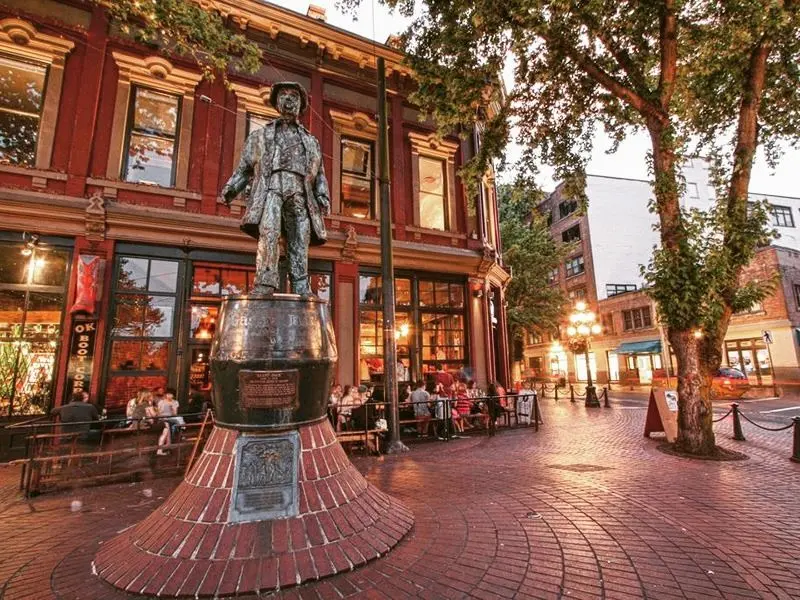
These districts border the DTES and represent the city's early architectural and cultural history. While they are now popular tourist destinations, they exist in close proximity to the DTES, creating a stark contrast between high-end retail development and the neighborhood's ongoing struggle with systemic poverty.
Are there volunteer opportunities available for outsiders?
Yes, many local organizations welcome volunteers to help with food distribution, community cleanups, or literacy programs. It is essential to contact these groups in advance to undergo orientation and ensure your presence is helpful rather than disruptive to the community's established routines.
This answer was created with the help of AI research tools and reference sources. Spotted an error? Let us know — we correct mistakes quickly. See our editorial policy.