How do you make waffles?
Short answer
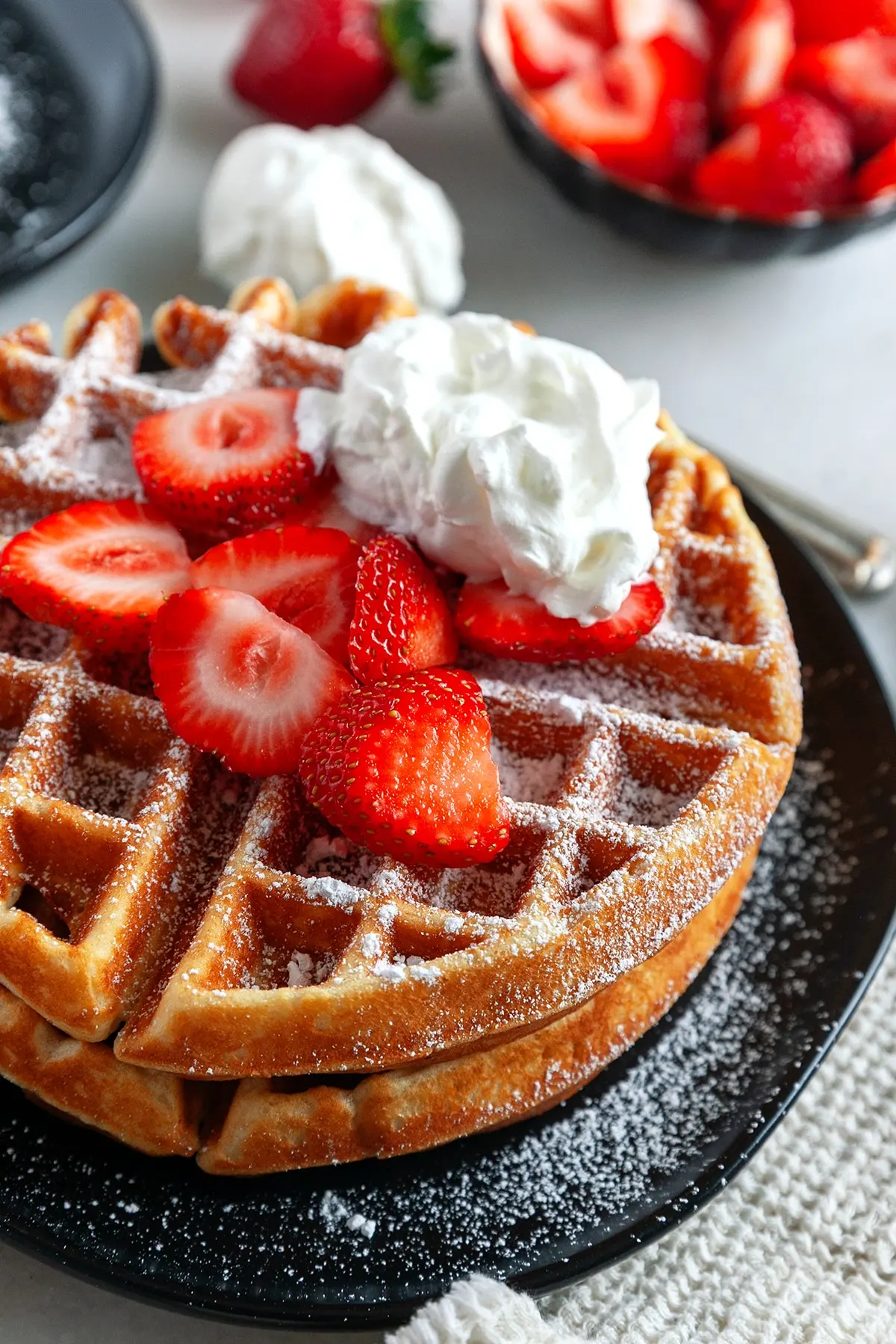
Making waffles involves whisking dry ingredients like flour, sugar, and baking powder with wet components, including eggs, milk, and melted butter. Once the batter is smooth, pour it onto a preheated, greased waffle iron. Cook until the exterior is golden brown and crisp, typically taking three to five minutes per batch.
On this page
How to make classic waffle batter
The foundation of a perfect waffle lies in the balance between dry and wet ingredients. Start by whisking together two cups of all-purpose flour, two tablespoons of sugar, one tablespoon of baking powder, and a half-teaspoon of salt in a large mixing bowl. In a separate container, combine two large eggs, one and three-quarters cups of whole milk, and a half-cup of melted, slightly cooled unsalted butter.
Slowly pour the liquid mixture into the dry ingredients while stirring gently with a spatula. It is critical not to overmix the batter; a few small lumps are acceptable and actually preferred. Overworking the flour develops gluten, which can result in a tough, chewy waffle rather than a light, airy one. If you prefer extra flavor, stir in a teaspoon of pure vanilla extract or a pinch of cinnamon before letting the batter rest for ten minutes to allow the leavening agents to activate.
How long does it take to cook waffles
The total time required to make waffles depends on the heat settings of your appliance and the desired level of crispness. Generally, a standard waffle iron takes about five to ten minutes to preheat. Once the iron is hot, the actual cooking process for each waffle typically lasts between three and five minutes. You will know the waffle is ready when the steam stops escaping from the sides of the iron, indicating the internal moisture has evaporated.
To ensure consistent results, follow these timing guidelines:
- Preheat the iron until the indicator light signals it is ready or a drop of water sizzles on the surface.
- Pour the batter into the center, filling about two-thirds of the grid area to prevent overflow.
- Keep the lid closed for at least three minutes before checking for color.
- Remove the waffle carefully with silicone tongs to avoid scratching the nonstick coating.
Best waffle iron for beginners
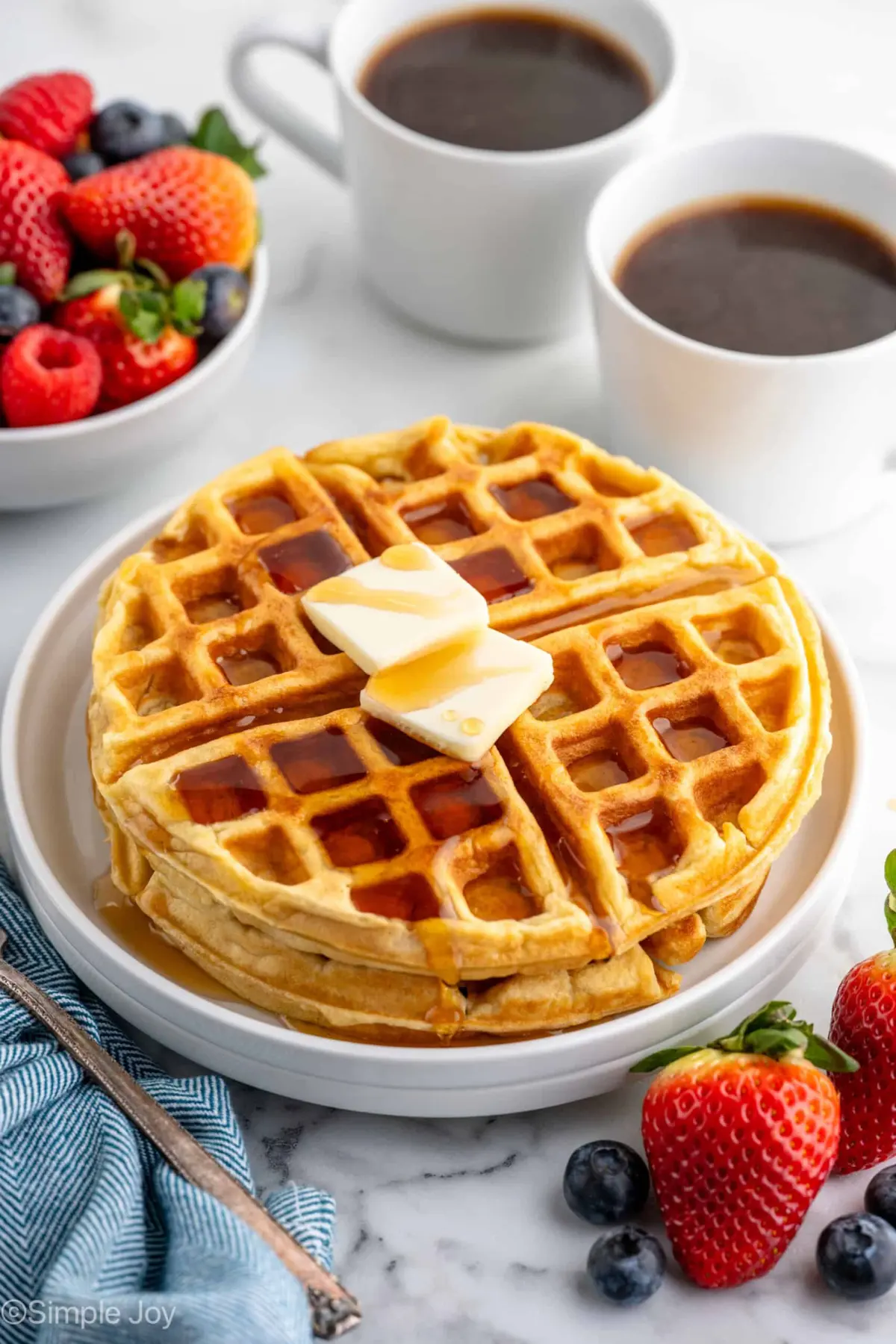
For those new to waffle making, a basic round or square Belgian-style iron is the most practical choice. These models feature deeper pockets, which are ideal for holding syrup, fruit, or whipped cream. Look for a machine with adjustable temperature control, as this allows you to experiment with different textures, from soft and golden to dark and crunchy. Nonstick coatings are essential for beginners to prevent the batter from tearing during removal.
When selecting your first iron, consider these features:
- Adjustable browning settings for customized crispness.
- An indicator light that signals when the iron is preheated and when the waffle is done.
- A locking handle to ensure even distribution of the batter.
- A removable drip tray to catch any excess batter that spills over the sides.
- Compact design for easy storage in smaller kitchen cabinets.
Why soggy waffles happen
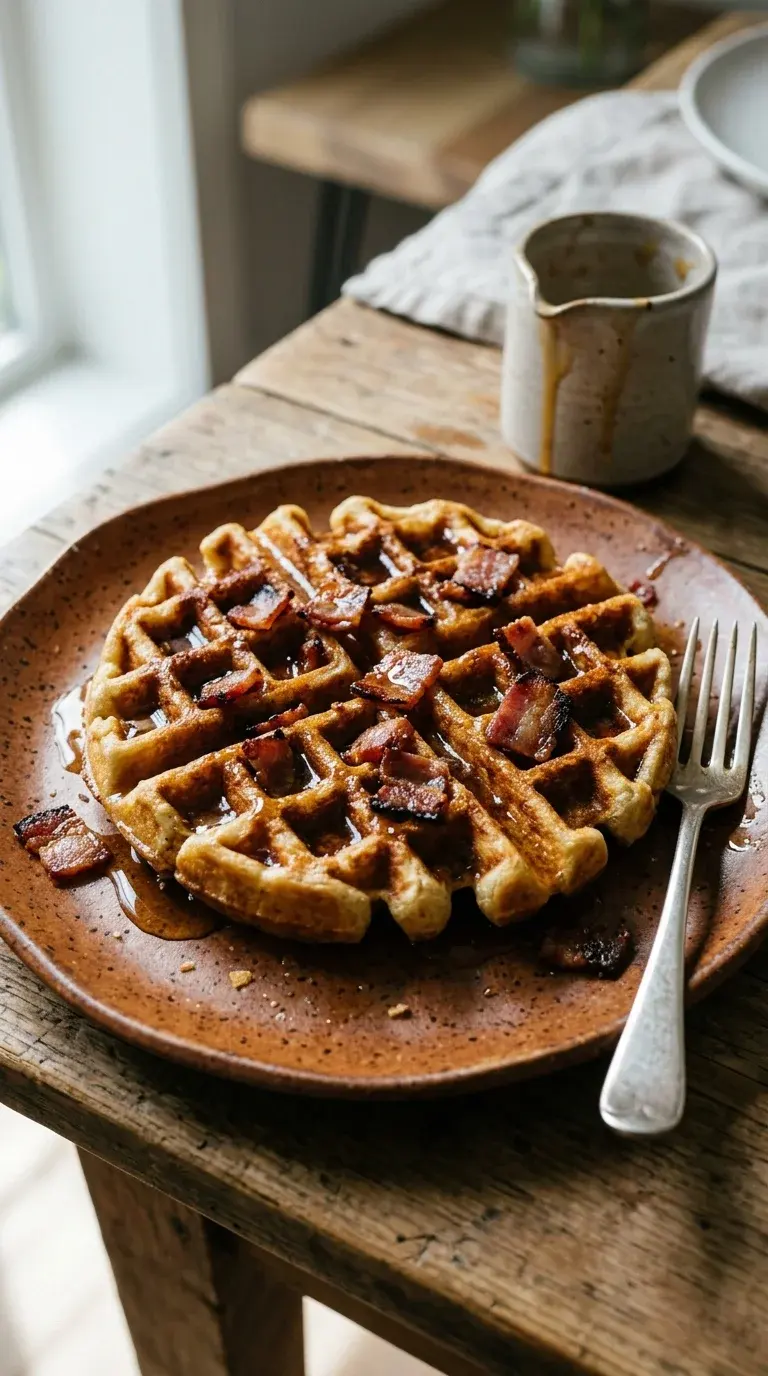
A common frustration is the loss of crispness shortly after the waffle is removed from the iron. This usually occurs because the waffle is placed directly onto a flat plate, which traps steam against the bottom surface. This trapped moisture quickly softens the crust, turning a once-crisp exterior into a limp, soggy mess. To maintain texture, always transfer your cooked waffles to a wire cooling rack for a few seconds before serving.
Another reason for sogginess is using too much batter or opening the iron too early. If you open the lid before the internal structure has set, the sudden temperature drop prevents the crust from forming properly. Additionally, if your batter contains too much fat or sugar, it may brown too quickly on the outside while remaining undercooked and doughy on the inside. Always ensure your iron is fully preheated to create a thermal shock that sets the exterior immediately upon contact.
Common mistakes when making waffles
Many home cooks inadvertently ruin their waffles by failing to properly prepare the iron. Even with nonstick surfaces, a light coating of neutral oil or nonstick cooking spray is necessary to ensure the waffles release cleanly. Another frequent error is using cold ingredients; using room-temperature eggs and milk helps the batter emulsify more effectively, resulting in a smoother texture and more even cooking throughout the process.
Avoid these common pitfalls to achieve professional-quality results:
- Adding too much batter, which causes the iron to overflow and creates a messy cleanup.
- Using a fork or metal utensils to remove the waffle, which permanently damages the nonstick surface.
- Stacking finished waffles on top of each other, which causes them to steam and lose their crunch.
- Using old baking powder, which prevents the waffles from rising and results in a dense, heavy texture.
- Neglecting to clean the iron between uses, which leads to a buildup of burnt residue that affects the flavor of future batches.
Key facts
- The first patent for a waffle iron in the United States was issued to Cornelius Swartwout on August 24, 1869.
- Waffles rely on a leavening agent, typically baking powder, to create the airy texture that distinguishes them from pancakes.
- Separating egg whites and whipping them to stiff peaks before folding them into the batter produces the lightest, crispiest waffles.
- A hot waffle iron is essential; if the surface is not hot enough, the batter will stick and fail to develop a crisp exterior.
- Resting the batter for 10 to 15 minutes allows the flour to hydrate and the baking powder to activate, resulting in a better rise.
- Avoid overmixing the batter, as excessive stirring develops gluten and leads to a tough, chewy texture rather than a light, fluffy one.
The bottom line
Making the perfect waffle requires a balance of proper technique and patience. By resting your batter, ensuring your iron is sufficiently preheated, and incorporating whipped egg whites for aeration, you can achieve a professional-quality result at home. Avoid the common pitfall of overmixing, which ruins the texture. With these fundamental steps, you can consistently produce delicious, golden-brown waffles that are crispy on the outside and fluffy inside.
People also ask
Why do my waffles stick to the iron?
Waffles usually stick because the iron was not hot enough or lacked sufficient oil. Ensure you preheat the device fully and lightly brush the grids with neutral oil or melted butter before pouring the batter.
Can I make waffle batter ahead of time?
Yes, you can prepare batter up to 24 hours in advance if you store it in an airtight container in the refrigerator. However, the leavening agents may lose potency, so you may need to add a pinch of fresh baking powder before cooking.
What is the difference between Belgian and regular waffles?
Belgian waffles are made with a deeper grid pattern and often use yeast instead of baking powder for a lighter, airier structure. Regular American-style waffles are thinner, denser, and typically rely on chemical leaveners like baking powder.
How do I keep waffles crispy after cooking?
To prevent waffles from becoming soggy, place them directly on a wire cooling rack rather than stacking them on a plate. If you are cooking for a crowd, keep finished waffles in a 200°F (95°C) oven to maintain their crunch.
Can I use pancake mix to make waffles?
You can use pancake mix, but you should add a little extra oil or melted butter to the batter. Waffle batter requires more fat than pancake batter to ensure the exterior browns and releases easily from the hot iron.
How do I clean a waffle iron?
Never submerge an electric waffle iron in water. Once cooled, wipe the grids with a damp cloth or a soft brush to remove crumbs, and use a paper towel to absorb any excess oil.
This answer was created with the help of AI research tools and reference sources. Spotted an error? Let us know — we correct mistakes quickly. See our editorial policy.