Where do blue whales live?
Short answer
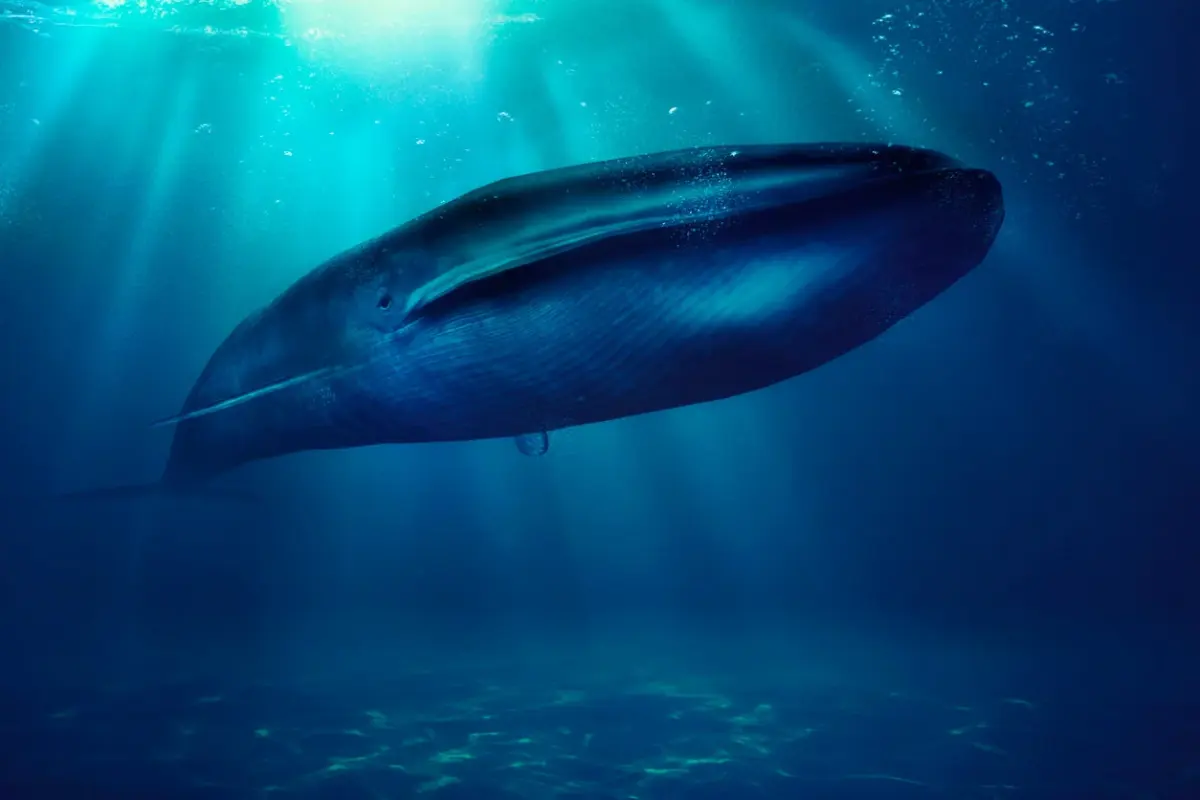
Blue whales inhabit every ocean on Earth except the Arctic. These massive mammals are migratory, typically spending summers in cold, nutrient-rich polar waters to feed on krill and winters in warmer tropical regions to breed. Their distribution spans from the icy edges of the Southern Ocean to the temperate waters near the equator.
On this page
Where do blue whales live?
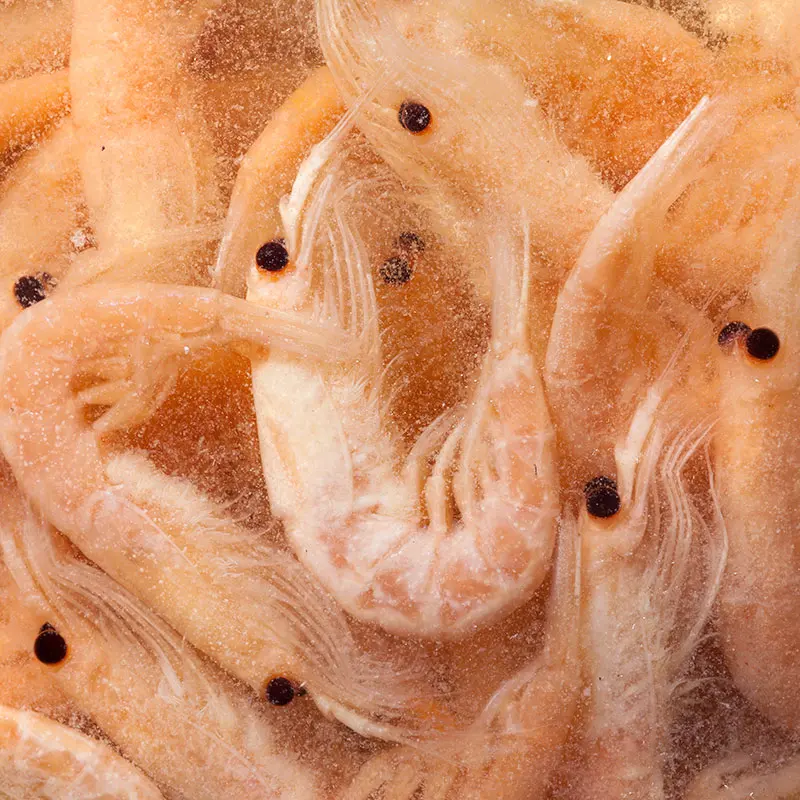
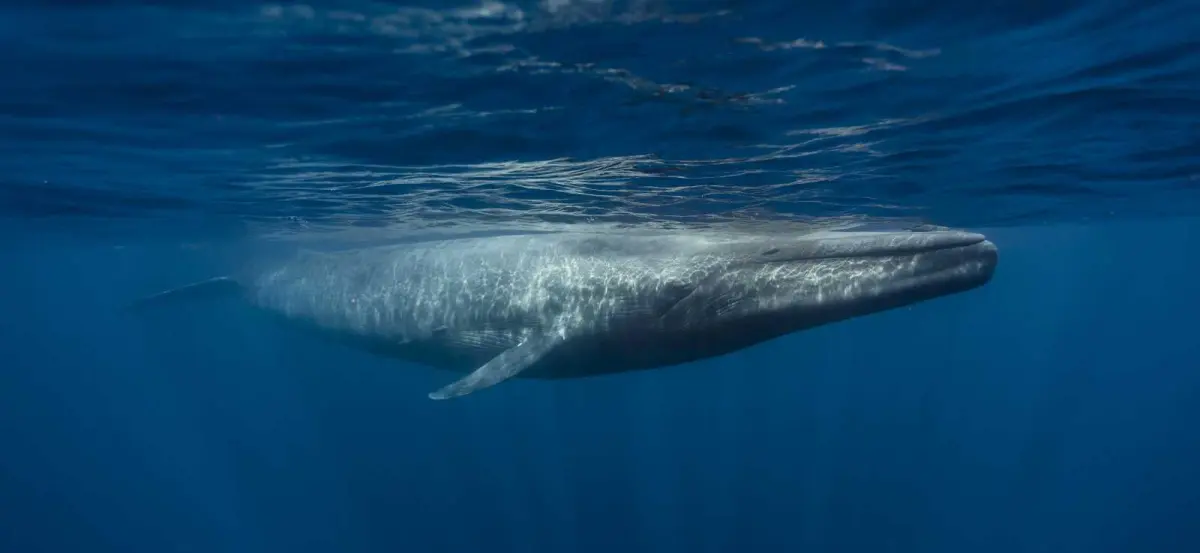
Blue whales maintain a cosmopolitan distribution, meaning they are found in all major ocean basins across the globe. While they are absent from the enclosed Arctic Ocean and certain shallow seas, they occupy the vast expanse of the Atlantic, Pacific, and Indian Oceans. Their presence is dictated primarily by the availability of prey, specifically the small, shrimp-like crustaceans known as krill.
These whales are highly migratory, often traveling thousands of miles between seasonal feeding and breeding grounds. During the summer months, they congregate in high-latitude waters, such as the Southern Ocean near Antarctica or the North Pacific near the Gulf of Alaska. As winter approaches and temperatures drop, they migrate toward lower-latitude, tropical waters. This movement ensures they can maximize their caloric intake in productive cold waters while providing a warmer, safer environment for newborn calves during the winter months.
How do blue whales find their food?
Blue whales are specialized filter feeders that rely on massive concentrations of krill to sustain their enormous body mass. A single adult can consume up to four tons of krill in a single day during peak feeding seasons. They locate these dense patches of prey using a combination of acoustic signals and visual cues, often diving to depths of 300 feet or more.
To capture their food effectively, blue whales utilize a technique called lunge feeding. They accelerate toward a swarm of krill with their mouths open, engulfing a volume of water nearly equal to their own body weight. The whale then uses its massive tongue to force the water out through baleen plates, which act as a sieve to trap the krill inside. Key regions for this activity include:
- The Southern Ocean surrounding Antarctica.
- The waters off the coast of California and Baja California.
- The Gulf of St. Lawrence in Canada.
- The coastal areas of Sri Lanka and the northern Indian Ocean.
Why do blue whales migrate?
The migration of the blue whale is a survival strategy driven by the need to balance energy expenditure with reproductive success. In the nutrient-rich polar waters, the cold temperatures and seasonal light cycles trigger massive blooms of phytoplankton, which in turn support vast swarms of krill. By spending the summer in these regions, blue whales can build up the significant blubber reserves necessary for their long-distance travel and fasting periods.
Conversely, the move to warmer, tropical waters during the winter serves a distinct biological purpose. Calves are born with relatively little blubber and would struggle to survive in the freezing, turbulent waters of the polar regions. The warmer, calmer waters of the tropics provide a nursery environment that allows the calves to grow rapidly and develop the insulation required for their eventual journey to the feeding grounds. This cyclical movement is essential for the long-term health and population stability of the species.
How to spot blue whales in the wild
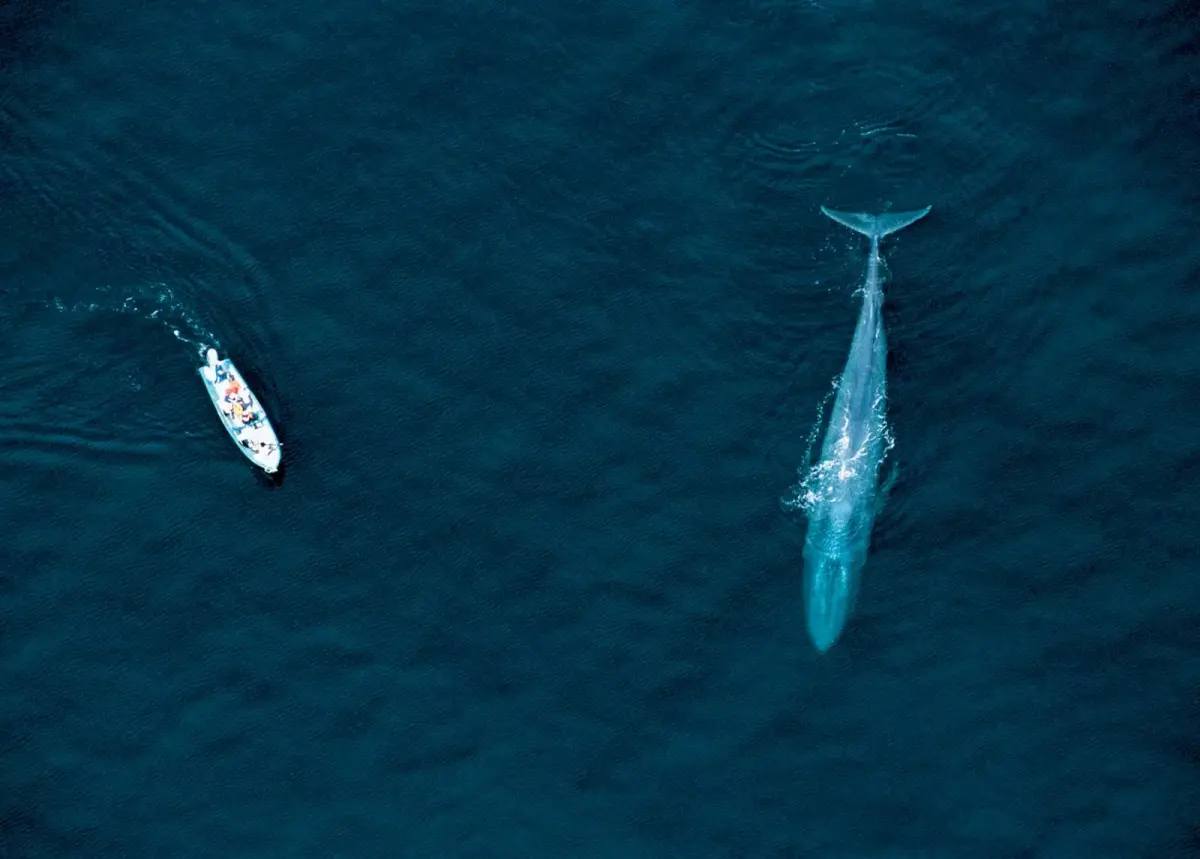
Observing blue whales requires patience, specialized equipment, and a significant amount of luck. Because these animals spend the vast majority of their lives submerged, spotting them involves scanning the horizon for their distinctive blow, which can reach heights of 30 feet. If you are planning a whale-watching excursion, follow these steps to increase your chances of a successful sighting:
- Research the peak migration season for the specific region you plan to visit.
- Book a tour with a reputable operator that follows strict wildlife viewing guidelines.
- Use high-quality binoculars to scan the surface for the whale's back, which often appears as a long, mottled blue-gray ridge.
- Keep your camera ready, as the whale may only surface for a few minutes before diving again for a long period.
Common mistakes when tracking blue whales
One of the most frequent errors observers make is failing to account for the whale's erratic surfacing patterns. Beginners often focus too intently on a single spot, missing the whale when it resurfaces hundreds of yards away. It is important to maintain a wide field of vision and communicate with the boat captain, who is trained to anticipate the animal's movement based on its direction of travel and dive duration.
Another common mistake is ignoring the importance of environmental context. Blue whales are rarely found in isolation; they are often associated with specific oceanographic features like upwellings, where nutrient-rich deep water rises to the surface. Avoid areas with heavy boat traffic or excessive noise, as these can disturb the whales and cause them to alter their behavior or abandon the area entirely. Always prioritize the safety and well-being of the animal by maintaining a respectful distance, as approaching too closely can induce stress and interfere with the whale's natural feeding or nursing activities.
Key facts
- Blue whales inhabit every ocean on Earth except for the landlocked Arctic Ocean.
- These mammals typically migrate between cold, nutrient-rich polar feeding grounds and warm, equatorial breeding grounds.
- They prefer deep, open-ocean waters rather than shallow coastal areas, though they occasionally approach shorelines.
- The largest populations are found in the Southern Ocean near Antarctica, where krill density is highest.
- Sightings are most common during summer months in high-latitude feeding areas like the Gulf of St. Lawrence or the waters off California.
- Avoid looking for blue whales in tropical waters during the winter, as they are likely in deeper, less accessible regions for calving.
The bottom line
Blue whales are cosmopolitan giants found in all major oceans, constantly moving between polar feeding zones and tropical breeding waters. While they occupy vast, deep-sea environments, they are most accessible to observers during seasonal migrations in specific high-latitude regions. Protecting these migratory corridors and their primary food source, krill, is essential for the continued recovery of this magnificent species throughout the global marine ecosystem.
People also ask
How deep do blue whales dive?
Blue whales typically dive to depths of 100 to 200 meters to feed on krill. However, they are capable of reaching depths exceeding 500 meters when necessary.
Do blue whales stay in the same place all year?
No, they are highly migratory animals. They spend summers in polar waters to feed and migrate toward the equator during winter to give birth in warmer temperatures.
Can you see blue whales from the beach?
It is rare to see them from the beach because they prefer deep, offshore waters. Dedicated whale-watching boat tours are the most reliable way to observe them.
How do blue whales find their food?
They use baleen plates to filter massive amounts of water for krill. They locate dense swarms of these small crustaceans using their keen sense of hearing and environmental cues.
Are blue whale populations recovering?
Populations are slowly increasing since the international ban on commercial whaling in 1966. Despite this, they remain an endangered species due to ship strikes and climate change.
How long do blue whales live?
Scientists estimate that blue whales have an average lifespan of 80 to 90 years. Their longevity is determined by analyzing the wax plug layers in their ears.
Read the full answer →This answer was created with the help of AI research tools and reference sources. Spotted an error? Let us know — we correct mistakes quickly. See our editorial policy.