How big do chameleons get?
Short answer
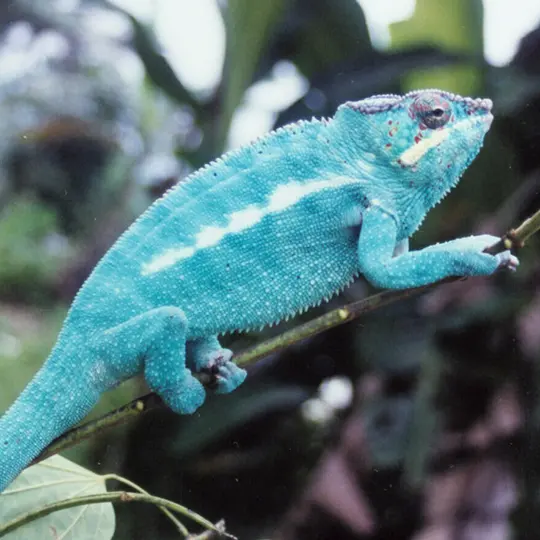
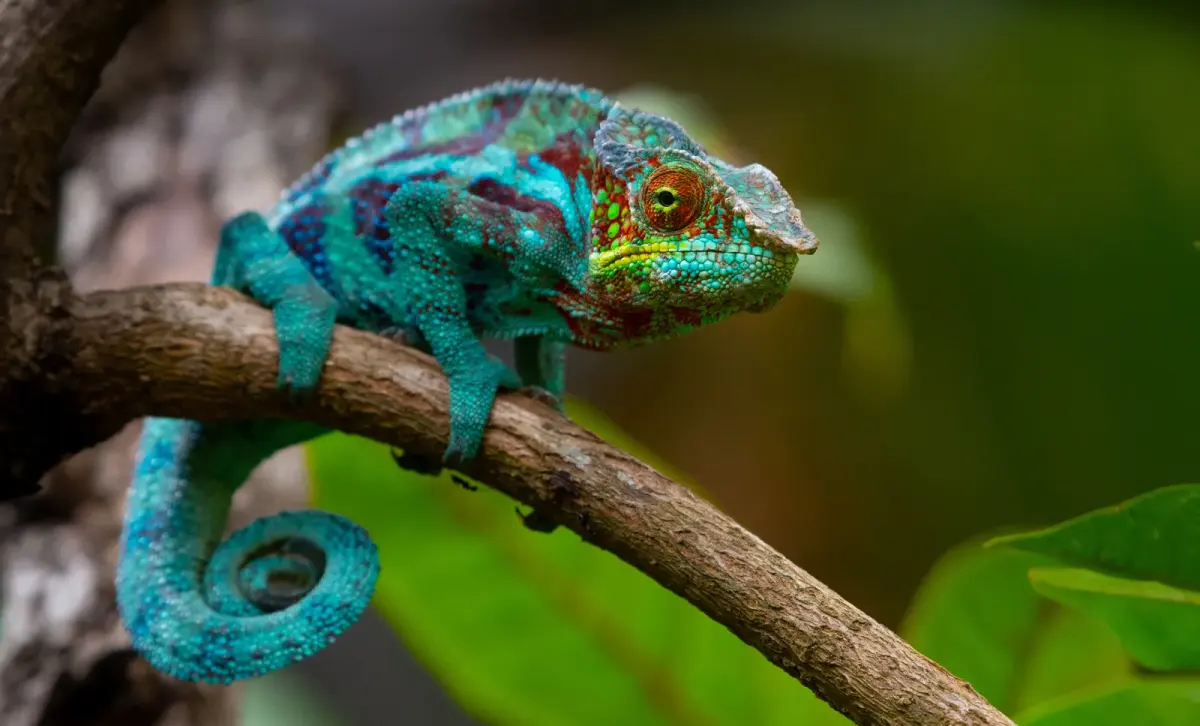
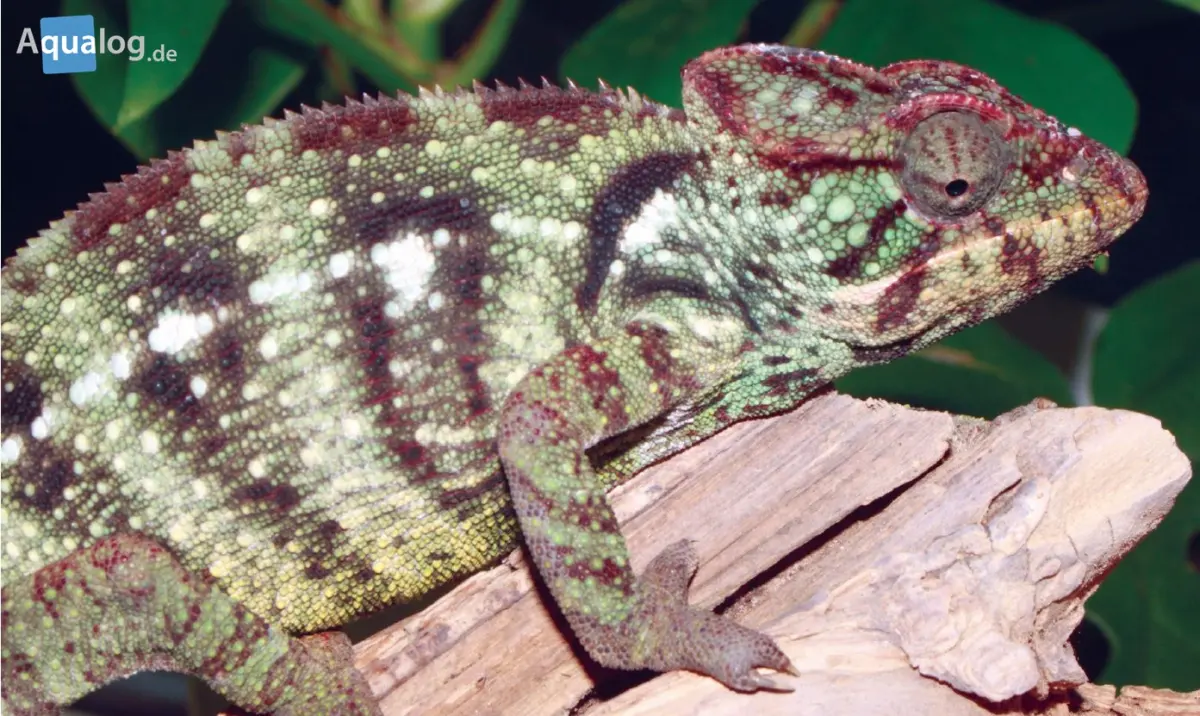
Chameleons vary significantly in size, ranging from the tiny Brookesia micra, which measures just one inch, to the robust Parson’s chameleon, which can reach 27 inches in length. Most common pet species, such as the Veiled or Panther chameleon, typically grow between 10 and 20 inches depending on their sex and subspecies.
On this page
How big do different chameleon species get?
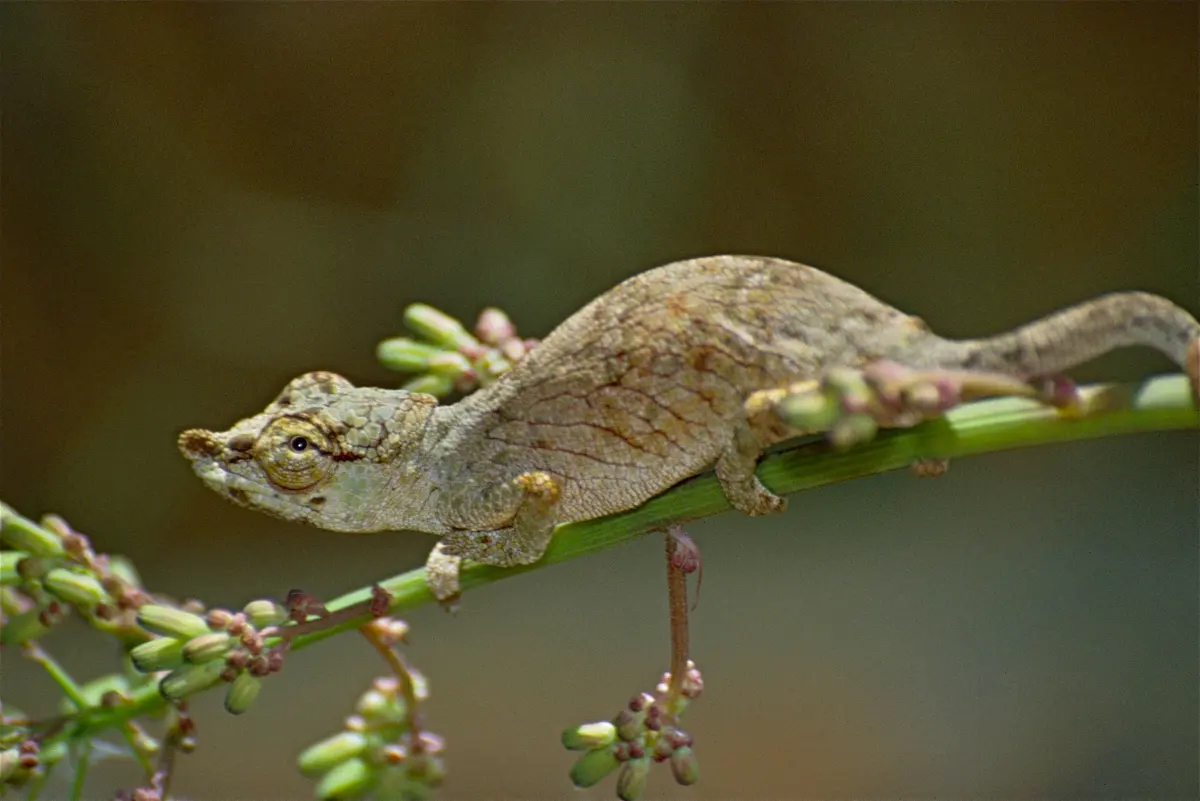
The size of a chameleon is determined almost entirely by its specific species. At the extreme low end of the spectrum, leaf chameleons like Brookesia micra are among the smallest amniote vertebrates on Earth, rarely exceeding an inch in total length. These miniature reptiles have evolved to live in the leaf litter of Madagascar, where their diminutive stature provides essential camouflage against predators.
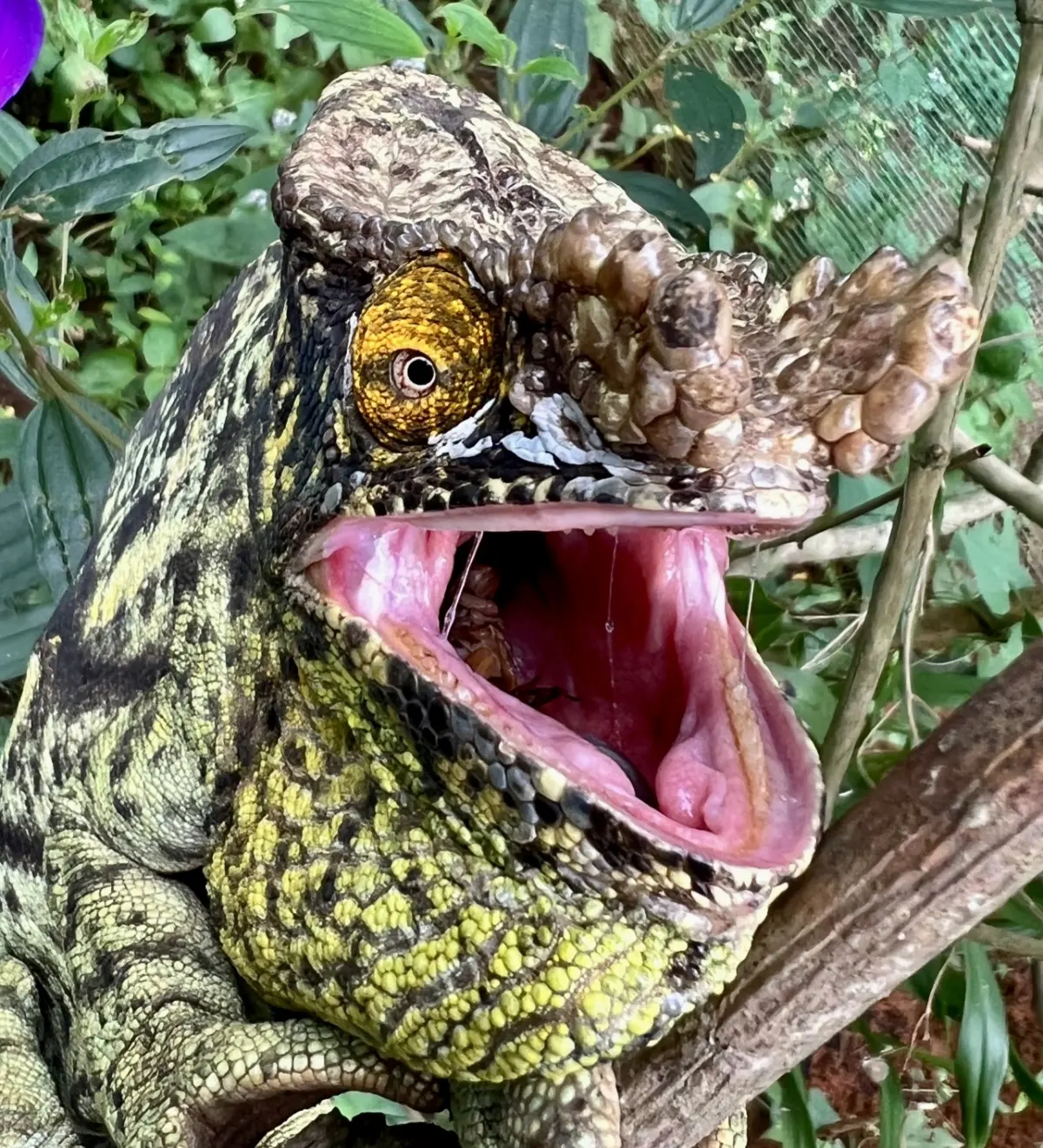
Conversely, some species grow to impressive proportions. The Parson’s chameleon (Calumma parsonii) is widely considered the largest, with males reaching lengths of up to 27 inches. These giants are heavy-bodied and require significant space to thrive. Between these two extremes lies a vast array of mid-sized chameleons commonly found in the pet trade. Understanding these biological limits is essential for any keeper, as the adult size dictates the size of the enclosure required to maintain the animal's health and psychological well-being.
How to measure a chameleon accurately?
Measuring a chameleon requires patience and the right technique to ensure the animal remains calm. Because chameleons are arboreal and often skittish, you should never force them into a straight line. Instead, wait for the animal to walk along a branch or a flat surface. Using a flexible sewing tape measure is the most effective method, as it can follow the contours of the body without causing stress.
To get an accurate reading, follow these steps:
- Wait for the chameleon to be calm and fully extended while walking.
- Measure from the very tip of the snout to the base of the tail to find the snout-to-vent length.
- Measure from the snout to the very tip of the tail to determine the total length.
- Record the weight using a digital gram scale, as weight is often a better indicator of health than length alone.
Avoid trying to measure a sleeping or defensive chameleon, as they will likely curl their tails or puff up their bodies, which will result in inaccurate data.
Why do chameleons grow to different sizes?
Growth in chameleons is influenced by a combination of genetics, environmental conditions, and diet. In the wild, species have evolved to fill specific ecological niches; larger species often occupy higher canopy levels where they can defend larger territories, while smaller species remain on the forest floor to avoid detection. Males are generally larger than females in most species, a trait known as sexual dimorphism.
For captive chameleons, growth is heavily dictated by the quality of husbandry. Proper UVB lighting and calcium supplementation are critical during the first year of life. If a chameleon does not receive adequate nutrition or light, it may suffer from stunted growth or metabolic bone disease. Conversely, overfeeding can lead to obesity, which puts undue stress on the animal's internal organs. Providing a varied diet of gut-loaded insects ensures that the reptile reaches its genetically determined size without health complications.
Common mistakes when housing growing chameleons
Many owners make the mistake of placing a juvenile chameleon into a full-sized adult enclosure immediately. While it might seem efficient, a massive cage can make it difficult for a young chameleon to locate its food, leading to malnutrition. It is much better to start with a smaller, appropriately sized enclosure and upgrade as the animal grows. This allows the keeper to monitor the chameleon's intake and activity levels more closely.
When upgrading your enclosure, keep these factors in mind:
- Ensure the cage provides proper ventilation, as stagnant air leads to respiratory infections.
- Provide a mix of live plants and branches to allow the chameleon to hide and regulate its temperature.
- Avoid using loose substrate on the bottom of the cage, as chameleons may accidentally ingest it while hunting.
- Maintain a clear temperature gradient so the animal can choose its preferred warmth.
Failing to provide enough vertical climbing space is another frequent error. Chameleons are vertical creatures; they need height to feel secure and to display natural behaviors like basking and hunting.
How to tell if your chameleon is the right size?
Determining if your chameleon is a healthy size involves looking at its body condition rather than just a number on a ruler. A healthy chameleon should have a well-rounded body, clear eyes, and a tail that is not overly thin at the base. If the hip bones are protruding or the tail base looks sunken, the animal may be underweight or dehydrated. Conversely, if the animal appears extremely bloated or has fat deposits under the "chin" area, it may be overfed.
Regular monitoring is the best way to track growth. Keep a log of your chameleon’s weight and length every month. Sudden weight loss is often the first sign of illness, even before physical changes become obvious. If you notice your chameleon is not growing at the expected rate for its species, consult an exotic animal veterinarian. They can perform a fecal exam or blood work to rule out parasites or nutritional deficiencies, ensuring your pet reaches its full potential safely.
Key facts
- The Parson’s chameleon reaches lengths of up to 27 inches, making it one of the largest species in the world.
- The Brookesia micra chameleon is one of the smallest vertebrates, measuring only about 1.1 inches as an adult.
- Most common pet species, such as the Veiled chameleon, typically range between 12 and 24 inches in total length.
- Size is heavily influenced by species, gender, and the quality of nutrition provided during the animal's growth phase.
- Always research the specific adult size of a chameleon before purchase to ensure your enclosure is large enough.
- Avoid overcrowding a habitat, as smaller, younger chameleons can become stressed or injured when housed with larger, dominant individuals.
The bottom line
Chameleon sizes vary drastically across species, ranging from tiny, inch-long specimens to giants exceeding two feet. Understanding the specific growth requirements of your chosen species is essential for proper husbandry. By providing a spacious, well-ventilated enclosure and a nutrient-dense diet, you ensure your chameleon reaches its healthy potential. Always prioritize vertical space and research adult dimensions before committing to a long-term care setup for these reptiles.
People also ask
Do male and female chameleons grow to the same size?
No, sexual dimorphism is common in chameleons, with males often growing significantly larger and more colorful than females. In many species, males also develop more prominent head crests or horns.
How fast do chameleons reach their full adult size?
Most chameleons grow rapidly during their first year of life, often reaching sexual maturity between 6 and 12 months. Growth rates can vary based on species, feeding frequency, and environmental conditions like lighting and temperature.
Does the size of the enclosure affect how big a chameleon grows?
While a small enclosure will not necessarily stunt a chameleon's genetic growth potential, it can lead to severe health issues and stress. Providing adequate space is essential for proper muscle development and overall physical well-being.
What is the most common mistake when housing growing chameleons?
The most frequent error is underestimating the vertical space required for an adult chameleon. These animals are arboreal and need tall, screened enclosures that allow for proper ventilation and climbing opportunities.
Can diet influence the final size of a chameleon?
Yes, a balanced diet rich in gut-loaded insects and appropriate calcium supplementation is vital for healthy growth. Malnutrition during the juvenile stage can lead to metabolic bone disease, which causes stunted growth and skeletal deformities.
How can I tell if my chameleon is underweight?
A healthy chameleon should have a well-rounded body shape without visible ribs or a sunken tail base. If the hip bones are prominent or the skin appears loose and baggy, the animal may be dehydrated or malnourished.
This answer was created with the help of AI research tools and reference sources. Spotted an error? Let us know — we correct mistakes quickly. See our editorial policy.