Where do porcupines live?
Short answer
Porcupines inhabit diverse environments across North America, South America, Africa, Europe, and Asia. They primarily thrive in forested regions, though some species adapt to deserts, grasslands, and rocky outcrops. These rodents are highly versatile, utilizing trees, underground burrows, or rock crevices for shelter depending on their specific geographical location and species.
On this page
Where do porcupines live in North America?
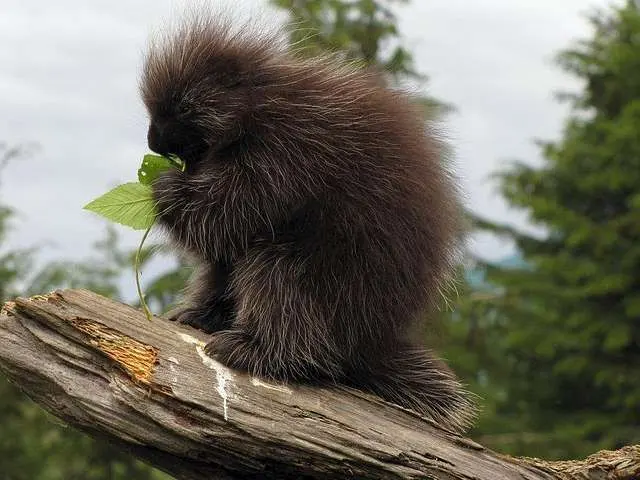
The North American porcupine (Erethizon dorsatum) is the most widespread species on the continent. It occupies a vast range spanning from the northern reaches of Canada and Alaska down through the western United States and into northern Mexico. These animals are primarily forest dwellers, showing a strong preference for coniferous, deciduous, and mixed-wood forests where they can find ample bark and foliage.
In these environments, they are highly skilled climbers. They spend a significant portion of their lives in trees, though they also seek refuge on the ground. Their habitat requirements are relatively flexible, allowing them to thrive in various climates. You can often find them in the following types of terrain:
- Dense boreal forests with high spruce and pine density.
- Riparian zones near rivers where willow and cottonwood trees grow.
- Mountainous regions featuring rocky slopes and cliffs for denning.
- Scrublands that provide enough vegetation for seasonal foraging.
Where do porcupines live in South America?
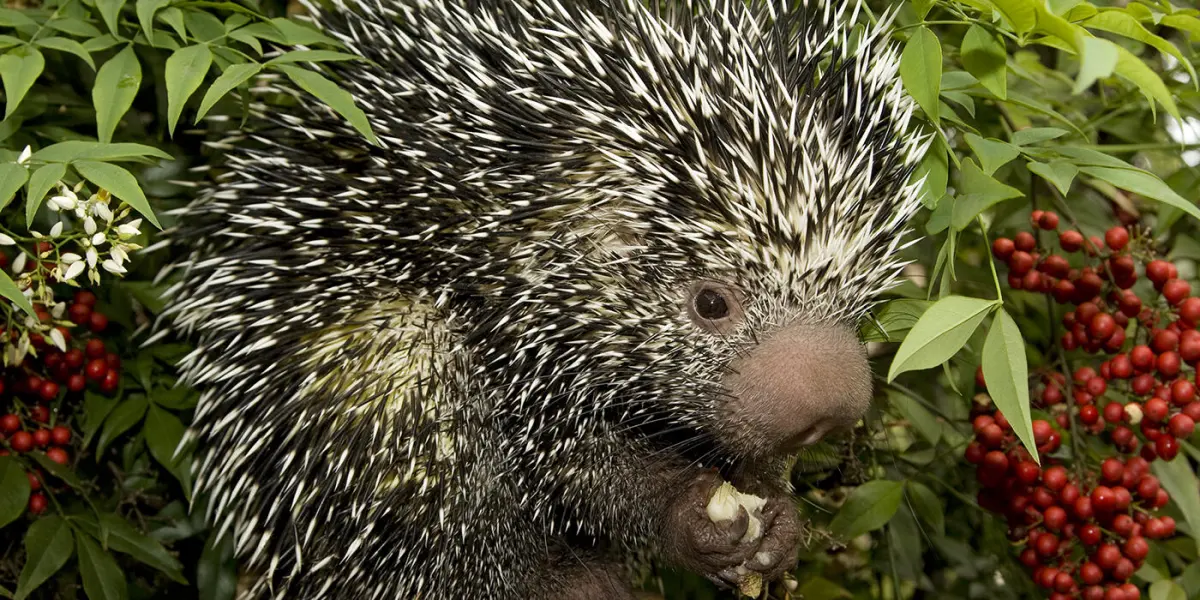
South America is home to several species of New World porcupines, specifically those in the genus Coendou. Unlike their North American cousins, these species are almost exclusively arboreal, meaning they spend nearly their entire lives in the canopy of tropical rainforests. They are found throughout the Amazon Basin, the Andes mountains, and various forested regions in Brazil, Colombia, and Venezuela.
Because they are adapted for life in the trees, their habitat is defined by high humidity and dense vegetation. They rely on prehensile tails to navigate branches, making them perfectly suited for the complex architecture of a rainforest. If you are searching for them in these regions, focus on:
- Identifying high-canopy areas with thick foliage.
- Looking for fruit-bearing trees that provide consistent food sources.
- Checking for abandoned bird nests or tree hollows where they sleep during the day.
- Observing the edges of forest clearings where they may descend to forage for succulent plants.
Where do porcupines live in Africa and Asia?
Old World porcupines, belonging to the family Hystricidae, inhabit a wide variety of landscapes across Africa, Southern Europe, and Asia. Unlike the tree-dwelling species of the Americas, these porcupines are terrestrial. They are ground-dwelling creatures that create extensive burrow systems or utilize natural caves and rock crevices to protect themselves from predators and harsh weather conditions.
Their habitats range from arid deserts and rocky hillsides to open grasslands and thickets. In Africa, the crested porcupine is a common sight in savannahs. In Asia, species are found in regions ranging from the Middle East to the tropical forests of Southeast Asia. They are highly adaptable, provided they have access to:
- Soft soil for digging deep, protective burrows.
- A steady supply of roots, tubers, and bulbs.
- Rocky outcroppings that offer natural structural protection.
- Areas with minimal human disturbance to ensure nocturnal safety.
How to spot a porcupine in the wild
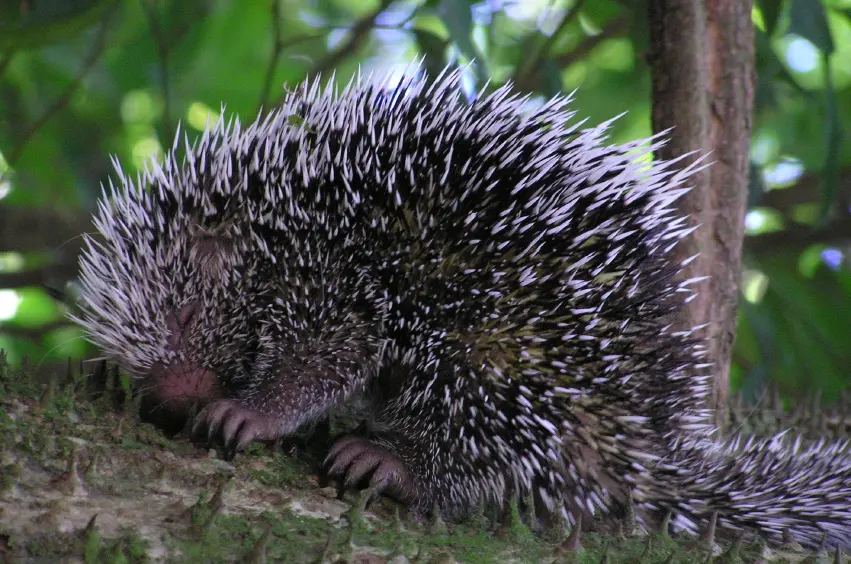
Finding a porcupine requires patience and a keen eye for specific environmental cues. Because most porcupines are nocturnal or crepuscular, your best chance of seeing one is during the twilight hours or at night. In forested areas, look for "debarking," which is a common sign of porcupine activity. This appears as patches of missing bark on trees, often near the base or higher up on the trunk.
When searching, avoid common mistakes that might scare the animal away. Do not use bright, harsh white lights, as these can startle them; instead, use a red-filtered flashlight. Also, remain downwind to prevent your scent from alerting them. Follow these steps for a successful observation:
- Scan the lower branches of trees during dusk for silhouettes.
- Listen for the sound of gnawing or rustling in the underbrush.
- Look for scat, which typically consists of oval-shaped, fibrous droppings.
- Maintain a distance of at least 20 feet to ensure both your safety and the animal's comfort.
Common mistakes when identifying porcupine habitats
A frequent error people make is assuming that porcupines are limited to deep, untouched wilderness. In reality, many species are highly adaptable and can be found in suburban or semi-rural areas if food sources like ornamental trees or gardens are available. Mistaking a porcupine for another animal, such as a groundhog or a badger, is also common. Remember that porcupines have a distinct, waddling gait and a heavy, rounded profile.
Another mistake is ignoring the seasonal shifts in their habitat. During winter, porcupines often move to sheltered areas with dense evergreen cover to conserve heat and find food. In the spring and summer, they may venture into more open fields or meadows to consume fresh grasses and aquatic plants. By understanding these seasonal patterns and recognizing the signs of their presence, such as gnawed wood or tracks in the mud, you can accurately locate their habitats throughout the year.
Key facts
- Porcupines are divided into two main families: Old World porcupines (Hystricidae) found in Africa, Asia, and Europe, and New World porcupines (Erethizontidae) native to the Americas.
- New World porcupines are primarily arboreal, meaning they spend a significant portion of their lives living in trees.
- Old World porcupines are strictly terrestrial, living in burrows or caves rather than climbing trees.
- Most porcupines prefer forested areas, though some species inhabit deserts, grasslands, and rocky outcrops.
- Avoid approaching a porcupine in the wild; they cannot "shoot" their quills, but they will release them upon contact if threatened.
- If you encounter a porcupine near your home, keep pets indoors, as curious dogs are the most frequent victims of accidental quill injuries.
The bottom line
Porcupines are highly adaptable rodents found across diverse global ecosystems, ranging from dense forests to arid deserts. While New World species favor life in the treetops, their Old World counterparts prefer terrestrial burrows. Understanding these habitat preferences is essential for peaceful coexistence. By respecting their space and keeping pets away from den sites, you can safely appreciate these unique, quill-bearing mammals in their natural environment.
People also ask
Do porcupines hibernate during the winter?
Porcupines do not hibernate, but they do become less active during extreme cold. They often stay in dens or high in trees for days at a time to conserve energy and warmth.
What do porcupines eat in their natural habitat?
They are herbivores that consume leaves, twigs, roots, and bark. In winter, they rely heavily on the inner bark of trees, which can sometimes cause damage to forest health.
Are porcupines dangerous to humans?
They are generally shy and non-aggressive, posing no threat unless provoked. If you maintain a respectful distance, they will typically ignore you or retreat to safety.
How do you identify a porcupine den?
Look for burrows under logs, rocky crevices, or hollows at the base of large trees. You may also notice a distinct, pungent odor or piles of droppings near the entrance.
Can porcupines swim?
Yes, they are surprisingly capable swimmers. Their hollow, air-filled quills provide buoyancy, which helps them stay afloat while crossing streams or ponds.
What should I do if my pet gets quilled?
Seek immediate veterinary attention to have the quills removed under sedation. Never attempt to pull them out yourself, as the barbs can break off or cause severe tissue damage.
This answer was created with the help of AI research tools and reference sources. Spotted an error? Let us know — we correct mistakes quickly. See our editorial policy.