Where do iguanas live?
Short answer
Iguanas primarily inhabit tropical and subtropical regions of the Americas and the Caribbean. They are native to areas ranging from Mexico and Central America down to South America and parts of the West Indies. These reptiles thrive in warm, humid environments, often residing in trees near water sources like rivers or streams.
On this page
Where do iguanas live in the wild?
Iguanas are native to a vast geographical range that spans from the southern parts of Mexico through Central America and into the tropical regions of South America, including Brazil and Paraguay. They are also found throughout the Caribbean islands. These reptiles are highly adaptable to various tropical ecosystems, provided the climate remains consistently warm and humid. They prefer habitats that offer both high canopy cover and proximity to water, which facilitates their survival and reproductive cycles.
Within these regions, iguanas are most frequently spotted in lowland tropical rainforests. They are arboreal by nature, meaning they spend the majority of their lives in the branches of tall trees. This elevation provides protection from ground-dwelling predators and allows them to bask in the sunlight to regulate their body temperature. When they are not in the trees, they are often found near riverbanks or lakes, where they can quickly dive into the water to escape threats or forage for aquatic vegetation.
How do iguanas adapt to their environment?
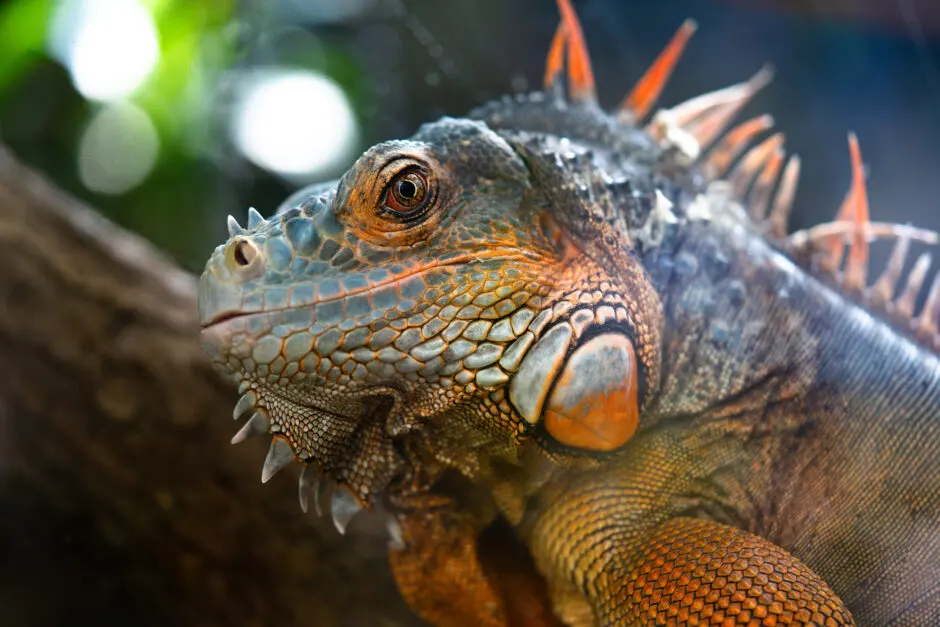
The physical characteristics of an iguana are perfectly suited for their natural habitats. Their strong, sharp claws allow them to grip tree bark securely, enabling them to climb with remarkable agility. Furthermore, their long, muscular tails serve as both a balance tool while climbing and a defensive weapon when they feel threatened. These adaptations are essential for survival in dense forest environments where navigating complex vertical structures is a daily necessity.
Iguanas also possess specialized biological mechanisms to thrive in their surroundings:
- Dewlaps: The flap of skin under their chin helps regulate body temperature and is used for social signaling.
- Parietal eye: A light-sensing organ on top of their head helps them detect predators from above, such as birds of prey.
- Salt glands: These allow them to excrete excess salt from their systems, which is vital when they consume salty plants or live near brackish water.
Why are iguanas found in non-native areas?
In recent decades, iguanas have become an invasive species in several parts of the world, most notably in South Florida, Hawaii, and parts of the Caribbean where they were not originally present. This expansion is primarily due to the international pet trade. Many iguanas were imported as exotic pets, and when they grew too large or difficult to manage, owners released them into the wild. Because these regions share similar tropical climates to the iguana’s native range, the animals were able to survive and reproduce rapidly.
The lack of natural predators in these new environments has allowed iguana populations to explode. In Florida, for example, they have become a significant nuisance, causing damage to infrastructure, landscaping, and local agriculture. They often dig burrows that undermine seawalls and sidewalks, and their presence can disrupt local ecosystems by outcompeting native species for food and nesting sites. This rapid spread highlights the ecological consequences of introducing non-native species into vulnerable habitats.
Common mistakes when identifying iguana habitats
One common error people make is assuming that all iguanas live in the same type of environment. While the Green Iguana is the most famous species, there are many others, such as the Marine Iguana of the Galápagos Islands. The Marine Iguana is unique because it is the only lizard that has adapted to forage in the ocean, feeding on algae. Mistaking a coastal-dwelling species for a rainforest-dwelling one can lead to misunderstandings about their specific environmental requirements and behaviors.
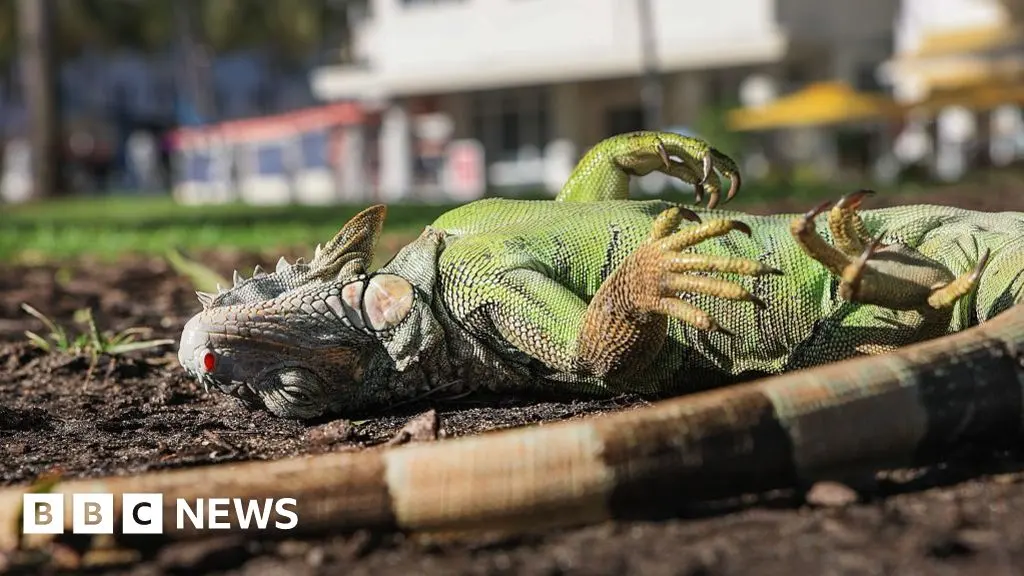
Another mistake is believing that iguanas can survive in cold climates. As ectotherms, iguanas rely on external heat sources to maintain their metabolism. If temperatures drop too low, they become sluggish and can even fall out of trees in a state of cold-induced paralysis. People often mistake this temporary state for death, but the animals are simply struggling to cope with temperatures below their natural threshold. Understanding their thermal limits is crucial for recognizing why they are restricted to tropical zones.
How to support iguana conservation efforts
Protecting iguanas in their native habitats requires a focus on preserving the forests and waterways they call home. Deforestation and land development are the greatest threats to their survival, as these activities destroy the nesting grounds and canopy cover necessary for their life cycle. Supporting local conservation groups that advocate for protected areas is one of the most effective ways to ensure these reptiles continue to thrive in the wild.
If you are interested in helping, consider these steps:
- Research the origin of any exotic pet to ensure it was not captured from the wild, which harms local populations.
- Support organizations that work to restore riverbanks and tropical canopy corridors.
- Educate others about the difference between native populations and invasive ones to prevent the spread of misinformation.
- Avoid purchasing products that contribute to the destruction of tropical rainforests, such as unsustainable timber or palm oil.
By maintaining the integrity of their natural habitats, we can ensure that these ancient reptiles remain a vital part of the world's biodiversity for future generations to observe and study.
Key facts
- Iguanas are native to tropical and subtropical regions of Central and South America, the Caribbean, and parts of Mexico.
- The common green iguana (Iguana iguana) is an arboreal species, meaning it spends the majority of its life in the canopy of rainforest trees.
- Wild iguanas require high humidity and consistent temperatures between 75°F and 95°F to regulate their metabolism.
- Invasive populations of green iguanas have established themselves in Florida, Hawaii, and parts of the Caribbean due to the pet trade.
- If keeping an iguana in captivity, you must provide a vertical enclosure at least 6 feet tall to mimic their natural climbing habitat.
- Avoid housing iguanas in glass aquariums, as they often fail to recognize glass as a barrier and will constantly rub their noses against it, causing injury.
The bottom line
Iguanas are primarily arboreal reptiles native to the warm, humid forests of the Americas. While they thrive in tropical canopies near water sources, certain species have adapted to arid desert environments. Understanding their specific requirements for heat, vertical space, and humidity is essential for their survival. Whether observing them in the wild or caring for them as pets, mimicking their natural environment is the key.
People also ask
Can iguanas live in cold climates?
No, iguanas are ectothermic and cannot survive in cold climates. When temperatures drop below 45°F, they become lethargic and may fall from trees, a phenomenon frequently observed in Florida during winter cold snaps.
Do iguanas live near water?
Yes, most iguanas are excellent swimmers and prefer to live in habitats near rivers, streams, or lakes. They often use water as an escape route from predators by dropping from tree branches into the current below.
Are iguanas found in the desert?
While the green iguana prefers tropical forests, the desert iguana (Dipsosaurus dorsalis) is a distinct species adapted to the harsh, arid environments of the southwestern United States and Mexico. These desert dwellers thrive in temperatures that would be lethal to other reptiles.
Do wild iguanas live in groups?
Iguanas are generally solitary creatures, though they may congregate in areas with abundant food or ideal basking sites. During the breeding season, males become territorial and will defend their chosen space against other males.
How long do iguanas live in the wild?
In their natural habitat, green iguanas typically live for 10 to 15 years. With optimal care, proper nutrition, and a lack of natural predators in a captive environment, some individuals have been known to live for 20 years or more.
Do iguanas burrow underground?
While some species like the desert iguana use burrows to escape extreme heat, the common green iguana does not typically burrow. They prefer to sleep on high branches to remain safe from ground-based predators like snakes and jaguars.
This answer was created with the help of AI research tools and reference sources. Spotted an error? Let us know — we correct mistakes quickly. See our editorial policy.