Why do cats hate water?
Short answer
Most domestic cats dislike water because their evolutionary history in arid climates left them without a need for swimming. Their fur is not naturally water-resistant, making them heavy, cold, and uncomfortable when soaked. Additionally, cats rely on their scent for security, and water can strip away their natural pheromones and familiar smells.
On this page
Why cats avoid water
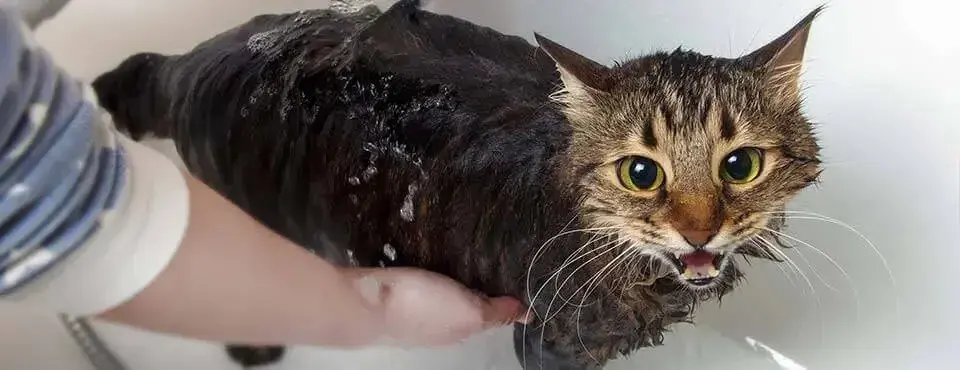
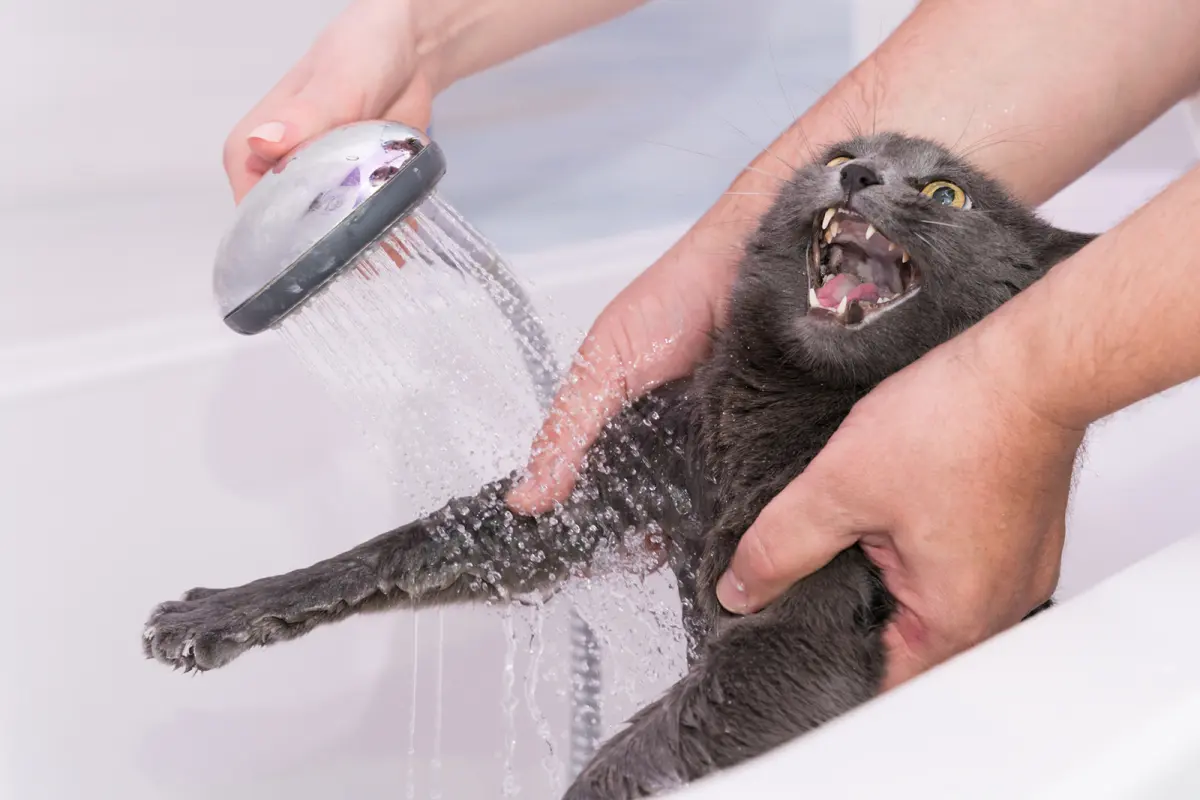
The domestic cat (Felis catus) descended from the Near Eastern wildcat (Felis lybica), a species that evolved in desert environments. Because these ancestors rarely encountered large bodies of water, they never developed the biological adaptations required for aquatic survival. Unlike dogs, which often have oily, water-repellent coats, a cat’s fur becomes quickly saturated. This weight makes it difficult for them to move, jump, or escape potential threats, leaving them feeling vulnerable and exposed.
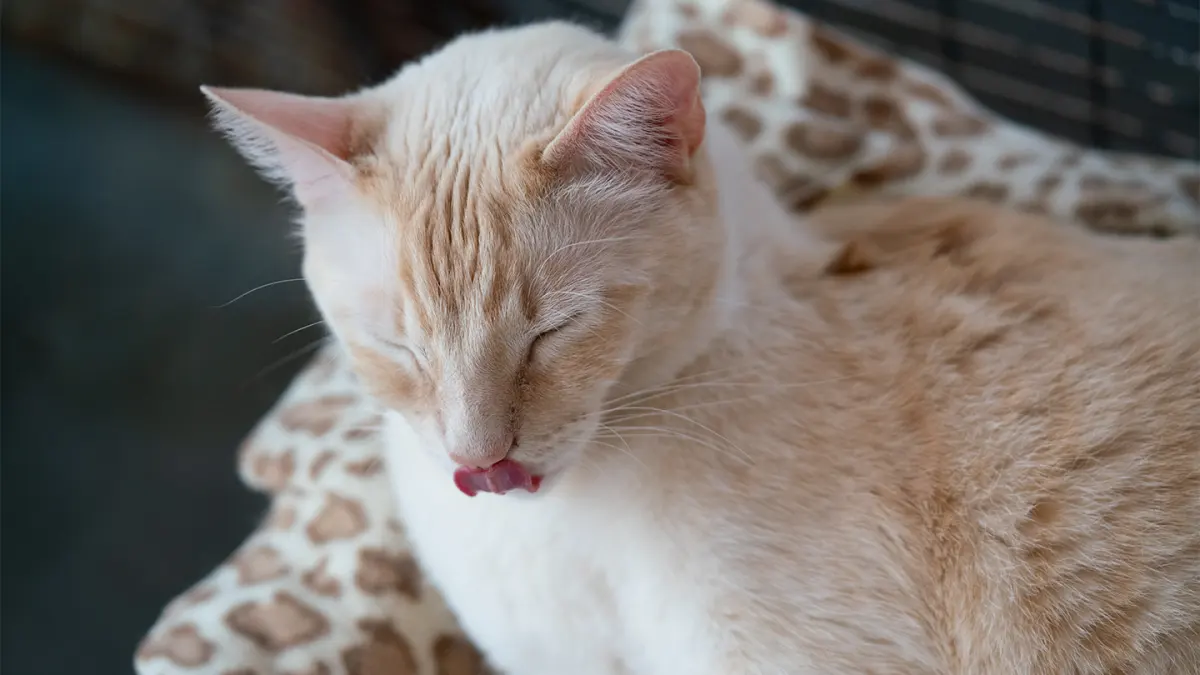
Furthermore, cats are fastidious groomers who spend up to 50 percent of their waking hours cleaning themselves. They use their specialized tongues to remove debris and regulate body temperature. When a cat gets wet, the process of drying off is exhausting and uncomfortable. The sensation of heavy, matted fur is highly stressful for an animal that prioritizes agility and cleanliness. Consequently, most cats view water as an unnecessary hazard that disrupts their carefully maintained grooming routine and physical comfort.
How to bathe a cat safely
If your cat has encountered a sticky substance or a toxic material, a bath may become necessary. To minimize stress, preparation is the most important factor in the process. Ensure the water is lukewarm, as cats have a higher body temperature than humans and can easily become chilled. Use a non-slip mat at the bottom of the sink or tub to provide traction, which helps the cat feel more secure and less likely to panic.
Follow these steps to conduct a calm bathing session:
- Trim your cat's claws a few days before the bath to prevent accidental scratches.
- Brush the cat thoroughly to remove loose fur and mats, which can tighten when wet.
- Place a small amount of water in the basin—never submerge the cat or use a high-pressure spray.
- Use a gentle, cat-specific shampoo, avoiding the face and ears entirely.
- Rinse the fur completely, as residue can cause skin irritation or lead to ingestion of soap during grooming.
- Wrap the cat in a large, warm towel immediately to absorb moisture and provide comfort.
Common mistakes when bathing cats
One of the most frequent errors owners make is jumping straight into a full bath without acclimation. If you force a cat into water, you risk creating a traumatic association that will make future handling difficult. Never use human shampoo, as the pH levels are formulated for human skin and can strip away the essential oils that keep a cat's skin healthy. Additionally, avoid using a hairdryer on a high or hot setting, as the noise and heat can frighten the animal.
Another common mistake is failing to monitor the cat’s stress signals during the process. If a cat begins to pant, growl, or thrash violently, stop immediately. Pushing a cat past its threshold can lead to aggressive behavior or long-term behavioral issues. Always prioritize the cat's safety over the goal of getting them perfectly clean. If the cat is too distressed, consider using waterless grooming foams or professional grooming services that specialize in handling anxious pets.
Why some cats like water
While most cats avoid water, certain breeds and individual personalities demonstrate a fascination with it. Breeds such as the Turkish Van, Maine Coon, and Bengal are often cited for their affinity for water. The Turkish Van, in particular, is sometimes nicknamed the "swimming cat" because of its historical presence near Lake Van in eastern Turkey. These preferences are often linked to genetic traits or early socialization experiences that occurred during the kitten's critical developmental window.
Cats that enjoy water often do so through play rather than immersion. They may enjoy batting at dripping faucets, splashing in water bowls, or investigating the shower after you have finished. This behavior is usually driven by curiosity and the desire to hunt moving objects. For these cats, water is a source of sensory stimulation rather than a threat. If your cat shows an interest in water, providing a shallow fountain or a dripping tap can be a great way to provide enrichment and hydration.
Best ways to keep cats clean
Most cats are perfectly capable of maintaining their own hygiene without human intervention. Their tongues are covered in tiny, backward-facing barbs called papillae, which act like a natural comb to remove dirt and loose hair. If you notice your cat looking unkempt, it may indicate an underlying health issue such as arthritis, obesity, or dental pain, which makes grooming physically difficult. In such cases, consult a veterinarian rather than attempting to force a bath.
For general maintenance, consider these alternatives to bathing:
- Daily brushing to reduce shedding and prevent the formation of painful mats.
- Using feline-safe grooming wipes for localized cleaning of paws or rear ends.
- Providing high-quality nutrition to support skin and coat health from the inside out.
- Keeping the litter box clean to prevent the cat from tracking debris through the house.
By focusing on these proactive grooming habits, you can keep your cat healthy and clean without the stress of a traditional bath. Understanding that your cat’s aversion to water is a natural, evolutionary trait will help you build a more respectful and comfortable relationship with your pet.
Key facts
- Most domestic cats (Felis catus) possess a dense coat that absorbs water, making them heavy, cold, and uncomfortable.
- The Turkish Van breed is a notable exception, as these cats are known for their love of swimming and water play.
- Cats have a highly developed sense of smell, and they may be repelled by the chemical scent of chlorine in tap water.
- Evolutionarily, most house cats descend from desert-dwelling ancestors that rarely encountered large bodies of water.
- To bathe a cat, use a non-slip mat in the sink to prevent panic and keep the water level shallow to avoid startling them.
- Always use specialized feline shampoo, as human products can disrupt a cat's natural skin pH and cause irritation.
The bottom line
While cats are not biologically allergic to water, their evolutionary history and physical coat structure make immersion unpleasant. Most cats prefer staying dry to maintain body temperature and agility. If bathing is necessary, prioritize a calm environment and positive reinforcement to minimize stress. By understanding these natural instincts, owners can better manage their pet's hygiene while respecting the boundaries that keep their feline companions comfortable and secure.
People also ask
Do cats ever need to be bathed?
Most healthy cats are fastidious groomers and do not require regular baths. You should only bathe them if they have encountered a sticky, toxic, or foul-smelling substance that they cannot safely clean themselves.
How can I keep my cat hydrated if they dislike water?
Many cats prefer moving water over stagnant bowls, which mimics natural streams. Using a pet water fountain can encourage them to drink more frequently and stay properly hydrated.
Why do some cats stare at water faucets?
Cats are naturally curious predators who are attracted to the movement and sound of running water. This behavior is often a form of play or an instinctual interest in a potential source of fresh, clean hydration.
Can I use a hair dryer to dry my cat after a bath?
It is generally best to avoid hair dryers, as the loud noise and hot air can cause significant stress. Instead, gently pat the cat dry with a warm, absorbent towel and keep them in a draft-free room.
Is it dangerous if a cat gets wet?
Getting wet is not inherently dangerous, but it can lead to a drop in body temperature if the cat stays damp for too long. Ensure your pet is completely dry and warm before allowing them to return to a cold environment.
Should I force my cat into the water to get them used to it?
Never force a cat into water, as this can cause severe trauma and damage the bond of trust with your pet. Gradual desensitization using treats and positive reinforcement is the only humane way to introduce them to water.
This answer was created with the help of AI research tools and reference sources. Spotted an error? Let us know — we correct mistakes quickly. See our editorial policy.