What is a group of cats called?
Short answer
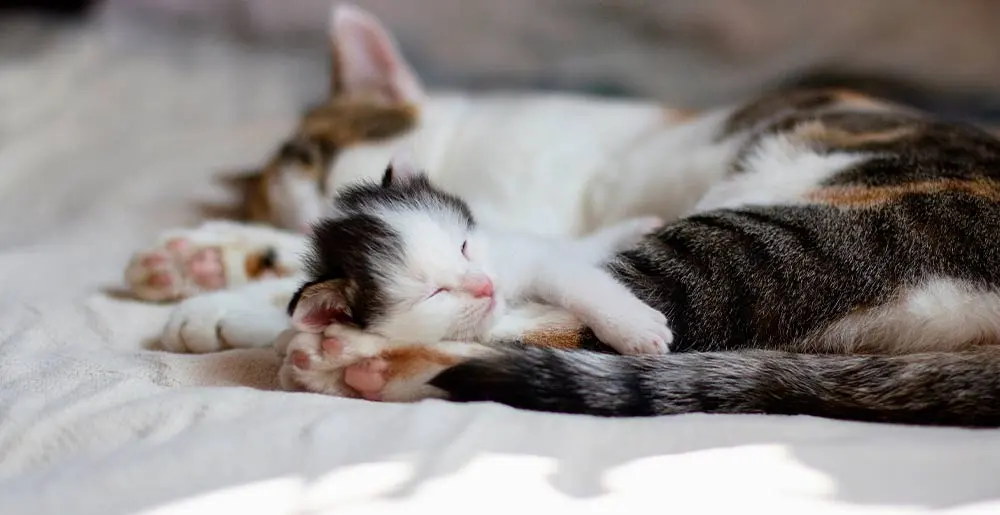
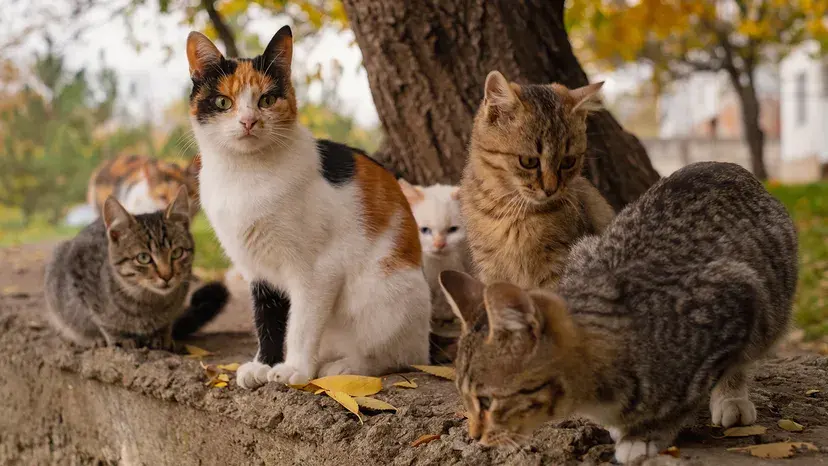
A group of cats is most commonly called a clowder. While this is the standard term, other collective nouns exist depending on the context, such as a glaring of cats or a pounce of cats. For kittens, the appropriate term is a kindle, reflecting their energetic and playful nature in groups.
On this page
What is a group of cats called?
The term "clowder" is widely recognized as the primary collective noun for a group of domestic cats. Etymologically, it is thought to derive from the Middle English word "clotter," which referred to a mass or clump of items. When cats congregate, they often huddle together for warmth or social bonding, making this descriptive term particularly fitting for their behavior.
Beyond the standard clowder, English provides several colorful, though less formal, collective nouns. A "glaring" of cats is often used when the animals are observed in a tense or confrontational state, perhaps staring each other down. Conversely, a "pounce" of cats describes a group in a more active or predatory mode. While these terms are linguistically valid, they are rarely used in scientific literature or veterinary practice, where "group" or "colony" remains the preferred terminology.
Why do cats form groups?
Cats are often perceived as solitary hunters, but they are actually facultatively social animals. This means they possess the ability to live alone or in groups depending on the availability of resources. In environments where food is abundant, such as near a farm or a managed colony, cats will naturally form stable social structures. These groups are usually matrilineal, consisting of related females and their offspring, who cooperate in raising kittens and defending territory.
Social cohesion within a cat group is maintained through specific behaviors that reinforce bonds between individuals. These interactions are essential for reducing stress and preventing conflict within the hierarchy. Common social behaviors include:
- Allorubbing: Cats rub their heads and bodies against one another to exchange scent and establish a group odor.
- Allogrooming: Mutual grooming helps maintain hygiene in hard-to-reach areas and strengthens social ties.
- Sleeping in contact: Huddling together provides thermal regulation and a sense of security against potential threats.
How to identify a feral cat colony
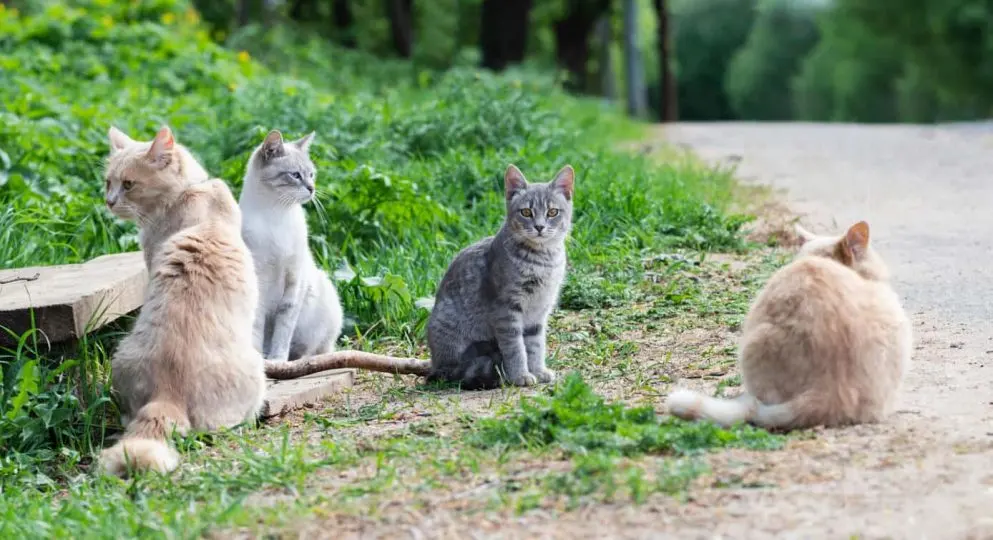
A feral cat colony is a specific type of group that has adapted to living outdoors without direct human dependency. Unlike stray cats, which may have been socialized to humans, feral cats are typically fearful of people and behave like wild animals. Identifying a colony often involves observing the cats' behavior and their physical condition, as well as looking for signs of managed care, such as feeding stations or shelters provided by local caretakers.
If you are attempting to identify or monitor a colony, follow these steps to ensure accuracy and safety:
- Observe from a distance: Use binoculars to watch the group during dawn or dusk, as these are peak activity times.
- Look for ear-tipping: Many managed colonies feature cats that have been spayed or neutered, often indicated by a small, clean cut on the tip of the left ear.
- Assess the group dynamic: Note the number of adults versus kittens, as this helps determine the stability and potential growth rate of the colony.
- Check for consistent feeding patterns: Regular appearance at specific times suggests a stable group structure supported by a local food source.
Common mistakes when managing cat groups
One of the most frequent errors people make when encountering a group of cats is attempting to socialize feral individuals too quickly. Forcing interaction on a cat that has not been socialized to humans can cause extreme stress, leading to defensive aggression or the cat fleeing the area entirely. It is vital to respect the animal's boundaries and allow them to approach on their own terms, which may take months or even years.
Another mistake is providing food without a long-term plan for population control. Simply feeding a group of cats without implementing Trap-Neuter-Return (TNR) programs leads to rapid population growth, which can overwhelm the environment and the cats' health. Effective management requires a holistic approach that balances nutrition with veterinary intervention. Avoid these common pitfalls to ensure the well-being of the group:
- Overfeeding: Excessive food left out can attract pests or predators, creating health hazards for the cats.
- Ignoring medical needs: A group that is not vaccinated or treated for parasites can quickly succumb to preventable diseases.
- Inconsistent monitoring: Failing to track new arrivals or health changes can lead to unmanaged colony expansion.
Best practices for feline group welfare
Maintaining the health of a cat group requires consistency, patience, and resources. Whether you are caring for a small group of indoor cats or managing an outdoor colony, the core principles of welfare remain the same. Ensure that every cat has access to sufficient space to avoid overcrowding, which is a leading cause of stress and disease transmission in feline populations. Providing multiple resources, such as separate water bowls and resting areas, helps to minimize competition.
If you are involved in the care of a group, prioritize regular health checks and environmental enrichment. For indoor groups, vertical space like cat trees can prevent territorial disputes by allowing cats to retreat to higher ground. For outdoor colonies, providing weather-proof shelters is essential for survival during extreme temperatures. By following these guidelines, you can ensure that the clowder remains healthy, stable, and well-integrated into its environment, fostering a peaceful coexistence among the individuals within the group.
Key facts
- A group of domestic cats is most commonly referred to as a "clowder."
- When referring to a group of kittens, the correct term is a "kindle."
- A group of wild cats, such as lions, is specifically called a "pride."
- The term "glaring" is sometimes used to describe a group of cats, though it is less common than clowder.
- Feral cat colonies are social groups that often form around a consistent food source.
- Avoid using the term "pack" for cats, as this is biologically reserved for canines like wolves or dogs.
The bottom line
The term "clowder" is the standard collective noun for a group of domestic cats, while "kindle" is used for kittens. Understanding these terms helps clarify social dynamics, though domestic cats remain independent creatures that value personal space. Whether managing a feral colony or a household of pets, recognizing that cats are facultatively social allows owners to provide better care and foster healthier relationships between individual animals.
People also ask
Do domestic cats prefer living in groups?
While domestic cats are often viewed as solitary, they are facultatively social animals. They can form complex social structures and bonds with other cats if introduced properly in a stable environment.
How many cats constitute a clowder?
There is no specific numerical threshold required to form a clowder. The term generally applies to any group of three or more cats living or congregating together.
Why do cats hiss at members of their own group?
Hissing is a defensive communication used to signal discomfort, fear, or a desire for personal space. Even within a established clowder, cats may hiss to set boundaries during play or minor disputes.
Can a clowder include different species of cats?
In a domestic or sanctuary setting, a clowder typically consists of the same species. Mixing different species, such as domestic cats and wild cats, is dangerous and biologically inappropriate due to differing social needs.
What is the difference between a clowder and a colony?
A clowder refers to the collective noun for the animals themselves, while a colony refers to a group of feral or stray cats living in a specific geographic territory. Colonies are defined by their shared habitat and resource management.
How can I introduce a new cat to an existing clowder?
The most effective method is a gradual introduction using scent swapping and visual barriers. Avoid placing a new cat directly into the group, as this often leads to territorial aggression and unnecessary stress.
This answer was created with the help of AI research tools and reference sources. Spotted an error? Let us know — we correct mistakes quickly. See our editorial policy.