What do ducks eat?
Short answer
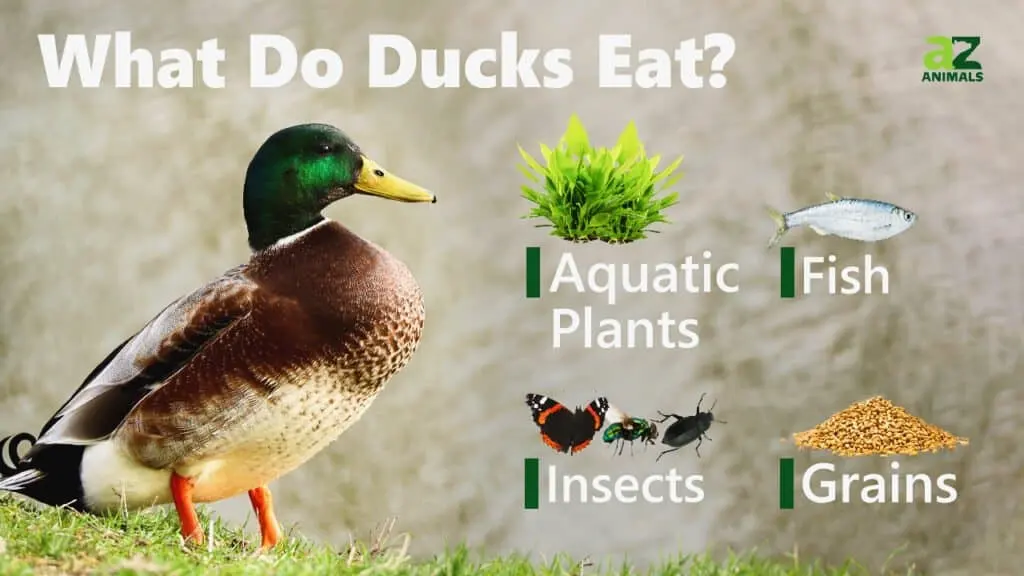
Ducks are opportunistic omnivores that consume a diverse diet of aquatic plants, seeds, grasses, insects, crustaceans, and small fish. While they forage naturally in wetlands, their nutritional needs vary by species and season. Providing supplemental food requires caution, as human-provided snacks often lack necessary nutrients and can cause severe health issues.
On this page
What do wild ducks eat in nature?
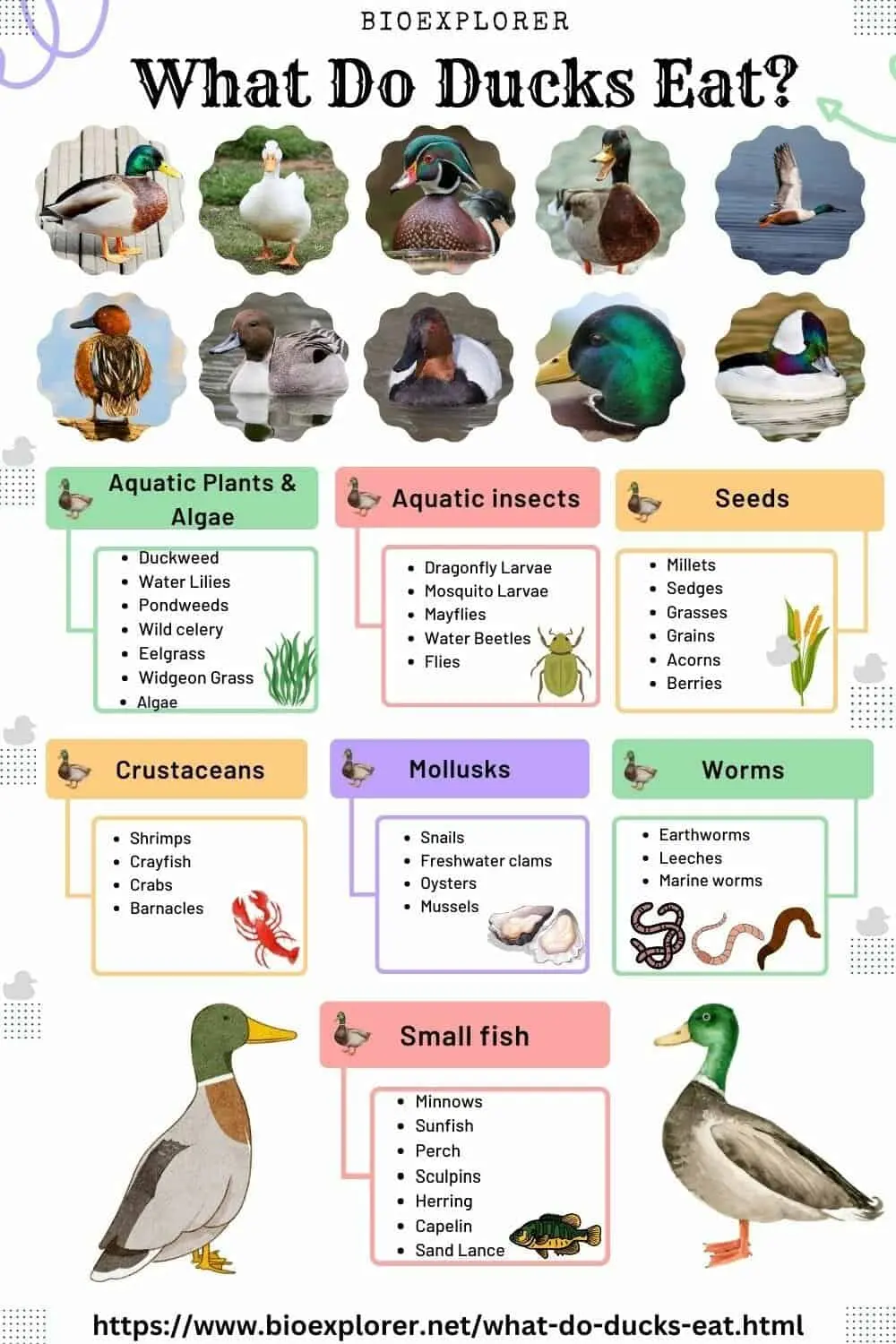
In their natural habitats, ducks rely on a wide variety of food sources found in ponds, lakes, and marshes. Dabbling ducks, such as mallards, typically feed near the surface by tipping forward to reach underwater vegetation and invertebrates. They consume pondweed, sedges, wild rice, and algae, which provide essential carbohydrates and fiber. During warmer months, they supplement this plant-based diet with protein-rich snacks like snails, worms, small crustaceans, and mosquito larvae.
Diving ducks, by contrast, submerge completely to forage on the lake bottom. They often consume different varieties of mollusks, aquatic insects, and submerged plants that grow in deeper water. This natural foraging behavior ensures they receive a balanced intake of vitamins and minerals necessary for migration and reproduction. Because these birds are highly adaptable, their specific diet often shifts based on what is seasonally available in their local ecosystem.
How to feed ducks safely and responsibly
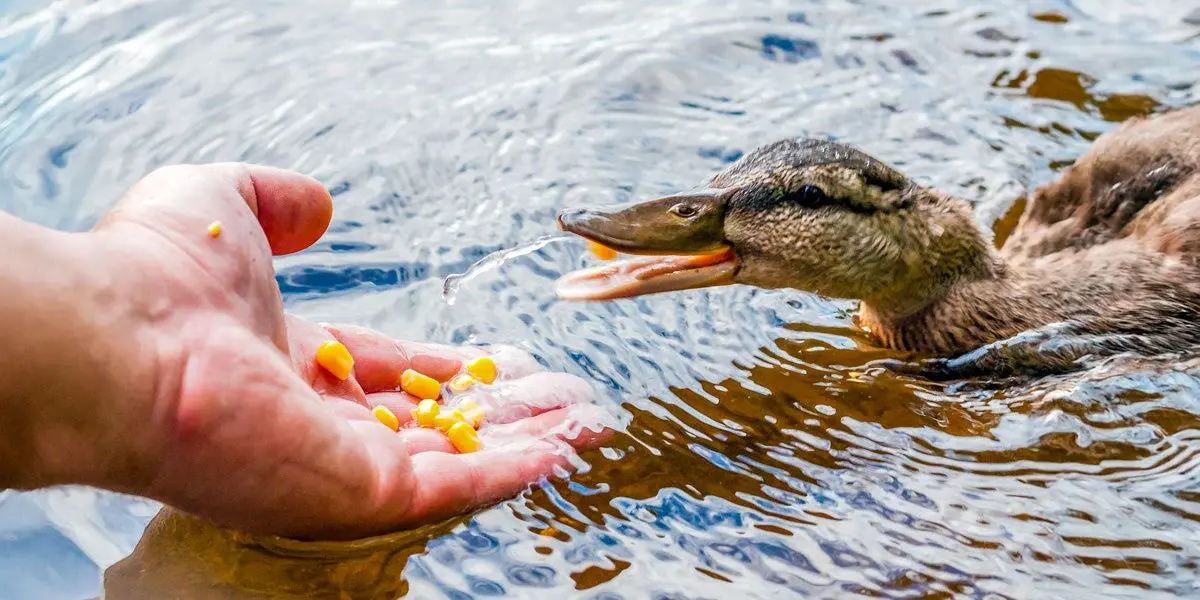
If you choose to feed ducks at a local park, it is vital to offer items that mimic their natural nutritional intake. Bread, crackers, and popcorn are poor choices because they provide little nutritional value and can lead to malnutrition or deformities like "angel wing," a condition where a bird's wing feathers grow incorrectly. Instead, focus on providing healthy alternatives that are easy for them to digest and process.
- Offer frozen peas that have been thawed, as these are soft and easy to swallow.
- Provide chopped lettuce, kale, or Swiss chard, which are excellent sources of vitamins.
- Use cracked corn, oats, or birdseed in moderation to ensure they do not lose their natural foraging instincts.
- Always ensure the food is scattered in the water or on the bank to prevent rot and attract fewer pests.
Why bread is bad for ducks
Feeding bread to ducks is one of the most common mistakes made by well-meaning visitors. While ducks will readily eat bread, it acts as "junk food" that fills their stomachs without providing the energy or nutrients required for healthy growth. When ducks fill up on bread, they stop foraging for the natural foods they need, which leads to vitamin deficiencies and weakened immune systems that make them susceptible to disease.
Beyond the nutritional impact, bread left in the water causes significant environmental damage. Uneaten bread decomposes, which encourages the growth of harmful algae blooms and depletes oxygen levels in the water. This process can kill fish and other aquatic life, effectively ruining the ecosystem the ducks rely on. Additionally, rotting food attracts vermin like rats and mice, which can pose health risks to both the wildlife and the human visitors in the park.
What are the best foods for ducklings?
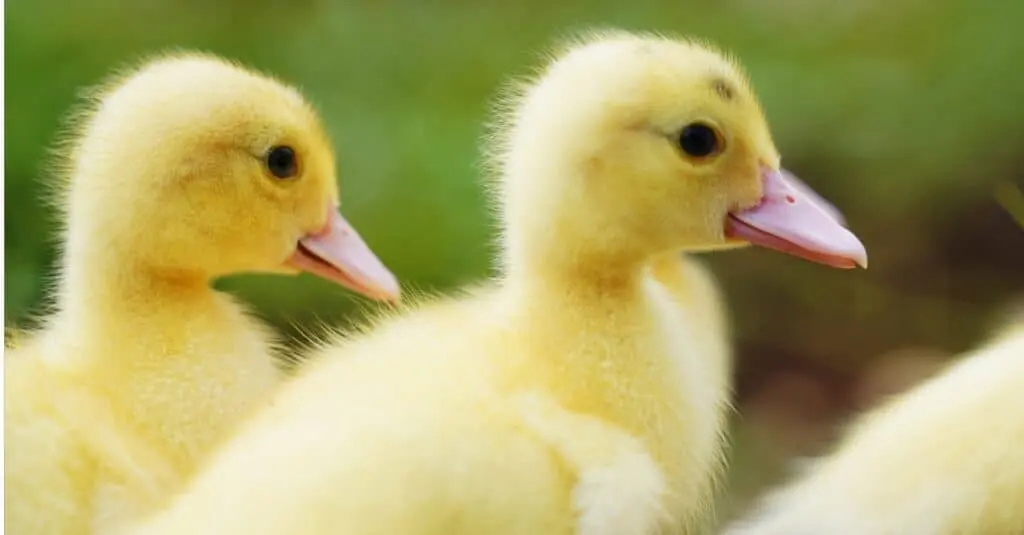
Ducklings require high-protein diets during their first few weeks of life to support rapid growth and feather development. In the wild, the mother duck leads her brood to areas rich in insects, which provide the essential amino acids needed for healthy bone structure. If you are caring for domestic ducklings, it is important to provide a specialized starter crumble that contains the correct ratio of protein, niacin, and calcium.
- Avoid giving ducklings bread or human snacks, as their digestive systems are extremely sensitive.
- Ensure they have constant access to clean, fresh water, as they need it to swallow their food properly.
- Provide small amounts of chopped greens or duckweed to introduce them to natural vegetation early on.
- Monitor their growth closely to ensure they are not becoming overly dependent on human interaction for their daily meals.
Common mistakes when feeding ducks
The most frequent error is overfeeding, which leads to overcrowding and aggressive behavior among the birds. When too much food is available, ducks stop migrating or moving to new areas, which can lead to the spread of avian diseases like botulism or duck plague. Furthermore, feeding ducks in the same spot every day creates a reliance that can be dangerous if the food supply is suddenly cut off or if the area becomes polluted.
To avoid these issues, follow these simple guidelines to maintain a healthy environment for the birds:
- Never feed ducks in areas where signs explicitly prohibit it, as these locations may be undergoing ecological restoration.
- Limit your feeding to small quantities to ensure the birds remain motivated to forage for natural food sources.
- Clean up any food that remains after a few minutes to prevent water contamination and pest infestations.
- Observe the birds from a distance rather than trying to hand-feed them, as this helps them maintain a healthy fear of humans and predators, ensuring their long-term safety in the wild.
Key facts
- Ducks are omnivores, meaning they consume a diverse diet of aquatic plants, seeds, insects, crustaceans, and small fish.
- Dabbling ducks, such as Mallards, feed primarily on the surface or by tipping tail-up to reach vegetation on the pond floor.
- Diving ducks, like Scaup or Canvasbacks, submerge completely to forage for mollusks and aquatic tubers in deeper water.
- Bread, crackers, and popcorn are nutritionally poor and can cause "angel wing," a permanent deformity in growing ducklings.
- Healthy supplemental treats include frozen peas, halved grapes, chopped lettuce, or specialized waterfowl pellets available at farm stores.
- Ducks require constant access to fresh water to swallow food, as they lack the salivary glands necessary to process dry items.
The bottom line
Ducks thrive on a varied diet of aquatic vegetation and small invertebrates found in their natural habitats. While it is tempting to offer human food, providing items like bread is harmful to their health and the local ecosystem. If you wish to interact with ducks, stick to healthy, nutrient-dense snacks like peas or oats, and always prioritize the preservation of their natural foraging behaviors.
People also ask
Is it safe to feed ducks bread?
No, bread is considered "junk food" for ducks. It lacks essential nutrients and can lead to malnutrition, obesity, and environmental pollution in ponds.
What are the best healthy snacks for ducks?
You can offer them frozen peas, corn, oats, birdseed, or chopped greens like kale and romaine. Always ensure these items are fresh and not moldy.
Do ducks eat fish?
Yes, many duck species consume small minnows, tadpoles, and fish eggs. This provides them with necessary protein, especially during the breeding season.
Why do ducks need grit in their diet?
Ducks do not have teeth, so they swallow small stones or grit to help grind up hard food items in their gizzard. Without grit, they cannot properly digest seeds or grains.
Can ducks eat fruit?
Yes, ducks enjoy fruits like grapes, blueberries, and strawberries. Always cut large fruits into small, bite-sized pieces to prevent the risk of choking.
How often should ducks be fed by humans?
Ideally, ducks should not be fed by humans at all, as they are capable of foraging for their own natural diet. If you choose to feed them, do so sparingly to avoid making them dependent on humans.
This answer was created with the help of AI research tools and reference sources. Spotted an error? Let us know — we correct mistakes quickly. See our editorial policy.