How long do lemurs live?
Short answer
Lemurs typically live between 15 and 25 years in the wild, depending on their specific species and environmental conditions. In managed care settings, such as zoos or sanctuaries, they often live longer, sometimes reaching 30 years or more due to consistent nutrition, lack of predators, and access to veterinary medical care.
On this page
How long do different lemur species live?
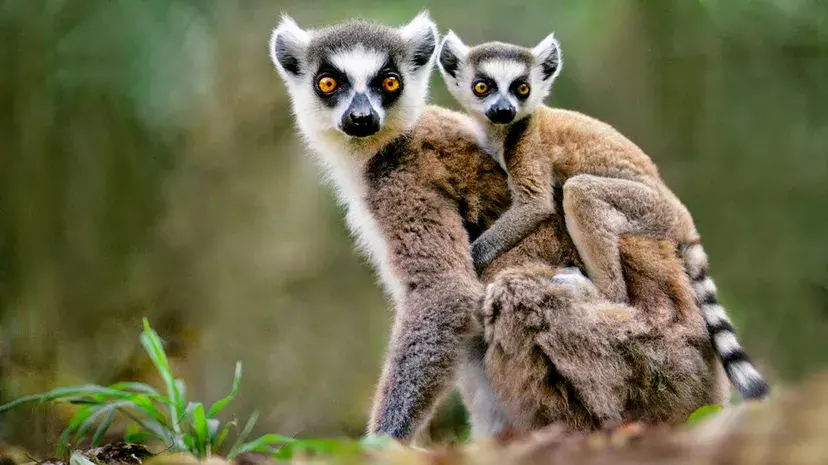
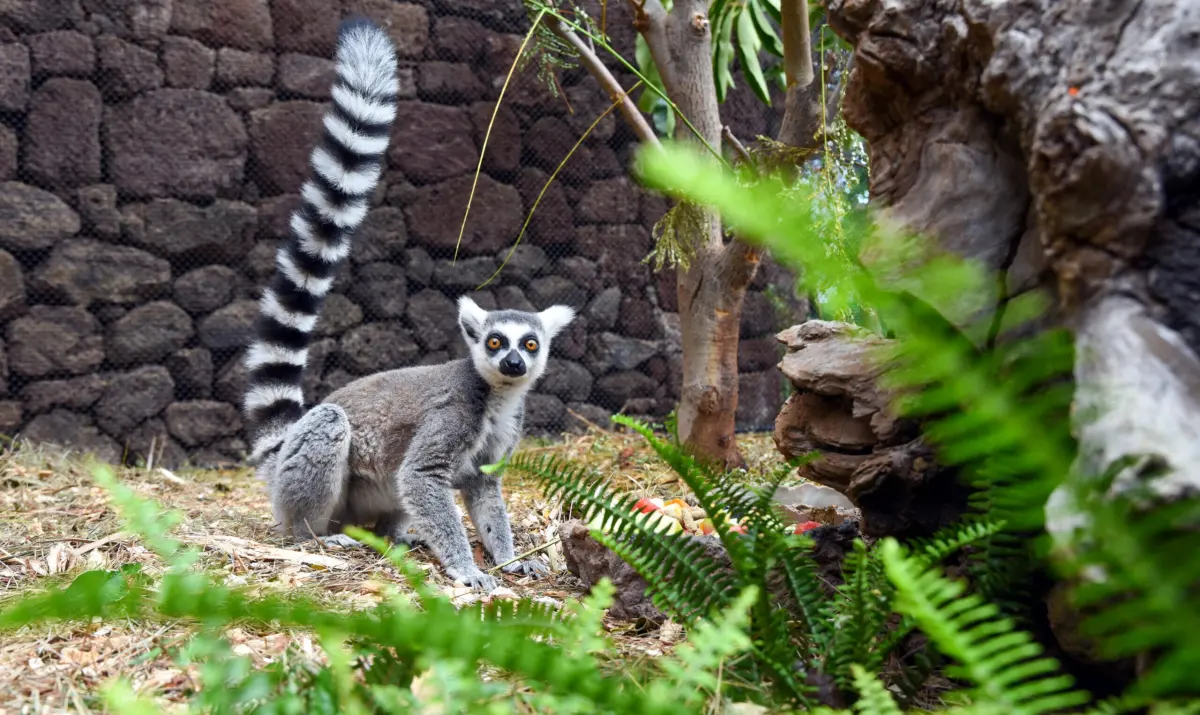
Lifespans vary significantly across the more than 100 recognized species of lemurs, which are primates endemic to Madagascar. Smaller species, such as the mouse lemur, have shorter lifespans, often living between 6 and 10 years in the wild. Conversely, larger species like the ring-tailed lemur or the indri tend to live much longer. The ring-tailed lemur, perhaps the most recognizable species, frequently survives into its late teens or early twenties in natural habitats.
Environmental pressures play a massive role in these variations. Smaller lemurs have higher metabolic rates and are more susceptible to predation, which naturally limits their longevity. Larger lemurs benefit from more complex social structures that provide protection and help them navigate their surroundings. Regardless of the species, the transition from juvenile to adult is a critical phase where mortality rates are highest due to the challenges of foraging and avoiding specialized predators like the fossa.
Why do lemurs live longer in captivity?
Lemurs kept in accredited zoos or research facilities often exceed the average lifespan of their wild counterparts. This longevity is primarily attributed to the elimination of external threats and the provision of a stable, high-quality diet. In the wild, lemurs must contend with seasonal food shortages, habitat destruction, and constant pressure from predators. In captivity, these variables are controlled, allowing the animals to focus their energy on maintenance and health rather than survival.
Veterinary intervention is another major factor in extended captive lifespans. Modern zoological practices include regular health screenings, vaccinations, and prompt treatment for injuries or infections that would be fatal in the wild. These facilities also provide enrichment programs that keep the animals mentally stimulated, which is vital for the health of highly intelligent primates. The following factors contribute to their increased longevity:
- Consistent access to nutritionally balanced food sources.
- Protection from natural predators such as the fossa and birds of prey.
- Advanced medical monitoring and routine dental care.
- Climate-controlled environments that reduce physical stress.
How does habitat loss affect lemur longevity?
Habitat destruction is the single greatest threat to the longevity of wild lemur populations. As forests in Madagascar are cleared for agriculture, charcoal production, and logging, lemurs lose the specific trees and plants they rely on for survival. This fragmentation forces lemurs to travel farther to find food, exposing them to greater risks of predation and increasing their caloric expenditure. When a population becomes isolated, genetic diversity decreases, which can lead to long-term health issues and reduced life expectancy.
Conservation efforts are essential to mitigating these impacts. By protecting corridors of forest, researchers help ensure that lemurs can move safely between feeding grounds. When habitats are preserved, lemur populations show greater stability and higher rates of infant survival. Without these interventions, the natural lifespan of many species is effectively cut short by starvation or the inability to find suitable mates. The loss of old-growth forests is particularly damaging, as these environments provide the specific nesting sites and food variety necessary for long-term health.
Common mistakes when observing lemurs in the wild
Many tourists and amateur researchers make errors that can inadvertently shorten the lives of wild lemurs. The most common mistake is attempting to feed or interact with the animals. Providing human food can lead to digestive issues, obesity, and a dangerous loss of fear toward humans, which makes lemurs more vulnerable to poaching. Furthermore, feeding creates dependency, disrupting the natural foraging behaviors that are necessary for the lemurs to maintain their health and social standing.
Another frequent error is disturbing nesting sites or following groups too closely. Lemurs are sensitive to stress, and constant human presence can cause them to abandon their young or flee from optimal feeding areas. To observe lemurs responsibly, follow these guidelines:
- Maintain a distance of at least 15 to 20 feet at all times.
- Use binoculars or camera lenses to view them rather than approaching.
- Avoid making loud noises or sudden movements that could startle the troop.
- Never use flash photography, as it can disorient the animals and cause unnecessary stress.
What are the signs of aging in lemurs?
As lemurs reach the later stages of their lives, they exhibit physical and behavioral changes that are similar to those seen in other primates. One of the most obvious signs is the graying of fur, particularly around the face and muzzle. Older lemurs may also move more slowly and show signs of stiffness in their joints, which can be indicative of arthritis. In the wild, these physical declines make them slower to react to predators, which is often the primary cause of death for elderly individuals.
Behavioral changes are also common as lemurs age. They may become less active in social interactions and spend more time resting or sunning themselves. In a troop, older individuals might move to the periphery of the group to conserve energy. While these changes are natural, they highlight the importance of understanding the life cycle of these primates. By recognizing these signs, researchers can better understand the population dynamics of a troop and ensure that conservation efforts account for the needs of all age groups, from infants to the oldest, most experienced members of the community.
Key facts
- Lemurs typically live between 15 and 25 years in the wild, depending on the species and environmental pressures.
- Ring-tailed lemurs often reach 20 to 25 years of age when kept in managed care environments like zoos.
- Mouse lemurs, the smallest primates, have much shorter lifespans, usually living only 6 to 8 years in the wild.
- Predation by raptors, snakes, and the fossa significantly reduces the average lifespan of wild lemur populations.
- Habitat loss and climate change are the primary factors shortening the natural life expectancy of many lemur species.
- Captive lemurs often live longer than wild counterparts due to consistent nutrition, veterinary care, and lack of predators.
The bottom line
Lemur longevity is primarily dictated by species size, environmental stability, and the presence of natural predators. While larger species can thrive for over two decades in protected settings, wild populations face significant challenges from habitat degradation. Understanding these biological limits is essential for conservation efforts, as protecting their native ecosystems remains the most effective way to ensure these unique primates reach their full natural life expectancy.
People also ask
Do all lemur species live for the same amount of time?
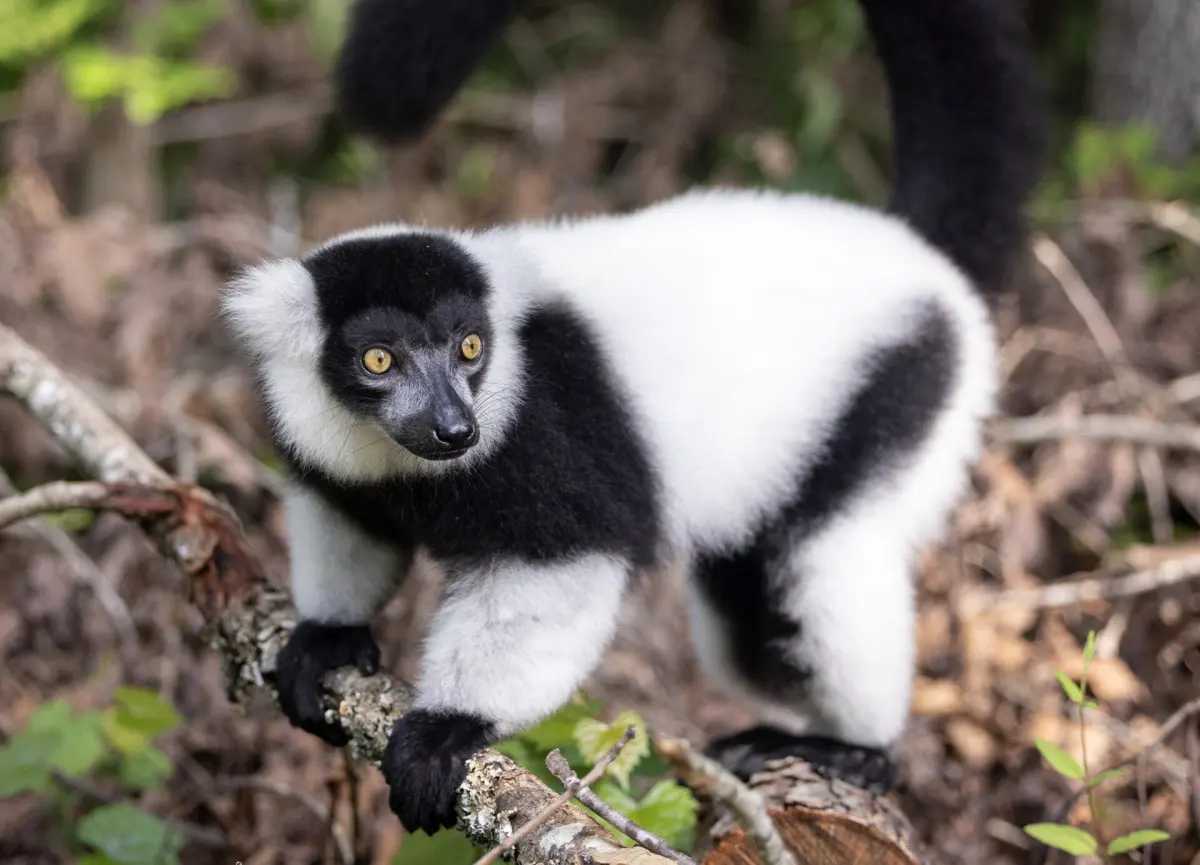
No, lifespan varies drastically by species size and metabolism. Smaller species like mouse lemurs live much shorter lives than larger species like the indri or ruffed lemurs.
What is the biggest threat to lemur longevity in Madagascar?
Habitat destruction caused by deforestation and agricultural expansion is the greatest threat. These activities force lemurs into smaller territories, increasing competition for food and exposure to predators.
Can lemurs be kept as household pets to help them live longer?
No, keeping lemurs as pets is harmful and illegal in most jurisdictions. They require complex social structures, specific diets, and large forest environments that cannot be replicated in a home.
How does the social structure of a lemur troop affect their survival?
Lemurs are highly social animals that rely on group vigilance to spot predators. A strong troop provides protection and grooming, which helps individuals maintain better health and longer lives.
Do lemurs suffer from age-related diseases similar to humans?
Yes, as lemurs age in captivity, they can develop conditions like arthritis, cataracts, and dental disease. Modern veterinary medicine now allows researchers to manage these issues, extending their quality of life.
Does the diet of a lemur influence how long it lives?
Diet is critical, as lemurs are specialized feeders that require specific plant matter to maintain their health. Nutritional deficiencies in the wild can weaken immune systems and make individuals more susceptible to disease.
This answer was created with the help of AI research tools and reference sources. Spotted an error? Let us know — we correct mistakes quickly. See our editorial policy.