Where do lemurs live?
Short answer
Lemurs live exclusively on the island of Madagascar and a few tiny neighboring islands, such as the Comoros. They are endemic to this region, meaning they exist nowhere else in the wild. Their habitats range from dense tropical rainforests and spiny deserts to high-altitude mountain peaks and coastal mangrove swamps.
On this page
Where do lemurs live in the wild?
Lemurs are found only on the island of Madagascar, located off the southeastern coast of Africa. This island is the world’s fourth-largest and has been geographically isolated for approximately 88 million years. Because of this isolation, lemurs evolved into over 100 distinct species without competition from monkeys or apes found elsewhere in the world.
While they are famous for inhabiting rainforests, lemurs are remarkably adaptable to diverse environments. You can find them in the following locations across the island:
- The eastern rainforests, which are home to the larger indri and bamboo lemurs.
- The dry deciduous forests of the west, where many species of sifaka reside.
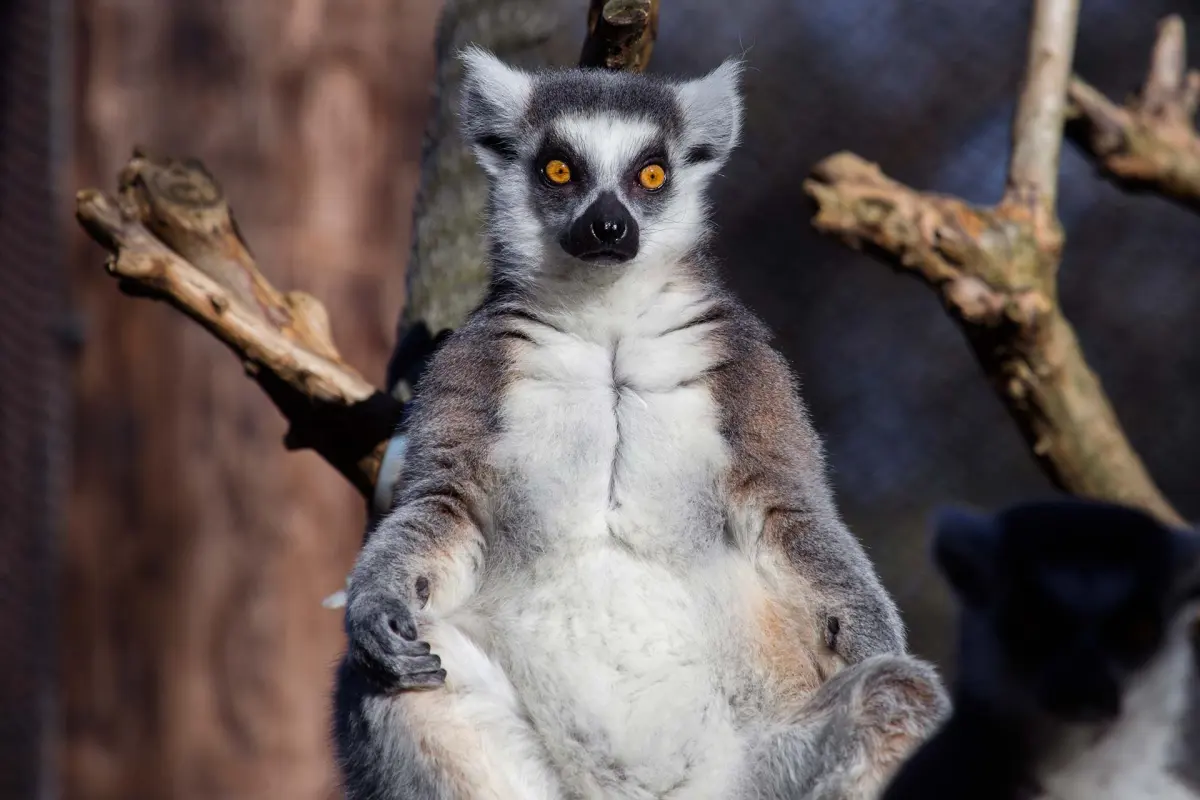
- The spiny forests of the southern region, which support the iconic ring-tailed lemur.
- High-altitude plateaus, where specialized species endure cold temperatures and rocky terrain.
How to find lemurs in their natural habitat
If you are planning to visit Madagascar to see lemurs, you must travel to specific national parks and reserves. The island’s infrastructure can be challenging, so it is best to visit during the dry season, which runs from April to October. During these months, trails are more accessible and lemurs are more active as they forage for food.
To increase your chances of spotting them, follow these professional guidelines:
- Hire a local guide who knows the specific territories of habituated groups.
- Visit parks like Andasibe-Mantadia for rainforest species or Isalo for dry forest dwellers.
- Arrive at the park entrance at dawn, as many lemurs are most active during the early morning hours.
- Maintain a quiet demeanor to avoid startling the animals, which may cause them to retreat into the canopy.
Why lemurs live only on Madagascar
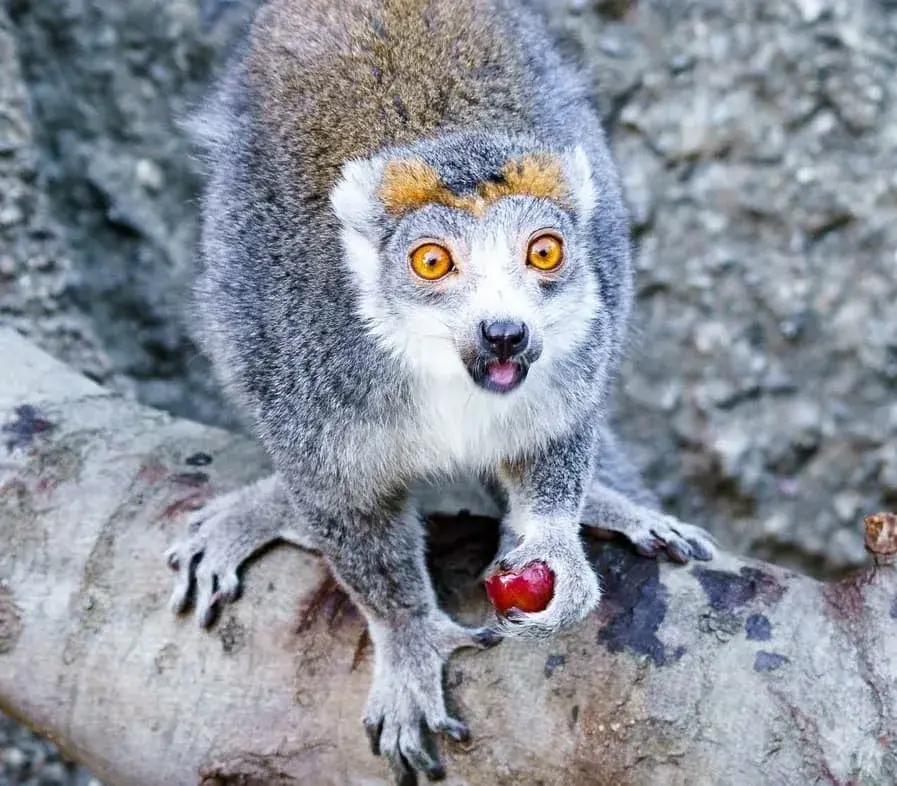
The primary reason lemurs are restricted to Madagascar is their evolutionary history. When their ancestors arrived on the island roughly 50 to 60 million years ago, likely by rafting on vegetation from mainland Africa, they found an environment free of predators and competing primates. This allowed them to undergo adaptive radiation, filling every ecological niche available on the island.
Over millions of years, lemurs evolved unique physical traits to survive in these specific niches. For instance, the aye-aye developed a specialized long finger to extract grubs from trees, while the mouse lemur evolved to be small enough to thrive in dense undergrowth. Because they are so specialized to the unique climate and flora of Madagascar, they cannot survive in the wild environments of mainland Africa or Asia.
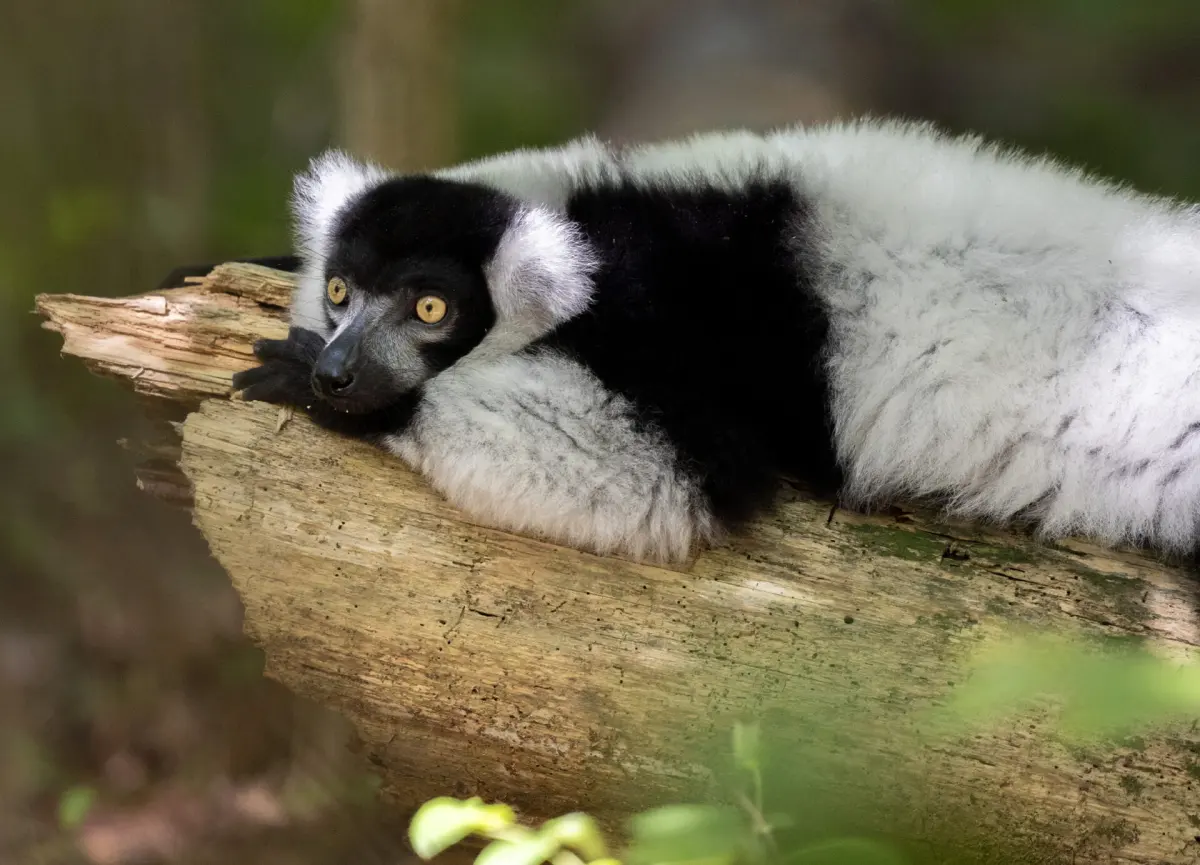
Common mistakes when searching for lemurs
One of the most frequent errors travelers make is assuming they can see all lemur species in a single location. Because Madagascar is massive and contains varied ecosystems, a species found in the humid north will not be present in the arid south. Attempting to see too many species in a short trip often leads to exhaustion and disappointment.
Another common mistake is neglecting the importance of conservation regulations. Visitors often try to feed or touch lemurs to get better photographs, which is strictly prohibited. Feeding disrupts their natural diet and social behavior, while physical contact can transmit human diseases to the animals. Always keep a respectful distance, use a zoom lens for photography, and follow the instructions provided by your park guide to ensure the safety of both the wildlife and the visitors.
How climate change affects lemur habitats
Climate change poses a severe threat to the specific regions where lemurs live. Madagascar is experiencing increasingly frequent and intense droughts, particularly in the southern regions. These weather patterns destroy the fruit and leaf sources that lemurs rely on for survival, leading to population declines in species like the ring-tailed lemur.
Furthermore, deforestation for agriculture and charcoal production continues to shrink the available living space for these primates. As their forest homes become fragmented, lemurs are forced into smaller, isolated pockets of land. This makes it difficult for them to find mates and maintain genetic diversity. Protecting the remaining corridors of forest is essential to ensure that lemurs continue to have a place to live in the future, as they are a critical component of the island's unique ecosystem.
Key facts
- Lemurs are endemic to Madagascar, meaning they are found nowhere else in the world in the wild.
- They inhabit a diverse range of environments, including tropical rainforests, dry deciduous forests, and spiny deserts.
- The ring-tailed lemur is the most adaptable species, thriving in both rocky canyons and forest clearings.
- Many lemur species live in the canopy, while others, such as the greater bamboo lemur, spend significant time on the ground.
- If visiting Madagascar to see them, hire a local guide to navigate protected national parks like Andasibe-Mantadia.
- Avoid feeding wild lemurs, as human food can disrupt their specialized digestive systems and encourage dangerous dependency.
The bottom line
Lemurs are exclusively native to the island of Madagascar, occupying a variety of unique ecosystems ranging from lush rainforests to arid, spiny deserts. Because their natural habitats are increasingly fragmented by human activity, these primates face significant conservation challenges. To protect them, travelers should prioritize visiting regulated national parks with professional guides and strictly avoid interacting with or feeding these animals in their natural environment.
People also ask
Are lemurs found in Africa or Asia?
Lemurs are not native to mainland Africa or Asia. They evolved in isolation on the island of Madagascar after it separated from the African continent millions of years ago.
Do lemurs live in zoos outside of Madagascar?
Yes, many species of lemurs are kept in zoos and research centers globally. These captive populations are essential for conservation education and breeding programs to prevent extinction.
Can lemurs survive in urban environments?
Most lemurs require specific forest habitats to survive and cannot thrive in urban settings. Urbanization and habitat loss are the primary threats to their continued existence in the wild.
How many different species of lemurs exist?
There are over 100 recognized species of lemurs, ranging from the tiny mouse lemur to the larger indri. New species are still occasionally identified by researchers conducting field surveys.
Do all lemurs live in groups?
Social behavior varies greatly among species. Some, like the ring-tailed lemur, live in large, complex social troops, while others, such as many nocturnal mouse lemurs, are largely solitary.
What is the biggest threat to lemur habitats?
The primary threat is deforestation caused by slash-and-burn agriculture, charcoal production, and illegal logging. These activities destroy the specific trees and plants that lemurs rely on for food and shelter.
This answer was created with the help of AI research tools and reference sources. Spotted an error? Let us know — we correct mistakes quickly. See our editorial policy.